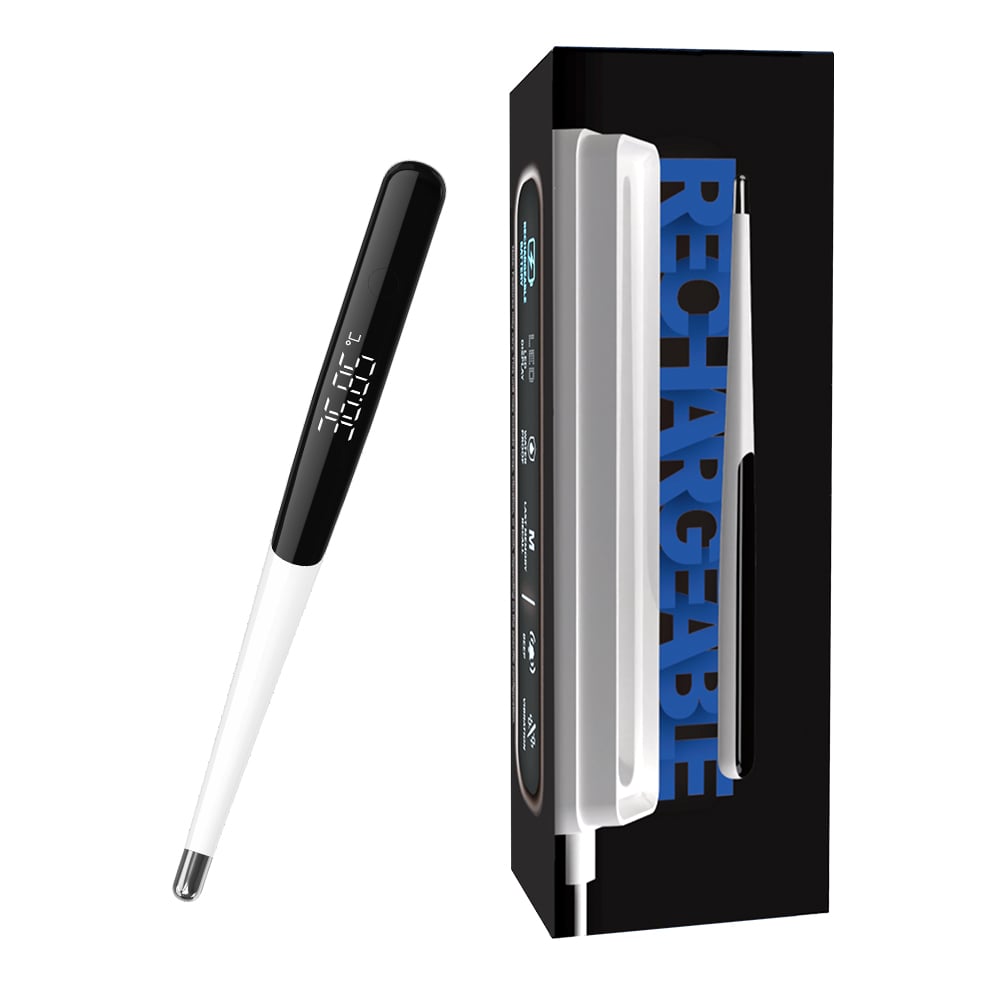
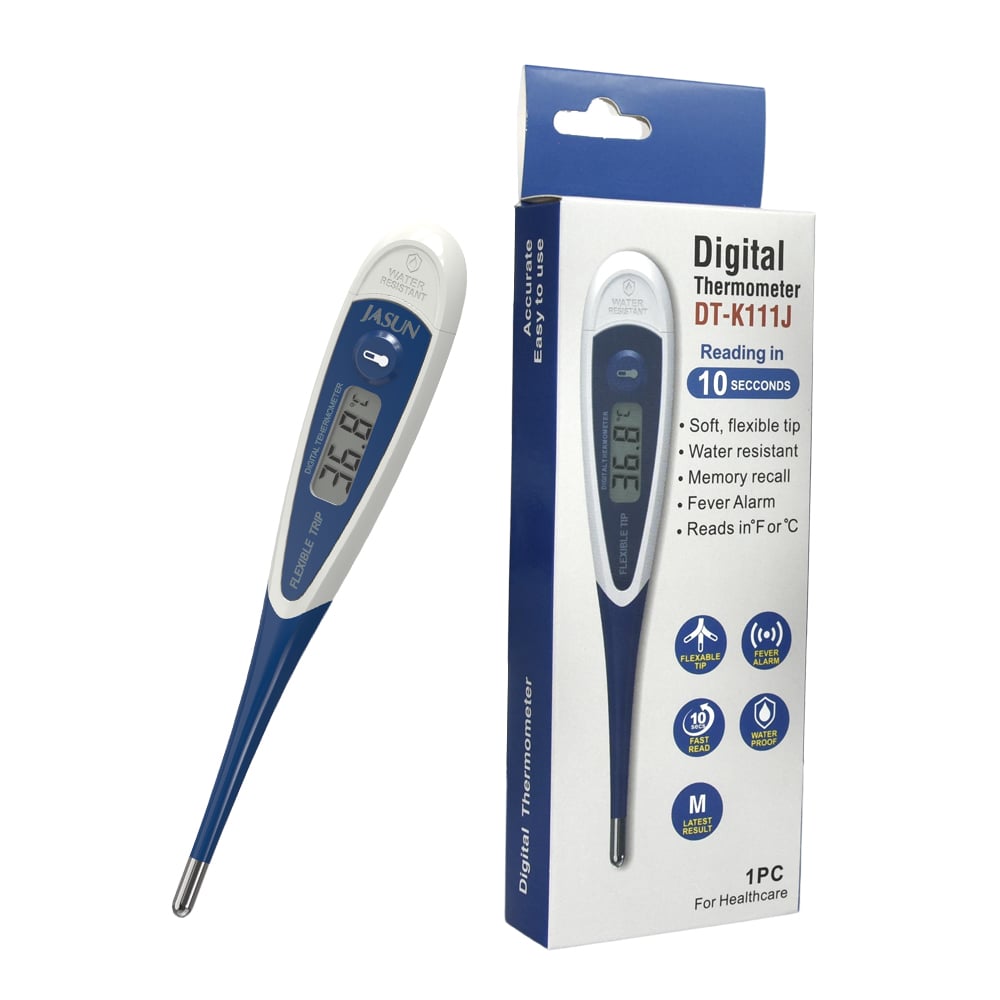
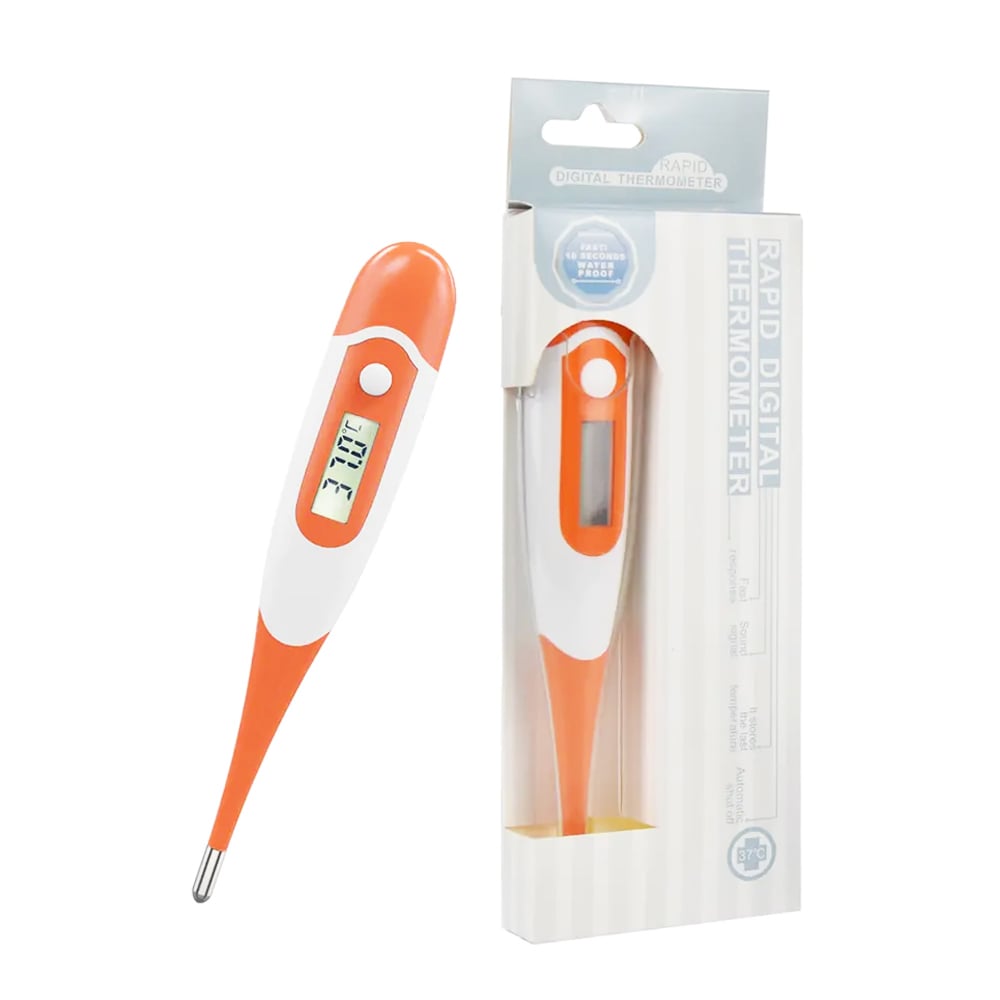
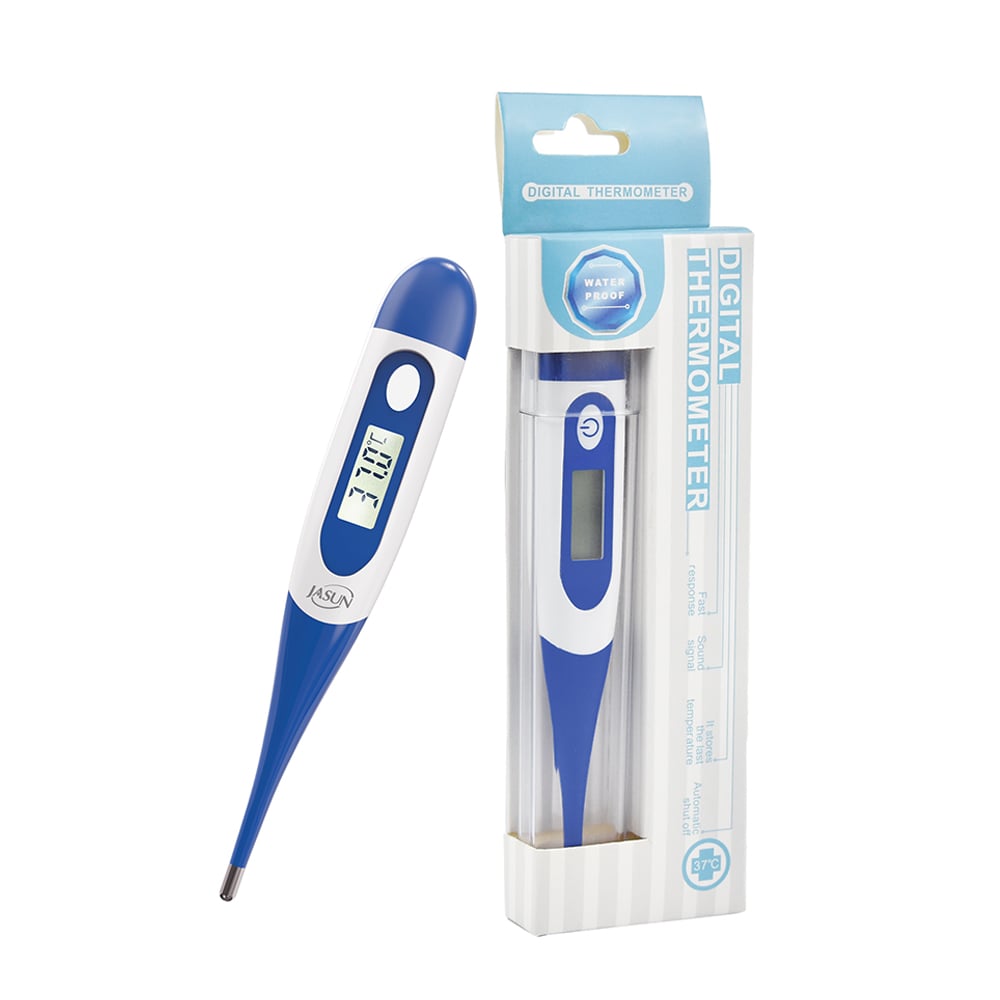
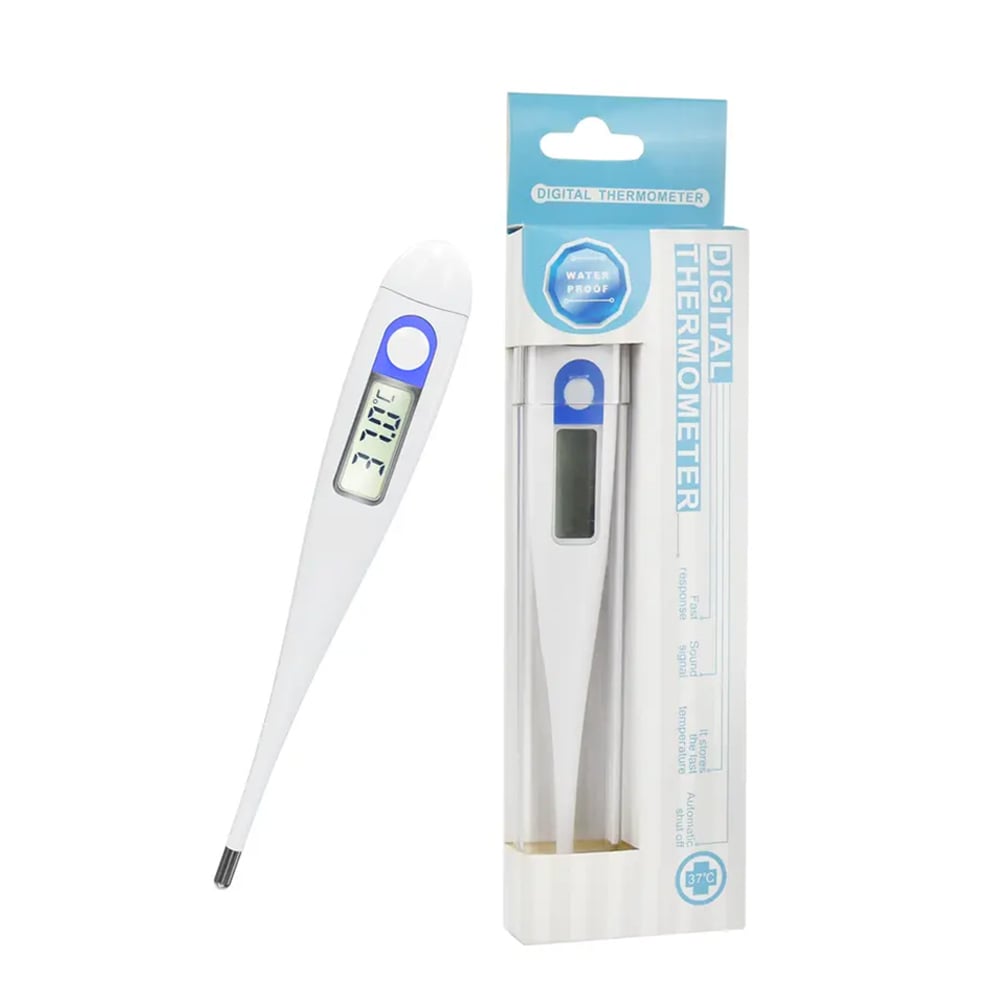
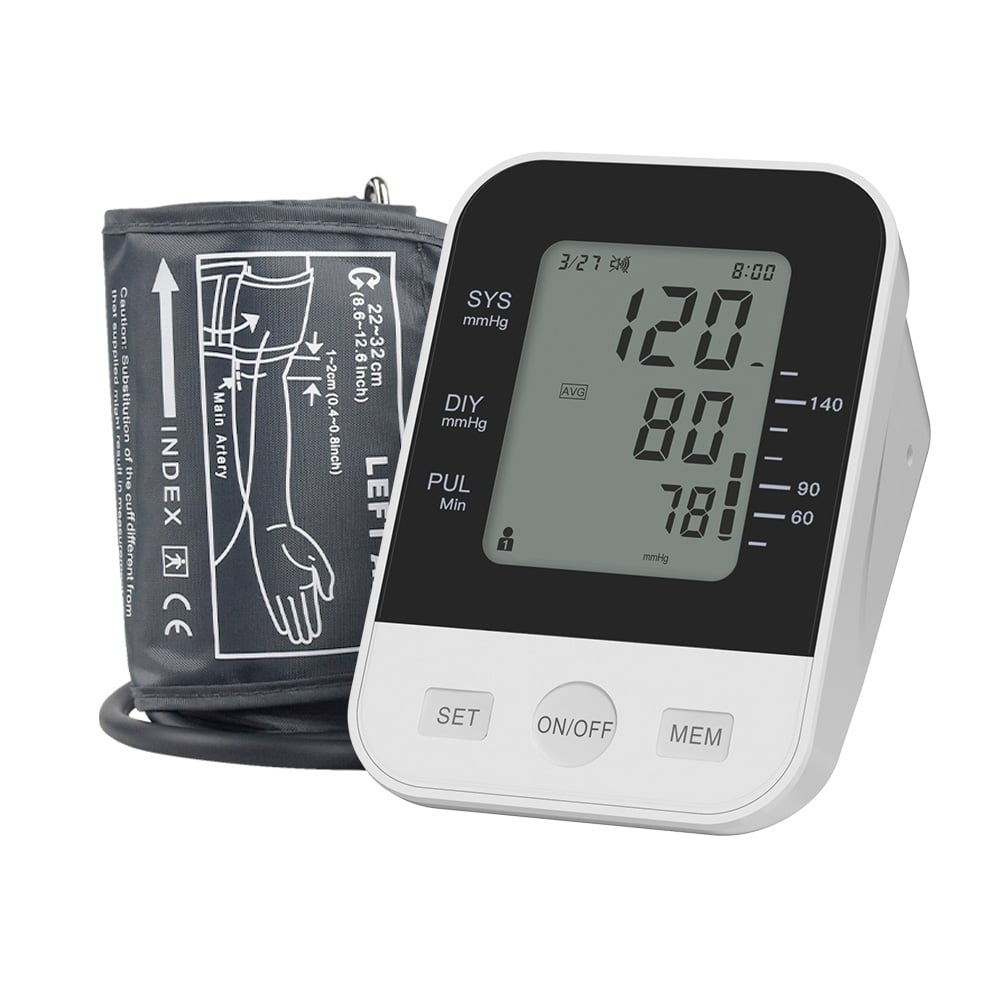
Digital mouth thermometers are essential tools in the healthcare sector, providing accurate body temperature readings quickly and comfortably. As a B2B buyer, you may have concerns about product reliability, accuracy, and long-term supplier partnerships. This article will help you understand the key specifications, supplier evaluation criteria, installation processes, cost factors, and applications of digital mouth thermometers, ensuring you make informed purchasing decisions.
When selecting a digital mouth thermometer, several key specifications should be considered to ensure reliability and accuracy:
Measurement Accuracy: A thermometer's accuracy is crucial, typically expressed as ±0.1°C or ±0.2°F. This specification affects clinical decisions, so verifying that the device meets regulatory standards is important.
Response Time: The time it takes to obtain a reading can vary significantly between models. High-quality thermometers often provid e readings in less than 10 seconds, which is vital in fast-paced healthcare settings.
Display Quality: A clear and easy-to-read display, preferably with backlighting, enhances usability, especially in low-light conditions. Consider whether the display shows additional information, such as fever alerts.
Battery Life: Long-lasting batteries reduce maintenance efforts. Look for models that provide a low-battery indicator to avoid unexpected downtimes.
Durability and Comfort: Materials used in construction should be robust yet comfortable for patients. Thermometers made from medical-grade plastics are preferred for their durability and ease of cleaning.
Certifications: Ensure the thermometer adheres to international standards such as CE, ISO13485:2003, and FDA, which indicate compliance with quality and safety regulations.
Understanding these specifications will help you choose a thermometer that meets your operational needs and complies with healthcare standards.
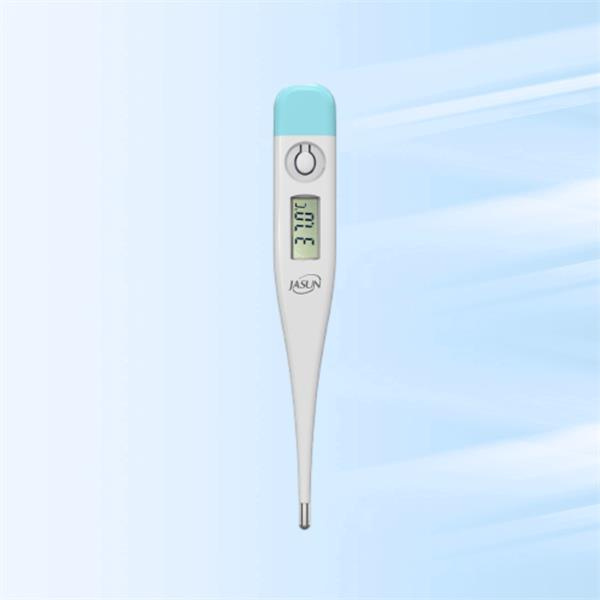
Choosing a reliable supplier for digital mouth thermometers requires a thorough evaluation process. Here are some key considerations:
Experience and Reputation: Look for suppliers with a proven track record in manufacturing medical devices. Review their history, including how long they have been in business and their standing in the industry.
Certifications and Compliance: Confirm that the supplier holds relevant certifications such as CE, ISO13485:2003, and FDA approvals. These certifications indicate adherence to quality management standards and regulatory compliance.
Manufacturing Capabilities: Assess the supplier’s manufacturing capabilities, including technology, production capacity, and quality control processes. A supplier with advanced manufacturing equipment and rigorous testing procedures ensures high-quality products.
Customization Options: Understand the supplier's ability to customize products based on specific needs, such as branding, packaging, and features. newborn thermometer flexibility can be crucial for markets with unique demands.
Customer Support and Service: Evaluate the supplier's customer service and support structure. A responsive supplier can assist with inquiries, product training, and after-sales service, which is essential for long-term partnerships.
References and Reviews: Request references from existing clients and look for online reviews. Feedback from other buyers can provide insights into the supplier's reliability and product performance.
By focusing on these factors, you can select a supplier that aligns with your quality requirements and business objectives.
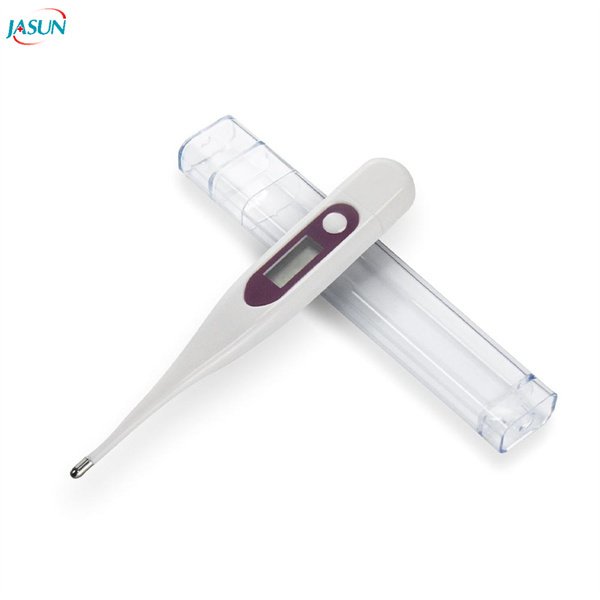
Proper installation and use of digital mouth thermometers are critical for accurate readings and patient safety. Here are key guidelines for installation in medical settings:
Location Selection: Choose a suitable location for thermometer use, ensuring it is clean, well-lit, and accessible. The environment should be free from extreme temperature fluctuations, which can affect readings.
Calibration: Before first use, ensure that the thermometer is calibrated according to the manufacturer's instructions. Regular calibration checks should be implemented to maintain accuracy over time.
Training Staff: Provide training for healthcare staff on proper thermometer usage and hygiene practices. armpit temperature for infants includes demonstrating how to hold the thermometer correctly and understanding when to replace batteries.
Hygiene Practices: Ensure that thermometers are cleaned and disinfected between uses according to healthcare protocols. Single-use covers can be employed for additional hygiene measures.
Data Management: If the thermometer has data recording capabilities, establish a protocol for managing and storing temperature records securely to comply with patient confidentiality standards.
Following these guidelines will enhance the effectiveness of digital mouth thermometers in clinical environments.
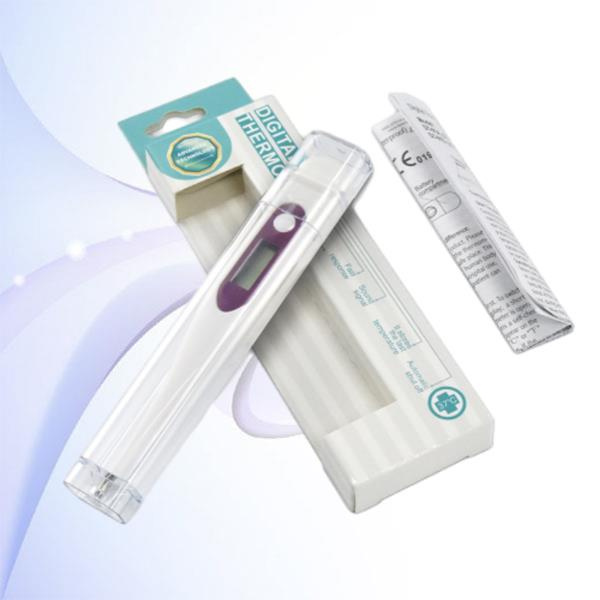
When purchasing digital mouth thermometers in bulk, multiple cost factors come into play:
Unit Price: The base cost per thermometer often decreases with higher order quantities. However, be cautious of lower prices that may compromise quality.
Customization Costs: If you require branding or specific features, factor in additional costs for customization. Discuss these options with your supplier to understand their impact on the overall price.
Shipping and Handling: Consider shipping costs, especially for international orders. Bulk purchases may qualify for discounted shipping rates, but it's essential to clarify these details with your supplier.
Minimum Order Quantities (MOQ): Many suppliers set MOQs for bulk orders, which can impact your purchasing strategy. Understanding these requirements can help you plan your inventory accordingly.
Warranty and After-Sales Support: Quality thermometers often come with warranties that cover defects or malfunctions. Ensure that the warranty terms are clear, and consider any costs associated with after-sales support.
Evaluating these cost factors will help you make informed decisions and manage your budget effectively when ordering digital mouth thermometers.
Digital mouth thermometers find applications across various healthcare settings, making them versatile tools. Here are some common uses:
Routine Health Monitoring: In clinics and hospitals, digital mouth thermometers are used for routine checks of patient temperature, aiding in the early detection of fever or illness.
Pediatric Care: These thermometers are particularly beneficial in pediatric wards, as their ease of use and comfort encourage compliance among younger patients.
Elderly Care: In nursing homes and geriatric facilities, digital mouth thermometers provide non-invasive and accurate temperature monitoring for elderly patients, ensuring timely medical intervention when necessary.
Emergency Services: Emergency responders often utilize digital thermometers to assess patient conditions quickly during transport, making them valuable in critical care situations.
Home Healthcare: With the rise of home healthcare services, digital mouth thermometers allow caregivers to monitor patients' health remotely, providing peace of mind and facilitating timely medical attention.
Understanding these applications can help you identify how digital mouth thermometers fit into your healthcare practices, ensuring infant rectal thermometer meet the specific needs of your patient population.
JASUN is a registered trademark of Hangzhou Hua'an Medical & Health Instruments Co.,Ltd. Your first option for premium thermometer suppliers in China with CE, MDR, ISO13485:2003, FDA and BSCI certificates.
Our location: Building 2,1# Fuzhu Nan RD, Wuchang Town, Yuhang District, Hangzhou, Zhejiang 310023, China
HOURS: 8:30AM - 6:00PM
Copyright © Hangzhou Hua'an Medical & Health Instruments Co.,Ltd. All Rights Reserved Blog Privacy Policy
 EN