
Digital medical thermometers are essential tools in healthcare settings, providing accurate and rapid body temperature measurements crucial for patient assessment. As a B2B buyer, you may have concerns regarding the accuracy, durability, and comfort of these devices. This article will help you understand the key specifications and features of digital medical thermometers, how to choose the right partner for purchase, installation guidelines, ways to compare different models, and the advantages of various materials used in their manufacturing.
When selecting a digital medical thermometer, consider several key specifications and features that impact its performance:
Measurement Range: Most digital thermometers measure body temperature between 32°C to 42°C (89.6°F to 107.6°F). Ensure that the thermometer can cover the necessary range for your patient demographics.
Accuracy: Look for devices with a stated accuracy of ±0.1°C, as this ensures reliable readings, especially in clinical settings where precision is critical.
Response Time: Rapid response time is crucial, with many high-quality models providing readings in under 10 seconds. This feature is particularly beneficial in busy hospitals or clinics.
Display Type: A clear digital display is essential for easy reading. Some models include backlit screens for better visibility under various lighting conditions.
Memory Function: Certain thermometers can store previous readings, which is useful for monitoring changes in a patient’s temperature over time.
Battery Life: Consider models with long-lasting batteries to minimize downtime and maintenance.
These specifications not only enhance user experience but also contribute to effective patient monitoring and care.
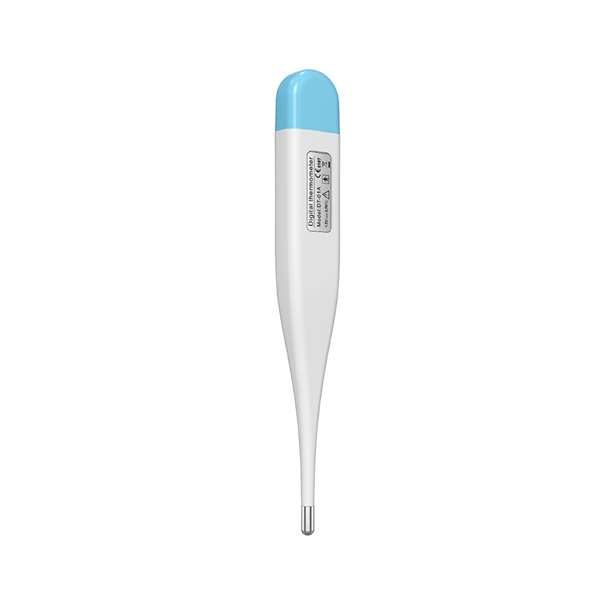
Selecting a reliable supplier for digital medical thermometers involves several steps:
Assess Manufacturing Capabilities: Ensure the manufacturer has robust production capabilities, including advanced machinery and quality control processes. Hangzhou Huaan Medical Health Instruments Co., Ltd., for example, boasts extensive R&D and full OEM/ODM capabilities.
Check Certifications: Verify that the supplier holds relevant certifications such as CE, MDR, ISO13485:2003, and FDA approvals. These certifications indicate compliance with international safety and quality standards.
Customization Options: Discuss potential customization options based on your specific needs. A good partner will be willing to accommodate variations in design, functionality, and packaging.
Quality Assurance: Inquire about the quality inspection processes the manufacturer employs to ensure product reliability. A thorough quality assurance system helps prevent defects and ensures consistency in production.
Customer Support: Evaluate the level of customer support provided by the supplier. A responsive partner can address your inquiries promptly and assist with any post-purchase concerns.
By carefully selecting your manufacturing partner, you can ensure a steady supply of high-quality digital medical thermometers.

Proper installation and usage of digital medical thermometers are crucial for optimal performance. Here are some guidelines:
Temperature Calibration: Before use, ensure that the thermometer is calibrated according to the manufacturer's specifications. Regular calibration checks will maintain accuracy.
User Training: Provide comprehensive training for all staff on how to operate the thermometer correctly. This includes understanding the correct method of measurement—oral, rectal, or axillary—based on the device’s design.
Hygiene Practices: Implement strict hygiene protocols, including the use of disposable covers or thorough cleaning of the thermometer after each use to minimize cross-contamination. Consider using thermometer probe covers for added safety.
Storage Conditions: Store thermometers in a dry, controlled environment to prevent damage. Avoid exposure to extreme temperatures or moisture, which can affect accuracy and performance.
By adhering to these installation guidelines, clinics can ensure that their digital medical thermometers provide reliable readings and maintain their integrity over time.
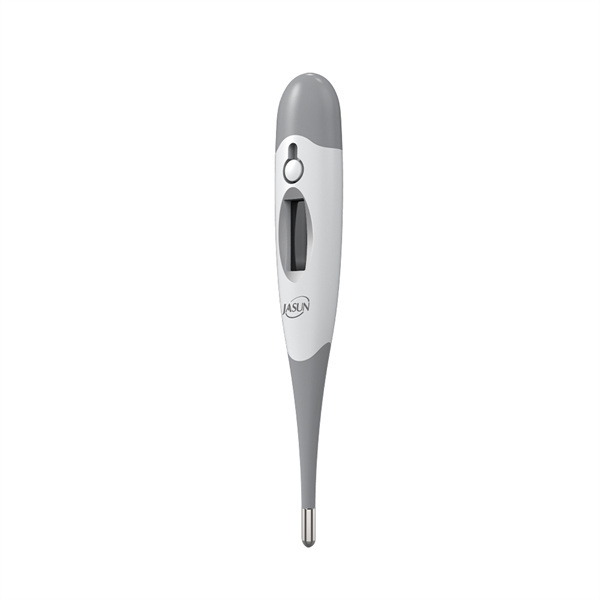
When comparing various models of digital medical thermometers, consider the following factors:
Functionality: Assess whether the thermometer offers multiple measurement modes (oral, rectal, axillary) and features like fever alarms or Bluetooth connectivity for data tracking.
User Reviews: Research user feedback on the ease of use, accuracy, and durability of different models. Reviews can offer insights into real-world performance that specifications alone cannot provide.
Price vs. Features: Balance the cost against the features offered. While a higher price may be justified for advanced functionalities, ensure that basic models meet your essential requirements.
Warranty and Support: Compare the warranty periods and customer support options offered by different manufacturers. A longer warranty often indicates confidence in product durability.
Sample Approval: Before finalizing a purchase, consider requesting samples from suppliers. Testing these samples in actual clinical scenarios can help in making an informed decision.
By taking a systematic approach, you can effectively compare different models and select the one that best meets your needs.
The materials used in the construction of digital medical thermometers significantly influence their performance and durability. Here are some common materials and their advantages:
Plastic Housing: Many digital thermometers feature a high-quality plastic exterior, which is lightweight and easy to handle. Plastic is also resistant to moisture and can be easily cleaned, making it suitable for medical environments.
Glass Thermometers: Though less common now, some thermometers still use glass for its durability and accuracy in measurement. However, they are more fragile compared to plastic and require careful handling.
Metal Probe: Stainless steel probes provide durability and easy cleaning. They are resistant to corrosion, ensuring longevity and reliability in clinical use.
Silicone Tips: Many modern digital thermometers include silicone tips for comfort during use, especially in pediatric applications. These tips are soft, flexible, and can be sanitized easily.
Thermal Sensors: Advanced thermal sensors in digital thermometers allow for rapid and accurate readings. Understanding the type of sensor used can help assess the thermometer's reliability.
Choosing the right materials based on application needs can enhance both the user experience and the overall effectiveness of digital medical thermometers in healthcare settings.
JASUN is a registered trademark of Hangzhou Hua'an Medical & Health Instruments Co.,Ltd. Your first option for premium thermometer suppliers in China with CE, MDR, ISO13485:2003, FDA and BSCI certificates.
Our location: Building 2,1# Fuzhu Nan RD, Wuchang Town, Yuhang District, Hangzhou, Zhejiang 310023, China
HOURS: 8:30AM - 6:00PM
Copyright © Hangzhou Hua'an Medical & Health Instruments Co.,Ltd. All Rights Reserved Blog Privacy Policy
 EN