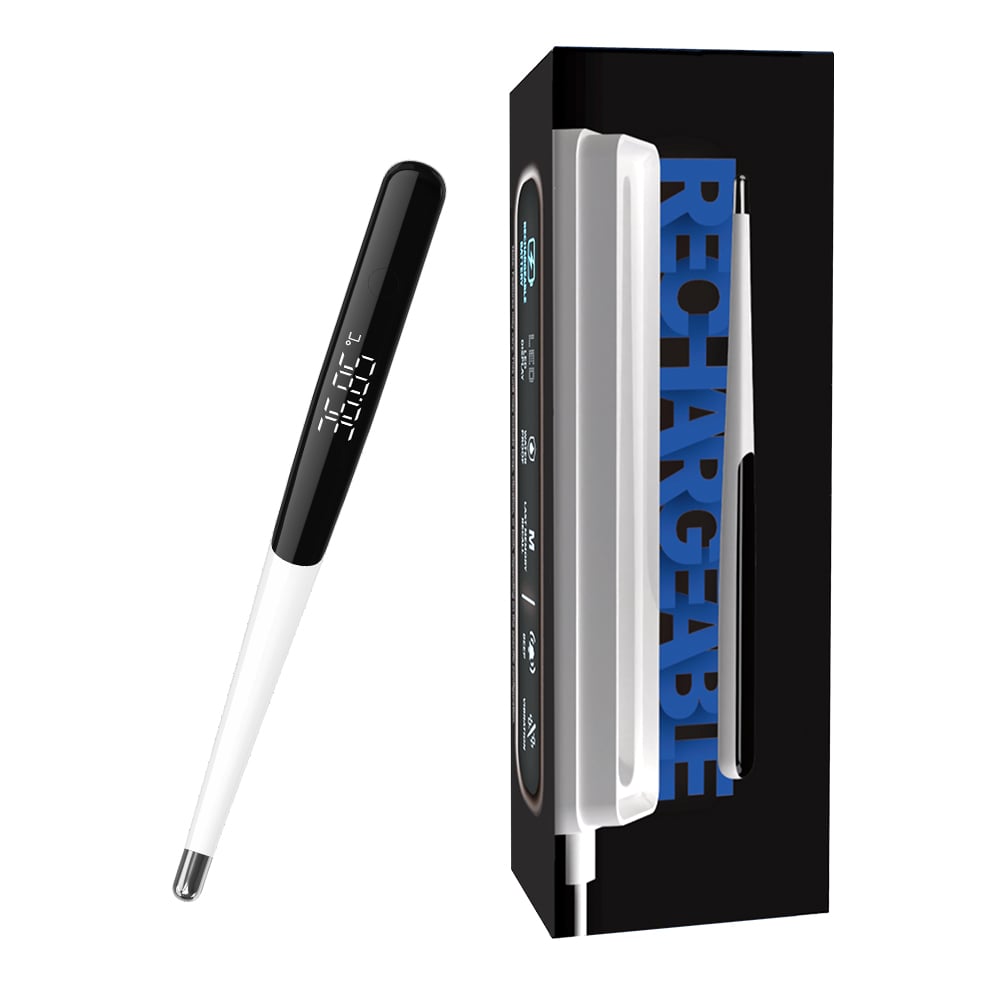
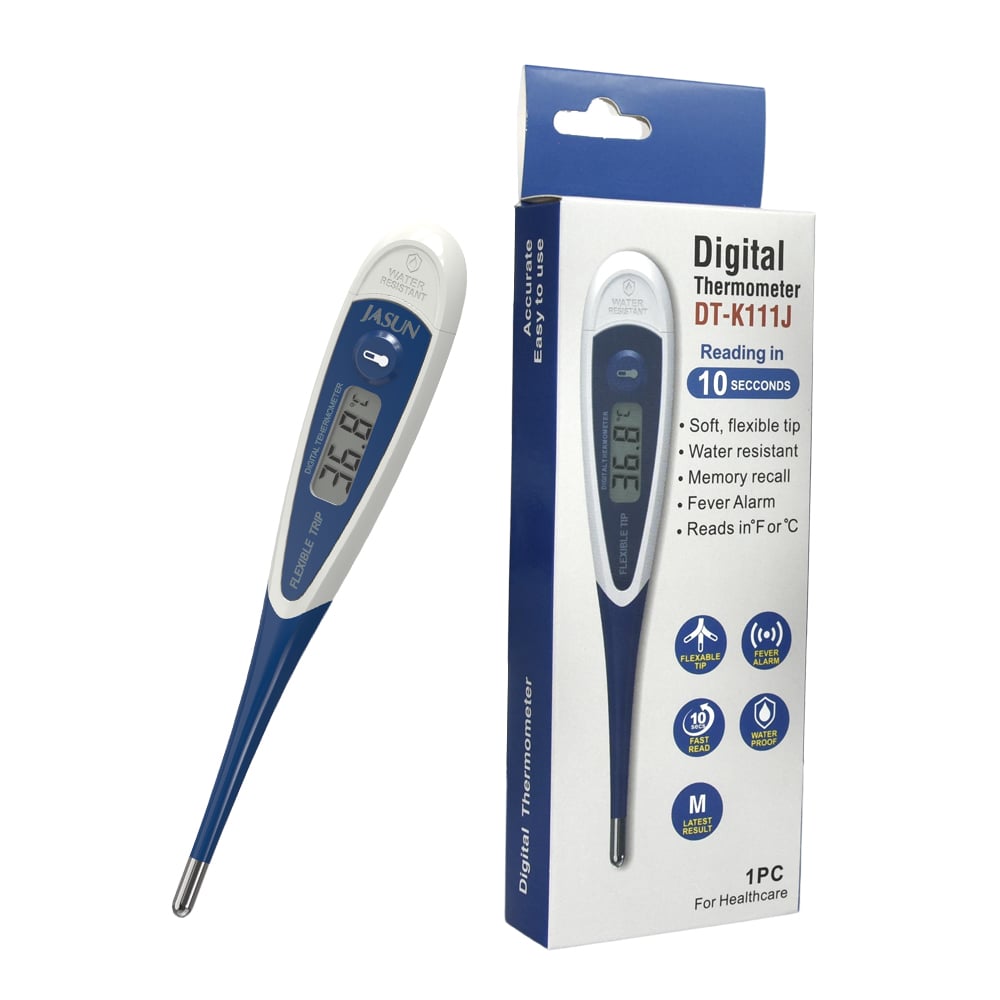
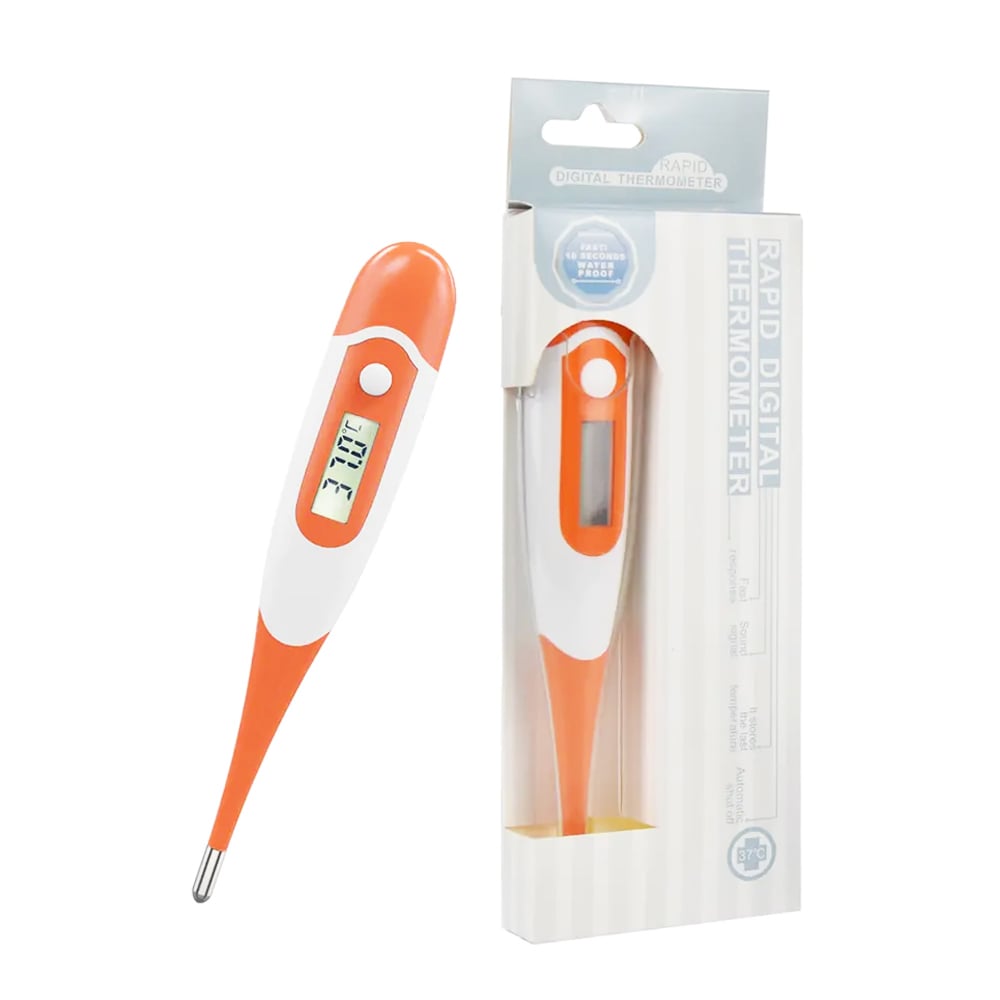
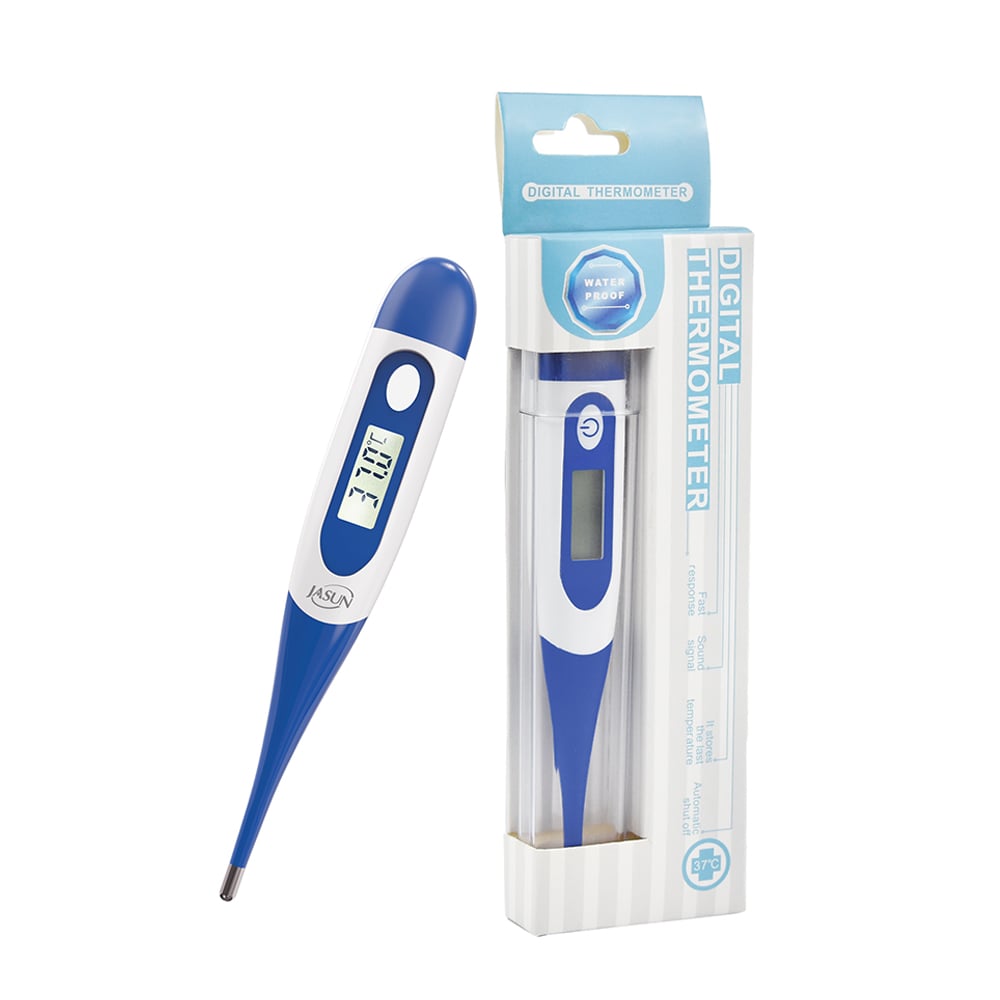
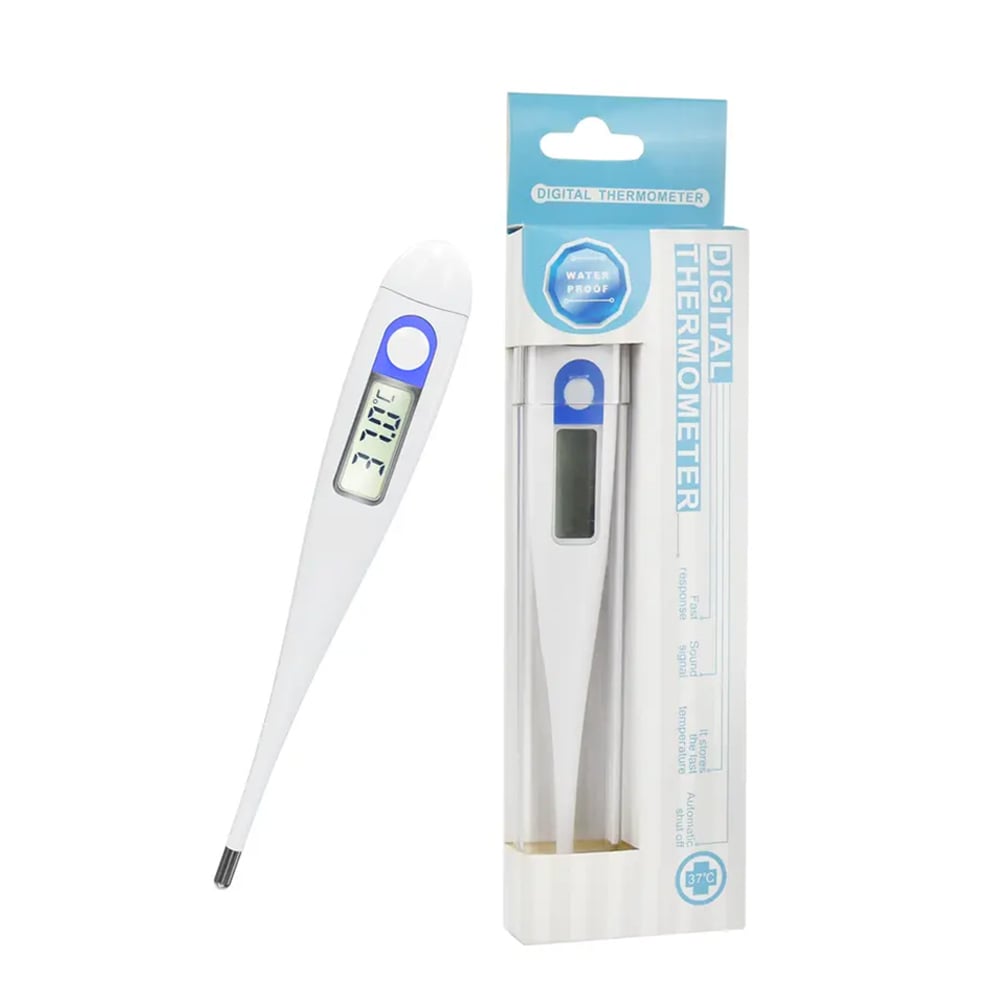
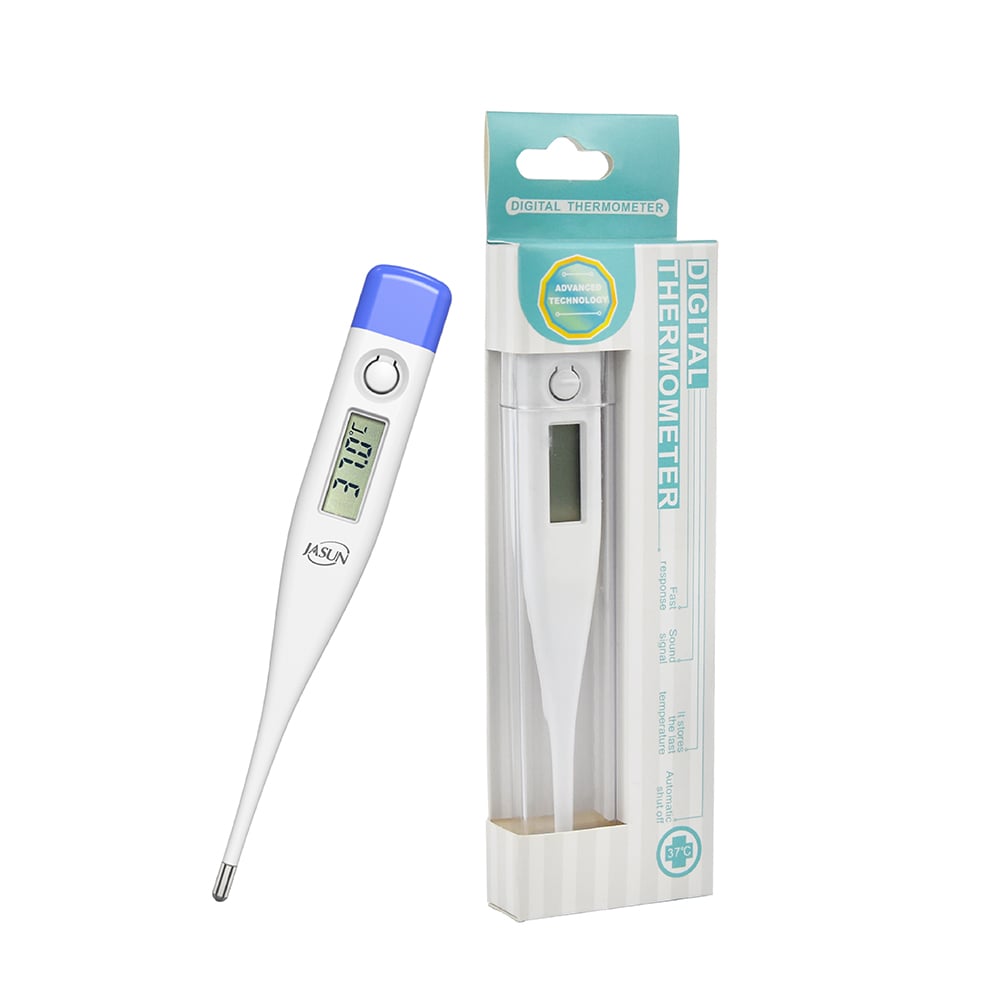
Digital dog thermometers are specialized devices designed to measure the body temperature of dogs accurately, ensuring that pet owners and veterinary professionals can monitor canine health effectively. For B2B buyers, such as veterinary clinics, pet care suppliers, and distributors, the main concerns revolve around product reliability, accuracy, and ease of use. This article will provide essential insights into what to look for when sourcing digital dog thermometer, common issues faced with these devices, their applications in veterinary care, and best practices for use and maintenance.
When selecting a Hangzhou Huaan digital dog thermometer, several key specifications are crucial to ensure accuracy and reliability.
Accuracy and Precision: A thermometer should have an accuracy of ±0.1°C for reliable readings. This level of precision is vital for diagnosing health issues, as small deviations can indicate serious conditions.
Measurement Range: The ideal measurement range for dog thermometers should be between 32°C and 42°C (89.6°F to 107.6°F), accommodating the typical body temperature of dogs, which generally ranges from 38°C to 39.2°C (100.4°F to 102.5°F).
Response Time: Fast response time is important in clinical settings. Look for dog thermometer rectal that provide readings within 10 seconds to minimize discomfort for the dog and expedite the examination process.
Display and Usability: A clear, digital display is essential for easy readability, especially in low-light conditions. Features such as backlighting and large font sizes can enhance usability.
Durability and Water Resistance: Given the potential for exposure to moisture and rough handling, thermometers should be water-resistant and made from durable materials. This ensures longevity and reliable performance in various veterinary settings.
Battery Life: Long battery life is critical for operational efficiency. Thermometers with a battery life of at least 1000 measurements are ideal for busy clinics.
Calibration and Certification: Ensure the thermometer can be calibrated and is certified under relevant standards, such as CE or FDA, which indicates compliance with safety and effectiveness regulations.
By focusing on these specifications, buyers can ensure they choose a digital dog thermometer that meets their operational needs and provides accurate measurements.
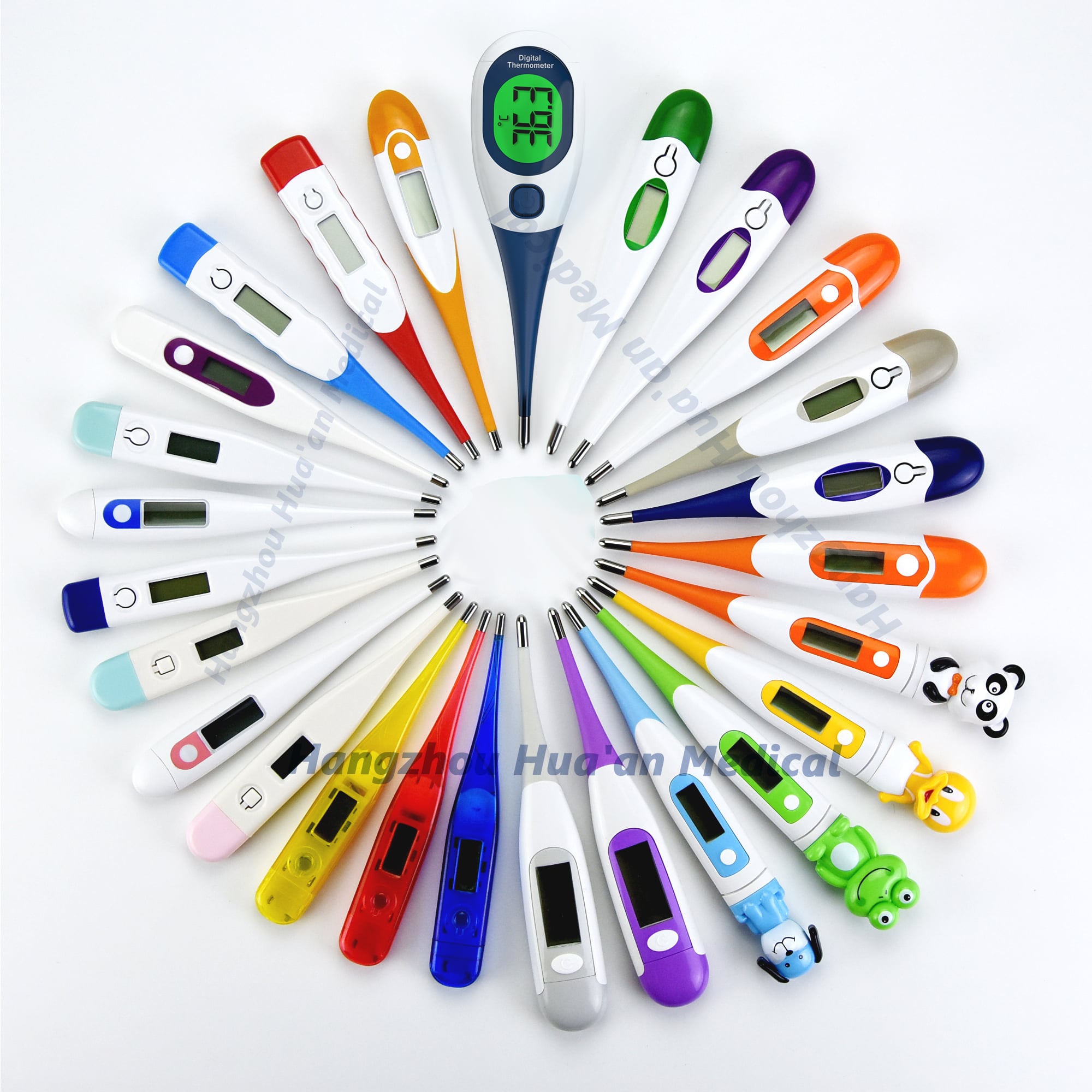
Sourcing digital dog thermometers requires careful consideration of suppliers to ensure quality and reliability. Key sources include:
Established Manufacturers: Partnering with manufacturers that have a proven track record in producing medical instruments, like Hangzhou Huaan Medical Health Instruments Co., Ltd., can provide confidence in product quality. Look for companies with extensive experience, relevant certifications (ISO13485:2003, CE, FDA), and a good reputation in the market.
Trade Shows and Industry Conferences: Attending veterinary or pet care trade shows can give buyers direct access to multiple suppliers, allowing for firsthand evaluation of products and discussions about customization options.
Online Marketplaces and B2B Platforms: Websites like Alibaba or ThomasNet can be useful for finding diverse suppliers. However, due diligence is essential to verify the credibility of suppliers and the quality of their products.
Local Distributors: Establishing relationships with local distributors can also be advantageous as they often provide quicker shipping times and personalized support.
OEM/ODM Options: Buyers seeking unique designs or features can consider suppliers that offer OEM (Original Equipment Manufacturer) or ODM (Original Design Manufacturer) services, allowing for tailored products that meet specific market needs.
When sourcing, ensure to request samples for evaluation, review the supplier's quality control processes, and confirm their ability to meet your order volumes.
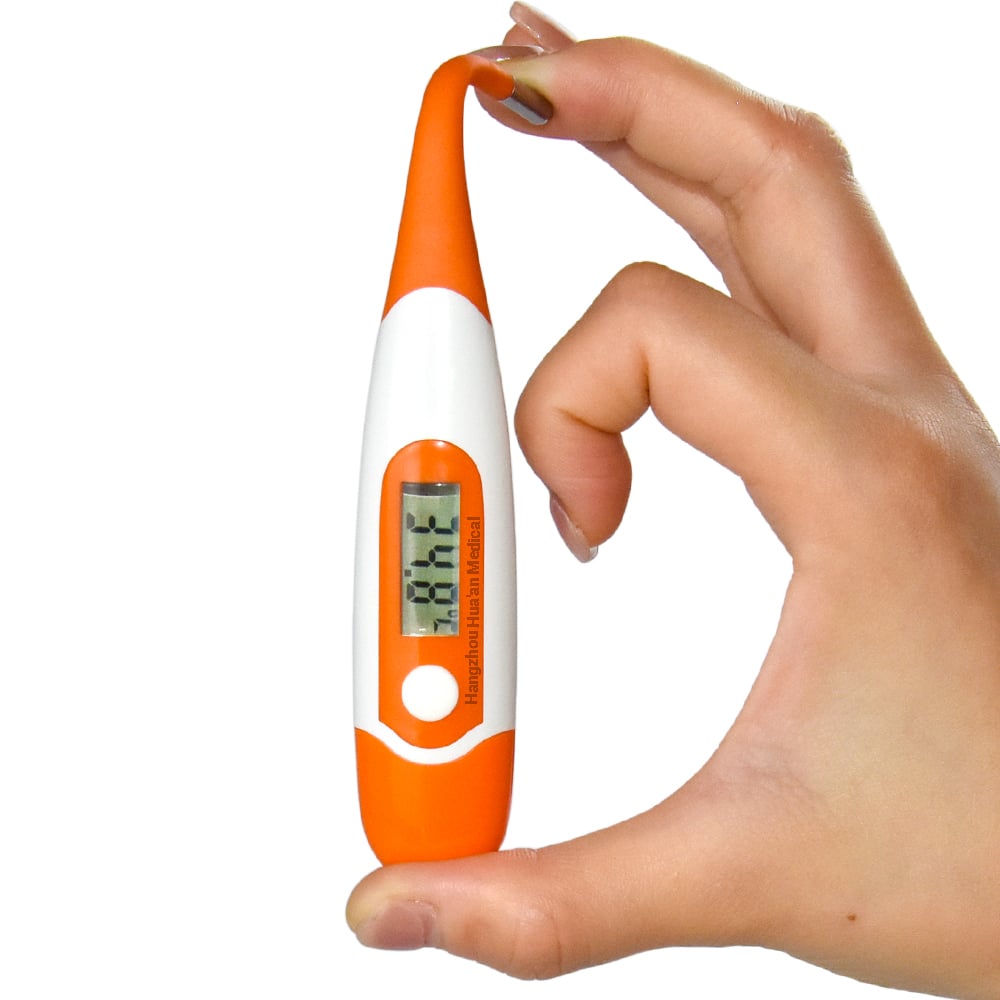
Digital dog thermometers, while generally reliable, can present certain issues. Here are some common problems and their solutions:
Inaccurate Readings: This can occur due to improper usage or calibration issues. Buyers should ensure that users are trained on correct usage techniques, such as proper insertion depth and maintaining the best dog thermometer clean. Regular calibration checks can also help maintain accuracy.
Battery Failures: Thermometers may fail to operate if the battery is low or depleted. Educating users to regularly check battery status and have replacements available can mitigate this issue.
Display Malfunctions: If the display fails to show readings, this might be due to moisture damage or internal faults. Selecting water-resistant models can help prevent such issues. If malfunctions occur, having a warranty or service agreement with the manufacturer can facilitate repairs or replacements.
Difficulty in Use: Some users may find digital thermometers challenging to operate, especially if they have complicated interfaces. Choosing models with intuitive designs and clear instructions can enhance usability.
By being aware of these common problems, buyers can take proactive steps to ensure reliability and user satisfaction.
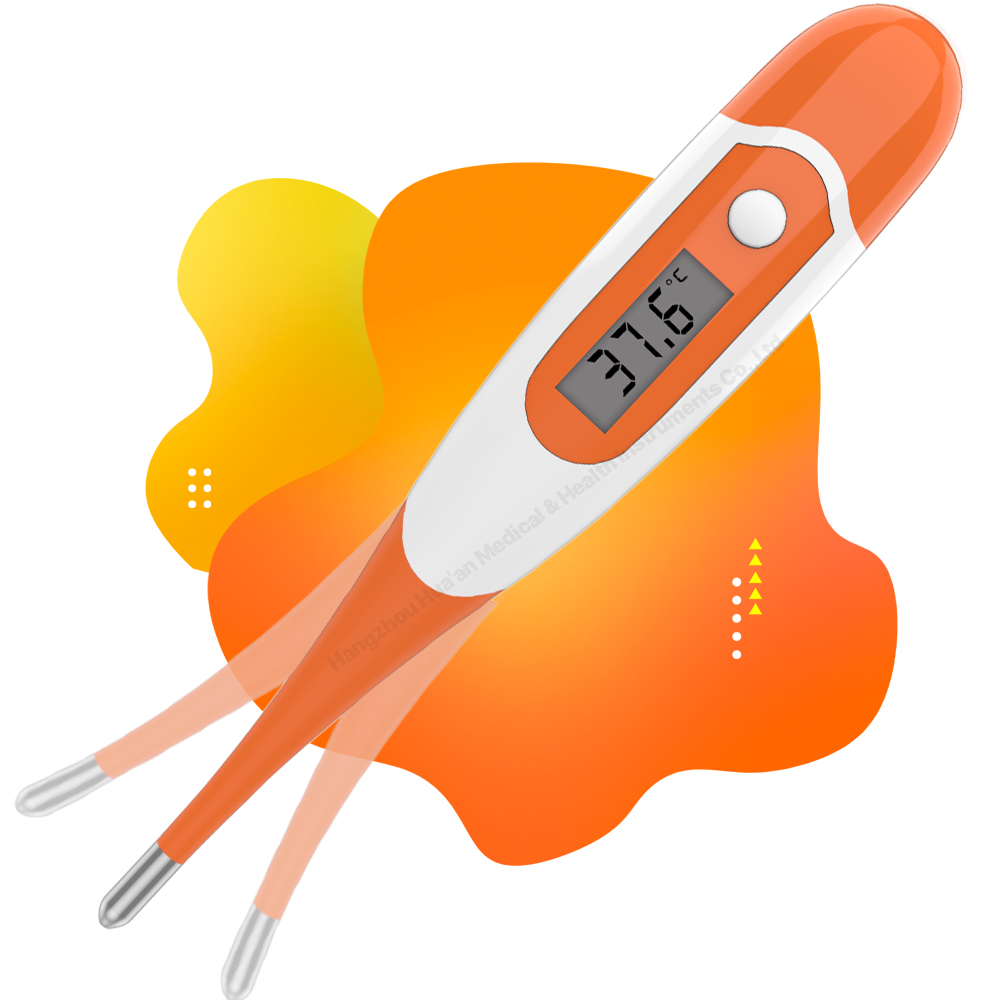
Digital dog thermometers play a vital role in veterinary care, serving various applications:
Routine Health Checks: Regular temperature monitoring is essential for assessing a dog’s general health. Vets often check temperatures during routine examinations to establish baseline health data.
Post-Surgical Monitoring: After surgical procedures, monitoring temperature is critical to detect potential complications such as infections or hypothermia. Quick and accurate temperature readings help veterinarians respond promptly to any abnormalities.
Emergency Situations: In cases of suspected illness or distress, such as heat stroke or shock, a fast temperature reading can aid in diagnosing conditions and deciding on immediate treatment options.
Research and Development: In veterinary studies, accurate temperature measurements are crucial for understanding health trends and developing new treatments.
Integrating digital dog thermometers into veterinary practice enhances clinical outcomes by enabling prompt, informed decision-making based on accurate temperature readings.
To maximize the effectiveness and longevity of Hangzhou Huaan digital dog thermometers, adhere to these best practices:
Regular Calibration: Ensure thermometers are calibrated regularly to maintain accuracy. Follow the manufacturer's guidelines on calibration schedules and procedures.
Proper Cleaning: Clean the thermometer after each use with appropriate disinfectants to prevent cross-contamination. Follow the cleaning instructions provided by the manufacturer.
User Training: Train staff on proper usage techniques, including how to take readings effectively and troubleshoot common issues.
Storage Conditions: Store thermometers in a dry, cool environment to prevent damage from extreme temperatures or humidity.
Documentation and Record Keeping: Maintain detailed records of temperature readings during examinations. This information can provide valuable insights into a pet’s health over time and help in diagnosing recurring issues.
Sample Approval Before Mass Production: When sourcing new models or custom designs, ensure to review and approve samples before committing to large orders. This allows you to check for usability and accuracy under real-world conditions.
By implementing these best practices, buyers can ensure the reliability and efficiency of digital dog thermometers, ultimately enhancing their service offerings in veterinary care.
JASUN is a registered trademark of Hangzhou Hua'an Medical & Health Instruments Co.,Ltd. Your first option for premium thermometer suppliers in China with CE, MDR, ISO13485:2003, FDA and BSCI certificates.
Our location: Building 2,1# Fuzhu Nan RD, Wuchang Town, Yuhang District, Hangzhou, Zhejiang 310023, China
HOURS: 8:30AM - 6:00PM
Copyright © Hangzhou Hua'an Medical & Health Instruments Co.,Ltd. All Rights Reserved Blog Privacy Policy
 EN