
A clinical oral thermometer is a vital instrument in healthcare settings, used for accurately measuring body temperature in patients. For B2B buyers, understanding the specifications, quality control measures, and applications of these thermometers is crucial for making informed purchasing decisions. This article will delve into the key aspects of clinical oral thermometers, addressing buyer concerns such as product specifications, selection criteria, and sourcing options.
When evaluating clinical oral thermometers for wholesale purchase, several specifications are pivotal. These include accuracy, measurement range, response time, and durability.
Accuracy: A clinical oral thermometer should offer a high degree of accuracy, typically within ±0.1°C. This is important to ensure that healthcare providers can make reliable decisions based on the readings.
Measurement Range: Most clinical oral thermometers operate within a range of 34°C to 42°C. Understanding this range is essential, as it determines the thermometer’s applicability in different clinical situations.
Response Time: Buyers should look for thermometers that provide a reading within 10 to 30 seconds. Faster response times enhance the efficiency of patient care, allowing healthcare professionals to quickly assess a patient's condition.
Durability: Given the demanding environments of healthcare facilities, thermometers should be made from robust materials that can withstand frequent use and cleaning. For example, the HUAAN Digital Clinical Thermometer offers durability and precision.
Understanding these specifications will help buyers select the right thermometer that meets their clinical requirements.
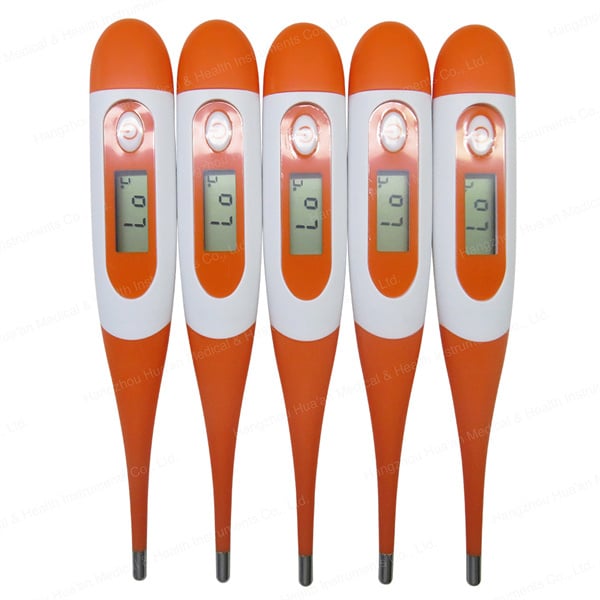
Selecting the appropriate clinical oral thermometer involves considering several key factors that align with your specific business needs:
Target Market: Determine whether your focus is on hospitals, clinics, or home healthcare. Each market may have different requirements regarding thermometer features and pricing.
Customization Needs: Consider whether you require OEM/ODM services for branding or specific features. Hangzhou Huaan Medical Health Instruments Co., Ltd. offers full customization capabilities, allowing buyers to tailor products to meet market demands.
Quality Certifications: Ensure that the thermometers are certified with relevant standards such as CE, ISO13485:2003, and FDA approval. These certifications indicate compliance with safety and quality regulations, which is essential for healthcare applications.
Supplier Reliability: Evaluate potential suppliers based on their manufacturing capabilities and track record. A reliable manufacturer will have robust quality control measures and experience in the industry.
By focusing on these factors, buyers can make informed decisions that align with their business objectives.
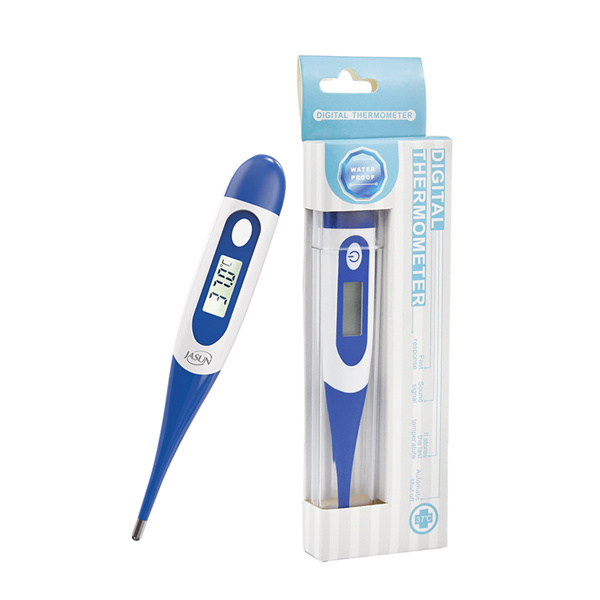
Quality control is paramount in the production of clinical oral thermometers to ensure safety and reliability. Key measures include:
Material Inspection: Prior to production, raw materials must be inspected for compliance with health and safety standards. This includes checking the biocompatibility of materials used in thermometer construction.
In-Process Testing: Throughout the manufacturing process, thermometers should undergo regular testing to ensure they meet specified accuracy and performance standards. This can include calibration checks at different production stages.
Final Product Testing: Before shipping, each batch of thermometers should be tested for accuracy, response time, and durability. This step is crucial to identify any defects that may affect performance.
Understanding these quality control measures can help buyers evaluate suppliers and ensure they are sourcing reliable products.
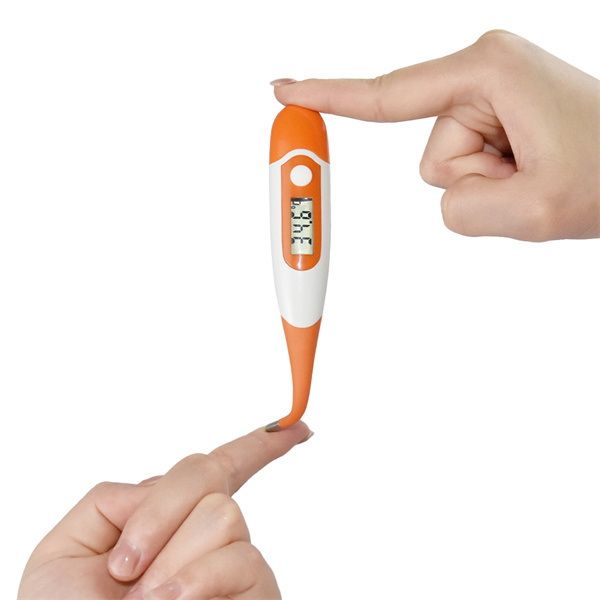
Sourcing clinical oral thermometers in bulk requires careful consideration of potential suppliers. Here are some strategies to identify reliable sources:
Industry Trade Shows: Attending medical and healthcare trade shows can provide direct access to manufacturers and suppliers. This allows buyers to evaluate products firsthand and establish relationships with manufacturers.
Online Marketplaces: Platforms such as Alibaba and Global Sources often feature verified suppliers, allowing for easy comparison of prices and specifications. However, it is essential to conduct thorough due diligence on suppliers' credentials.
Manufacturer Direct: Partnering directly with manufacturers like Hangzhou Huaan Medical Health Instruments Co., Ltd. can offer benefits such as better pricing, customization options, and direct communication regarding product specifications. For instance, their HUAAN Digital Upper Arm Blood Pressure Monitor Machine demonstrates the quality and service they provide.
Referrals and Recommendations: Networking within the industry can yield valuable insights and recommendations for trustworthy suppliers.
By leveraging these sourcing strategies, buyers can find reliable partners for their clinical oral thermometer needs.
Clinical oral thermometers are widely used across various healthcare environments, including:
Hospitals: In hospital settings, these thermometers are essential for monitoring patients' vital signs. Quick and accurate readings can aid in diagnosing fevers or other health issues.
Clinics: Clinics utilize clinical oral thermometers for routine examinations. Their portability and ease of use make them ideal for outpatient care.
Home Healthcare: With the rise of home healthcare services, these thermometers are increasingly used by caregivers to monitor patients in non-clinical settings.
Pharmacies: Retail pharmacies often stock clinical oral thermometers to provide customers with reliable options for at-home use.
Understanding the diverse applications of clinical oral thermometers can help buyers tailor their product offerings to specific market needs and enhance customer satisfaction.
JASUN is a registered trademark of Hangzhou Hua'an Medical & Health Instruments Co.,Ltd. Your first option for premium thermometer suppliers in China with CE, MDR, ISO13485:2003, FDA and BSCI certificates.
Our location: Building 2,1# Fuzhu Nan RD, Wuchang Town, Yuhang District, Hangzhou, Zhejiang 310023, China
HOURS: 8:30AM - 6:00PM
Copyright © Hangzhou Hua'an Medical & Health Instruments Co.,Ltd. All Rights Reserved Blog Privacy Policy
 EN