
Clinical glass thermometers are vital tools in healthcare, providing accurate body temperature measurements essential for diagnosing and monitoring patient health. As a purchasing manager or a distributor in the medical field, your primary concerns may include product accuracy, reliability, quality control, and supplier trustworthiness. This article will guide you through the key specifications for evaluating clinical glass thermometers, quality control processes in manufacturing, where to find reliable suppliers, cost factors to consider, and the applications of these thermometers in healthcare environments.
When assessing clinical glass thermometers, several specifications are crucial for ensuring their performance and reliability:
Accuracy: This is the most critical specification. Clinical thermometers should ideally have an accuracy of ±0.1°C. Inaccurate readings can lead to misdiagnosis and improper treatment.
Scale Range: Most clinical glass thermometers cover a range of 35°C to 42°C. Ensure the thermometer you choose can accurately measure the expected temperature range for your specific applications.
Material: High-quality glass is essential for durability and clarity. Look for thermometers made from borosilicate glass, which offers better resistance to thermal shock.
Graduation: The scale should be clearly marked in both Celsius and Fahrenheit. A finer graduation (e.g., every 0.1°C) allows for more precise readings.
Response Time: The time it takes for a thermometer to stabilize at a temperature is important. Typically, this should be under 3 minutes for clinical use.
Length: The length of the thermometer can affect its usability. A standard length of 12-15 cm is suitable for most clinical applications.
Understanding these specifications will enable you to select the right clinical glass thermometer for your needs, ultimately enhancing patient care. Additionally, you may consider integrating other measuring tools, such as Digital Blood Pressure Monitors, to provide comprehensive patient assessments.
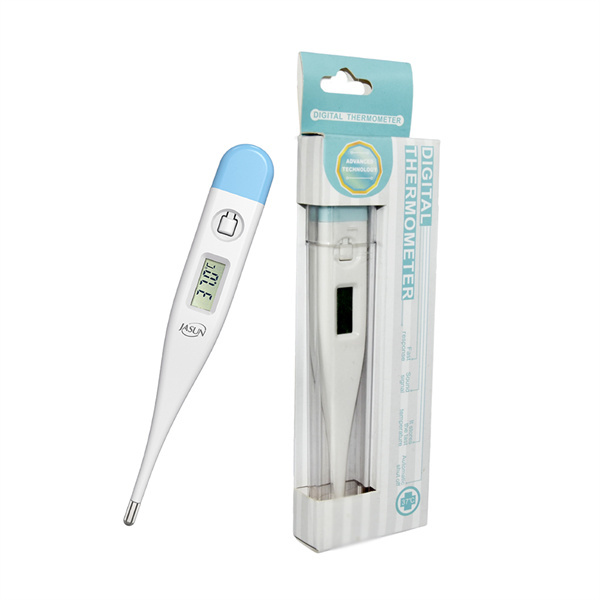
Quality control is paramount in the manufacturing of clinical glass thermometers. A robust quality control process includes several stages:
Material Inspection: Before production, raw materials should be rigorously tested for clarity, strength, and thermal properties. This ensures the final product will withstand daily use and provide accurate readings.
Production Oversight: During manufacturing, regular checks should be conducted to monitor the glass forming process, sealing techniques, and calibration of the thermometers. This is where manufacturers like Hangzhou Huaan Medical Health Instruments Co., Ltd. implement strict protocols to ensure compliance with international standards.
Post-Production Testing: After manufacturing, each thermometer should undergo calibration and performance testing. This step is crucial to verify that the thermometers meet the specified accuracy and response time.
Final Inspection: Before packaging, a final inspection should take place to ensure that there are no defects in the glass or markings. This reduces the chances of returns and enhances customer satisfaction.
A robust quality control system not only increases product reliability but also builds trust with buyers seeking high-quality medical instruments. For instance, Stethoscopes are another essential tool that requires similar quality control measures.
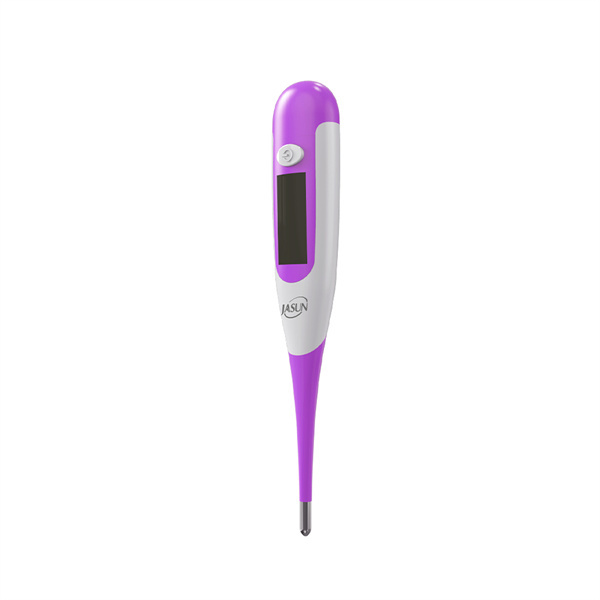
Finding a reliable supplier for clinical glass thermometers involves thorough research and evaluation. Here are some steps to follow:
Industry Trade Shows: Attend medical and pharmaceutical trade shows where manufacturers showcase their products. This gives you an opportunity to meet suppliers, evaluate their offerings, and discuss your specific requirements.
Online Marketplaces: Platforms like Alibaba and Global Sources can be useful for finding suppliers. However, ensure to verify their credentials, certifications (like CE, ISO13485), and customer reviews.
Professional Networks: Utilize your industry connections to get recommendations for reputable manufacturers. Trusted referrals can lead you to suppliers with a proven track record.
Direct Manufacturer Contact: Research manufacturers known for their specialization in medical instruments, such as Hangzhou Huaan Medical Health Instruments Co., Ltd. Direct communication can provide insights into their production capabilities, quality control measures, and customization options.
By carefully vetting potential suppliers, you can ensure that you partner with a manufacturer who meets your quality and reliability standards.
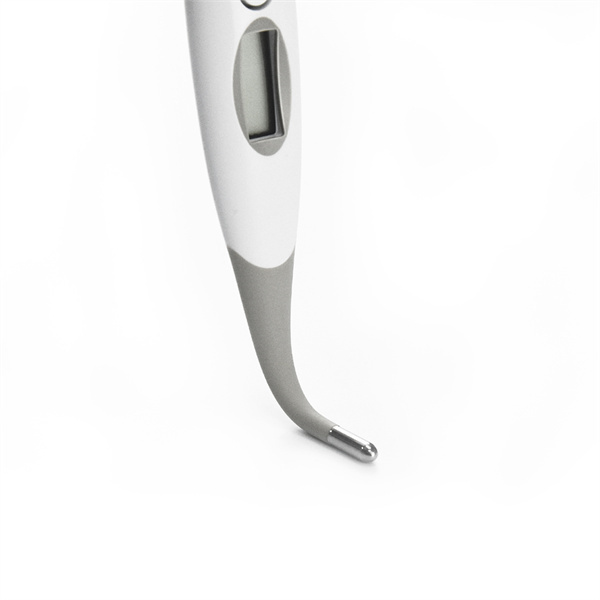
The cost of clinical glass thermometers can vary significantly based on several factors. Understanding these can help you make informed purchasing decisions:
Volume: Ordering in bulk often results in lower per-unit costs. Assess your usage needs to determine the most cost-effective order quantity.
Customization: If you require specific features or branding, be prepared for additional costs. Customization may include unique scales, packaging, or even design modifications.
Certification and Compliance: Thermometers that meet specific regulatory standards will generally cost more due to the rigorous testing and certification processes involved. Ensure that the products you consider have the necessary certifications for your market.
Shipping and Handling: Depending on the supplier's location, shipping costs can impact the total price. Consider logistics and potential duties when calculating the overall expense.
Quality Assurance: Investing in higher-quality thermometers may yield better long-term value despite a higher initial cost. This includes considering factors such as warranty and after-sales support.
Discussing these factors with potential suppliers will help you clarify pricing structures and make better purchasing decisions.
Clinical glass thermometers are widely used in various healthcare settings due to their accuracy and reliability. Here are some key applications:
Hospitals and Clinics: Used for routine checks to monitor patient temperatures, critical for diagnosing infections or other health issues.
Home Healthcare: Increasingly popular for personal use, especially for parents monitoring children's fevers at home.
Pharmacies: Retail pharmacies often provide clinical thermometers to consumers, requiring them to stock reliable and easy-to-use options.
Research Laboratories: Used in clinical trials and research to ensure precise temperature measurements in various experiments.
Veterinary Practices: These thermometers are also utilized in veterinary medicine to monitor animal health.
Each application may have specific requirements regarding accuracy and ease of use. Understanding these applications will help you choose the right thermometer for your intended use, ensuring effective healthcare delivery. </p>
By considering the specifications, quality control measures, supplier reliability, cost factors, and applications of clinical glass thermometers, you will be better equipped to make informed purchasing decisions that meet the needs of your organization and the patients you serve.
JASUN is a registered trademark of Hangzhou Hua'an Medical & Health Instruments Co.,Ltd. Your first option for premium thermometer suppliers in China with CE, MDR, ISO13485:2003, FDA and BSCI certificates.
Our location: Building 2,1# Fuzhu Nan RD, Wuchang Town, Yuhang District, Hangzhou, Zhejiang 310023, China
HOURS: 8:30AM - 6:00PM
Copyright © Hangzhou Hua'an Medical & Health Instruments Co.,Ltd. All Rights Reserved Blog Privacy Policy
 EN