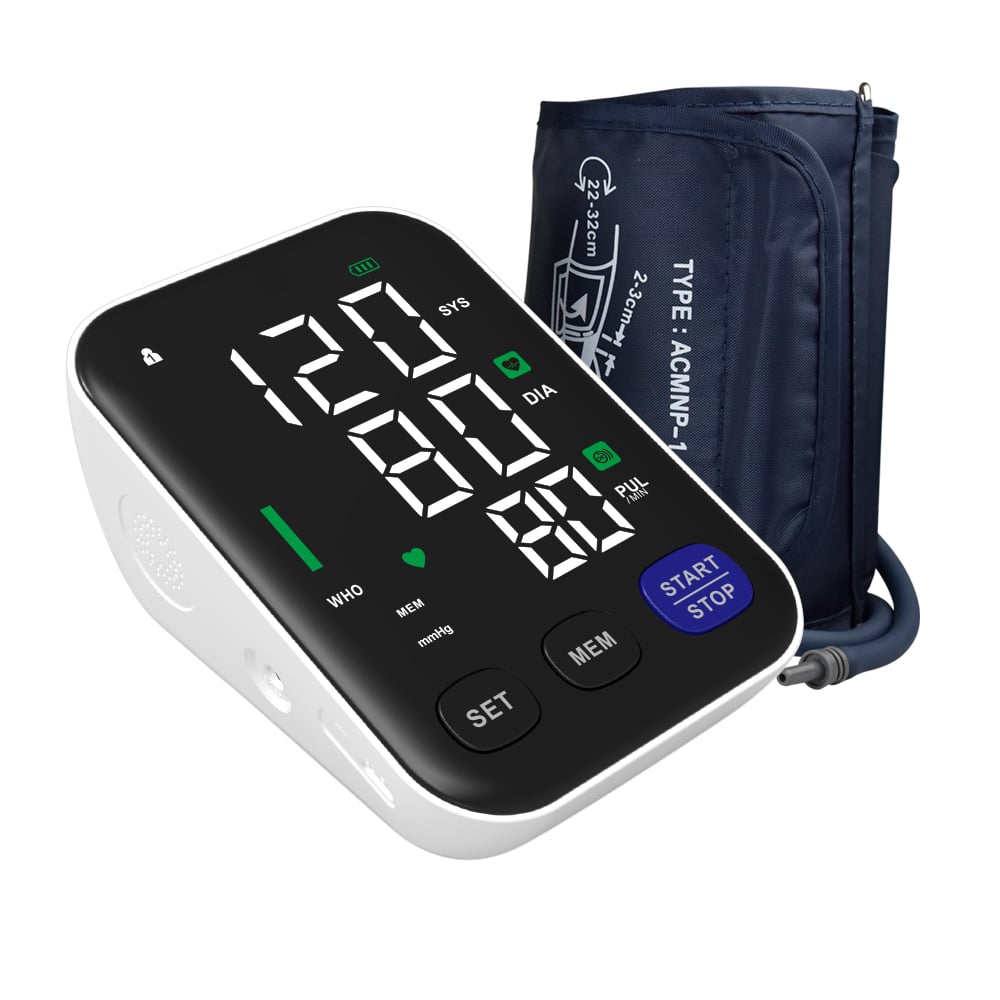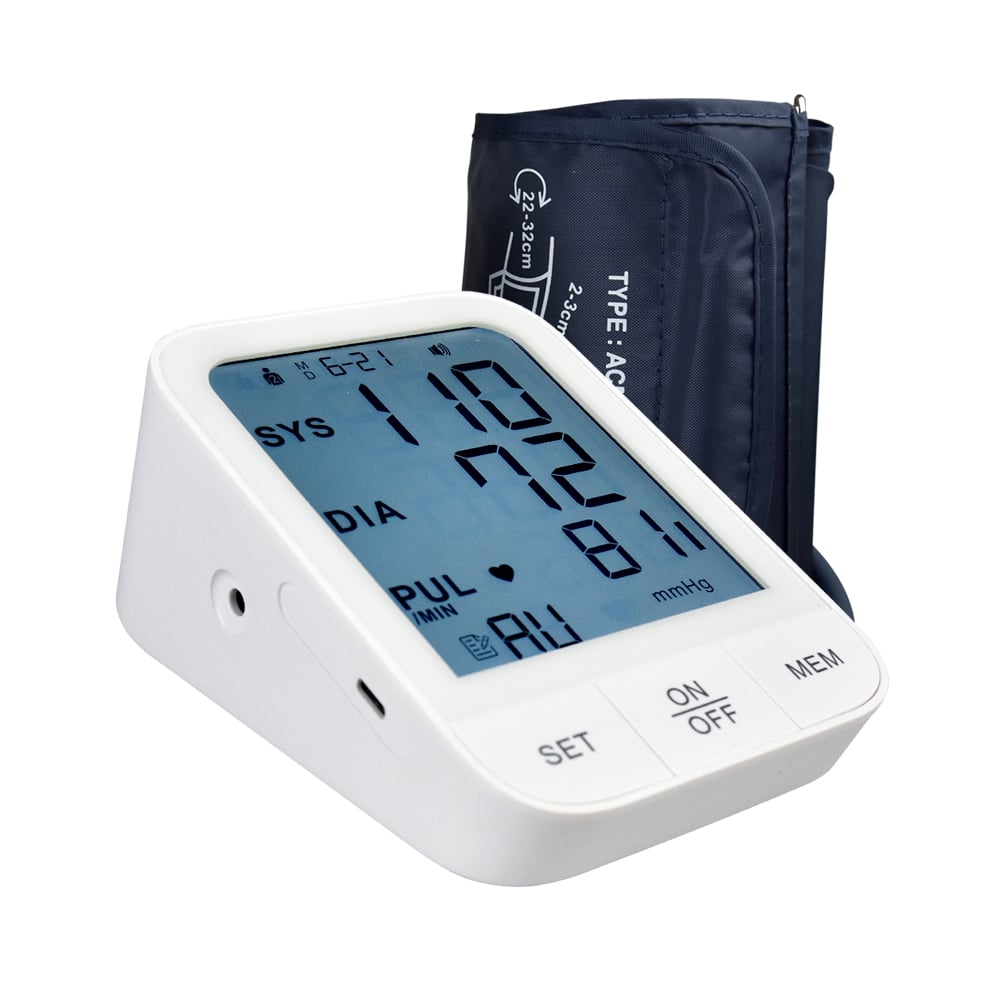
When selecting a BP monitor for your medical practice, hospital, or distribution needs, the reliability of the supplier plays a crucial role. A BP monitor, or blood pressure monitor, is an essential medical device used for measuring blood pressure levels, providing critical information for diagnosis and treatment. B2B buyers, such as purchasing managers and medical wholesalers, often have concerns regarding product accuracy, compliance with medical standards, and the overall value of their investment. This article aims to guide you through the vital considerations when choosing a reliable BP monitor supplier, evaluating costs and value, finding trusted manufacturers, and understanding key features and material advantages.
Choosing a reliable BP monitor supplier involves several critical factors. First and foremost, assess the manufacturer’s certifications and compliance with international standards such as CE, ISO13485:2003, and FDA regulations. These certifications indicate the supplier's commitment to quality and safety, essential for medical devices.
Next, consider the supplier's manufacturing capabilities. A supplier with robust R&D and OEM/ODM capabilities can provide customized solutions tailored to specific needs, which can be an advantage in a competitive market. Evaluate their production process, including quality control measures that ensure the accuracy and reliability of the BP monitors. Moreover, inquire about their experience in serving global markets, as established suppliers are often more reliable.
Finally, assess customer service and support. A supplier that offers comprehensive post-sale support and is responsive to inquiries can significantly enhance your purchasing experience.
When evaluating the cost and value of BP monitors for resale, consider not only the purchase price but also the total cost of ownership. Factors such as durability, maintenance requirements, and warranty terms play a significant role in the overall value proposition. For instance, a BP monitor with a higher upfront cost may offer superior accuracy and longevity, resulting in lower replacement and maintenance costs over time.
Additionally, compare the features offered by different monitors. Features such as automatic inflation, digital displays, and memory functions can add value and appeal to potential customers. Understanding the specific needs of your target market is crucial; for example, monitors designed for home use may require different features compared to those intended for clinical environments.
Finally, consider the minimum order quantity (MOQ) and potential for bulk discounts. Negotiating favorable terms can further improve your margins and overall profitability.
Finding trusted manufacturers of BP monitors for wholesale can be done through various channels. Industry trade shows and exhibitions are excellent places to meet suppliers face-to-face, allowing you to inspect their products and discuss your specific needs. Online B2B marketplaces also provide a platform for comparing different manufacturers and reviewing their product offerings.
Networking within industry associations or professional groups can also lead to valuable recommendations. Engaging with peers who have experience with specific suppliers can help you identify reputable manufacturers.
When you identify potential suppliers, request samples to evaluate product quality firsthand. This allows you to assess the performance and reliability of the BP monitors before making a larger investment.
When selecting BP monitors, understanding the features and benefits is crucial. Key features to look for include:
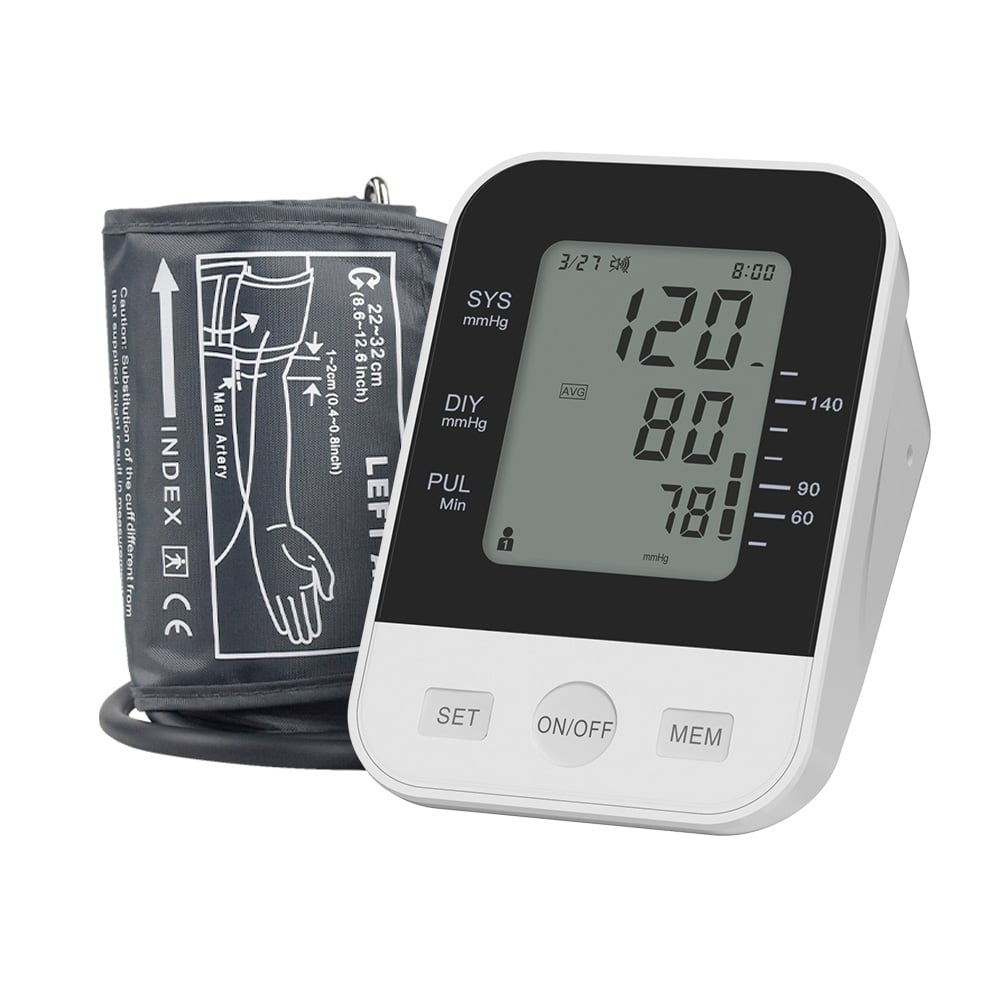
Accuracy: A reliable BP monitor should provide precise measurements. Look for models that have undergone clinical validation. Ease of Use: User-friendly interfaces, such as large displays and intuitive controls, can enhance the user experience, especially in busy clinical settings. Durability: The materials used in the construction of the BP monitor should withstand regular use. Look for devices that are built with high-quality, durable components. Portability: Many BP monitors are designed for portability, making them suitable for home healthcare or field use. Lightweight designs and battery operation can be beneficial. Data Storage: Some models offer memory functions that allow users to store previous readings, which can be helpful for tracking patient progress over time.
Understanding these features will help you select BP monitors that meet the specific needs of your clientele, whether they are medical professionals or patients.
The materials used in the manufacturing of BP monitors can significantly impact their overall quality and performance. For instance, high-grade plastics and metals are essential for the durability and longevity of the device. The choice of materials can also influence the device’s accuracy; for example, sensors made from high-quality components can yield more reliable measurements.
Additionally, consider the environmental impact of the materials. Manufacturers that utilize eco-friendly materials may appeal to a growing segment of environmentally conscious customers. The choice of materials can also affect the device's weight, portability, and ease of use, making it crucial to select a supplier that prioritizes material quality.
Moreover, inquire about the manufacturer's quality control processes. This includes how they test their products for accuracy and durability, as well as their approach to addressing any defects or issues that may arise during production. A manufacturer with a strong focus on quality assurance is more likely to provide reliable and effective BP monitors.
In summary, making an informed decision about BP monitors requires careful consideration of supplier reliability, product features, and material quality. By focusing on these key areas, B2B buyers can ensure they choose the best products to meet their needs and those of their customers.
JASUN is a registered trademark of Hangzhou Hua'an Medical & Health Instruments Co.,Ltd. Your first option for premium thermometer suppliers in China with CE, MDR, ISO13485:2003, FDA and BSCI certificates.
Our location: Building 2,1# Fuzhu Nan RD, Wuchang Town, Yuhang District, Hangzhou, Zhejiang 310023, China
HOURS: 8:30AM - 6:00PM
Copyright © Hangzhou Hua'an Medical & Health Instruments Co.,Ltd. All Rights Reserved Blog Privacy Policy
 EN