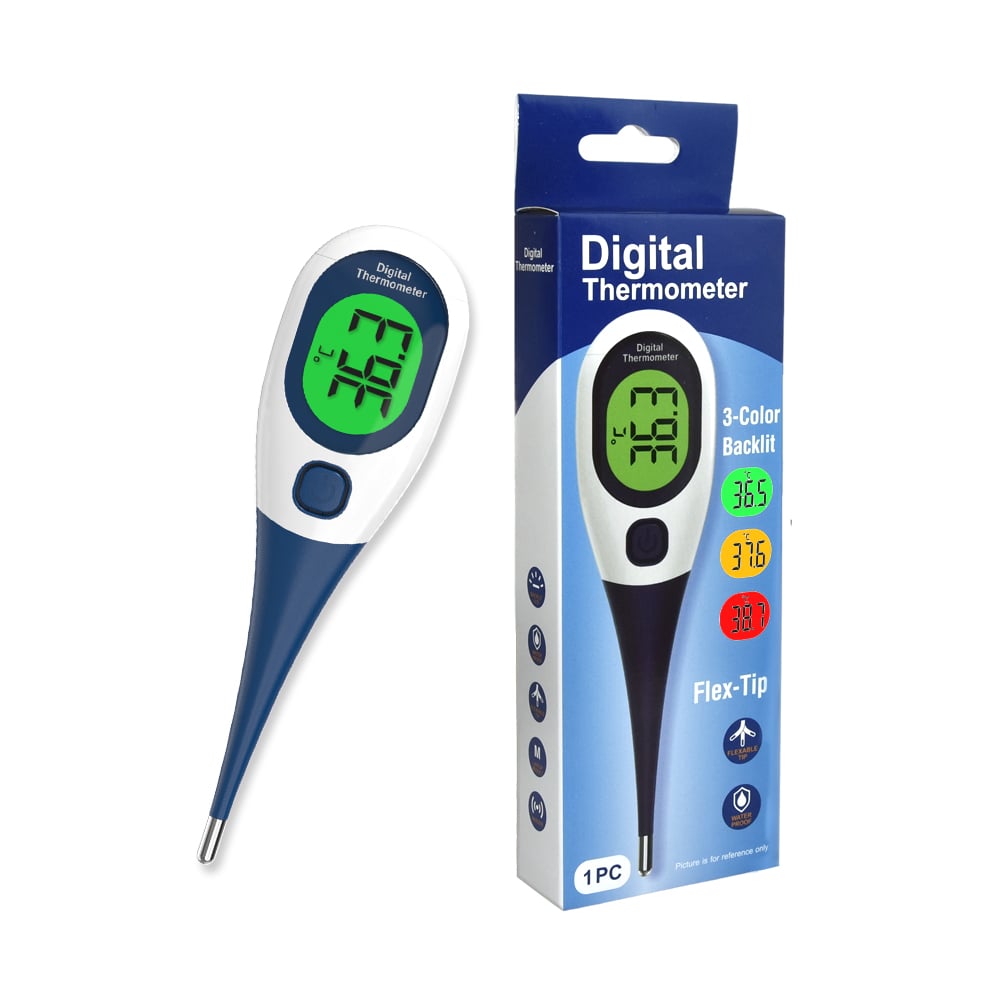
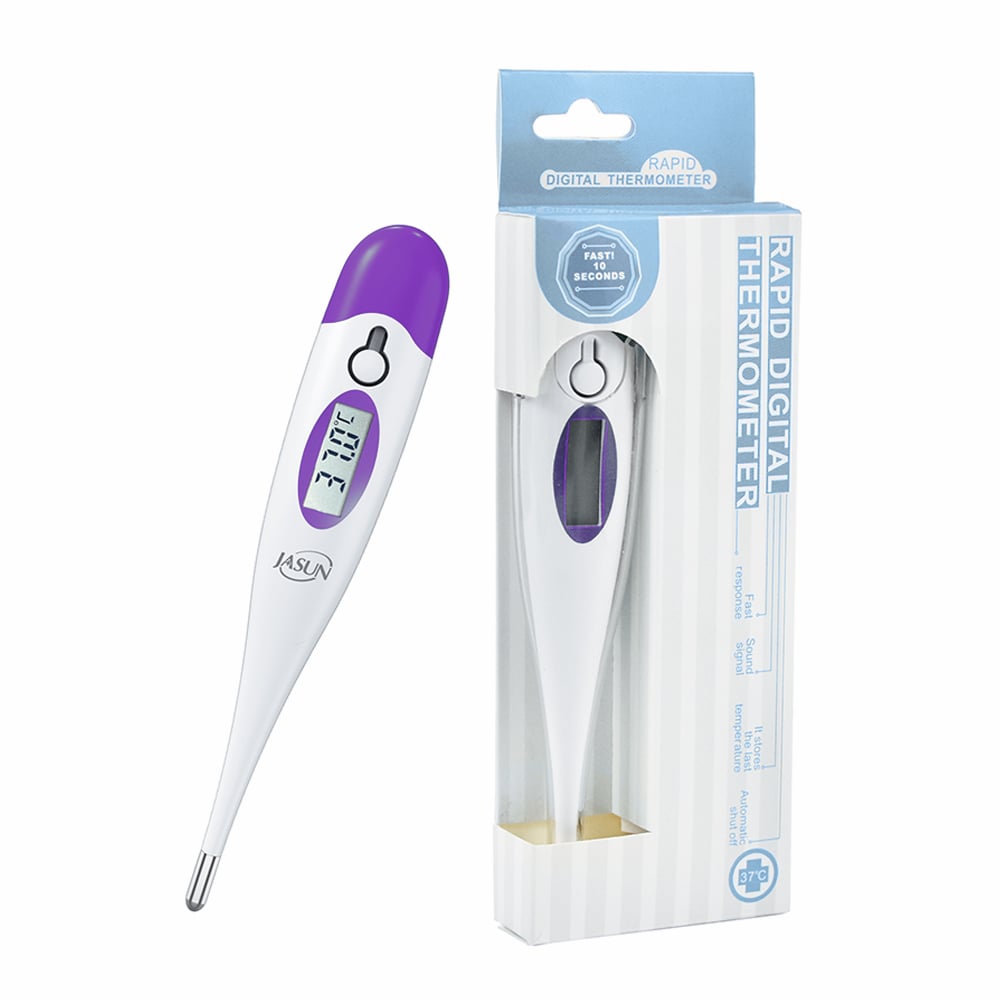
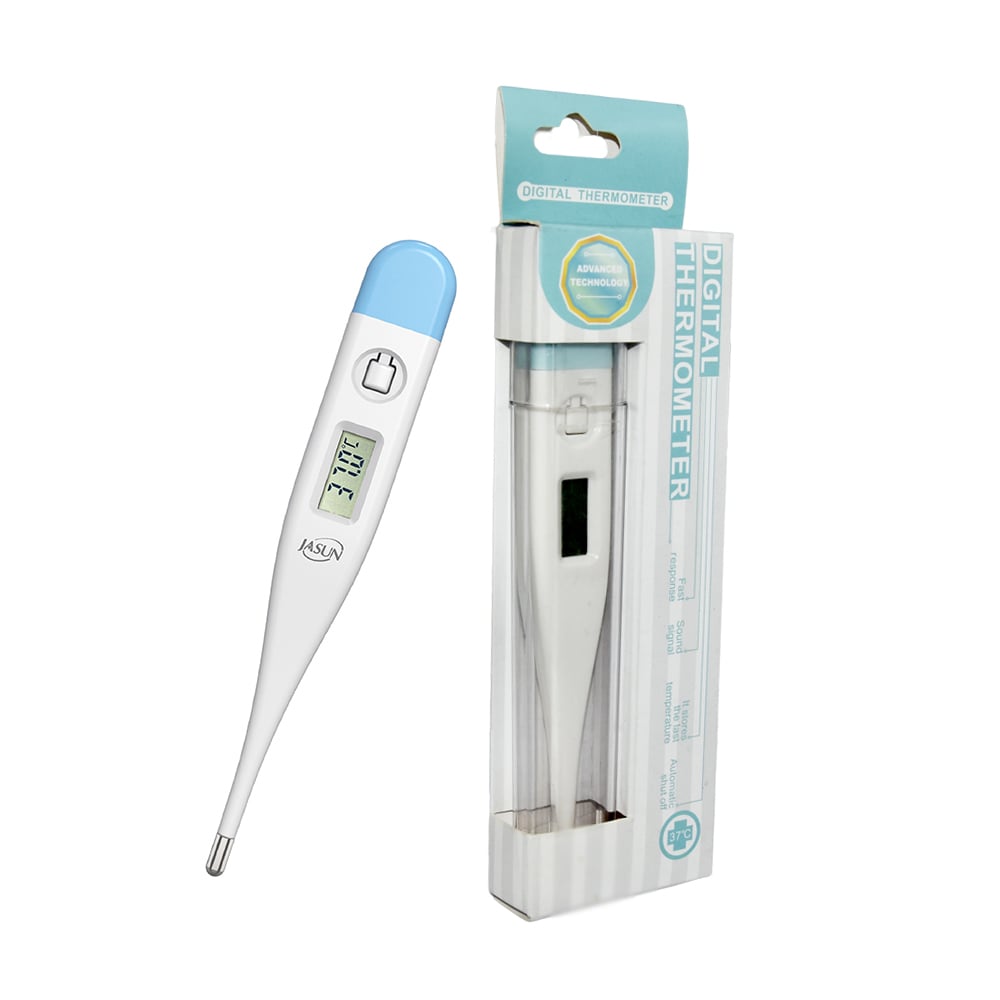
Medical thermometers are essential devices used for accurately measuring body temperature across various healthcare settings. With rising demand for precision and reliability, understanding the features of the best medical thermometer is crucial for B2B buyers, including purchasing managers and healthcare providers. This article will delve into key specifications, cost factors, common problems and solutions, applications, and comparisons of different types of medical thermometers, helping you make informed purchasing decisions.
When sourcing medical thermometers, several key specifications should be prioritized to ensure product reliability and effectiveness:
Accuracy: A high-quality thermometer should have an accuracy of ±0.2°C or better. This precision is vital in medical settings, where even slight deviations can lead to misdiagnosis.
Response Time: The response time, or how quickly the thermometer provides a reading, is another crucial specification. A medical infrared thermometer with a response time of less than 10 seconds is generally preferred for its efficiency, especially in busy clinical environments.
Measurement Range: Ensure the thermometer can measure a broad range of temperatures, typically from 32°C to 42°C, to accommodate various patient needs.
Display Type: Digital displays that are easy to read are preferable. Features like backlighting and large fonts enhance usability, especially in low-light conditions.
Battery Life: Long battery life reduces the frequency of replacements, thus minimizing downtime. Look for thermometers that offer at least 1000 measurements on a single battery.
Materials: The materials used, particularly for the probe, impact durability and comfort. High-quality plastic or medical-grade stainless steel is often used to ensure safety and ease of cleaning.
By focusing on these specifications, importers can ensure that the medical thermometers they procure meet industry standards and user needs.
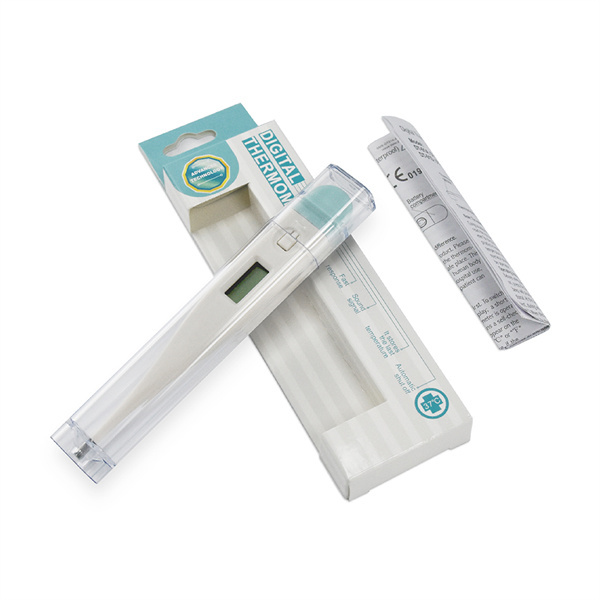
Understanding the cost factors associated with medical thermometers is critical for making informed purchasing decisions. Key aspects to consider include:
Unit Price: The cost of individual units can vary significantly based on brand, features, and quality. It's essential to balance cost with the specifications that meet your requirements.
Minimum Order Quantity (MOQ): Suppliers often set an MOQ that can affect total costs. Buyers should evaluate whether the MOQ aligns with their needs and budget.
Shipping Costs: Import fees and shipping costs can add to the overall expenditure. Buyers should factor these into their total budget, especially when importing from overseas manufacturers.
Customization Charges: If specific branding or product features are required, additional customization fees may apply. Understanding these costs upfront helps in negotiating better prices.
Warranty and Support: Some suppliers offer extended warranties or after-sales support, which can influence overall value. A higher upfront cost may be justified if it includes reliable support and warranty coverage.
By analyzing these cost factors, B2B buyers can negotiate better deals and make more cost-effective purchasing decisions.
Medical thermometers can present several common issues that may affect their performance. Here are some challenges and practical solutions:
Inaccurate Readings: This can occur due to improper calibration or user error. To mitigate, ensure that the thermometer is calibrated regularly as per manufacturer guidelines and that users are trained on correct usage techniques.
Battery Failures: Frequent battery replacements can be a hassle. Opt for models with long battery life and consider keeping a stock of compatible batteries on hand.
Damage During Use: Thermometers, especially handheld models, can be prone to drops and damage. Investing in protective cases or choosing models with rugged designs can enhance durability.
Cleaning and Maintenance: Ensure that thermometers are easy to clean to maintain hygiene standards. Models with removable and washable parts or those made from materials that withstand disinfectants are preferable.
Compatibility with Different Patient Types: Some digital medical thermometer may not be suitable for all patient demographics (infants vs. adults). It’s crucial to select thermometers that cater to the specific patient group you serve.
Addressing these common problems proactively can enhance user satisfaction and ensure accurate temperature measurements.
Medical thermometers are utilized in diverse healthcare environments, each with unique requirements:
Hospitals: In emergency rooms and critical care units, rapid and accurate temperature readings are essential. Digital thermometers that provide quick results are preferred.
Clinics: General practice clinics benefit from versatile thermometers that can measure temperatures in both adults and children. Non-contact infrared thermometers are commonly used for their ease of use.
Home Healthcare: For patients under home care, convenience is key. User-friendly, digital thermometers that give quick readings are ideal for caregivers.
Pharmacies: Pharmacies often sell medical thermometers but may also provide temperature screening services. Having reliable models on hand for customer use can enhance service offerings.
Research Facilities: In clinical research, precise temperature monitoring is vital. Research-grade thermometers that ensure high accuracy and data logging capabilities are necessary for these applications.
Understanding the specific applications of thermometers helps buyers select the right models for their operational needs.
There are several types of medical thermometers available, each suitable for different applications. Here’s a comparison of the most common types:
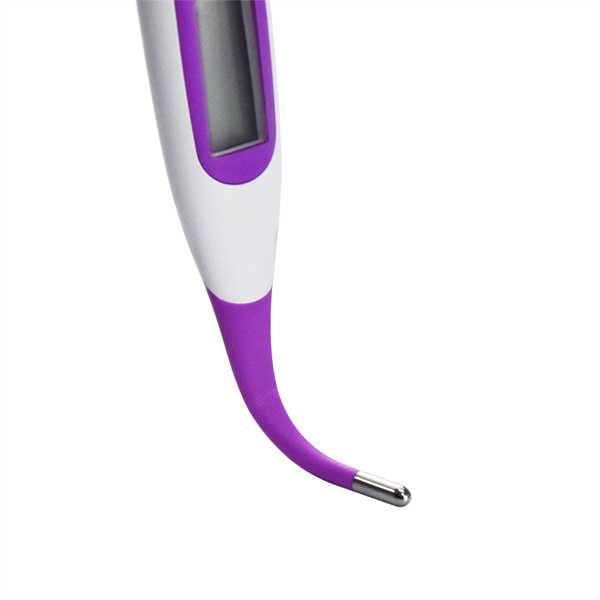
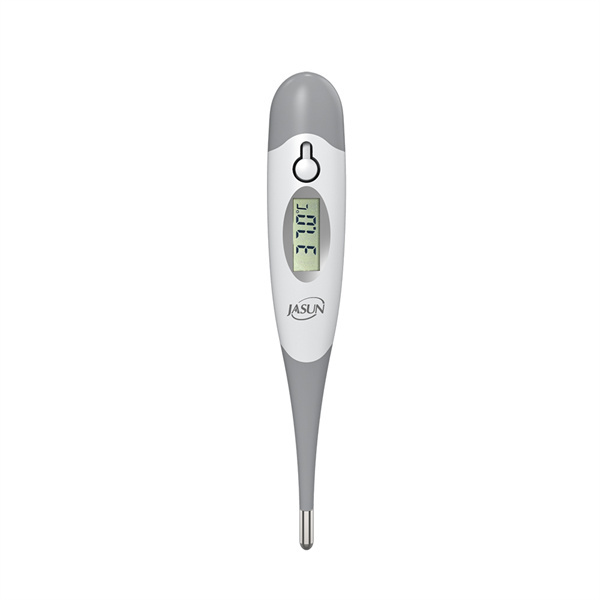
Digital Thermometers: Known for their speed and accuracy, these thermometers provide readings within seconds. They are versatile and can be used for oral, rectal, or axillary measurements.
Infrared Thermometers: These non-contact devices provide rapid temperature readings without direct contact, making them ideal for screening large populations and reducing cross-contamination risks.
Ear (Tympanic) Thermometers: Designed for quick readings in the ear canal, these thermometers are suitable for children but may not be as accurate in adults if used incorrectly.
Glass Thermometers: While less common today, these traditional thermometers are still used in some settings. They require careful handling and are typically slower in providing readings.
Wearable Thermometers: Emerging technology allows for continuous temperature monitoring through wearable devices. These are particularly useful in outpatient settings and for chronic condition management.
When selecting a type of thermometer, consider factors such as intended use, patient demographics, and the need for accuracy versus speed. By understanding the strengths and weaknesses of each type, buyers can better match their needs with the right products.
JASUN is a registered trademark of Hangzhou Hua'an Medical & Health Instruments Co.,Ltd. Your first option for premium thermometer suppliers in China with CE, MDR, ISO13485:2003, FDA and BSCI certificates.
Our location: Building 2,1# Fuzhu Nan RD, Wuchang Town, Yuhang District, Hangzhou, Zhejiang 310023, China
HOURS: 8:30AM - 6:00PM
Copyright © Hangzhou Hua'an Medical & Health Instruments Co.,Ltd. All Rights Reserved Blog Privacy Policy
 EN