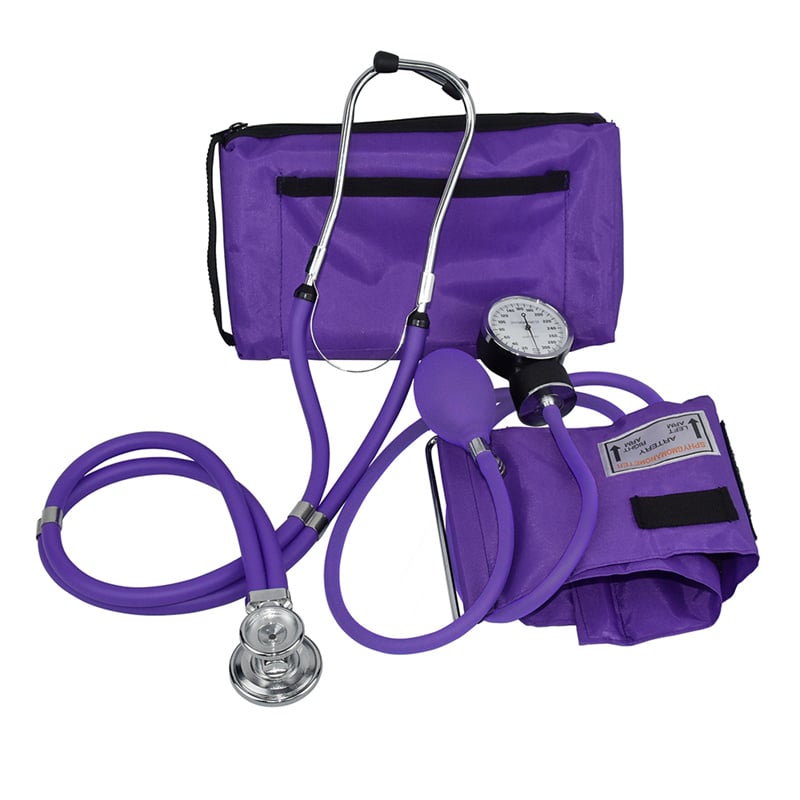
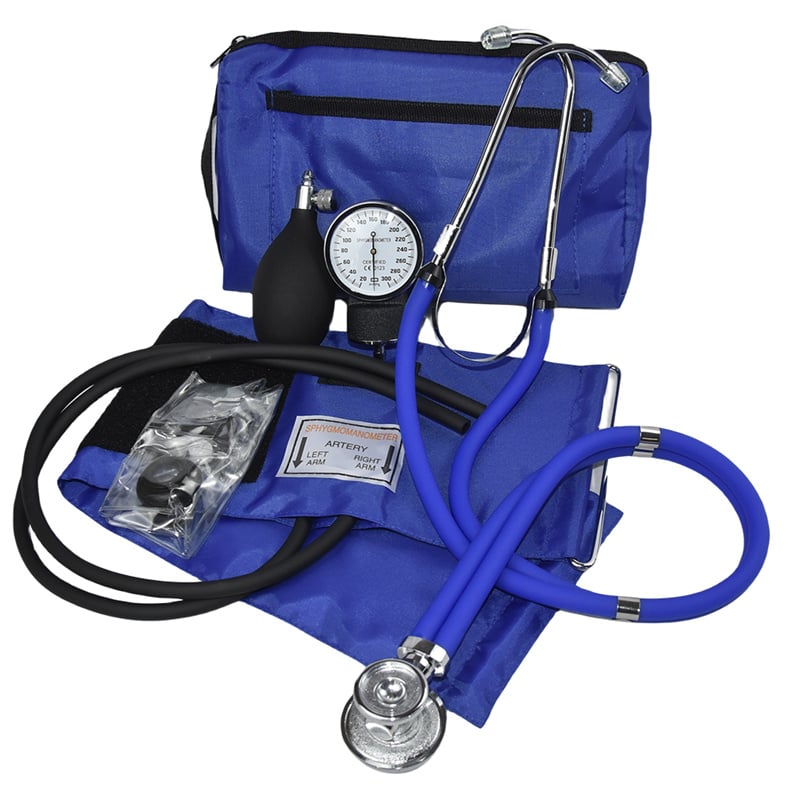
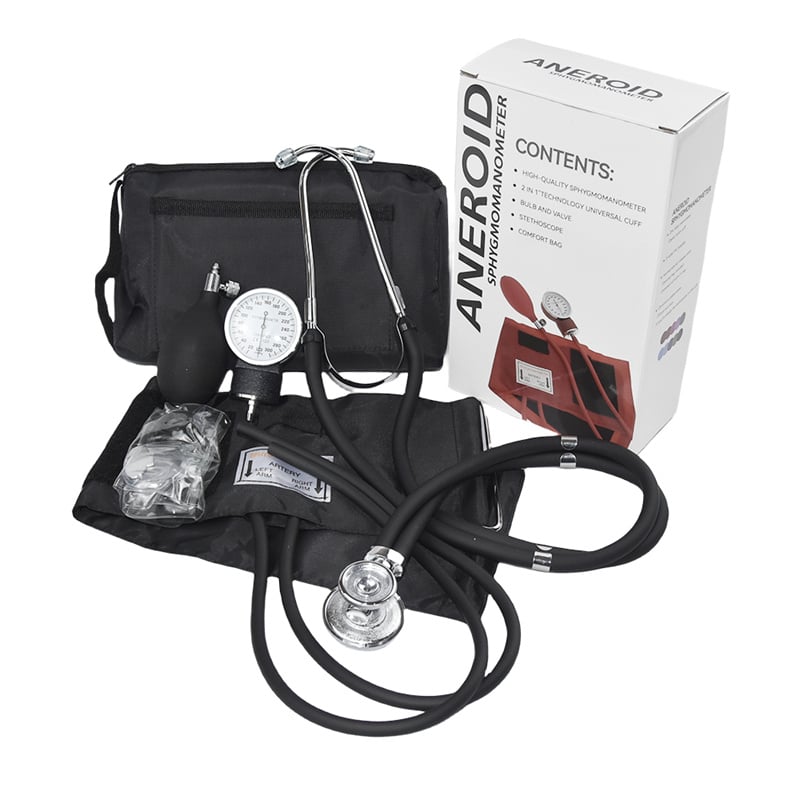
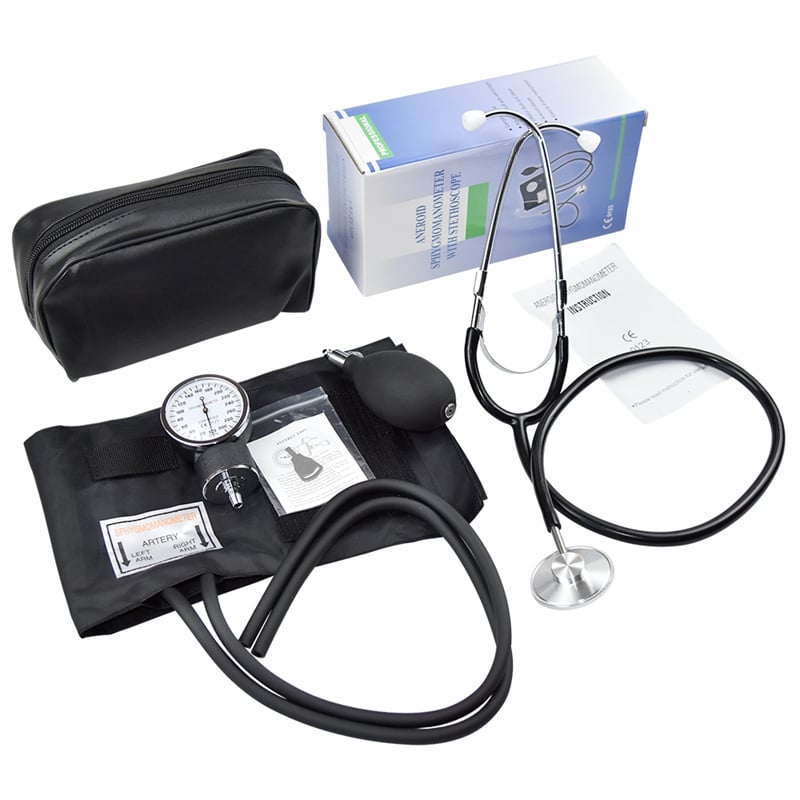
Automatic digital sphygmomanometers are essential medical devices used to measure blood pressure accurately and conveniently. For B2B buyers such as purchasing managers, wholesalers, and healthcare professionals, understanding the key specifications, quality control measures, and application suitability of these devices is crucial for making informed purchasing decisions. This article will explore the vital aspects of automatic digital aneroid sphygmomanometer, helping you navigate selection criteria, manufacturing standards, and practical applications in healthcare environments.
When evaluating automatic digital sphygmomanometers, several key specifications warrant careful consideration:
Measurement Range: The device should have a wide measurement range, typically between 0 to 300 mmHg, to accommodate various patient needs. Understanding the range ensures that the device can reliably measure blood pressure across different demographics.
Accuracy: Accuracy is paramount in blood pressure measurement. Look for devices that conform to international standards such as the ISO 81060-1 and have been validated through clinical studies. An accuracy of ±3 mmHg is generally acceptable for most applications.
Cuff Size and Type: Different patients require different cuff sizes. Ensure the aneroid sphygmomanometer with stethoscope comes with a range of cuff sizes or has adjustable cuffs to fit the intended patient population. Cuffs should also be made from comfortable and durable materials.
Display Features: A clear, backlit display can enhance usability, particularly in low-light conditions. Consider devices that offer large fonts and easy-to-read metrics for quick interpretation.
Power Source: Many automatic digital sphygmomanometers operate on batteries, while others may have an AC power option. Evaluate the intended use environment to determine which power source is most practical.
Memory Functionality: Some models come with memory storage for tracking previous measurements. This feature is especially useful in clinical settings for monitoring patient progress over time.
By understanding these specifications, buyers can better assess the suitability of different models for their specific needs.
Quality control is critical in the manufacturing of automatic digital sphygmomanometers to ensure accuracy, reliability, and safety. Here are some measures typically implemented in the manufacturing process:
Material Selection: High-quality materials are essential for reliability. Manufacturers should use medical-grade components that can withstand frequent use and cleaning. For example, the cuff material should be latex-free to prevent allergic reactions.
Testing Procedures: Rigorous testing protocols should be in place, including calibration tests, accuracy validation, and performance assessments under various conditions. Testing against standardized benchmarks ensures compliance with regulatory requirements.
ISO Certification: Look for manufacturers holding ISO 13485:2003 certification, which indicates adherence to quality management systems specific to medical devices. This certification reflects a commitment to maintaining high-quality manufacturing standards.
In-Process Inspections: Continuous monitoring during production helps identify and rectify issues early in the manufacturing process. This can include inspections of component parts and assembly processes to ensure they meet predefined quality criteria.
Final Quality Audits: Before shipping, a final quality audit should be conducted to verify that each unit meets specifications and is free from defects. This step is crucial for maintaining trust with B2B partners.
Implementing these quality control measures can significantly reduce the risk of defects and enhance the performance of automatic digital sphygmomanometers.
When considering the purchase of automatic digital sphygmomanometers, several cost factors should be evaluated:
Unit Price: The base price of the device is often the first consideration. However, don’t overlook the long-term value versus initial cost. A higher-quality device may have a higher upfront cost but could result in lower maintenance and replacement costs over time.
Customization Options: Some manufacturers, like Hangzhou Huaan Medical Health Instruments Co., Ltd., offer OEM/ODM capabilities that allow for tailored features or branding. While customization may increase initial costs, it can also enhance the device's market appeal.
Warranty and After-Sales Support: Evaluate the warranty period and the level of after-sales support offered. A longer warranty often indicates greater manufacturer confidence in product quality and can save costs on repairs.
Shipping and Handling: Depending on the supplier’s location, shipping costs can add significantly to the total purchase price. Consider logistics and potential tariffs when sourcing from international manufacturers.
Volume Discounts: If purchasing in bulk, inquire about volume discounts or pricing tiers. This can be a crucial factor in reducing overall costs for larger healthcare facilities or distributors.
By carefully evaluating these cost factors, buyers can make more informed purchasing decisions that align with their budget and operational requirements.
Proper installation of automatic digital sphygmomanometers is crucial for ensuring accurate readings and user safety. Here are some guidelines for effective installation:
Location: Install the device in a clean, dry area, away from direct sunlight and electromagnetic interference. This will help maintain the accuracy of measurements and prolong the device's lifespan.
Cuff Placement: Ensure the cuff is placed correctly on the patient’s arm. The cuff should be positioned at heart level, snug but not too tight, to achieve reliable readings.
Calibration: Regular calibration is essential for maintaining accuracy. Follow the manufacturer’s recommendations for calibration procedures and frequency, which may vary based on usage intensity.
User Training: Provide comprehensive training for staff on how to operate the device effectively. This includes understanding how to read measurements, interpret results, and troubleshoot common issues.
Regular Maintenance: Schedule routine maintenance checks to ensure optimal performance. This includes cleaning, inspecting for wear and tear, and verifying that all components are functioning correctly.
By adhering to these installation guidelines, healthcare settings can enhance the reliability of blood pressure measurements and improve patient care.
Automatic digital sphygmomanometers have diverse applications across various healthcare environments, including:
Clinical Settings: In hospitals and outpatient clinics, these devices are commonly used for routine blood pressure checks, aiding in the diagnosis and management of hypertension and other cardiovascular conditions.
Home Healthcare: With the rise of telemedicine, automatic digital sphygmomanometer are increasingly used in home healthcare settings, allowing patients to monitor their blood pressure conveniently and share results with healthcare providers remotely.
Emergency Medical Services: These devices are valuable in emergency situations where rapid assessment of a patient's blood pressure is necessary. Their ease of use and quick readings make them ideal for paramedics and first responders.
Research and Clinical Trials: In research settings, accurate blood pressure measurement is critical. Automatic digital sphygmomanometers are often used in clinical trials to collect data on the efficacy of new treatments.
Fitness and Wellness Programs: Some wellness programs utilize these devices to monitor participants’ blood pressure as part of a broader health assessment, emphasizing the importance of cardiovascular health in overall wellness.
Understanding these applications can help buyers recognize the versatility of automatic digital sphygmomanometers and identify the best use cases for their specific needs.
JASUN is a registered trademark of Hangzhou Hua'an Medical & Health Instruments Co.,Ltd. Your first option for premium thermometer suppliers in China with CE, MDR, ISO13485:2003, FDA and BSCI certificates.
Our location: Building 2,1# Fuzhu Nan RD, Wuchang Town, Yuhang District, Hangzhou, Zhejiang 310023, China
HOURS: 8:30AM - 6:00PM
Copyright © Hangzhou Hua'an Medical & Health Instruments Co.,Ltd. All Rights Reserved Blog Privacy Policy
 EN