EN
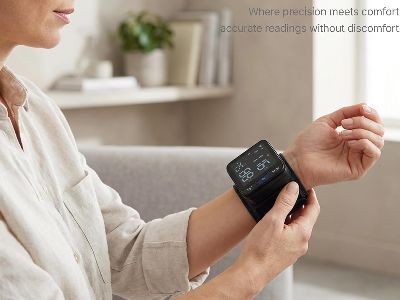
The OEM wristband blood pressure monitor is a state-of-the-art device designed for accurate and convenient blood pressure measurement. As a key product in the healthcare sector, it meets the needs of various B2B buyers, including medical brands, wholesalers, and healthcare providers. This article will help you understand how to evaluate product quality, explore applications in healthcare, identify common issues, and streamline your procurement process for OEM wristband blood pressure monitors.
How to Evaluate Product Quality in OEM Wristband Blood Pressure Monitors
When assessing the quality of OEM wristband blood pressure monitors, several critical factors come into play. First, consider the accuracy of the device. Accuracy is often measured against clinical standards, and the monitor should provide readings within a specific margin of error. Look for certifications such as CE, ISO13485:2003, and FDA approvals, which indicate compliance with international quality standards.
Material selection is also essential; high-quality, hypoallergenic materials ensure comfort during use and minimize skin irritation. Evaluate the monitor's construction to ensure it can withstand daily use in clinical settings. For instance, monitors designed with durable casings and reliable electronic components offer increased longevity and reduced maintenance costs.
Finally, establish a robust quality control process with the manufacturer. This should include pre-production samples, rigorous testing protocols, and regular audits to ensure consistency and reliability in production. By verifying these aspects, you can ensure that the wristband Digital Blood Pressure Monitors meets the necessary quality standards before making a purchase.
Applications of OEM Wristband Blood Pressure Monitors in Healthcare
OEM wristband blood pressure monitors find diverse applications in healthcare settings. These devices are particularly beneficial in outpatient clinics, telemedicine, and home healthcare environments. Their portability allows for easy monitoring of patients' blood pressure, enabling proactive health management and timely interventions.
In hospital settings, wristband monitors are ideal for continuous monitoring of patients with chronic conditions. They can be integrated into electronic health record systems for real-time data tracking, which aids in improving patient outcomes and facilitating better clinical decisions.
Moreover, these monitors are useful for telehealth applications, allowing healthcare providers to remotely monitor patients' blood pressure. This capability is especially significant for managing patients with hypertension or cardiovascular diseases, as it encourages adherence to treatment plans and reduces unnecessary hospital visits.
Common Issues and Solutions for Blood Pressure Monitor Users
Despite their benefits, users may encounter several common issues with wristband blood pressure monitors. One frequent problem is inaccurate readings, often caused by improper positioning or user error. To mitigate this, manufacturers can provide clear instructions and training materials to help users position the monitor correctly on the wrist.
Another common concern is battery life. Many monitors use rechargeable batteries, which may deplete quickly if the device is frequently used. Users should be advised to follow proper charging practices and to keep a backup power source available, especially in clinical settings where consistent monitoring is crucial.
Additionally, connectivity issues can arise when devices sync data with health apps or electronic health records. Ensure that the manufacturer offers robust technical support and regular software updates to maintain compatibility and fix any connectivity bugs.
Installation Guidance for OEM Wristband Blood Pressure Monitors
Proper installation and setup are vital for the effective use of OEM wristband Manual Blood Pressure Monitors. Begin by reading the manufacturer's installation manual, which typically includes step-by-step instructions for setting up the device. Ensure that the device is charged or has fresh batteries before the initial use.
Users should also familiarize themselves with the operating software, if applicable, ensuring that they can navigate the interface to adjust settings and view readings. For clinical applications, a demonstration session can be beneficial, allowing end-users to practice with the device under supervision.
Finally, emphasize the importance of periodic calibration. Calibration ensures that the device maintains its accuracy over time. Manufacturers should provide guidelines on how often calibration is necessary and the steps involved.
Streamlining Your Procurement Process for OEM Monitors
Efficient procurement of OEM wristband blood pressure monitor requires a well-structured approach. Start by identifying your specific requirements, including the desired specifications, quantities, and customization options. Prepare a Request for Quotation (RFQ) that clearly outlines your needs, such as the model, dimensions, and any specific performance metrics.
Next, evaluate potential suppliers based on their manufacturing capabilities, certifications, and previous customer feedback. A reliable supplier should have a strong history of delivering quality products on time and be responsive to inquiries.
After selecting a supplier, discuss lead times and confirm the minimum order quantity (MOQ). This information is critical for inventory planning and budgeting. Additionally, request samples to assess quality before committing to a larger order. This final verification step can prevent costly mistakes and ensure that the monitors meet your specifications and performance standards.
By following these steps, you can streamline your procurement process and establish a successful partnership with your OEM supplier for wristband blood pressure monitors.
Table of Contents
- How to Evaluate Product Quality in OEM Wristband Blood Pressure Monitors
- Applications of OEM Wristband Blood Pressure Monitors in Healthcare
- Common Issues and Solutions for Blood Pressure Monitor Users
- Installation Guidance for OEM Wristband Blood Pressure Monitors
- Streamlining Your Procurement Process for OEM Monitors