EN
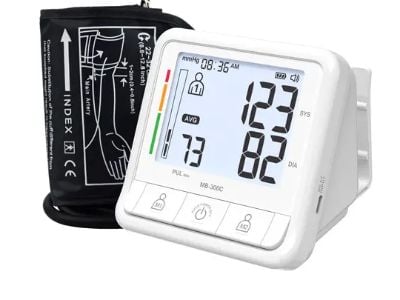
An OEM upper arm blood pressure monitor is a vital medical device used for accurate blood pressure measurement, commonly required in healthcare settings. For purchasing managers, distributors, and product managers, understanding the nuances of choosing a reliable OEM upper arm blood pressure monitor factory is crucial. This article will guide you through selecting the right supplier, installation guidance, cost factors, common issues, and applications to help you make informed procurement decisions.
How to Choose the Right Supplier for Blood Pressure Monitors
Selecting an OEM blood pressure monitor supplier involves evaluating various critical factors. Start by reviewing the manufacturer’s certifications, such as CE, ISO 13485:2003, and FDA approvals, which indicate compliance with quality and safety standards. A reputable supplier should also have a proven track record in the medical industry, demonstrating experience in producing body temperature measuring devices and blood pressure monitors.
Another key consideration is the supplier's customization capabilities. Ensure that the factory can tailor the product to meet your specific requirements—be it design, features, or packaging. Additionally, assess their production capacity and lead times to ensure they can meet your demand without compromising quality. Finally, consider the supplier's geographic location and export experience, as these factors can impact shipping times and costs.
Installation Guidance for OEM Upper Arm Blood Pressure Monitors
Proper installation of OEM upper arm blood pressure monitors is crucial for accurate readings. Typically, these devices come with detailed manuals outlining the installation process. However, here are some essential steps to ensure optimal performance:
Positioning: The monitor should be placed on a stable, flat surface at heart level. This helps prevent measurement errors due to gravitational effects.
Cuff Placement: Ensure the cuff wraps snugly around the upper arm, about 1-2 cm above the elbow crease. Incorrect placement can lead to faulty readings.
Calibration: Regular calibration is necessary to maintain accuracy. Follow the manufacturer's instructions on how often to calibrate and ensure the device is calibrated using certified standards.
User Training: Provide end-users with training on how to operate the device properly, ensuring they understand how to interpret readings and the importance of consistent measurement conditions (e.g., posture, timing).
Evaluating Cost Factors for Blood Pressure Monitor Purchases
When purchasing OEM Digital Blood Pressure Monitors, various cost factors come into play. The initial price of the device is only one aspect. Consider the following elements when budgeting for your purchase:
Minimum Order Quantity (MOQ): Many manufacturers have MOQs that can affect pricing. Larger orders often result in lower per-unit costs, but this requires upfront investment.
Customization Costs: Customized features, branding, or packaging may incur additional fees. Be clear about your requirements upfront to receive an accurate quote.
Shipping and Handling: Calculate shipping costs based on the destination and volume of your order. Suppliers may have partnerships with shipping companies that can reduce these costs.
Maintenance and Warranty: Factor in the long-term costs associated with maintenance and warranties. A higher upfront cost may be justified by a longer warranty period or lower maintenance needs.
Regulatory Compliance: Ensure that all pricing includes compliance costs for certifications required in your market, as these can significantly alter the total expenditure.
Common Problems and Solutions in Blood Pressure Monitor Use
While OEM upper arm blood pressure monitors are generally reliable, users may encounter issues affecting performance. Here are common problems and practical solutions:
Inaccurate Readings: This can stem from improper cuff placement or patient movement during measurement. Always ensure the cuff is properly positioned and the user remains still during the reading.
Device Malfunction: If the monitor fails to power on or shows error messages, check the batteries and connections. A reset may also resolve temporary software glitches.
Calibration Issues: Over time, devices can become miscalibrated. Regularly scheduled calibrations according to the manufacturer’s guidelines are essential for maintaining accuracy.
Cuff Size Compatibility: Using the wrong cuff size can lead to inaccurate readings. Ensure the cuff fits the user’s arm circumference appropriately. Many manufacturers offer various cuff sizes for this reason.
Applications of OEM Upper Arm Blood Pressure Monitors in Healthcare
OEM upper arm blood pressure monitors are widely used in various healthcare settings due to their accuracy and reliability. Common applications include:
Clinical Settings: Hospitals and clinics utilize these monitors for routine blood pressure assessments, allowing healthcare professionals to diagnose and manage hypertension effectively.
Home Monitoring: Increasingly, patients are encouraged to monitor their blood pressure at home. OEM upper arm monitors provide an easy-to-use solution for individuals, helping them manage their health proactively.
Telemedicine: With the rise of telehealth, these monitors facilitate remote patient monitoring, allowing healthcare providers to track patient health from afar and make timely interventions.
Research and Clinical Trials: These devices are often used in medical research to gather data on blood pressure trends and treatment efficacy, providing a reliable means to collect significant health data.
By understanding these applications, purchasing managers can better assess the suitability of OEM Manual Blood Pressure Monitor for their specific needs.
In summary, selecting the right OEM upper arm blood pressure monitor factory involves careful consideration of supplier credentials, installation processes, cost factors, and common usage issues. Understanding these elements will empower professionals to make informed decisions that align with their healthcare objectives.
Table of Contents
- How to Choose the Right Supplier for Blood Pressure Monitors
- Installation Guidance for OEM Upper Arm Blood Pressure Monitors
- Evaluating Cost Factors for Blood Pressure Monitor Purchases
- Common Problems and Solutions in Blood Pressure Monitor Use
- Applications of OEM Upper Arm Blood Pressure Monitors in Healthcare