EN
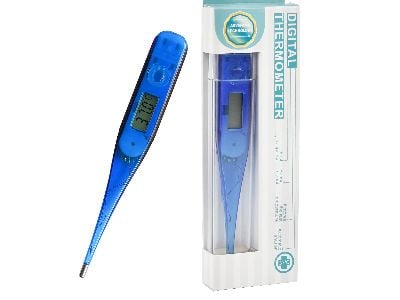
Switching to mercury-free thermometers is an urgent topic for the healthcare sector, especially as industries prepare for the 2026 deadline for phasing out mercury-based products. Mercury-free thermometers offer reliable performance without the health and environmental risks associated with mercury. For purchasing managers, distributors, and medical professionals, understanding the benefits, installation requirements, and quality assurance measures of these thermometers is crucial for making informed purchasing decisions. This article will explore why switching to mercury-free thermometer supply in 2026 is essential, focusing on cost benefits, installation guidance, quality comparisons, applications in healthcare, and sourcing considerations.
Understanding the Cost Benefits of Mercury Free Thermometers in 2026
The transition to mercury-free thermometers presents significant cost benefits for healthcare institutions. While the initial investment may appear higher, the long-term savings are substantial. Mercury-free alternatives, such as digital or infrared thermometers, often have lower maintenance costs and reduced liability associated with mercury spills or disposal. Additionally, as regulatory compliance becomes more stringent, investing in mercury-free options can mitigate future costs related to fines or retrofitting existing equipment. For example, hospitals that adopt these thermometer for armpit now can avoid the costs associated with last-minute compliance adjustments as the deadline approaches. Furthermore, some healthcare facilities may find that insurance premiums could decrease with the lower risk profile of using non-toxic materials, which enhances overall financial viability.
Installation Guidance for Mercury Free Thermometers in Medical Settings
Installing mercury-free thermometers in medical settings is often straightforward, but there are essential considerations to ensure optimal performance. These thermometers typically require minimal setup, often just a battery installation or charging for digital models. When planning installation, healthcare facilities should evaluate their existing infrastructure. For instance, infrared thermometers may require specific calibration settings depending on the environment, such as room temperature and humidity. Staff training is also critical; employees must be familiar with the new devices’ operation and troubleshooting techniques to ensure accurate readings and effective use. Moreover, healthcare facilities should consider the placement of these digital infant thermometer. High-traffic areas should have easily accessible units to facilitate quick temperature checks, especially in emergency situations. Proper installation and user training can significantly enhance workflow efficiency and patient satisfaction.
How to Compare Mercury Free Thermometers for Quality Assurance?
When evaluating mercury-free thermometers, there are several critical specifications and features to consider for quality assurance. First, accuracy is paramount; look for devices that guarantee ±0.1°C precision, as this can dramatically affect clinical decisions. Next, consider the response time rapid readings are essential in urgent care settings. A device that provides results in less than 10 seconds can significantly improve patient throughput. Additionally, durability is crucial; thermometers made with high-quality materials can withstand regular use and potential drops, reducing replacement costs. It's also important to review certifications such as CE and ISO13485, which indicate compliance with international safety and quality standards. Finally, consider user-friendliness, including features like clear digital displays or audible alerts, which enhance the usability of the device in fast-paced medical environments.
Exploring the Applications of Mercury Free Thermometers in Healthcare
Mercury-free thermometers have versatile applications across various healthcare settings. In hospitals, they are essential for monitoring patient temperatures in emergency rooms, operating rooms, and outpatient clinics. Their non-toxic nature allows for safe usage even in pediatrics and geriatrics, where patients may be more vulnerable to hazards. These thermometers also find applications in telehealth and home care settings, where users can take readings independently. Digital models with Bluetooth connectivity can transmit data directly to healthcare providers, facilitating remote monitoring and timely intervention. Furthermore, with the growing emphasis on sustainability in healthcare, mercury-free thermometers align with eco-friendly practices. This not only enhances the reputation of the healthcare facility but also meets the increasing demand from patients for environmentally responsible practices.
Sourcing Mercury Free Thermometers for Bulk Orders
When sourcing mercury-free thermometers for bulk orders, it’s vital to establish clear communication with suppliers. Buyers should specify their requirements, including the model types, quantities, and any customization needs. For instance, healthcare facilities may require branded packaging or specific calibration settings tailored to their operational protocols. Inquire about minimum order quantities (MOQ) and lead times, as these can vary significantly between manufacturers. Understanding the production capacity of the supplier is key; a reliable manufacturer should be able to accommodate large orders without sacrificing quality. Additionally, consider the supplier’s quality control processes. Request information on their testing protocols and certifications to ensure that the products meet industry standards. Engaging with suppliers who have established reputations for reliability and quality can help prevent common issues such as delays or subpar products. In summary, transitioning to mercury-free digital thermometer for newborn by 2026 is not only a regulatory requirement but also a strategic decision that can enhance patient care, reduce risks, and save costs. By understanding the benefits, installation requirements, quality assurance measures, applications in healthcare, and sourcing considerations, purchasing managers and healthcare professionals can make informed decisions that align with industry best practices and future needs.
Table of Contents
- Understanding the Cost Benefits of Mercury Free Thermometers in 2026
- Installation Guidance for Mercury Free Thermometers in Medical Settings
- How to Compare Mercury Free Thermometers for Quality Assurance?
- Exploring the Applications of Mercury Free Thermometers in Healthcare
- Sourcing Mercury Free Thermometers for Bulk Orders