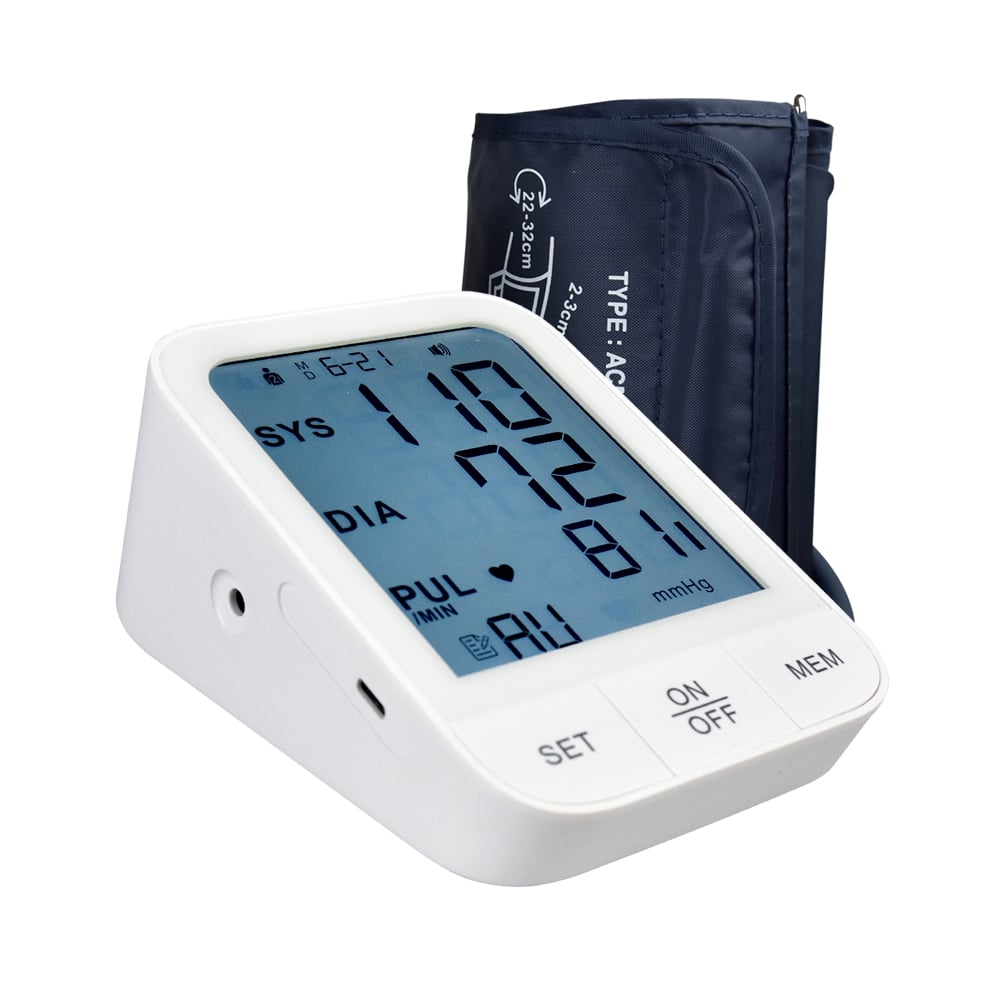
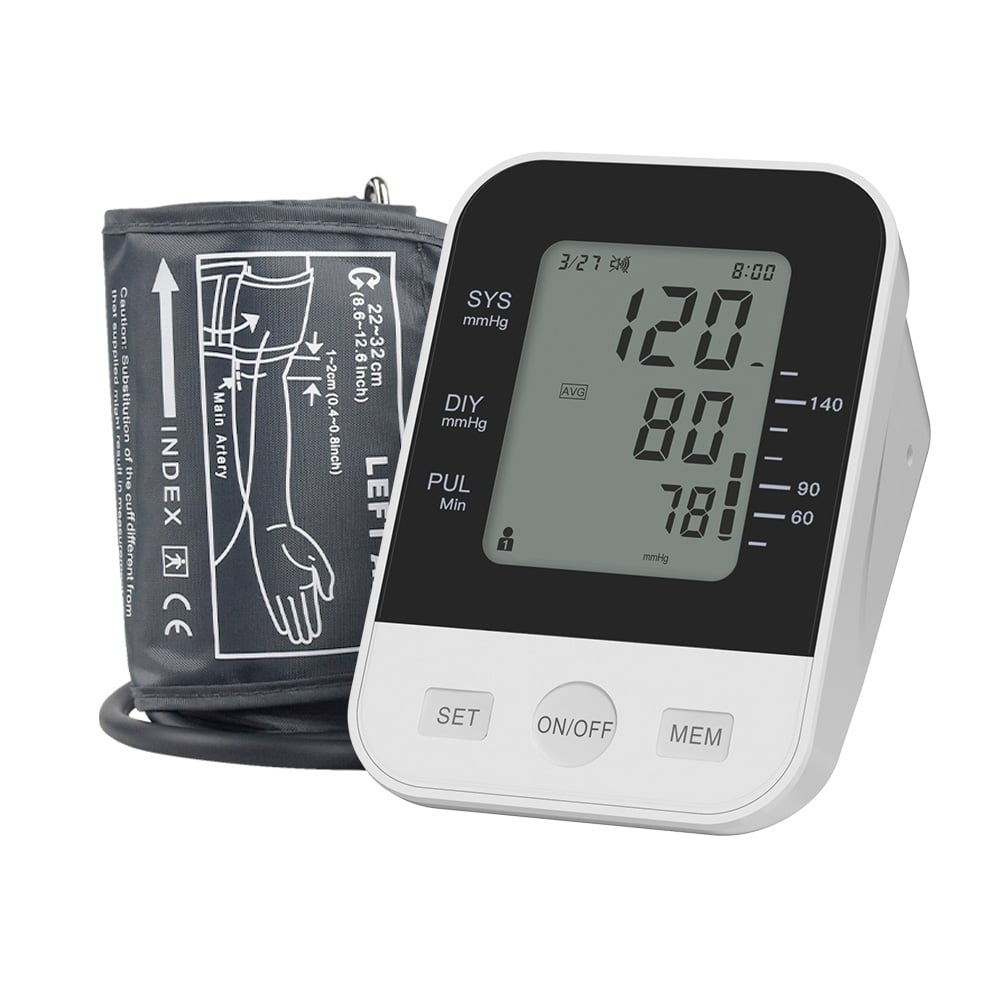
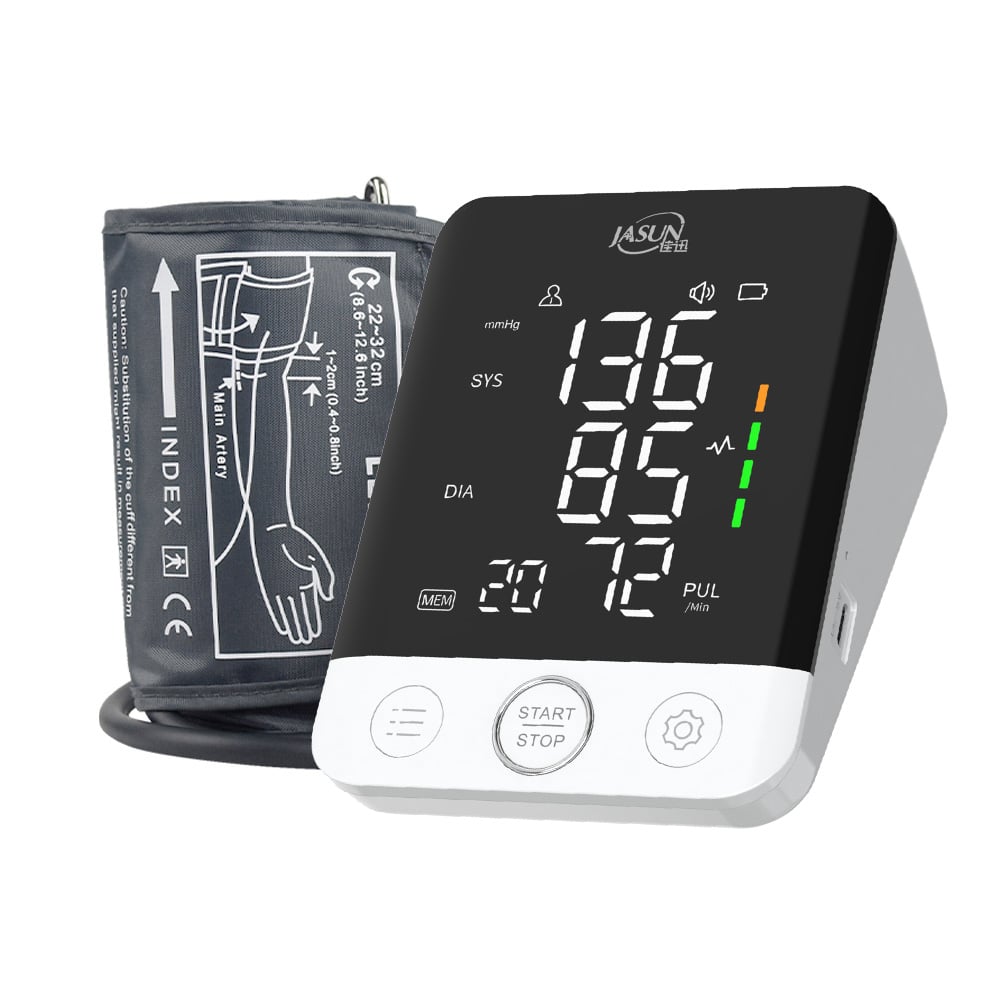
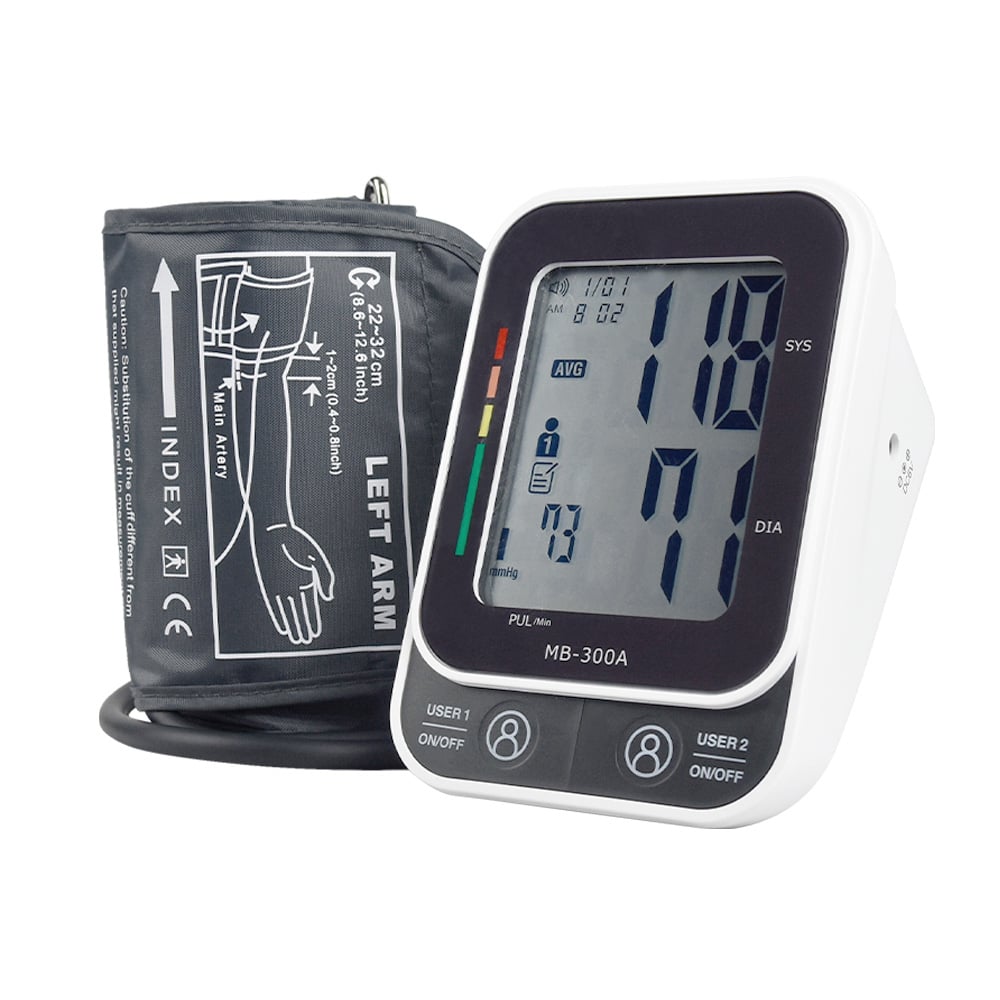
A wristband blood pressure monitor is an innovative medical device designed for convenient and accurate blood pressure monitoring. As a B2B buyer, you may be concerned about the product's reliability, accuracy, and compliance with health regulations. This guide will help you understand essential factors to consider when purchasing blood pressure monitor, ensuring you make informed decisions that align with industry standards and buyer requirements.
When sourcing a wholesale wristband blood pressure monitor, several key specifications and features should be on your checklist:
Accuracy and Calibration: Look for devices that meet rigorous accuracy standards. Calibration is crucial; devices should be periodically checked and adjusted to ensure reliability. The specifications should detail the allowable error margin.
Comfort and Design: The design should ensure a comfortable fit for various wrist sizes, as user comfort can significantly affect compliance and accuracy. A flexible band that accommodates different wrist circumferences is ideal.
Battery Life and Charging: Assess the battery type and expected lifespan. A long-lasting battery or a rechargeable option can reduce operational costs and ensure the device is always ready for use.
Data Management: Many devices now feature Bluetooth connectivity or other wireless options that enable easy data transfer to apps or electronic health records (EHR). This capability can enhance patient management and data tracking.
Durability: Given the nature of medical environments, the monitor should be built with durable materials to withstand repeated use. Look for devices that are resistant to moisture and dust.
Certifications: Ensure that the product holds relevant certifications such as CE, FDA, or ISO13485. These certifications indicate compliance with international safety and quality standards.
By focusing on these aspects, you can ensure that the wristband blood pressure monitors you consider will meet your customers’ needs and stand the test of time in healthcare settings.
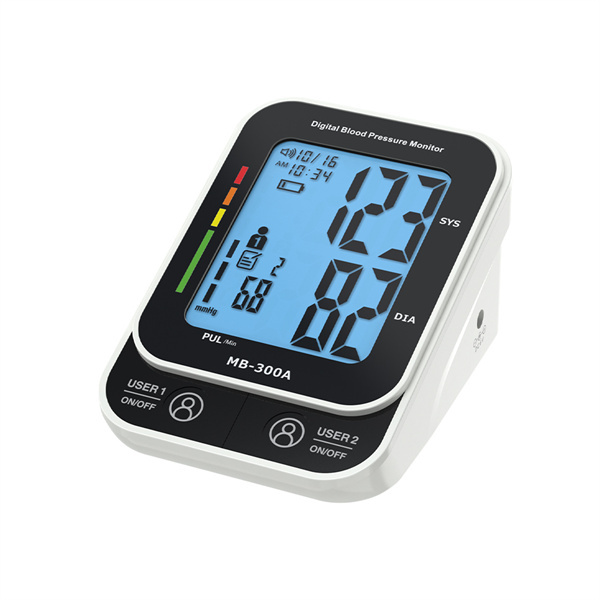
Selecting the right supplier for Hangzhou Huaan wristband blood pressure monitors is crucial for maintaining quality and reliability in your offerings. Here are some essential factors to consider when evaluating potential suppliers:
Experience and Reputation: A supplier with a proven track record in medical device manufacturing will likely have established quality control processes. Check their history, reviews, and any partnerships with recognized medical brands.
OEM/ODM Capabilities: If customization is important for your business, ensure the supplier offers OEM (Original Equipment Manufacturer) or ODM (Original Design Manufacturer) services. This flexibility can help tailor products to meet specific market needs.
Production Capacity: Assess the supplier’s production capabilities to ensure they can meet your order quantities and timelines. This factor is particularly important for larger contracts or when scaling operations.
Quality Control Processes: Inquire about the supplier’s quality assurance practices. Look for suppliers that conduct regular testing and hold relevant quality certifications, such as ISO13485.
Customer Support: A responsive and knowledgeable customer support team can significantly ease the purchasing process. Ensure they offer adequate support for product inquiries, troubleshooting, and warranty issues.
Shipping and Logistics: Understand the supplier’s shipping methods and any potential delays. Efficient logistics can significantly impact your inventory management and customer satisfaction.
Carefully evaluating these factors will help establish a productive partnership with a reliable supplier, ultimately enhancing your business reputation and customer trust.
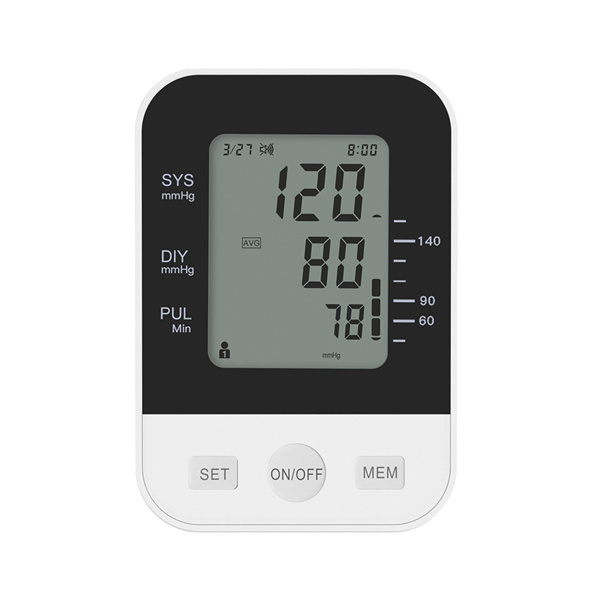
Proper installation and use of Hangzhou Huaan wristband blood pressure monitors in medical settings are essential for accurate readings and patient safety. Here are some guidelines to follow:
Preparation: Before use, ensure the device is charged or has fresh batteries. Familiarize staff with the operating instructions provided by the manufacturer.
Patient Positioning: Advise patients to sit comfortably with their wrist at heart level. The positioning of the wristband blood pressure monitor is critical to obtaining accurate readings.
Calibration Checks: Regularly check the calibration of the device against a standard reference. This practice ensures that the monitor provides accurate and reliable results over time.
Training: Provide training for staff on how to properly use the monitor. This includes understanding the display readings, troubleshooting common issues, and ensuring proper hygiene protocols.
Maintenance: Establish a routine for cleaning and maintaining the monitors. Follow the manufacturer's recommendations for care to prolong the lifespan of the device.
By adhering to these guidelines, healthcare professionals can effectively utilize wristband blood pressure monitors, ensuring optimal performance and accurate patient assessments.
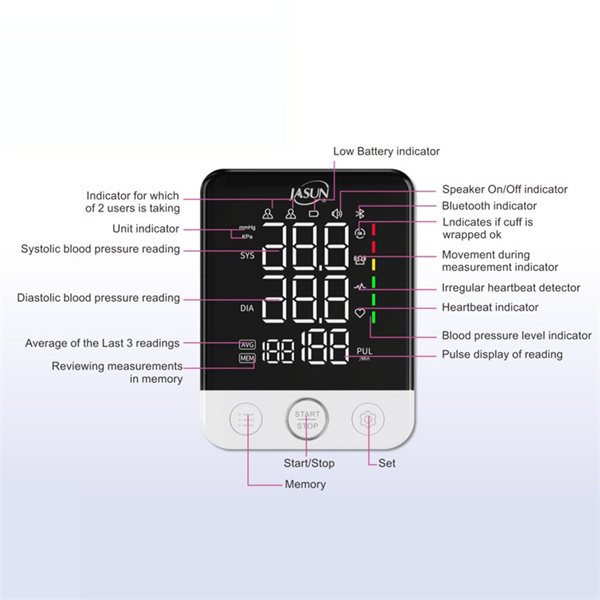
Wristband blood pressure monitors have a wide range of applications in healthcare facilities, enhancing patient care and monitoring processes. Their primary uses include:
Routine Monitoring: These devices are ideal for regular blood pressure checks, allowing healthcare providers to monitor patients’ conditions over time. This is particularly beneficial for patients with chronic conditions such as hypertension.
Home Healthcare: With their portability, wristband monitors enable patients to manage their blood pressure from home, facilitating remote monitoring by healthcare providers. This can improve patient compliance and reduce the need for frequent hospital visits.
Emergency Settings: In emergency situations, wristband blood pressure monitors provide quick and easy access to critical patient information. Their fast operation can assist healthcare providers in making timely decisions.
Telemedicine: As telemedicine becomes more prevalent, these devices allow for real-time data sharing between patients and healthcare providers, improving the quality of virtual consultations.
Health Monitoring Programs: Many healthcare systems are integrating wristband monitors into wellness programs, encouraging patients to take an active role in their health management.
The versatility of automatic blood pressure monitor makes them an invaluable tool in various healthcare settings, enhancing both patient outcomes and operational efficiency.
While Hangzhou Huaan wristband blood pressure monitors are generally reliable, they can encounter common issues. Here are some potential problems and recommended solutions:
Inaccurate Readings: This can occur due to improper positioning or calibration. Ensure that users are trained to position the wrist correctly and that regular calibration checks are conducted.
Battery Issues: Devices may suffer from battery failure, leading to operational downtime. Implement a routine check on battery health, and consider models with long-lasting or rechargeable batteries.
Connectivity Problems: For monitors with Bluetooth or wireless capabilities, connectivity issues can arise. Ensure that users are familiar with the pairing process and troubleshoot any connectivity issues promptly.
Wear and Tear: Frequent use can lead to physical wear on the device. Establish a maintenance schedule to inspect and replace worn-out components to maintain device integrity.
User Errors: Misunderstanding device instructions can lead to operational errors. Providing clear, concise user manuals and training can reduce the likelihood of user error.
By being aware of these common issues and implementing proactive solutions, healthcare facilities can maximize the effectiveness and lifespan of wristband blood pressure monitors.
JASUN is a registered trademark of Hangzhou Hua'an Medical & Health Instruments Co.,Ltd. Your first option for premium thermometer suppliers in China with CE, MDR, ISO13485:2003, FDA and BSCI certificates.
Our location: Building 2,1# Fuzhu Nan RD, Wuchang Town, Yuhang District, Hangzhou, Zhejiang 310023, China
HOURS: 8:30AM - 6:00PM
Copyright © Hangzhou Hua'an Medical & Health Instruments Co.,Ltd. All Rights Reserved Blog Privacy Policy
 EN