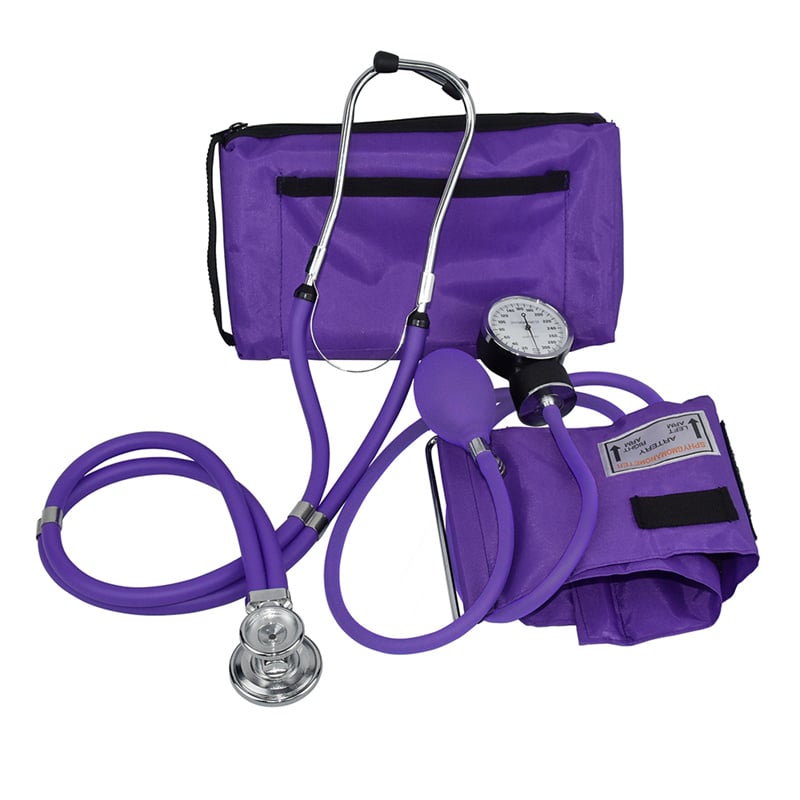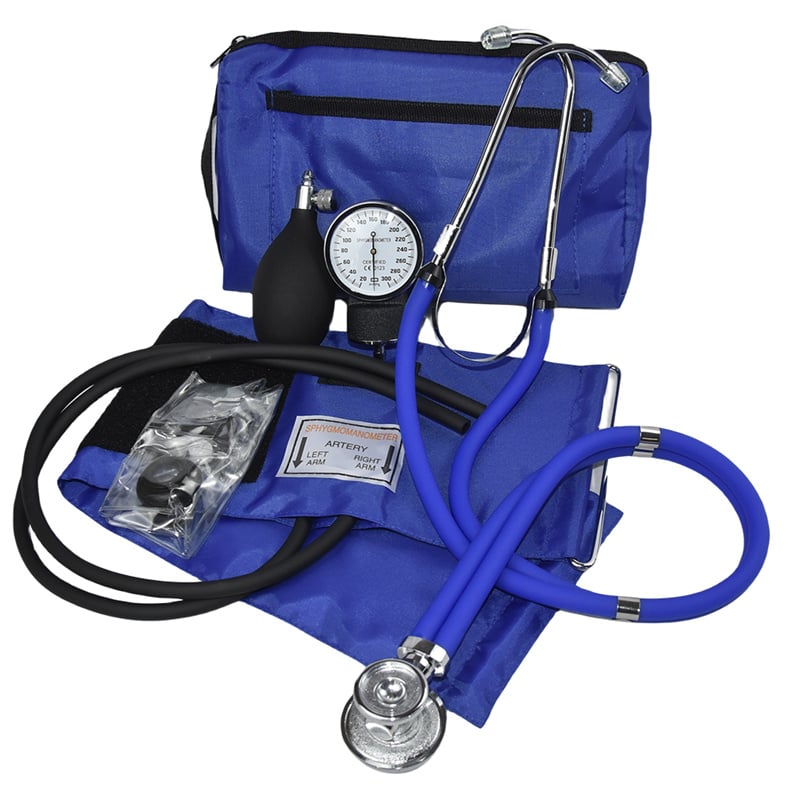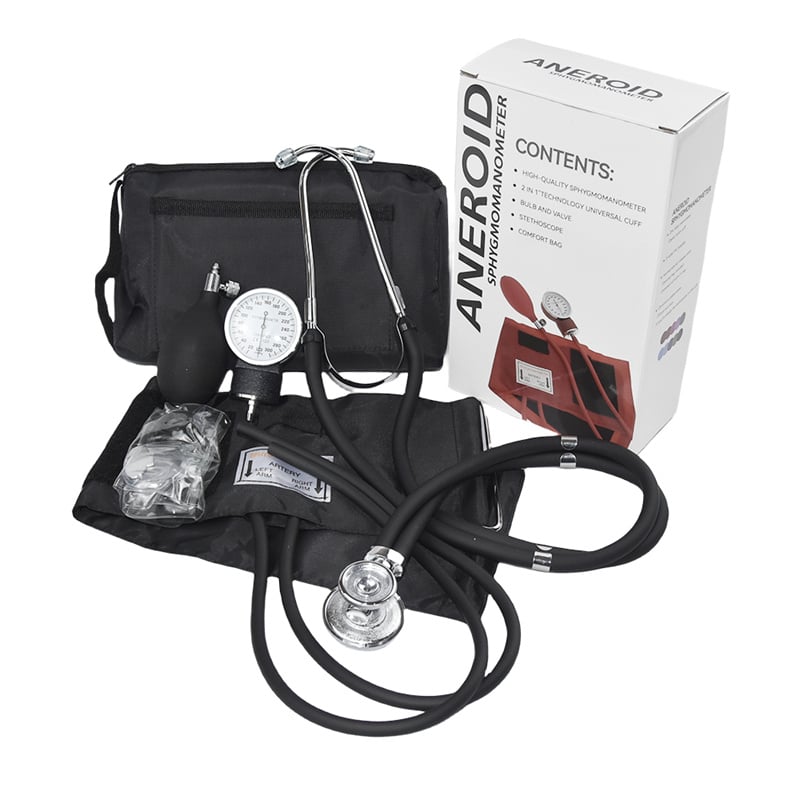
Wrist sphygmomanometers, or wrist blood pressure monitors, are essential devices for accurately measuring blood pressure in various settings, from medical facilities to home use. As a purchasing manager or distributor, understanding the key features, specifications, and common issues associated with these devices is crucial. This article will guide you through essential considerations when selecting a wrist sphygmomanometer, tips for wholesale buying, common installation problems, and the various applications of these devices.
When selecting a wrist sphygmomanometer, buyers should focus on several critical factors:
Accuracy and Calibration: Look for brands that provide devices with a proven track record of accuracy. The digital sphygmomanometer device should undergo regular calibration to ensure reliable readings. Accuracy is paramount, especially in medical settings where incorrect readings can lead to misdiagnoses.
Comfort and User Experience: The design should prioritize user comfort, featuring adjustable cuffs that fit a range of wrist sizes. A well-designed monitor will minimize discomfort during use, encouraging regular monitoring, which is essential for managing blood pressure.
Durability and Build Quality: Materials used in the construction of the wrist sphygmomanometer can impact its longevity. High-quality plastic components and robust mechanisms contribute to a longer lifespan, reducing long-term costs for buyers.
Certifications: Ensure the manufacturer holds relevant certifications such as CE, ISO13485:2003, and FDA approval. These certifications indicate compliance with international standards for safety and quality, providing reassurance about the device's reliability.
Brand Reputation: Consider brands that have established themselves in the industry, such as Hangzhou Huaan Medical Health Instruments Co., Ltd. Their experience since 1997 and their partnerships with top global medical brands speak to their expertise and credibility in the market.

When purchasing wrist sphygmomanometers wholesale, consider the following tips to ensure a successful transaction:
Minimum Order Quantity (MOQ): Understand the MOQ set by the manufacturer. This figure can vary significantly between brands, so it’s essential to confirm this upfront to avoid future surprises.
Customization Options: Many manufacturers, including those with OEM/ODM capabilities, offer customization options. Whether you need specific branding, packaging, or features, discuss these requirements with the supplier early in negotiations.
Bulk Pricing: Inquire about bulk pricing structures. Some manufacturers offer tiered pricing based on order volume, which can lead to significant cost savings.
Lead Time: Clarify the lead time for production and delivery. Knowing how long it will take for your order to arrive is crucial for inventory planning, especially in a fast-paced commercial environment.
Sample Approval: Always request samples before finalizing a bulk order. This allows you to assess the product quality firsthand, ensuring it meets your expectations and specifications.
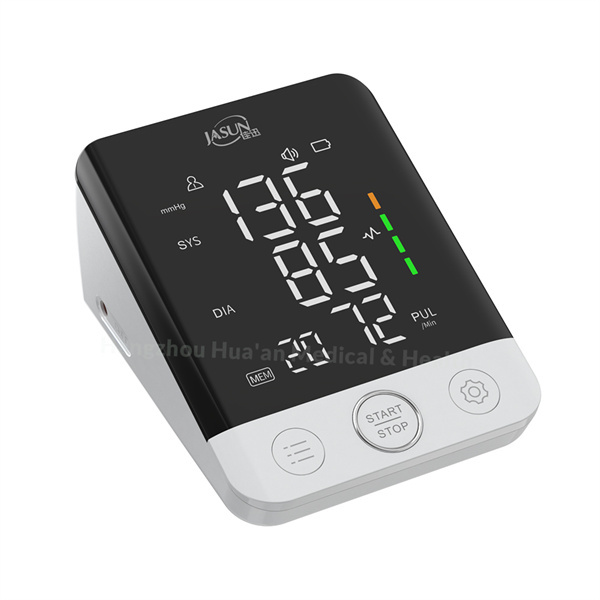
Wrist sphygmomanometers are generally easy to install, but users may encounter some common problems:
Incorrect Cuff Positioning: If the cuff is not positioned properly on the wrist, it can lead to inaccurate readings. Ensure users are trained on the correct positioning, which typically involves placing the cuff on the wrist with the device facing upwards, just above the wrist bone.
Environmental Interference: External factors like noise or movement during measurement can affect accuracy. Advise users to remain still and quiet while taking a reading, ideally in a controlled environment.
Battery Issues: Many wrist sphygmomanometers are battery-operated. Low battery levels can lead to malfunctioning devices or inaccurate readings. Regularly check and replace batteries as needed to maintain performance.
User Error: Inexperienced users may not follow instructions correctly. Providing clear user manuals and training sessions can help mitigate this issue, ensuring users understand how to operate the device effectively.
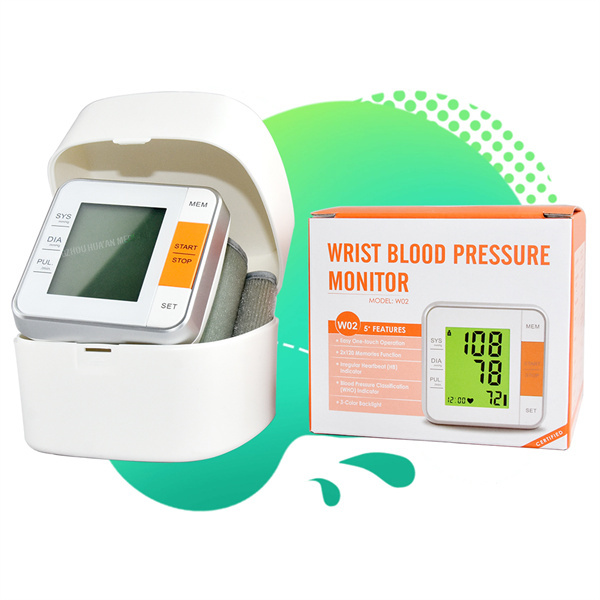
Several factors influence the cost of wrist sphygmomanometers, and understanding these can help buyers make informed decisions:
Manufacturing Costs: The cost of materials and labor directly impacts pricing. The wrist electronic sphygmomanometer is made with higher quality materials and advanced technology will typically carry a higher price tag.
Volume of Purchase: Larger orders may qualify for discounts, so always negotiate pricing based on the expected order size.
Customization: If you require specific features or branding, remember that customization can increase costs. Discuss these requirements with the manufacturer early on to receive accurate pricing.
Shipping and Handling: Consider shipping costs when calculating total expenses. Shipping fees can vary based on distance, shipment size, and delivery speed, so factor these into your budget.
Market Demand: Prices may fluctuate based on market conditions and demand. Staying informed about industry trends can help you time your purchases effectively.
Wrist sphygmomanometers serve vital roles in various applications:
Home Healthcare: These devices are increasingly popular for personal use, allowing individuals to monitor their blood pressure regularly. This is particularly useful for patients with hypertension or other cardiovascular conditions.
Medical Facilities: Hospitals and clinics utilize wrist sphygmomanometers for quick and accurate assessments of patients’ blood pressure. Their portability and ease of use make them ideal for busy medical environments.
Fitness and Wellness Programs: Many wellness programs incorporate blood pressure monitoring as part of health assessments. Wrist monitors are convenient tools for fitness trainers and health coaches to track clients' cardiovascular health.
Research: In clinical research settings, wrist sphygmomanometers can provide consistent, reliable data for studies related to cardiovascular health, enabling researchers to gather vital statistics efficiently.
When selecting wrist sphygmomanometers, understanding their applications can guide buyers in choosing the right models for their specific needs. This versatility enhances the value of the investment, ensuring that the devices can serve multiple functions across various settings.
JASUN is a registered trademark of Hangzhou Hua'an Medical & Health Instruments Co.,Ltd. Your first option for premium thermometer suppliers in China with CE, MDR, ISO13485:2003, FDA and BSCI certificates.
Our location: Building 2,1# Fuzhu Nan RD, Wuchang Town, Yuhang District, Hangzhou, Zhejiang 310023, China
HOURS: 8:30AM - 6:00PM
Copyright © Hangzhou Hua'an Medical & Health Instruments Co.,Ltd. All Rights Reserved Blog Privacy Policy
 EN