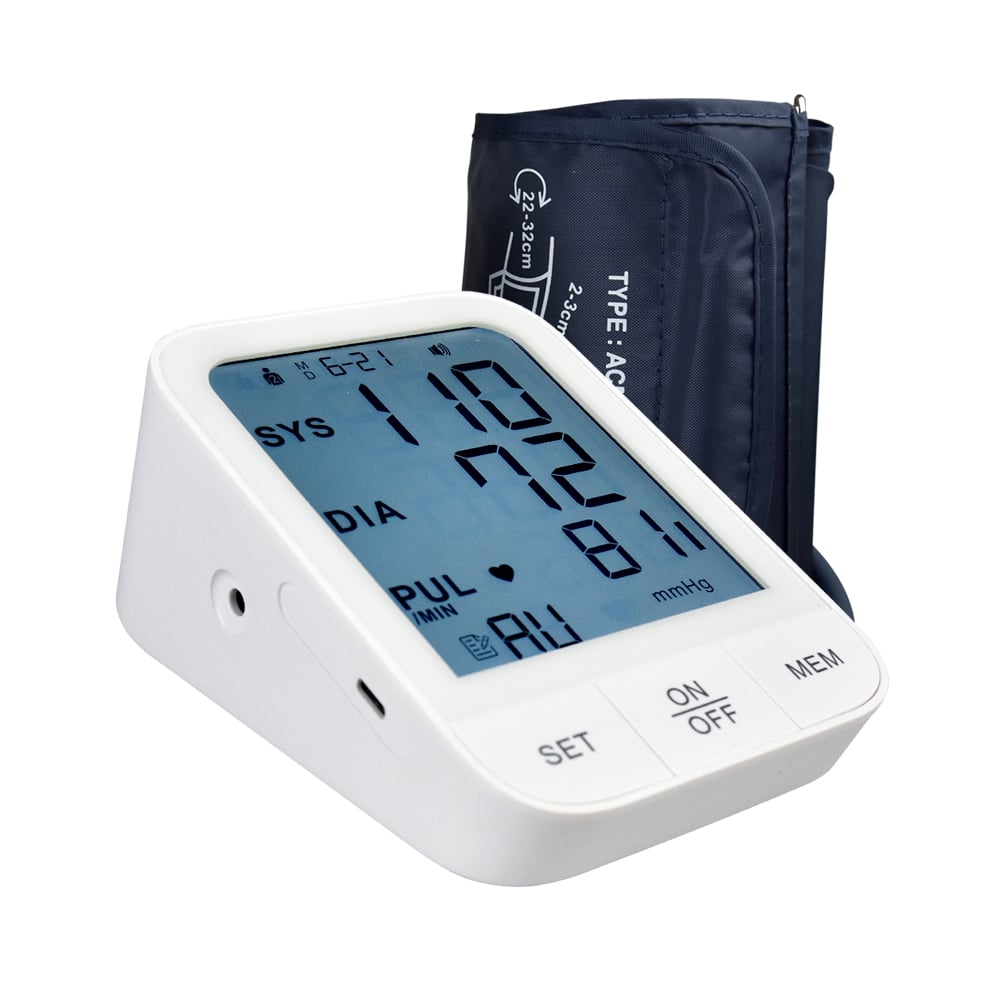
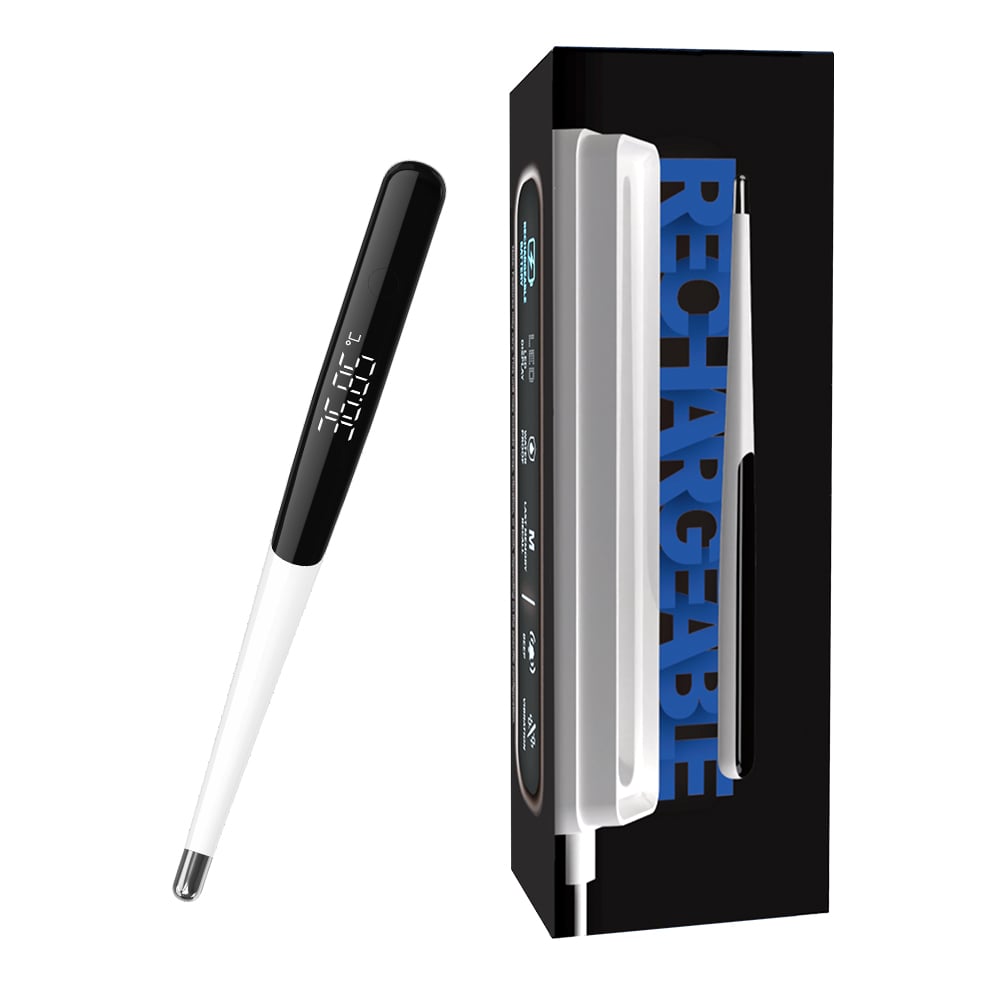
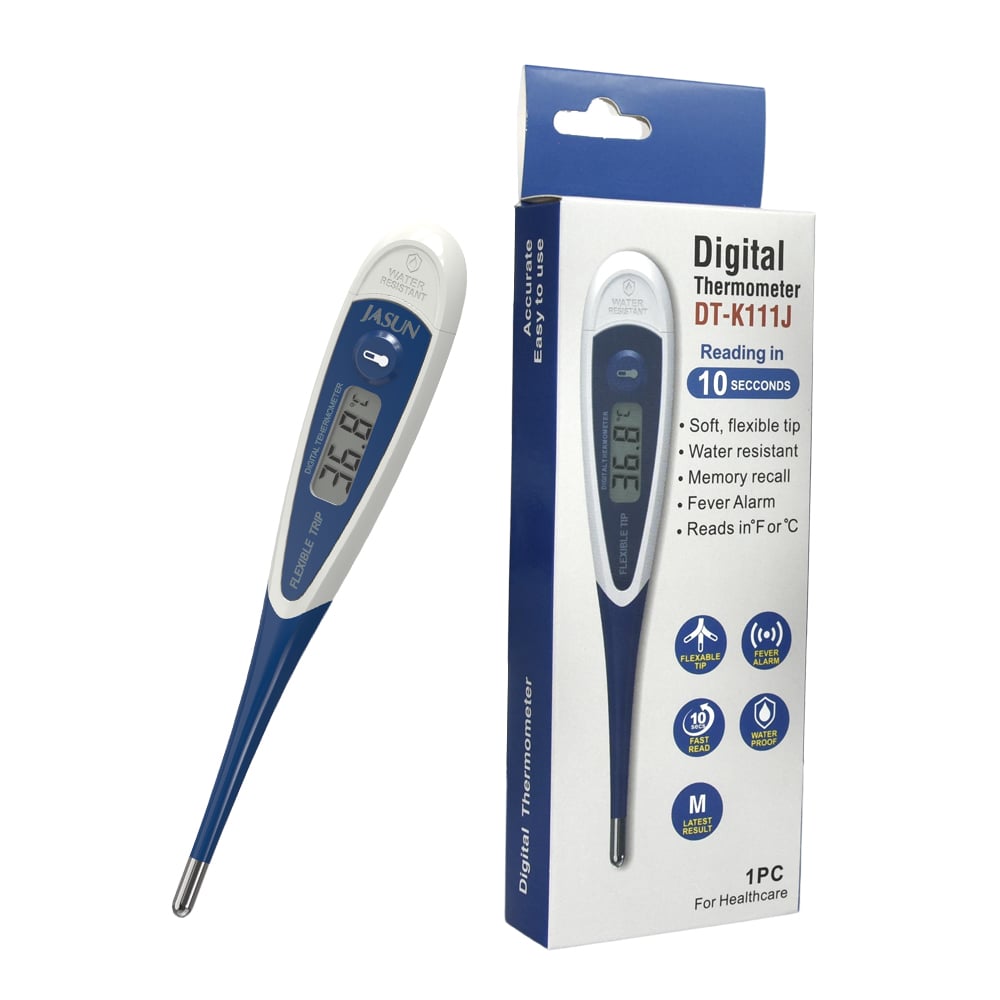
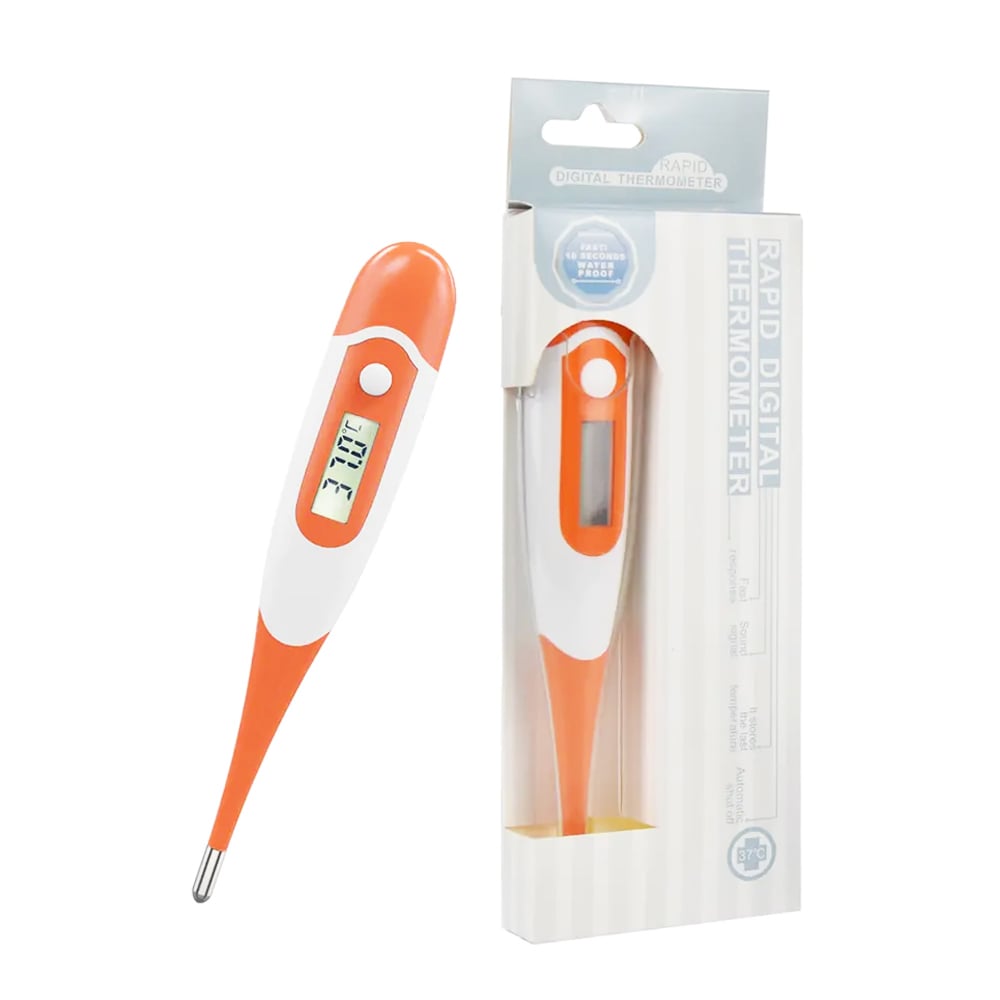
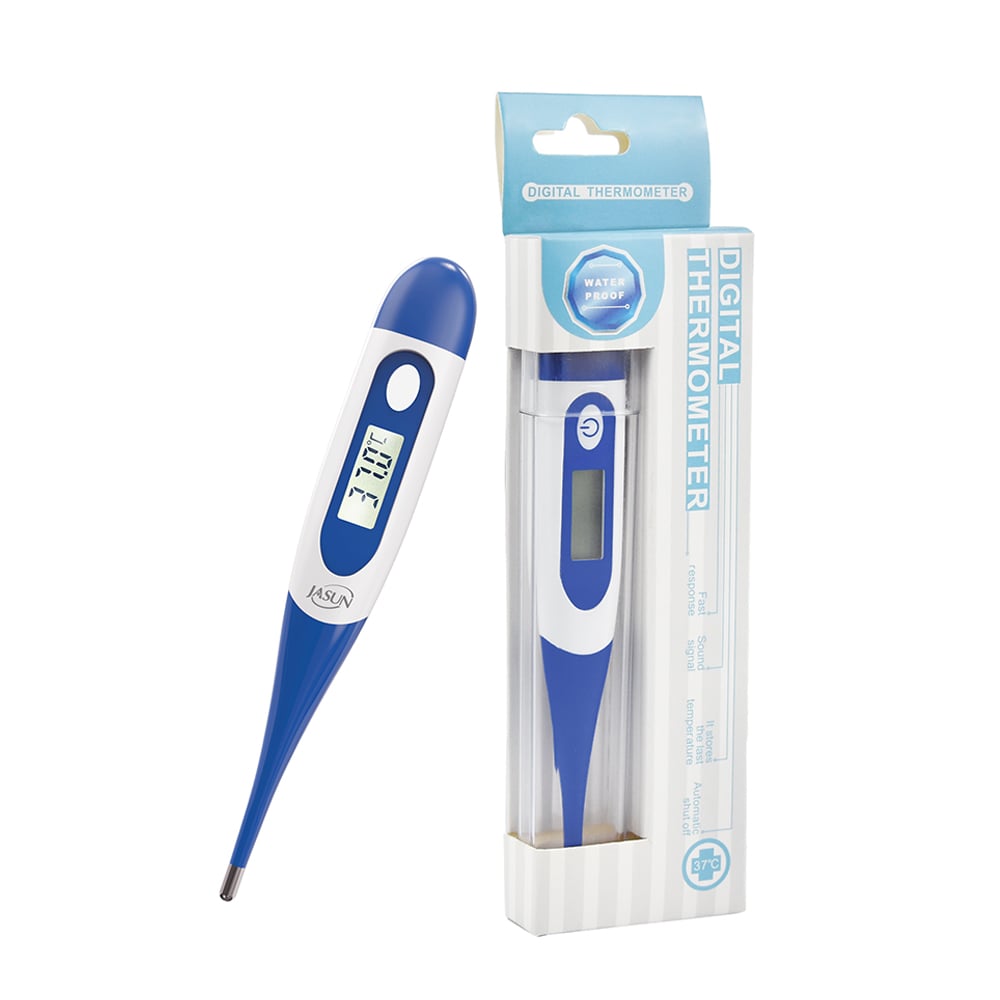
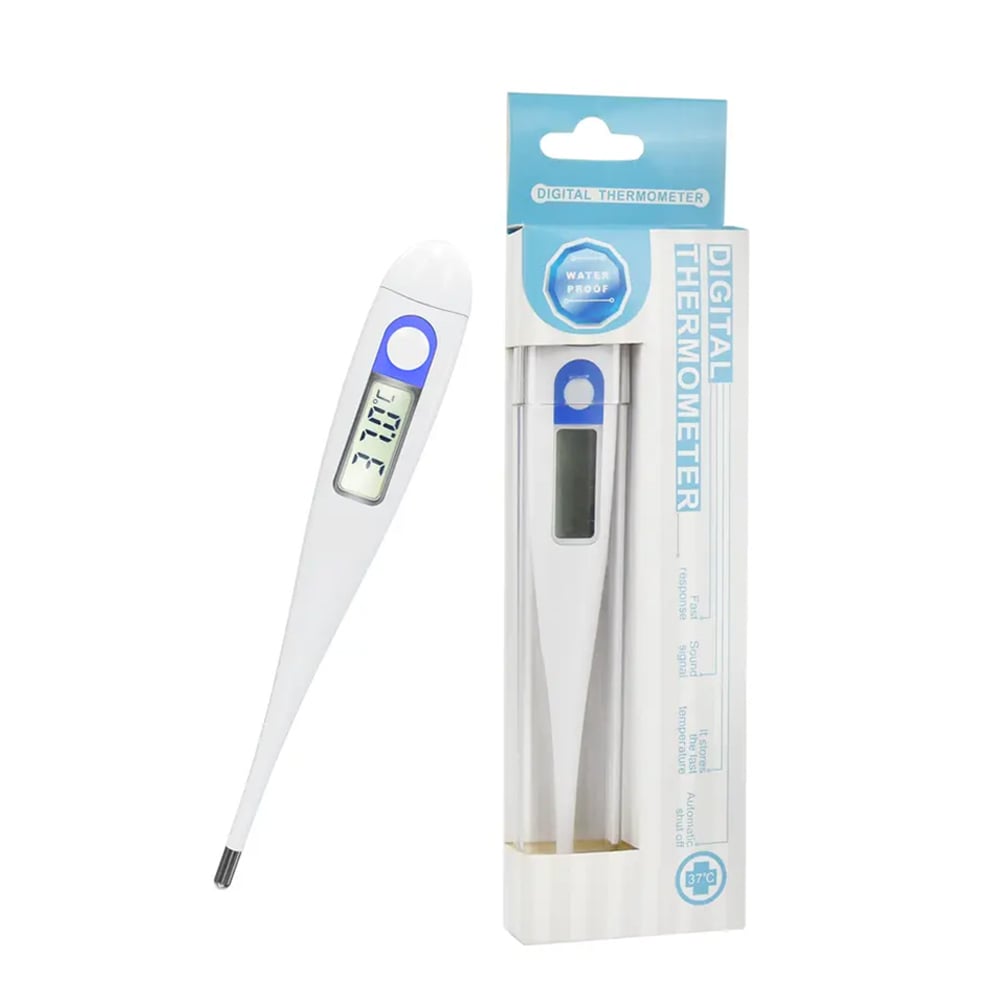
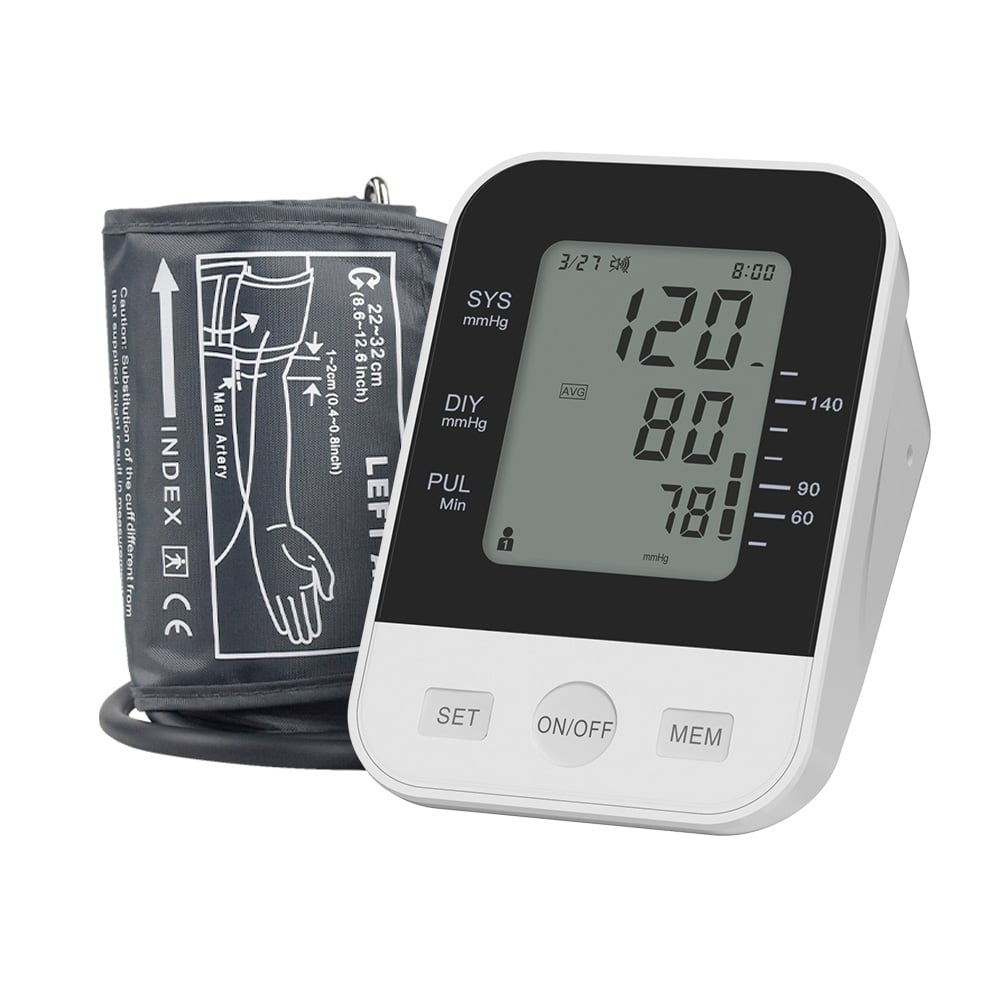
A Hangzhou Huaan wrist electronic aneroid sphygmomanometer is a compact, portable device used to measure blood pressure at the wrist. It is an ideal choice for healthcare professionals and patients seeking convenience and accuracy. When considering purchasing a wrist electronic sphygmomanometer, buyers often prioritize accuracy, durability, and ease of use. This article will guide you through essential factors to consider when choosing a device, purchasing options, key specifications, installation guidance, and applications in healthcare environments
Selecting the appropriate Hangzhou Huaan wrist electronic aneroid sphygmomanometer with stethoscope involves understanding your specific requirements. Key considerations include measurement accuracy, cuff size, display readability, and additional features such as Bluetooth connectivity or memory storage for previous readings
Measurement Accuracy: Ensure the device has been validated for accuracy, as this is critical for reliable readings. Look for products that comply with international standards and have certifications like CE or ISO13485
Cuff Size: The cuff should fit comfortably around the wrist, as an improper fit can lead to inaccurate readings. Manufacturers typically offer various cuff sizes; ensure you select one that meets your target demographic
User-Friendly Design: A clear display and intuitive operation can significantly enhance the user experience. Features like voice prompts or backlit displays can be beneficial, especially for elderly users
Connectivity Features: Some models offer Bluetooth connectivity to sync data with health apps. This feature can provide greater insights into blood pressure trends over time
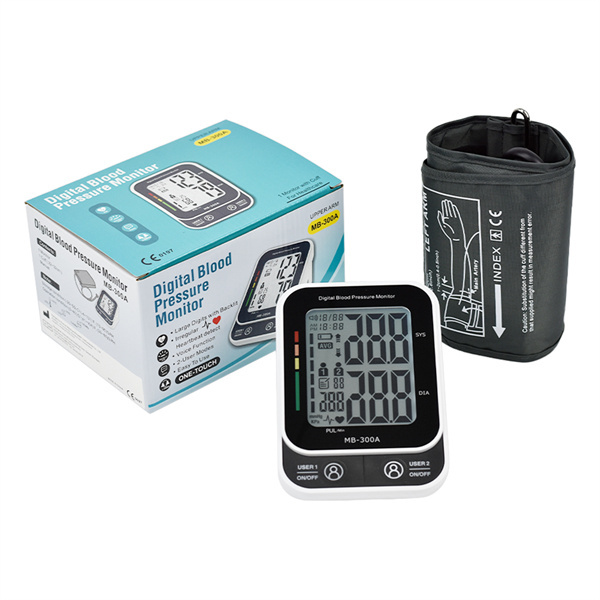
For businesses looking to purchase Hangzhou Huaan wrist electronic palm aneroid sphygmomanometer in bulk, various wholesale options are available. Companies like Hangzhou Huaan Medical Health Instruments Co., Ltd. offer full OEM/ODM capabilities, allowing businesses to customize products according to their specifications
Minimum Order Quantity (MOQ): Understand the MOQ required for wholesale purchases. This can vary by supplier and is essential for budgeting
Shipping and Lead Time: Inquire about lead times for production and shipping, as these can impact your inventory management. Suppliers should provide clear timelines and shipping options
Customization Options: Many manufacturers offer the ability to customize branding, packaging, and specifications. This can help businesses differentiate their products in the market
Quality Assurance: Before finalizing a large order, ensure that the supplier conducts thorough quality inspections. Request samples to verify the product meets your expectations
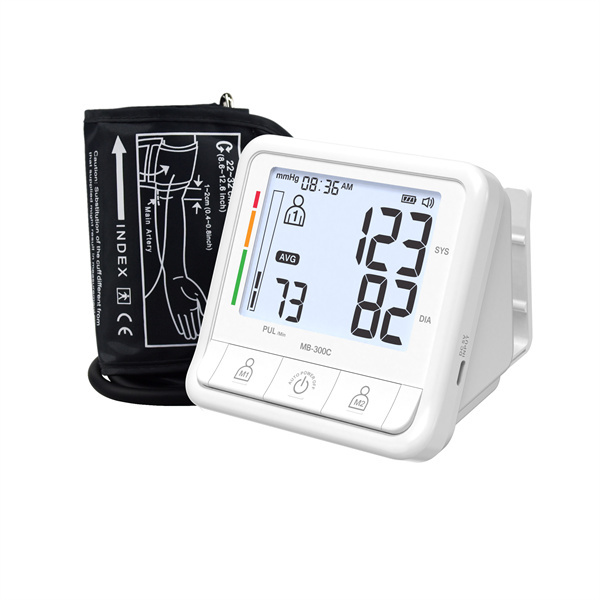
When evaluating wrist electronic sphygmomanometers, specific technical specifications are crucial for ensuring reliability and performance
Measurement Range: Confirm the device's measurement range (systolic/diastolic pressure) to ensure it suits the intended user demographic
Accuracy Rating: Look for devices with an accuracy rating of ±3 mmHg, which is generally accepted in the industry. This specification indicates how close the readings are to true values
Battery Life: The longevity of the batteries affects the usability of the device. A longer battery life reduces maintenance and ensures the device is ready when needed
Memory Storage: Some models can store multiple readings, allowing users to track their blood pressure over time. Check the memory capacity, especially for healthcare providers managing multiple patients
Display Features: Ensure the display is easy to read with adequate font size and contrast. Some devices also offer indicators for irregular heartbeats, which can be a crucial feature for healthcare monitoring
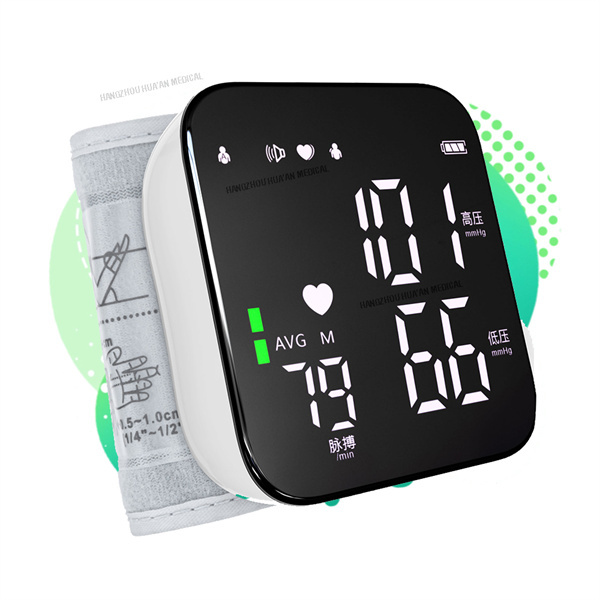
Installing wrist electronic sphygmomanometers in clinical settings requires attention to detail to ensure accurate readings
Positioning: The device should be positioned at heart level for accurate measurements. Ensure that the patient is seated comfortably with their wrist at heart level during the measurement process
Calibration: Regular calibration is essential to maintain accuracy. Follow the manufacturer's guidelines for calibration frequency and procedures
Training Staff: Ensure that healthcare staff are trained on proper usage techniques, including how to fit the cuff correctly and interpret the readings. This training can significantly minimize user error
Maintenance: Establish a routine maintenance schedule for the devices, including battery replacement and cleaning. Regular checks help maintain reliability and extend the lifespan of the equipment
Wrist electronic sphygmomanometers have diverse applications in various healthcare settings
Home Healthcare: They are ideal for patients managing chronic conditions like hypertension at home, providing an easy way for patients to monitor their blood pressure and share data with healthcare providers
Clinics and Hospitals: These devices are useful in outpatient settings where quick and efficient blood pressure monitoring is needed. They can streamline patient assessments and improve workflow
Telemedicine: With the rise of telehealth, these devices can play a crucial role in remote patient monitoring. Patients can transmit their readings to healthcare providers, allowing for real-time adjustments in treatment plans
Health Screenings: In public health initiatives and health fairs, wrist electronic sphygmomanometers can facilitate quick blood pressure checks, helping to identify individuals who may need further medical attention
By understanding these factors and specifications, buyers can make informed decisions when purchasing wrist electronic sphygmomanometers that meet their specific needs and those of their patients
JASUN is a registered trademark of Hangzhou Hua'an Medical & Health Instruments Co.,Ltd. Your first option for premium thermometer suppliers in China with CE, MDR, ISO13485:2003, FDA and BSCI certificates.
Our location: Building 2,1# Fuzhu Nan RD, Wuchang Town, Yuhang District, Hangzhou, Zhejiang 310023, China
HOURS: 8:30AM - 6:00PM
Copyright © Hangzhou Hua'an Medical & Health Instruments Co.,Ltd. All Rights Reserved Blog Privacy Policy
 EN