
A wrist BP monitor is a vital medical device used to measure blood pressure quickly and accurately, making it an essential tool for healthcare providers and patients alike. As a B2B buyer, you may have concerns regarding the product's specifications, quality, and application suitability. This article aims to provide insights into the key features of wrist BP monitors, guidance on evaluating their quality, and an overview of their applications in various medical settings, helping you make informed purchasing decisions.
When selecting wrist BP monitors for import or distribution, several key specifications should be considered:
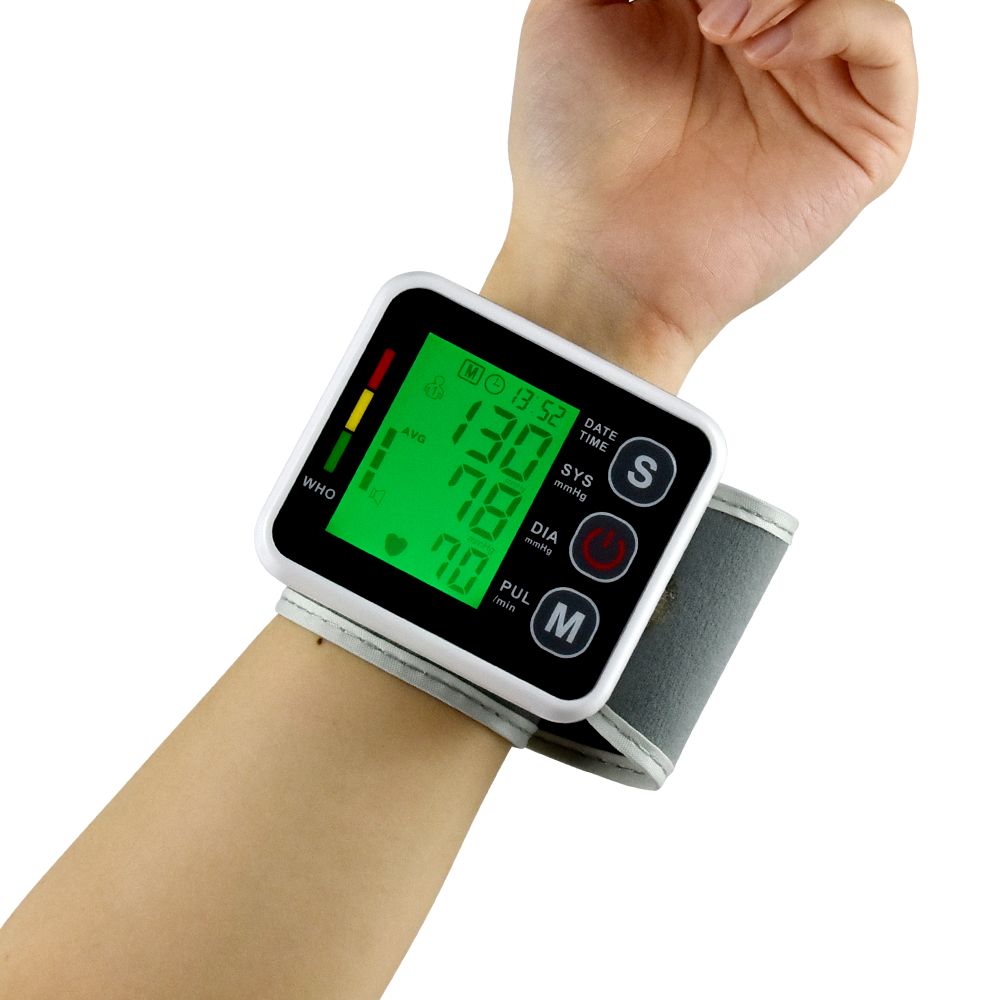
Measurement Range: Typical wrist BP monitors can measure systolic and diastolic pressure within a range of 0 to 300 mmHg. Ensure that the device meets the requirements of your target market.
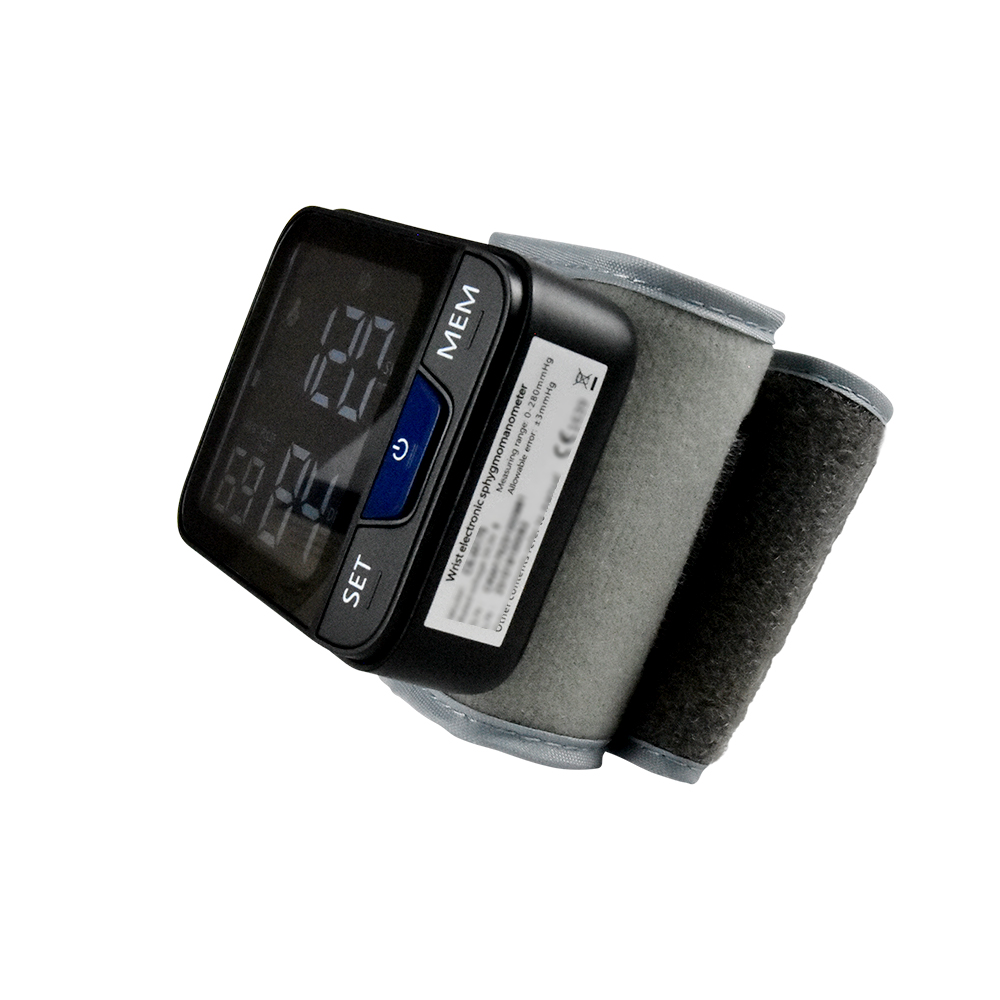
Accuracy: Look for monitors that offer an accuracy of ±3 mmHg, as this is crucial for reliable readings. Devices should ideally comply with international standards like ISO 81060-2.
Display Features: A clear digital display is essential for ease of reading. Some models also feature backlighting for use in low-light conditions.
Memory Storage: Monitors with built-in memory can store multiple readings, which assists healthcare providers in tracking patients' blood pressure over time. Check for models that can store at least 90 readings.
Power Source: Most wrist BP monitors use batteries, but some models may offer rechargeable options. Consider the convenience and longevity of the power source.
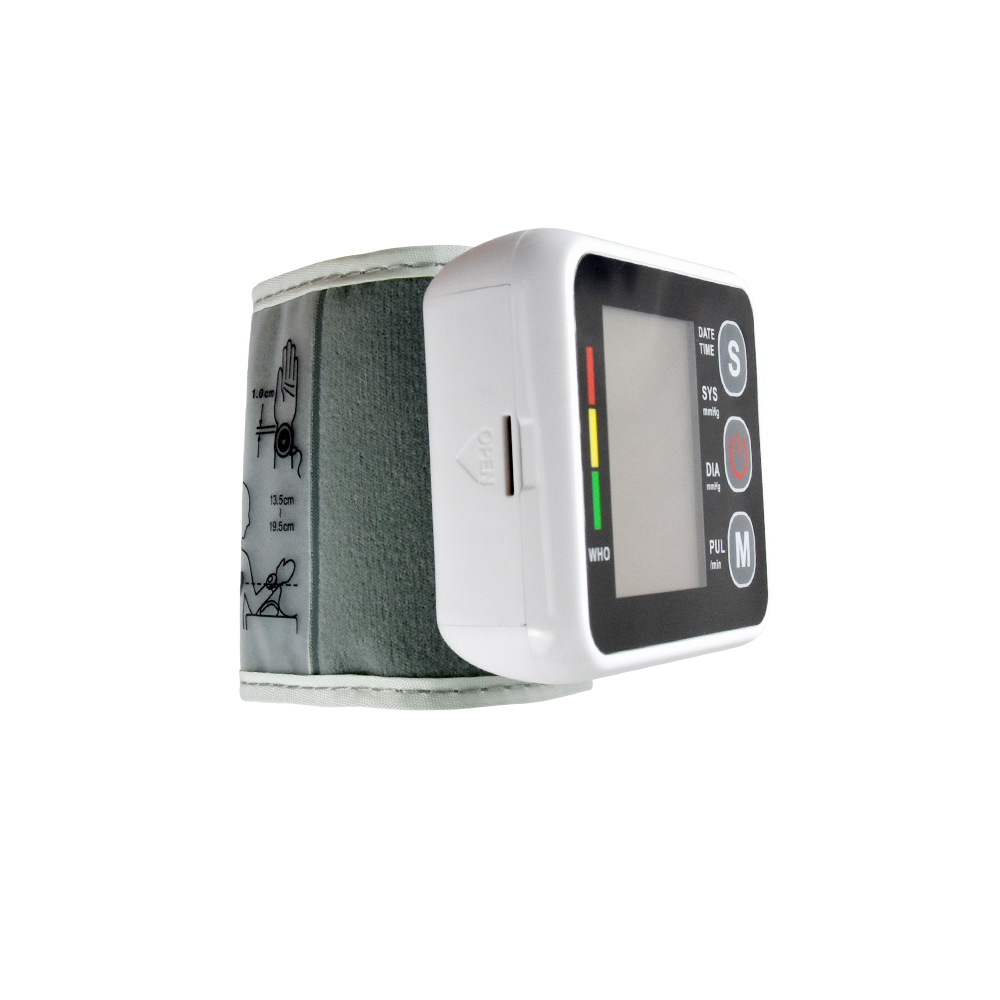
Cuff Size: The cuff should fit comfortably around the wrist. Models that accommodate a range of wrist sizes (usually 13.5 cm to 21.5 cm) can help meet diverse user needs.
These specifications not only affect the product's performance but also its marketability. Ensuring compliance with recognized standards can enhance trust among buyers. For instance, models like Upper Arm Electronic Blood Pressure Monitors can also be considered based on these specifications.
Quality evaluation of wrist BP monitors involves several critical steps:
Certification Verification: Confirm that the wrist BP monitors have necessary certifications such as CE, ISO 13485, and FDA approvals. These certifications indicate compliance with international safety and quality standards.
Sample Testing: Before mass production, request samples for testing under real-world conditions. Evaluate their accuracy, ease of use, and durability. It’s essential to verify that the monitor consistently delivers accurate readings across various conditions.
Quality Control Processes: Inquire about the manufacturer’s quality control measures. Comprehensive testing throughout the production process, including calibration and functionality checks, should be standard practice.
Material Quality: Assess the materials used in the manufacturing of the monitors. High-quality components can prevent issues such as inaccurate readings or device failure. For example, durable plastics can enhance the lifespan of the monitor and improve user experience.
User Feedback: Research customer reviews and feedback for existing products. This can provide insights into common issues faced by users and the overall satisfaction with the product.
By thoroughly evaluating these aspects, you can ensure that the wrist BP monitors you choose to distribute meet high standards of quality and reliability.
Hangzhou Huaan Medical Health Instruments Co., Ltd. has been a trusted manufacturer of medical instruments since 1997, recognized for our commitment to quality and innovation. Our wrist BP monitors are designed with superior accuracy, comfort, and durability in mind.
Expertise in R&D: Our strong research and development capabilities allow us to continuously enhance our product offerings, ensuring they meet the evolving needs of healthcare professionals.
OEM/ODM Capabilities: We offer flexible customization options, allowing our clients to tailor products according to their specific requirements, including branding, packaging, and technical specifications.
Global Certifications: Our products hold various international certifications, including CE, ISO 13485:2003, and FDA, ensuring compliance with global standards.
Commitment to Quality: Our rigorous quality control processes guarantee that every wrist BP monitor leaving our facility meets the highest standards of performance and reliability.
Choosing us means partnering with a manufacturer dedicated to delivering high-quality medical devices tailored to your needs.
Wrist BP monitors are versatile tools that find applications in diverse medical settings:
Home Healthcare: Patients can easily monitor their blood pressure at home, allowing for proactive management of hypertension and other health conditions. This convenience empowers patients and reduces the burden on healthcare providers.
Clinics and Hospitals: Healthcare professionals use wrist BP monitors for quick assessments during routine check-ups. Their portability and ease of use make them suitable for various clinical environments.
Telemedicine: With the rise of telehealth, wrist BP monitors can be integrated into remote monitoring programs, enabling healthcare providers to track patients' blood pressure readings in real-time.
Fitness and Wellness Programs: These devices are also popular among fitness enthusiasts who wish to monitor their cardiovascular health as part of a broader wellness strategy. For example, incorporating Digital Blood Pressure Monitors into fitness routines can enhance health tracking.
Understanding the application of wrist BP monitors helps in targeting the right market segments and improving customer satisfaction.
When approaching the procurement of wrist BP monitors, consider the following step-by-step process:
Define Specifications: Clearly outline the required specifications based on your market needs, including measurement range, accuracy, and additional features.
Supplier Research: Identify potential suppliers by researching manufacturers with a proven track record in producing high-quality medical devices. Look for certifications and positive customer feedback.
Request Samples: Contact suppliers to request samples, ensuring they meet your specified requirements. Perform thorough testing on these samples.
Evaluate Proposals: Compare proposals based on price, lead time, minimum order quantity (MOQ), and payment terms. Ensure you are aware of potential additional costs such as shipping and customs.
Finalize Orders: Once you are satisfied with the samples and proposals, finalize your order with the selected supplier. Confirm all details, including specifications, delivery schedules, and payment arrangements.
Quality Assurance: Develop a plan for quality assurance to monitor the products upon receipt and throughout their lifecycle. This may include regular checks and feedback loops with the supplier.
By following this structured approach, you can ensure a successful procurement process, leading to better product outcomes and customer satisfaction.
Understanding the specifications, quality evaluation, applications, and a systematic procurement approach for wrist BP monitors will aid B2B buyers in making informed decisions, ultimately enhancing their offerings in the medical device market.
JASUN is a registered trademark of Hangzhou Hua'an Medical & Health Instruments Co.,Ltd. Your first option for premium thermometer suppliers in China with CE, MDR, ISO13485:2003, FDA and BSCI certificates.
Our location: Building 2,1# Fuzhu Nan RD, Wuchang Town, Yuhang District, Hangzhou, Zhejiang 310023, China
HOURS: 8:30AM - 6:00PM
Copyright © Hangzhou Hua'an Medical & Health Instruments Co.,Ltd. All Rights Reserved Blog Privacy Policy
 EN