
The upper arm cuff blood pressure monitor is an essential medical device used for measuring blood pressure accurately and comfortably. As a purchasing manager, distributor, or medical professional, understanding the nuances of these monitors is crucial. This article will address key concerns related to quality, specifications, cost, installation, and common issues, helping you make informed decisions when sourcing these devices from manufacturers like Hangzhou Huaan Medical Health Instruments Co., Ltd., a trusted name in the industry since 1997.
When assessing the quality of upper arm cuff blood pressure monitors, several factors come into play. First, consider certification and compliance with international standards, such as CE, ISO13485:2003, and FDA approvals. These certifications indicate that the product has undergone rigorous testing for safety and efficacy.
Next, evaluate the manufacturing process. Manufacturers with advanced R&D capabilities and stringent quality control processes are more likely to produce reliable devices. Inquire about their production equipment and whether they utilize automated testing to ensure accuracy.
Finally, assess the materials used in the cuffs and monitors. High-quality materials not only enhance comfort but also ensure durability and longevity. For example, a monitor with a soft, hypoallergenic cuff will provide a better patient experience and reduce the risk of skin irritation. Additionally, consider using devices like Upper Arm Electronic Blood Pressure Monitors for enhanced accuracy.
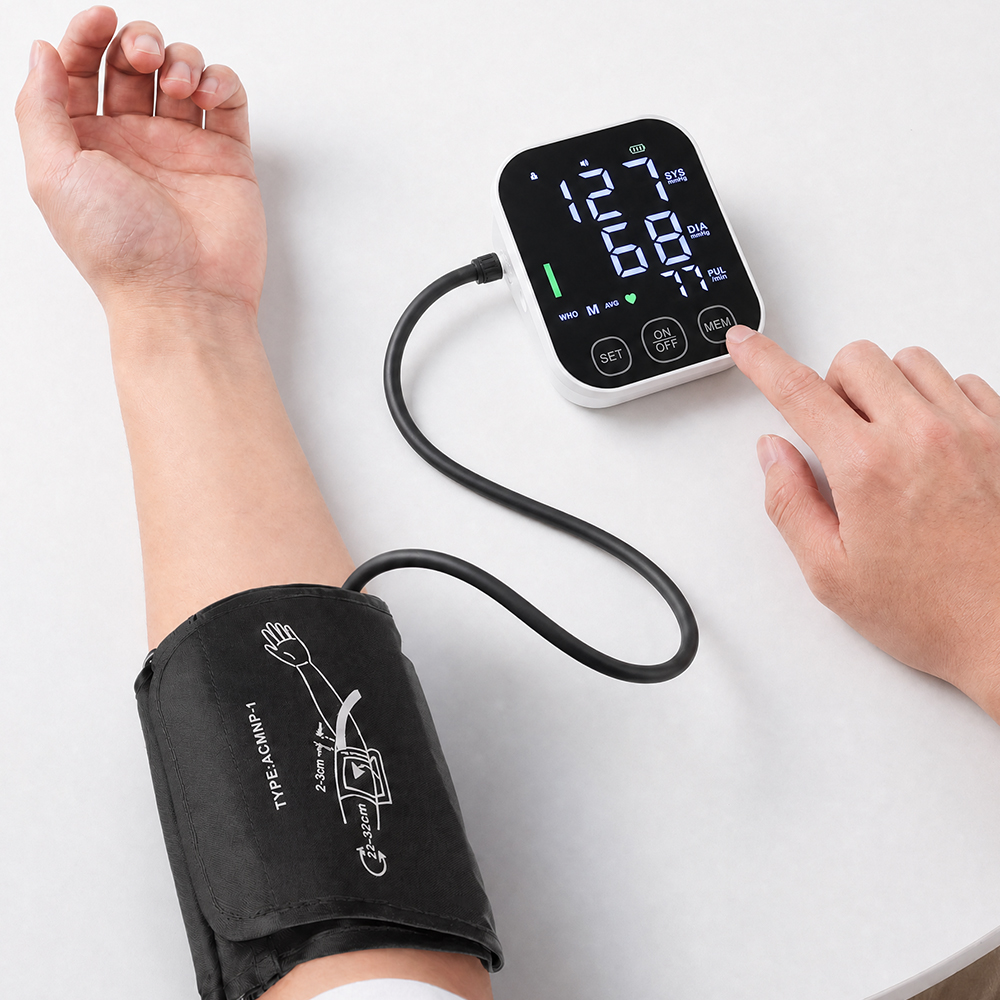
Understanding the key specifications of upper arm cuff blood pressure monitors is vital for making an informed purchase. Important specifications to consider include:
Accuracy: Look for monitors that meet the ±3 mmHg accuracy standard, as stated by the American National Standards Institute (ANSI). This is critical for ensuring reliable blood pressure readings. Cuff Size: Cuffs come in various sizes. It's essential to choose monitors with adjustable cuffs to accommodate different arm circumferences. A well-fitting cuff ensures accurate readings. Display Features: Monitors should have clear, easy-to-read displays that show systolic, diastolic, and pulse readings. Some devices also offer backlighting for low-light conditions. Memory Function: A monitor with memory storage allows users to track historical data, which can be beneficial for patient monitoring over time. Power Source: Consider whether the device operates on batteries or has a rechargeable option. A monitor with a long battery life reduces maintenance and operational costs.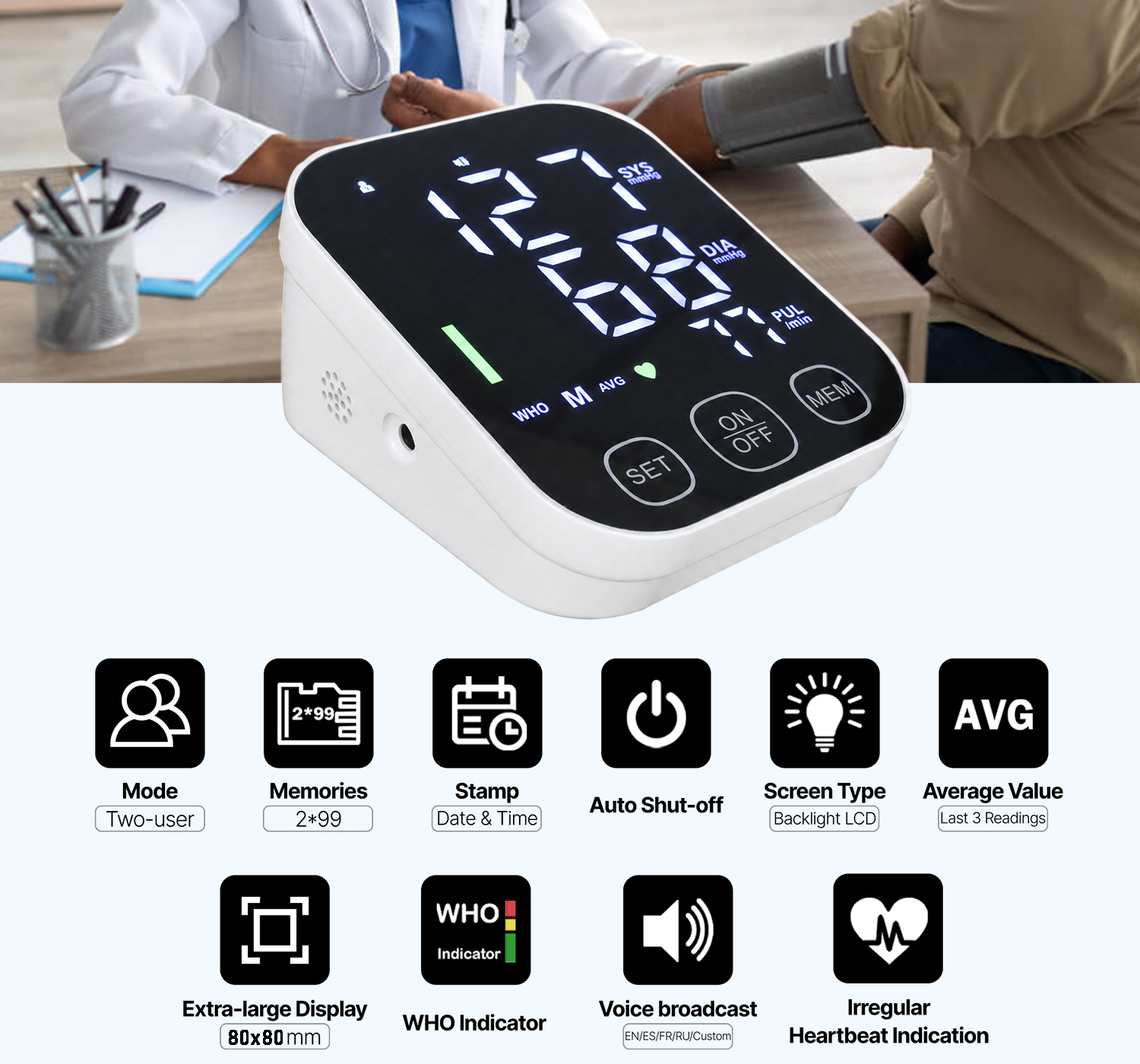
Pricing for upper arm cuff blood pressure monitors can vary significantly based on several factors. When comparing costs for bulk orders, consider the following elements:
Volume Discounts: Many manufacturers offer lower prices for larger orders. It's beneficial to clarify the minimum order quantity (MOQ) and any pricing tiers associated with larger purchases. Customization: If you require specific features or branding, customization may increase costs. However, it can also enhance the product's marketability. Shipping and Duties: Factor in shipping costs and any import duties that may apply, as these can significantly affect the total cost. Always request a breakdown of costs to avoid surprises. Warranty and Support: Evaluate the warranty terms offered by the manufacturer. A longer warranty period may justify a higher upfront cost, as it reflects the manufacturer's confidence in their product.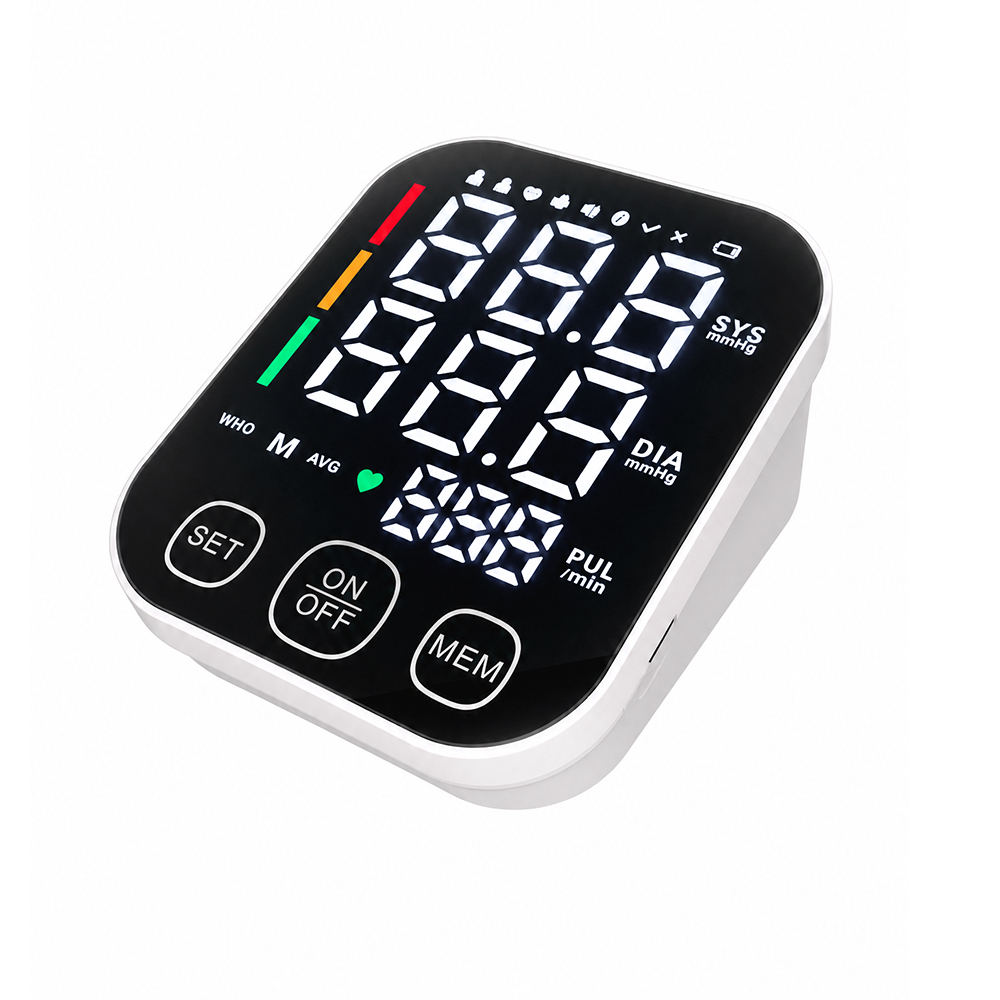
Proper installation of upper arm cuff blood pressure monitors is essential for accurate readings. Here are some key guidelines:
Location: Install the monitor in a quiet, stable environment, away from direct sunlight and vibrations. This helps prevent interference during measurements. Cuff Placement: Ensure that the cuff is placed on the upper arm, approximately 1 inch above the elbow. The cuff should be snug but not too tight, allowing for comfortable blood flow. Positioning: The arm should be supported at heart level to obtain accurate readings. Use a table or desk to support the arm during measurement. Calibration: Periodically calibrate the device as per the manufacturer's recommendations to maintain accuracy. This is especially important in clinical settings.Despite their reliability, upper arm cuff blood pressure monitors may encounter some common issues. Here are a few problems and their solutions:
Inaccurate Readings: This can result from improper cuff placement or size. Always ensure the cuff fits correctly and is positioned at the right height on the arm. Device Malfunction: If the monitor fails to turn on or displays error messages, check the battery and ensure it's installed correctly. Refer to the user manual for troubleshooting steps. Cuff Damage: Over time, cuffs may wear out or develop leaks. Regularly inspect cuffs for signs of wear and replace them as necessary to ensure consistent performance. User Error: Educate users on proper measurement techniques. Factors such as talking, moving, or being anxious during measurement can affect results.By understanding these critical aspects, you can make informed decisions when sourcing upper arm cuff blood pressure monitors, ensuring that they meet the needs of your customers while maintaining quality and reliability. Additionally, consider incorporating Digital Blood Pressure Monitors for enhanced features and user-friendliness.
JASUN is a registered trademark of Hangzhou Hua'an Medical & Health Instruments Co.,Ltd. Your first option for premium thermometer suppliers in China with CE, MDR, ISO13485:2003, FDA and BSCI certificates.
Our location: Building 2,1# Fuzhu Nan RD, Wuchang Town, Yuhang District, Hangzhou, Zhejiang 310023, China
HOURS: 8:30AM - 6:00PM
Copyright © Hangzhou Hua'an Medical & Health Instruments Co.,Ltd. All Rights Reserved Blog Privacy Policy
 EN