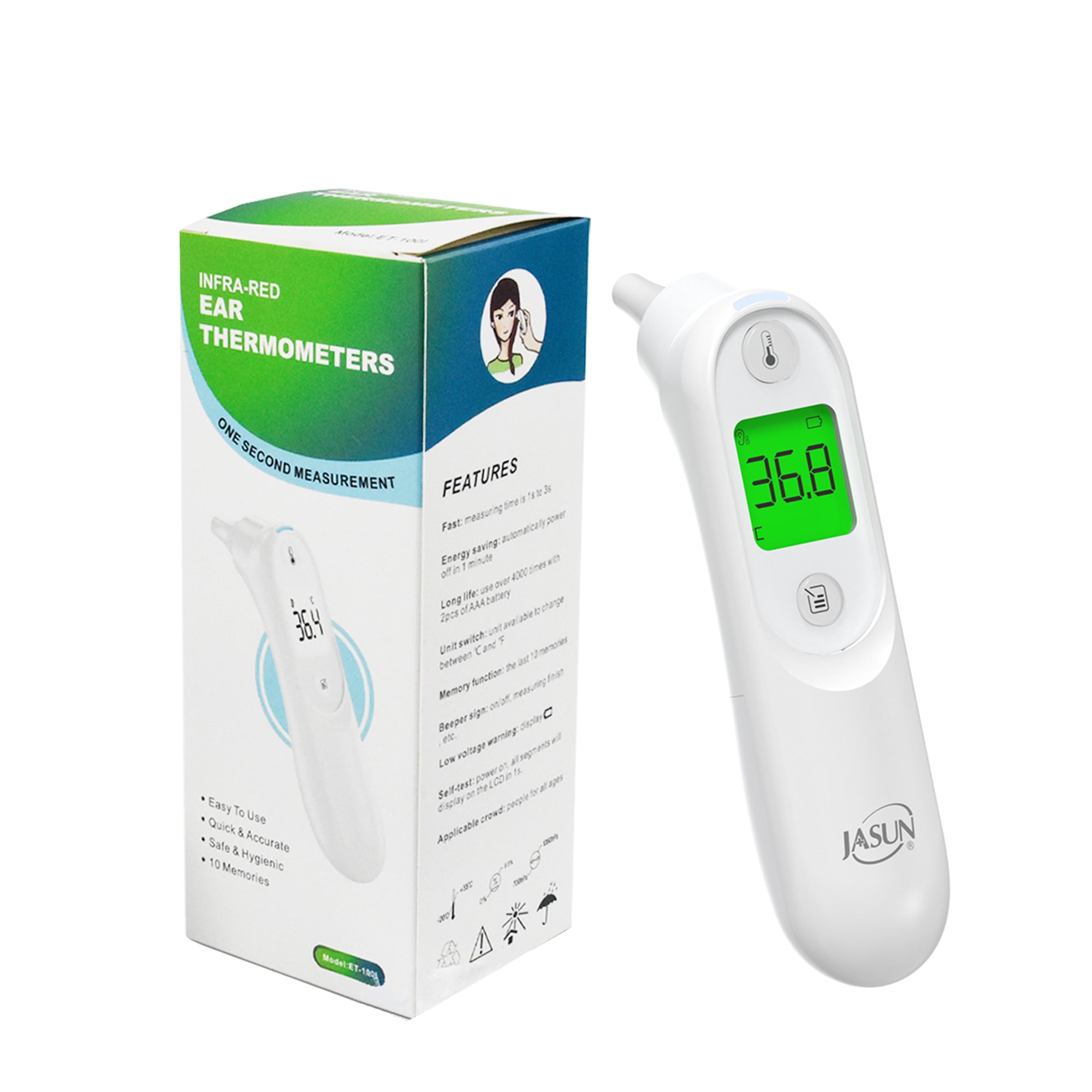
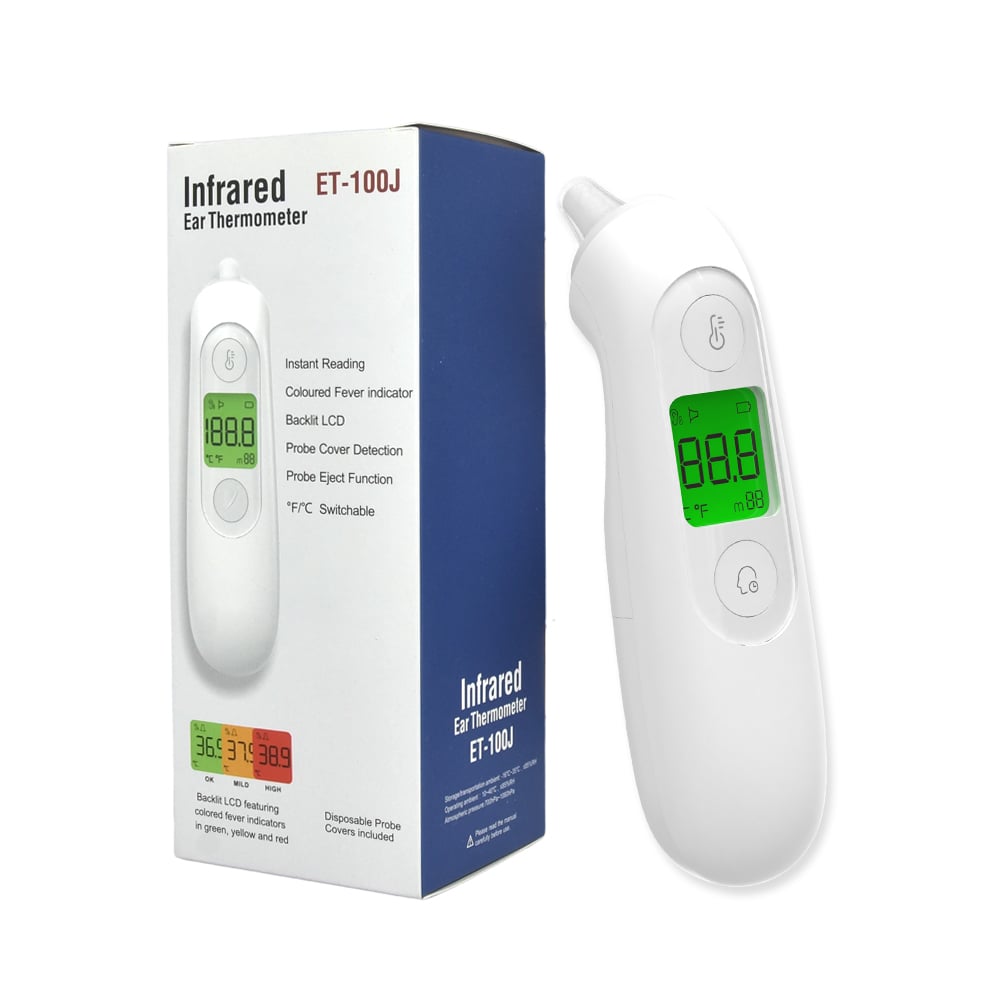
Tympanic ear thermometers are advanced medical devices designed for quick and accurate measurement of body temperature through the ear canal. As a B2B buyer, you may be concerned about product reliability, accuracy, and suitability for medical applications. This article will guide you through the key specifications to evaluate, the applications of tympanic ear thermometers in medical settings, common problems and solutions, cost factors to consider, and the advantages of this type of thermometer over others.
When evaluating tympanic ear thermometers, several specifications are crucial to ensure optimal performance and accuracy.
Accuracy: This is perhaps the most critical specification. Look for ear thermometers that guarantee an accuracy within ±0.2°C (±0.4°F). High accuracy is essential for clinical settings, where even slight deviations can affect patient care.
Response Time: Fast measurement is vital in medical environments. A good tympanic ear thermometer should provide readings in 1-3 seconds. This quick response helps improve workflow efficiency in busy medical settings.
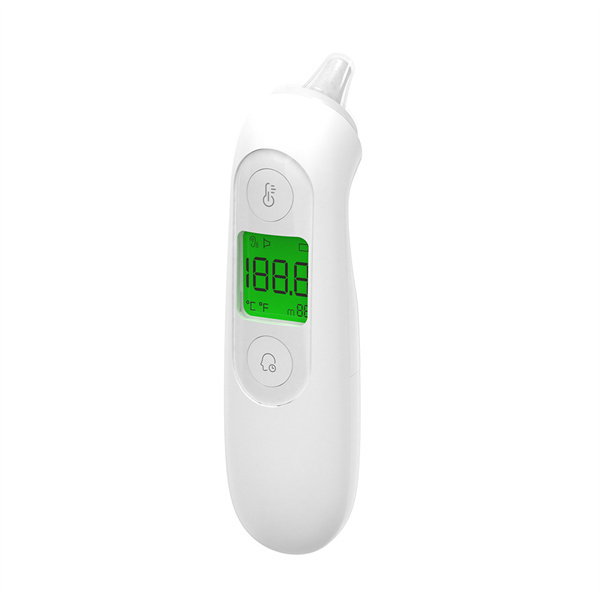
Display Type: Digital displays are standard, but consider models with backlit screens for ease of reading in low-light conditions. Some models also have audible alerts indicating when the measurement is complete.
Battery Life: Long battery life is essential, especially for thermometers used in high-volume settings. Look for devices that offer extended battery life, ideally supporting several thousand measurements on a single set of batteries.
Calibration: Ensure the thermometer has an easy calibration process and comes with a calibration certificate, as this can be crucial for maintaining accuracy over time.
Ergonomics: The design should be user-friendly, with a comfortable grip and easy-to-use buttons. This ensures that healthcare professionals can operate the device quickly and efficiently.
Hygiene Features: Check if the thermometer has features that promote hygiene, such as disposable probe covers or a design that allows for easy cleaning.
By focusing on these specifications, buyers can ensure they select a tympanic ear thermometer that meets clinical needs and enhances patient care.
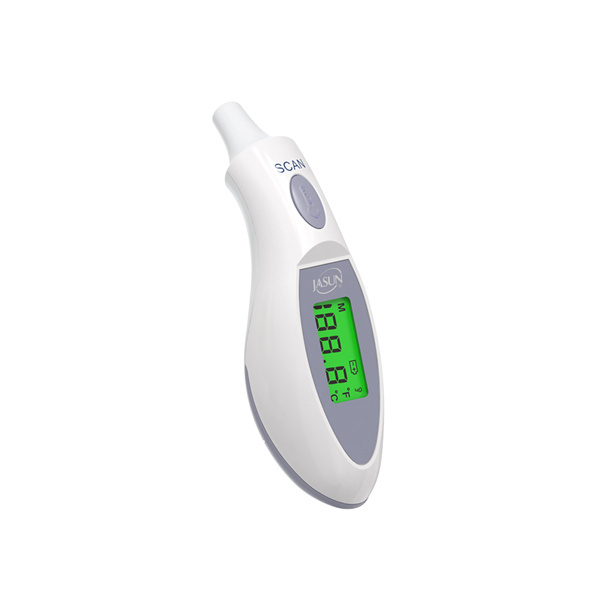
Tympanic ear thermometers are widely used in various medical settings due to their unique advantages.
Emergency Rooms and Urgent Care: These environments benefit from the quick response time of tympanic ear thermometers, allowing healthcare professionals to assess patients rapidly.
Pediatrics: Children often find conventional thermometers uncomfortable or difficult to use. Tympanic thermometers provide a less invasive option, making them ideal for pediatric care.
Home Health Care: With the increasing trend of at-home health monitoring, tympanic ear thermometers are suitable for caregivers who need to take temperature readings without causing discomfort to patients.
Outpatient Clinics: These thermometers are ideal for outpatient settings where quick assessments are necessary, ensuring timely treatment decisions.
Long-term Care Facilities: In settings where patients may have mobility issues, tympanic ear thermometers allow for easy and fast temperature checks, improving overall patient management.
The versatility and rapid measurement capabilities of tympanic ear thermometers make them a valuable tool in various medical applications.
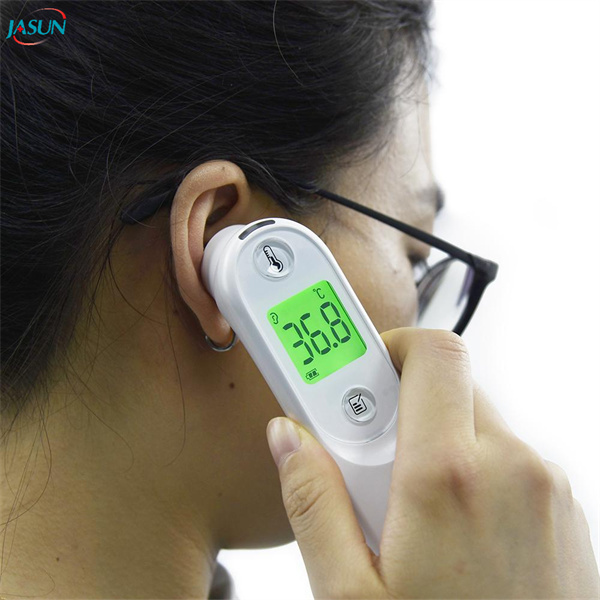
Despite their advantages, tympanic ear thermometers can encounter several common issues. Here are some problems and solutions to consider:
Inaccurate Readings: This can occur due to improper placement or technique. Buyers should ensure that the digital ear thermometer is inserted correctly into the ear canal and that the user is trained in its operation. Regular calibration checks can also mitigate this issue.
Earwax Interference: Excess earwax can affect temperature readings. Users should be advised to check for earwax buildup and, if necessary, clean the ear canal before taking a measurement.
Device Malfunction: Like any electronic device, tympanic thermometers can malfunction. Buyers should select models with warranties and reliable customer service support. Regular maintenance and battery checks can help avoid unexpected failures.
User Error: Improper use can lead to inconsistent readings. Training and clear instructions should be provided to all personnel using the device.
By addressing these common problems proactively, buyers can ensure the reliable operation of tympanic ear thermometers in their medical settings.
When sourcing tympanic ear thermometers, several cost factors should be taken into account to make an informed purchasing decision:
Initial Purchase Price: Prices can vary significantly based on features and brand reputation. Buyers should compare models with similar specifications to find the best value for their needs.
Maintenance Costs: Consider the ongoing costs associated with maintaining the thermometer, including the price of replacement batteries, probe covers, and calibration services.
Volume Discounts: For larger orders, many manufacturers offer discounts. Consider your anticipated usage and inquire about volume pricing to optimize your budget.
Warranty and Support: A longer warranty can indicate higher quality and reduce future repair costs. Ensure the manufacturer provides adequate technical support and customer service.
Training Costs: If the thermometer requires specialized training, factor in the potential costs of training staff.
By evaluating these cost factors, buyers can better understand the total expenditure involved in sourcing tympanic ear thermometers.
Tympanic ear thermometers offer several advantages compared to other temperature measurement methods, making them an appealing choice for medical applications:
Speed: Tympanic thermometers provide results in seconds, significantly faster than oral or rectal methods. This speed is crucial in emergency situations where time is of the essence.
Comfort: These thermometers minimize patient discomfort, particularly in pediatric settings. Unlike rectal thermometers, which can be invasive, tympanic thermometers are non-invasive and quick.
Accuracy: When used correctly, tympanic ear thermometer offer high accuracy comparable to rectal measurements, making them reliable for clinical use.
Ease of Use: Their straightforward design allows for quick training and operation by medical staff. This ease of use translates to efficient patient management.
Portability: Many tympanic ear thermometers are compact and lightweight, making them easy to transport and ideal for use in various healthcare settings.
By understanding these advantages, buyers can recognize why tympanic ear thermometers are a smart investment for their medical facilities.
Tympanic ear thermometers are essential tools for efficient and accurate temperature measurement in medical settings. By understanding their specifications, applications, common issues, cost factors, and advantages, B2B buyers can make informed sourcing decisions that enhance patient care and operational efficiency.
JASUN is a registered trademark of Hangzhou Hua'an Medical & Health Instruments Co.,Ltd. Your first option for premium thermometer suppliers in China with CE, MDR, ISO13485:2003, FDA and BSCI certificates.
Our location: Building 2,1# Fuzhu Nan RD, Wuchang Town, Yuhang District, Hangzhou, Zhejiang 310023, China
HOURS: 8:30AM - 6:00PM
Copyright © Hangzhou Hua'an Medical & Health Instruments Co.,Ltd. All Rights Reserved Blog Privacy Policy
 EN