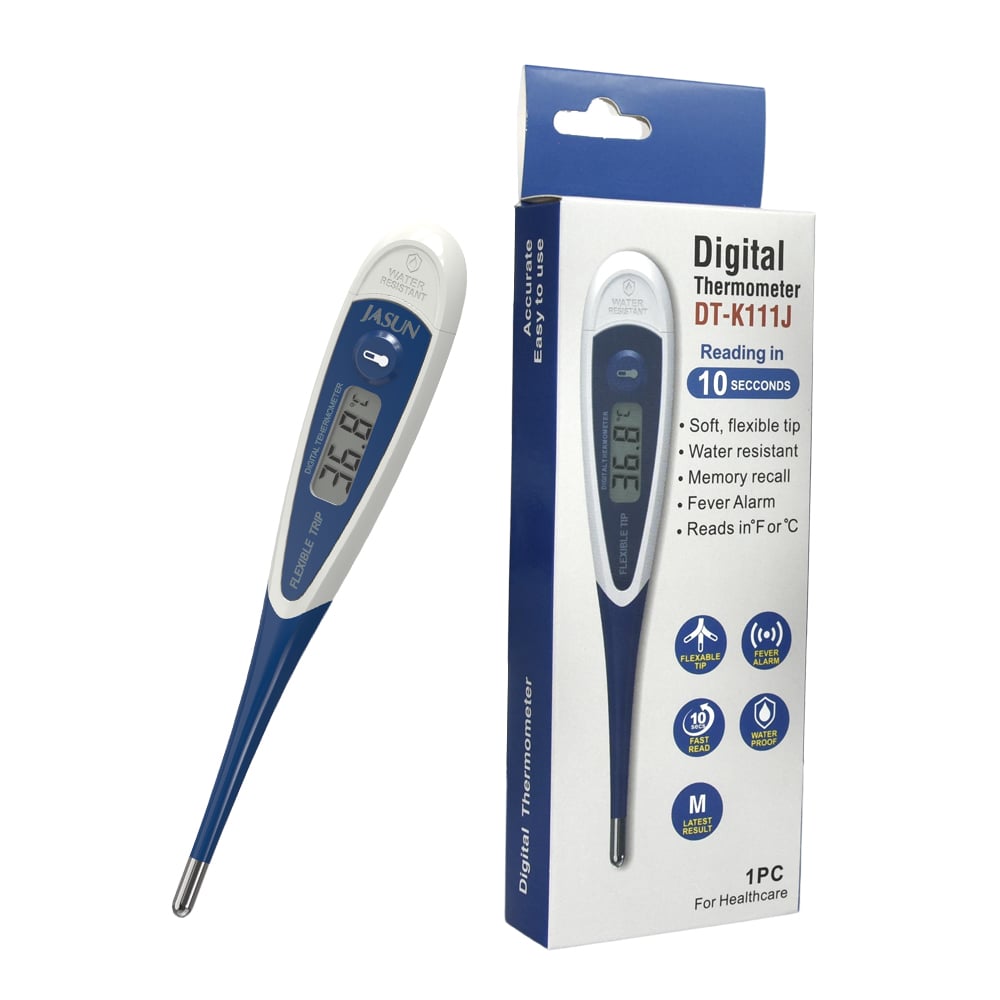
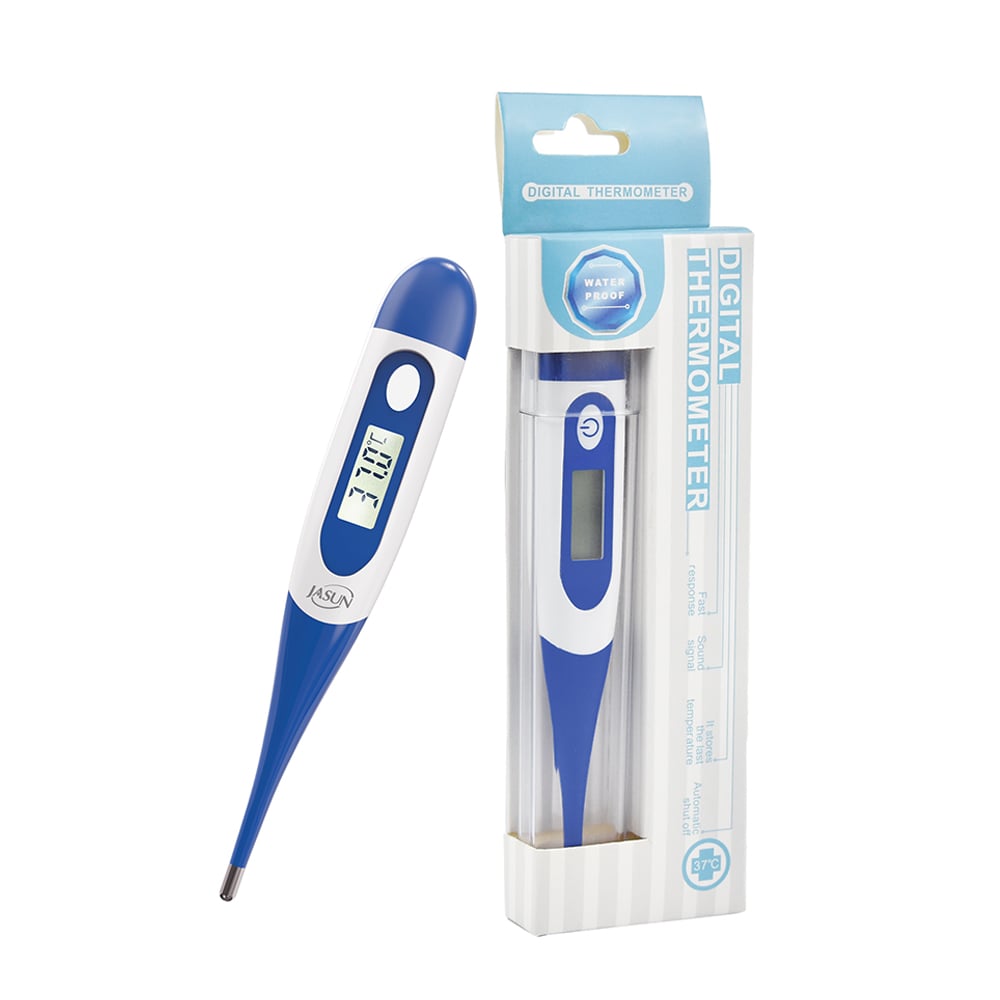
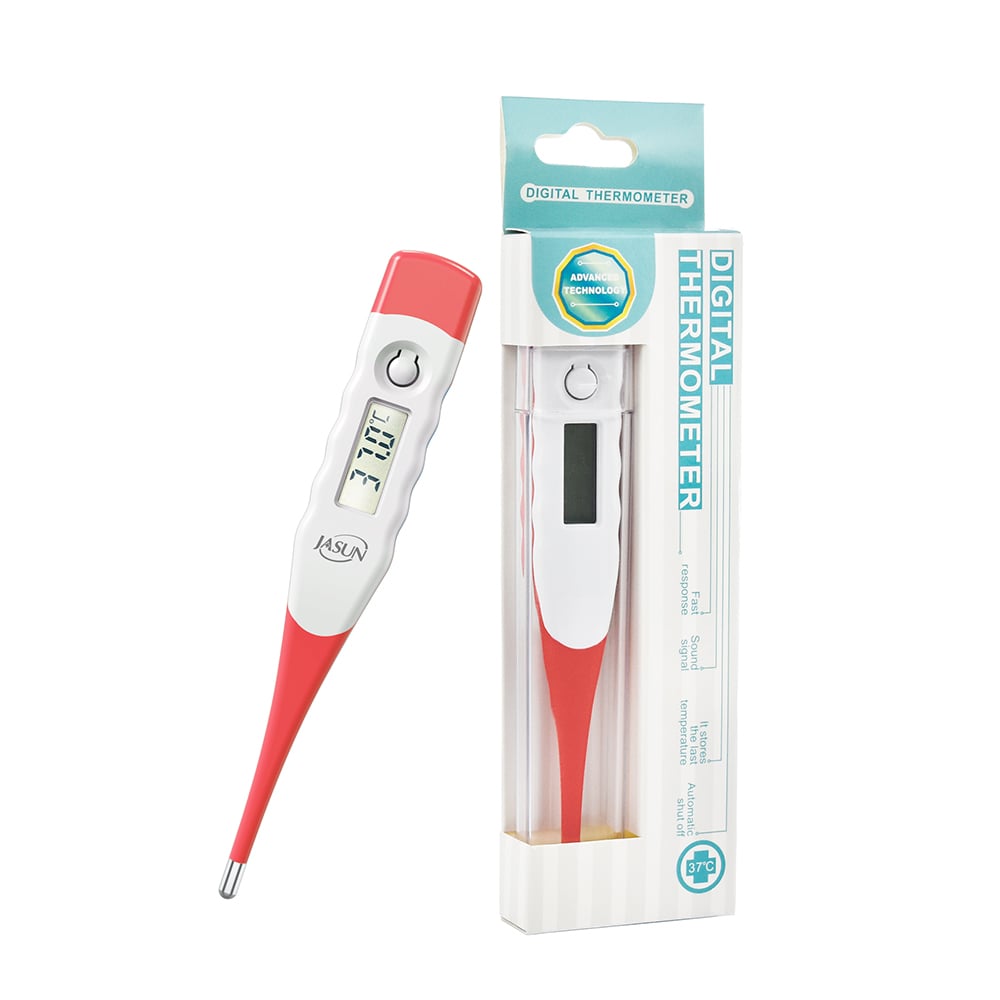
Understanding the intricacies of oral digital thermometers is essential for B2B buyers, including purchasing managers, healthcare professionals, and distributors. These devices serve a critical role in accurately measuring body temperature, especially in medical settings. As you evaluate options, you may have concerns regarding reliability, functionality, and compliance with industry standards. This article will provide insights into how to assess your thermometer supplier, the features and benefits of oral digital thermometers, practical installation tips, common issues with these devices, and how to ensure regulatory compliance during sourcing.
When selecting a supplier for oral digital thermometer accessories, reliability is paramount. Start by assessing their manufacturing capabilities, focusing on their experience in producing medical devices. A reputable supplier should have certifications such as ISO13485:2003, CE, and FDA, which demonstrate compliance with international quality management standards for medical devices.
Inquire about their research and development (R&D) capabilities; a supplier with strong R&D can offer innovative solutions tailored to market demands. Additionally, evaluate their quality control processes. This includes understanding how they conduct inspections, testing procedures, and whether they have a history of addressing quality issues effectively.
Consider their production capacity and lead times. A reliable supplier should be able to meet your order requirements without compromising quality. Lastly, review customer testimonials and case studies to gauge their past performance with other B2B clients in your industry.
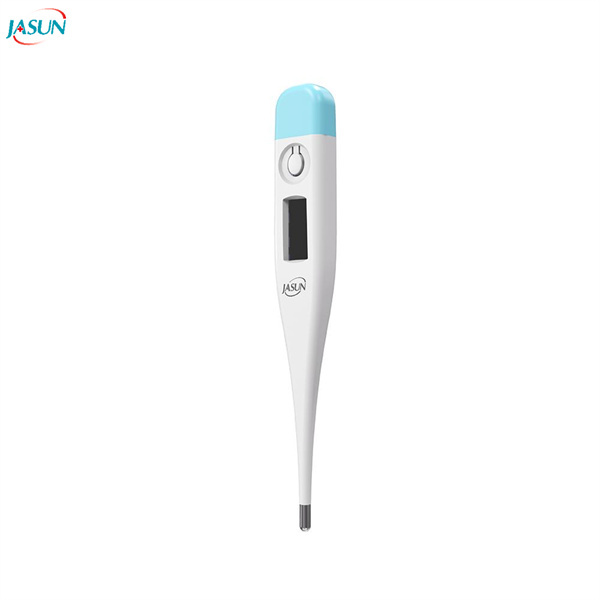
Oral digital thermometers offer several features that enhance their usability and accuracy. Key specifications to look for include:
Accuracy: High-precision sensors are crucial for reliable readings. A thermometer with an accuracy of ±0.1°C is generally acceptable for clinical use.
Display: A clear, backlit LCD screen allows for easy reading, especially in low-light conditions.
Response Time: Look for thermometers that provide a reading within 10 to 30 seconds, which is particularly useful in busy healthcare environments.
Comfort: Soft tips enhance patient comfort during use, which is important for pediatric applications.
Durability: Consider thermometers made from high-quality materials that can withstand regular usage and cleaning.
The benefits of using oral digital thermometers include ease of operation, quick results, and a clear digital display, making them user-friendly for both healthcare professionals and patients. These devices are also typically lightweight and portable, making them suitable for both clinical and home use.
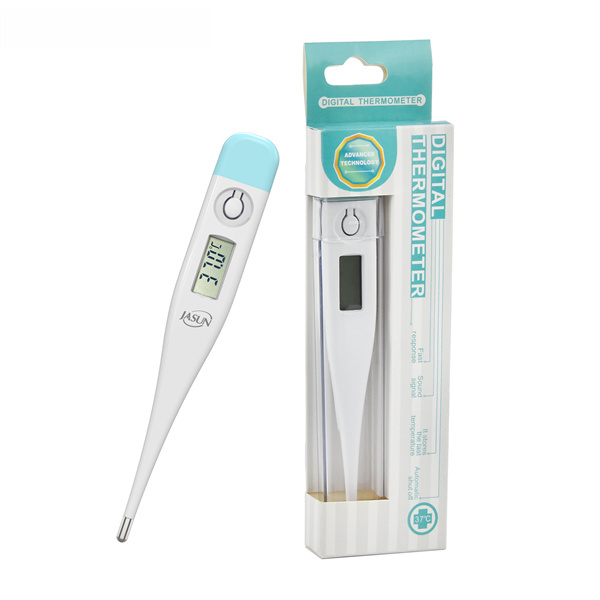
Proper installation and usage of oral digital thermometers can significantly impact their performance. Here are some practical tips to ensure efficient operation:
Read the Manual: Before first use, review the manufacturer’s manual for specific instructions regarding setup and calibration.
Calibration: Ensure that the digital oral thermometer is properly calibrated for accurate readings. Regular calibration checks can prevent discrepancies in temperature readings.
Hygiene Practices: Use disposable covers or disinfect the probe between uses to maintain hygiene and prevent cross-contamination.
Correct Positioning: For oral measurements, place the thermometer under the tongue, ensuring it is in contact with the tissue for accurate readings. Instruct users to keep their mouths closed during measurement.
Battery Maintenance: Regularly check and replace batteries as needed to avoid operational failures.
By following these tips, you can maximize the accuracy and lifespan of your oral digital thermometer.
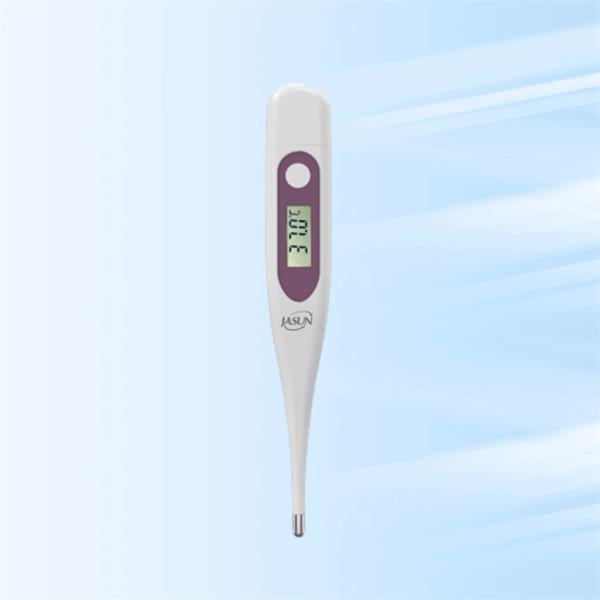
Despite their reliability, oral digital thermometers can face several common issues. Understanding these problems and their solutions can save time and enhance user satisfaction.
Inaccurate Readings: If a thermometer consistently provides inaccurate readings, verify that it is calibrated correctly. Users should also ensure it is being used according to instructions, as improper placement can lead to errors.
Battery Failure: A common issue is battery depletion, which can lead to device malfunction. Regular battery checks and replacements are necessary to prevent failure during critical times.
Display Issues: Problems with the LCD display, such as flickering or failure to show readings, could indicate a need for replacement. Ensure that the device is stored properly to protect it from physical damage.
Cleaning and Maintenance: Over time, thermometers can become contaminated, affecting accuracy. Regular cleaning according to the manufacturer's guidelines is essential to maintain proper function.
Establishing a routine for addressing these common issues can help ensure the longevity and reliability of oral digital thermometers.
Regulatory compliance is a critical consideration when sourcing oral digital thermometers, particularly for medical applications. Here are steps to ensure compliance:
Verify Certifications: Ensure that the supplier possesses necessary certifications such as CE, FDA, and ISO13485:2003. These certifications indicate compliance with health and safety regulations.
Documentation Review: Request documentation related to clinical testing and quality assurance processes. This should include technical files and risk management reports.
Compliance with Local Regulations: Understand the regulatory requirements specific to your target market, as they may vary by country. Ensure that the supplier is familiar with these regulations.
Audit Your Supplier: If possible, conduct an audit of the supplier’s manufacturing facility to assess their quality management systems and compliance with regulatory standards.
Post-Market Surveillance: Establish a process for monitoring the performance of oral thermometer after they enter the market. This includes gathering user feedback and reporting any adverse events.
By focusing on regulatory compliance, you can mitigate risks and ensure that the oral digital thermometers you source meet the necessary standards for safety and efficacy.
In summary, understanding the features, benefits, and compliance requirements of oral digital thermometers, coupled with effective supplier evaluation and problem-solving strategies, will empower you to make informed purchasing decisions that align with your operational needs.
JASUN is a registered trademark of Hangzhou Hua'an Medical & Health Instruments Co.,Ltd. Your first option for premium thermometer suppliers in China with CE, MDR, ISO13485:2003, FDA and BSCI certificates.
Our location: Building 2,1# Fuzhu Nan RD, Wuchang Town, Yuhang District, Hangzhou, Zhejiang 310023, China
HOURS: 8:30AM - 6:00PM
Copyright © Hangzhou Hua'an Medical & Health Instruments Co.,Ltd. All Rights Reserved Blog Privacy Policy
 EN