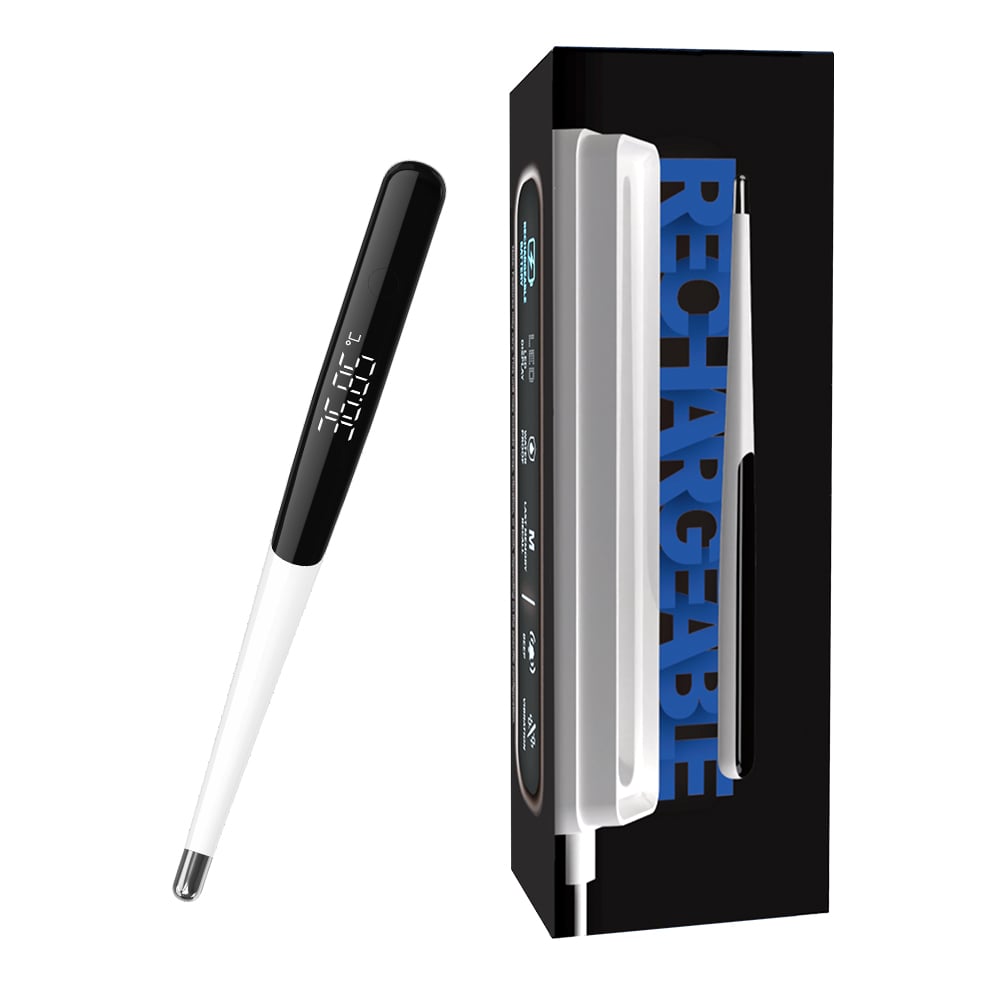
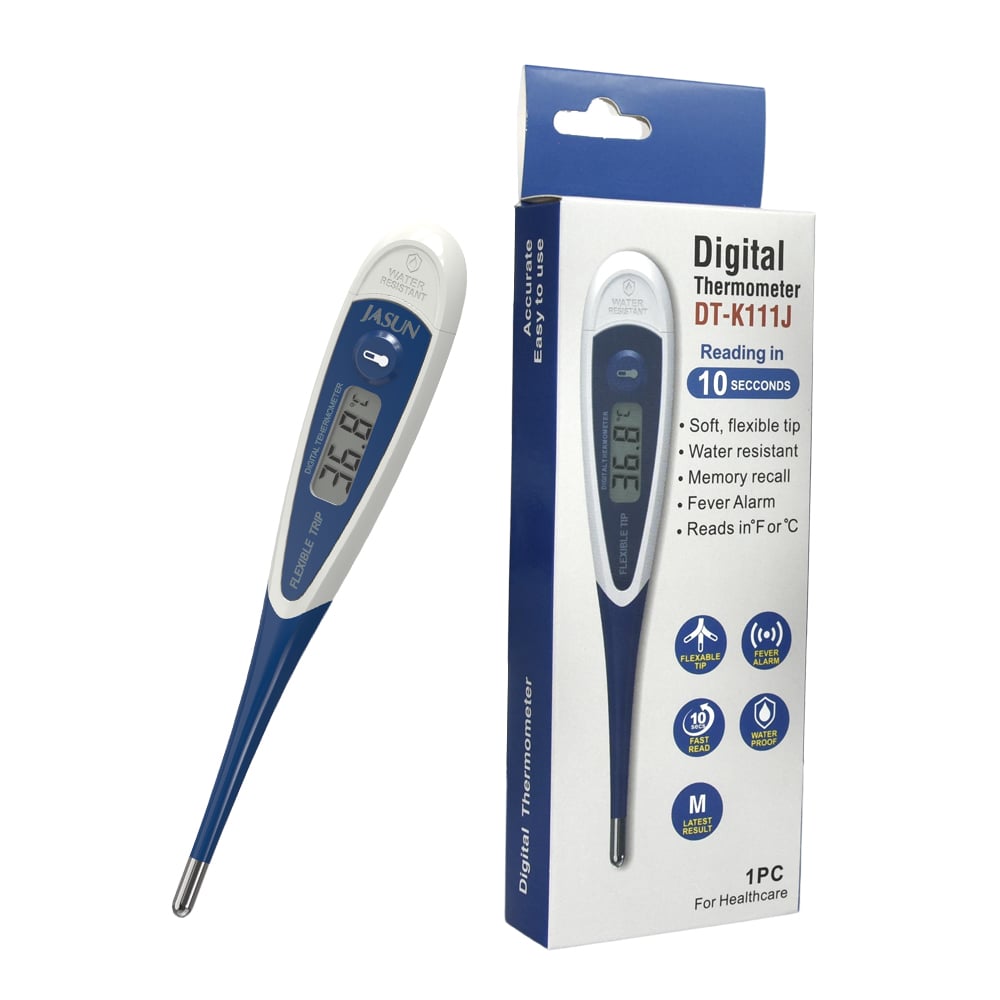
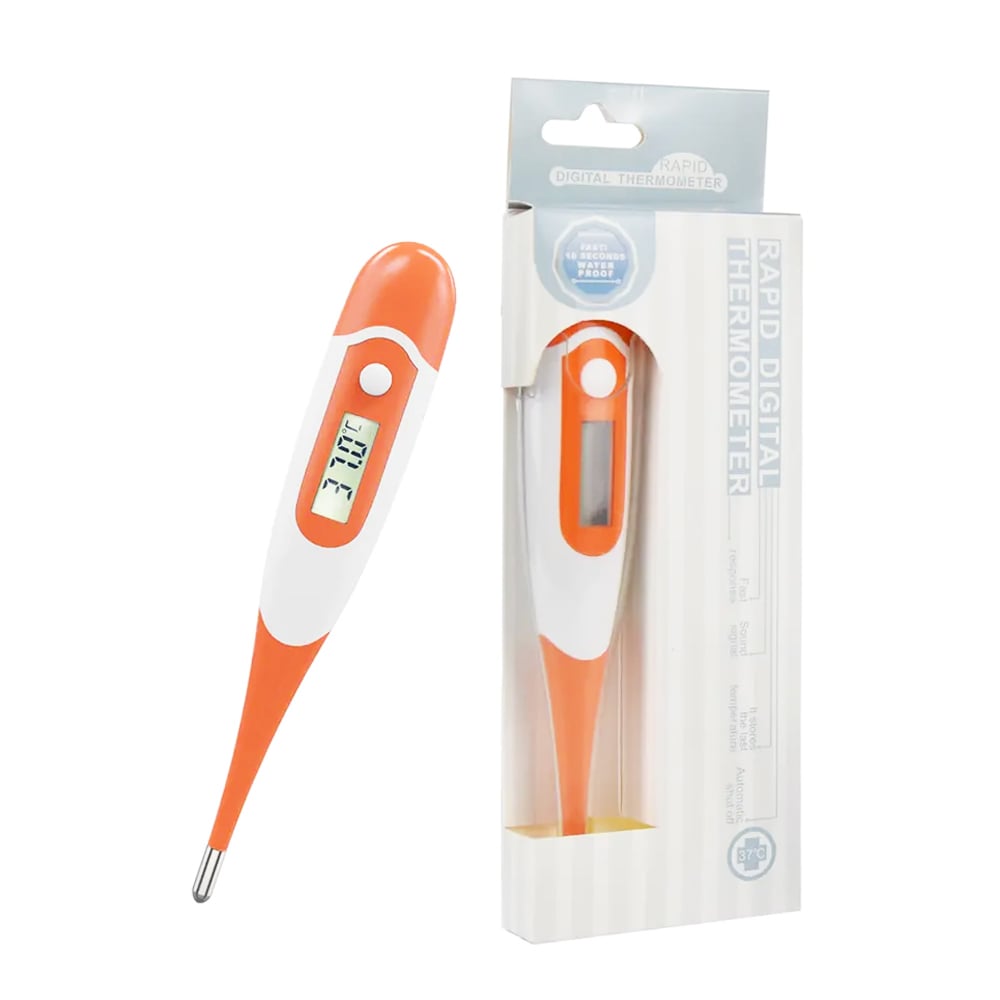
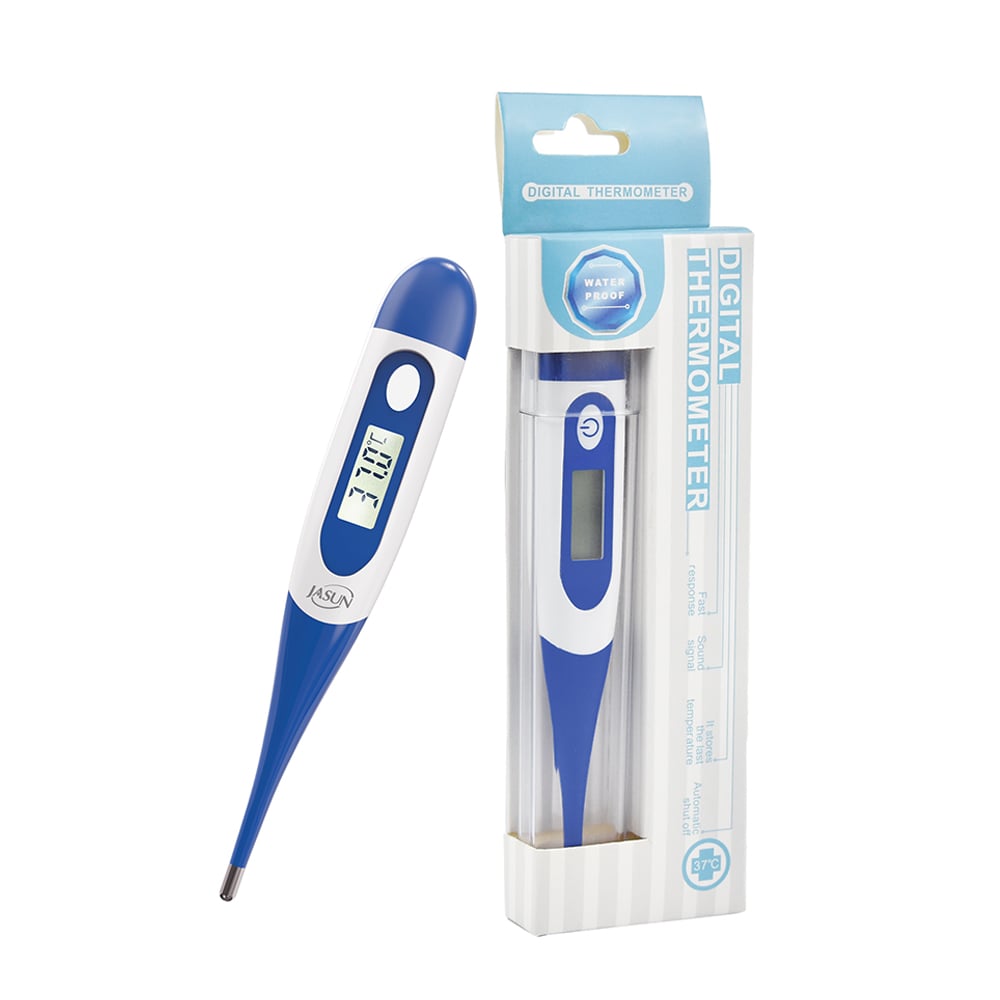
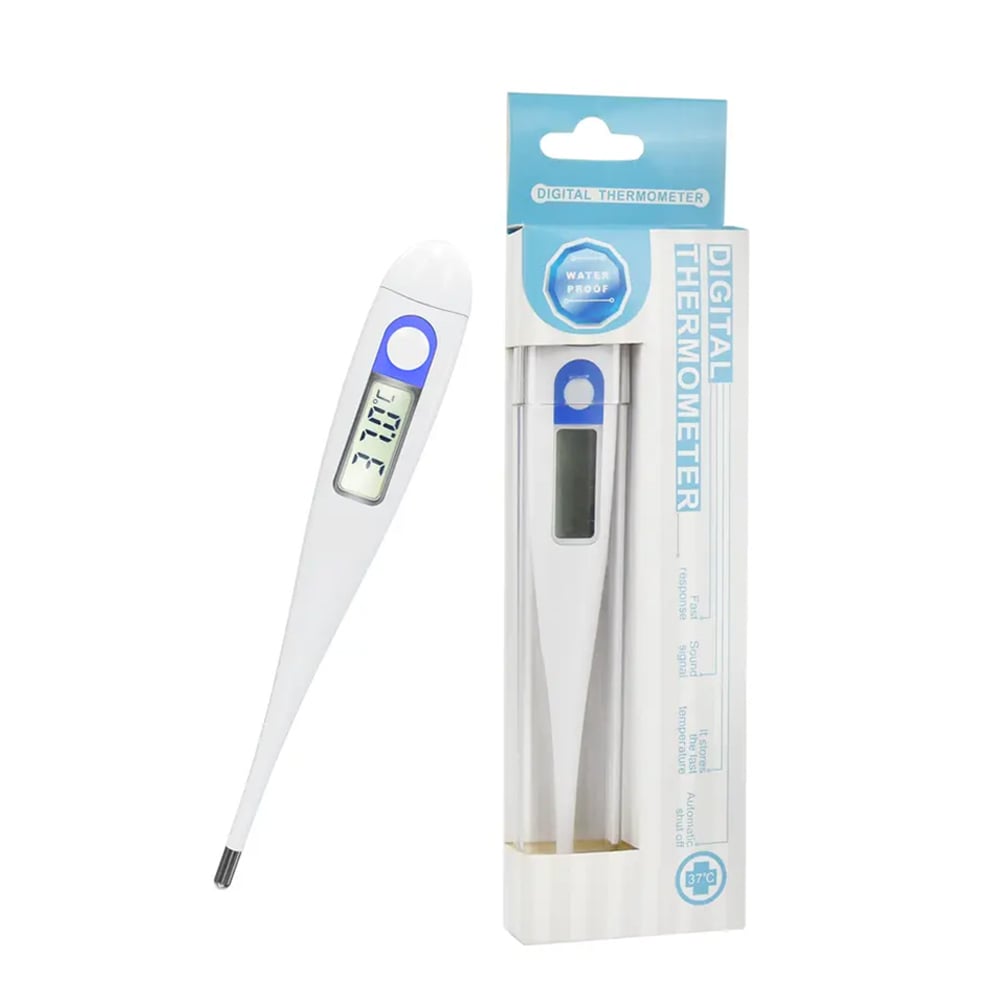
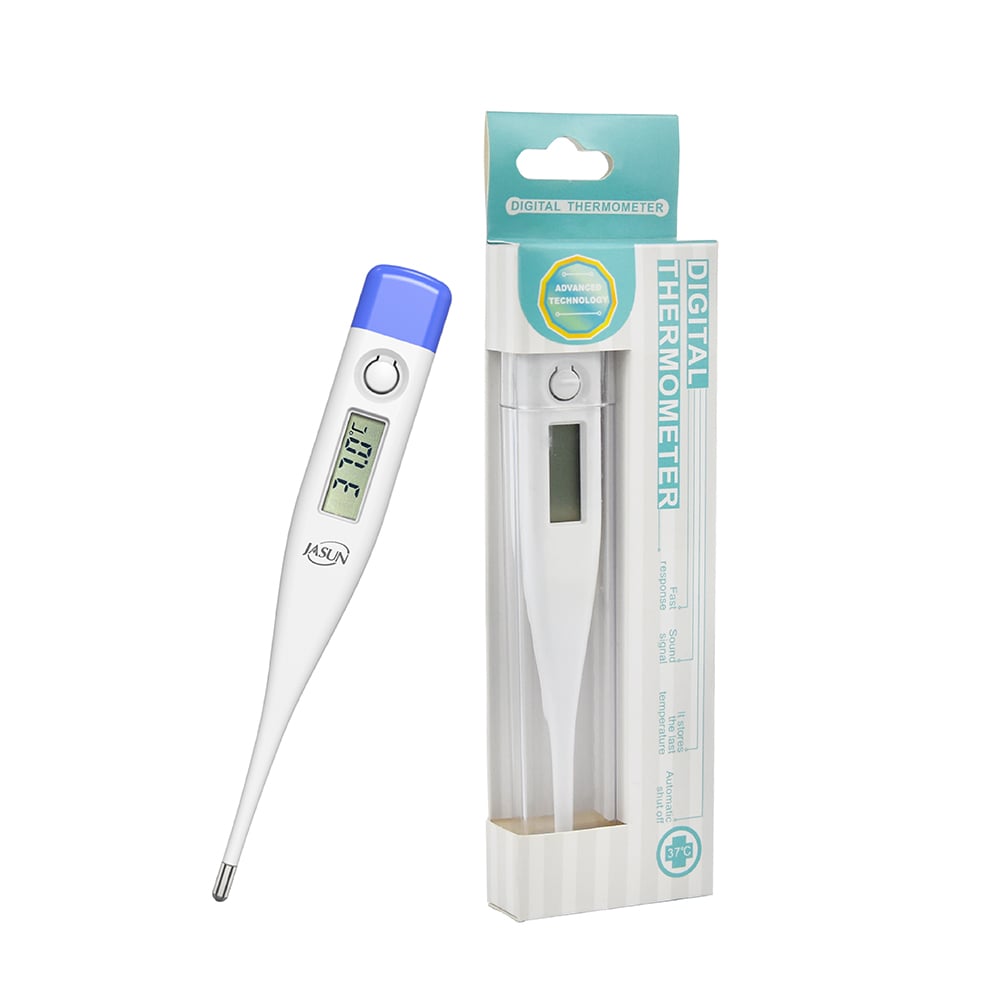
Understanding the nuances of a thermometer for oral use is crucial for any B2B buyer involved in sourcing medical instruments. As a distributor or purchasing manager, your primary concerns likely revolve around product accuracy, reliability, and compliance with health regulations. This article will guide you through the essential specifications, sourcing strategies, quality control practices, common issues, and practical applications of oral thermometers to ensure informed purchasing decisions.
When evaluating a thermometer for oral use, several key specifications should be considered to facilitate accurate and safe temperature measurements.
Measurement Range and Accuracy: A good oral thermometer should have a measurement range of approximately 32°C to 43°C (89.6°F to 109.4°F), with an accuracy of ±0.1°C (±0.2°F). Accuracy is crucial, especially in clinical settings, where precise readings can impact patient care.
Response Time: Speed is often a critical factor. A high-quality oral thermometer should provide a reading within 10 to 60 seconds. Quick response times are advantageous in busy healthcare environments, allowing for efficient patient management.
Display Type: Digital displays are standard in modern thermometers. Look for models with easy-to-read LCD screens that can adapt to low light conditions, which is beneficial in various settings.
Materials: The thermometer's construction materials should be durable and safe for oral use. Medical-grade plastics or stainless steel are often preferred as they are easy to clean and reduce the risk of contamination.
Battery Life: Consider the power source and battery life. A gallium thermometer with a long-lasting battery reduces downtime and maintenance needs, which is particularly important for medical facilities.
Ergonomics: The design should be comfortable for both the user and patient, with a shape that allows for easy handling and positioning in the mouth.
By focusing on these specifications, distributors can ensure they are offering reliable products that meet the needs of healthcare providers.
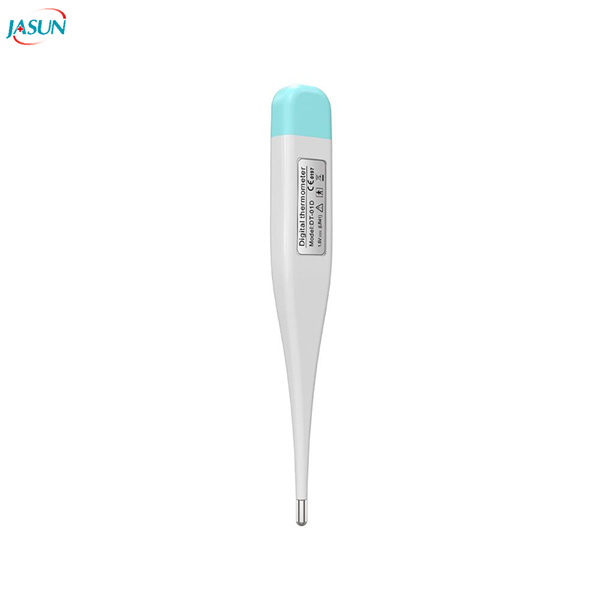
Sourcing reliable oral thermometers begins with identifying reputable manufacturers. Here are steps to facilitate this process:
Research Manufacturers: Start by looking for manufacturers with a solid track record in the medical device industry. Hangzhou Huaan Medical Health Instruments Co., Ltd., for example, has been in operation since 1997 and is recognized for its commitment to quality and accuracy.
Check Certifications: Ensure that the supplier holds relevant certifications such as CE, FDA, ISO13485:2003, and MDR. These certifications indicate compliance with international quality and safety standards.
Request Samples: Before placing large orders, request samples to evaluate product performance and adherence to specifications. This step helps verify accuracy, usability, and comfort.
Assess Customization Options: Discuss customization capabilities with potential suppliers. Some manufacturers, like Huaan, offer OEM/ODM services, allowing you to tailor products to specific market needs.
Evaluate Customer Support: A supplier’s commitment to customer service can significantly affect your experience. Look for suppliers that provide comprehensive support, including technical assistance and after-sales service.
By following these steps, you can establish partnerships with trustworthy suppliers, ensuring the oral digital thermometer you distribute are of high quality and reliability.
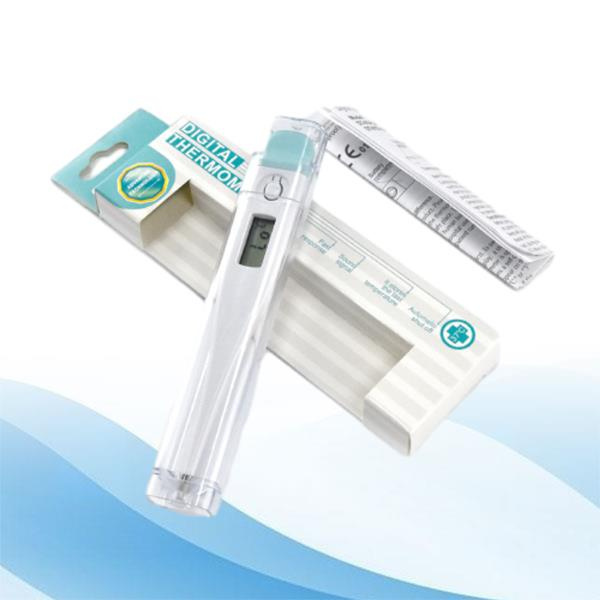
Quality control is paramount in the manufacturing of oral thermometers to ensure that each unit meets rigorous performance standards. Here are some effective practices employed in the industry:
Incoming Material Inspection: Raw materials should be thoroughly inspected for compliance with quality specifications before production begins. This includes checking the properties of plastics and electronic components used in thermometer construction.
In-Process Quality Checks: During production, regular inspections should be conducted to monitor the assembly process. This can help identify any deviations from the standard procedure early on, preventing larger quality issues.
Final Product Testing: Each thermometer should undergo rigorous testing for accuracy, functionality, and safety before it is packaged. This may include temperature calibration tests and durability assessments.
Regulatory Compliance Audits: Regular audits should be conducted to ensure ongoing compliance with international standards and regulations. This includes maintaining certification documentation and adhering to Good Manufacturing Practices (GMP).
Feedback Mechanisms: Establishing channels for feedback from end-users can help identify any product issues in the field, allowing for continuous improvement.
Implementing these quality control practices helps manufacturers like Huaan maintain their reputation for producing reliable medical instruments and enhances trust among distributors.
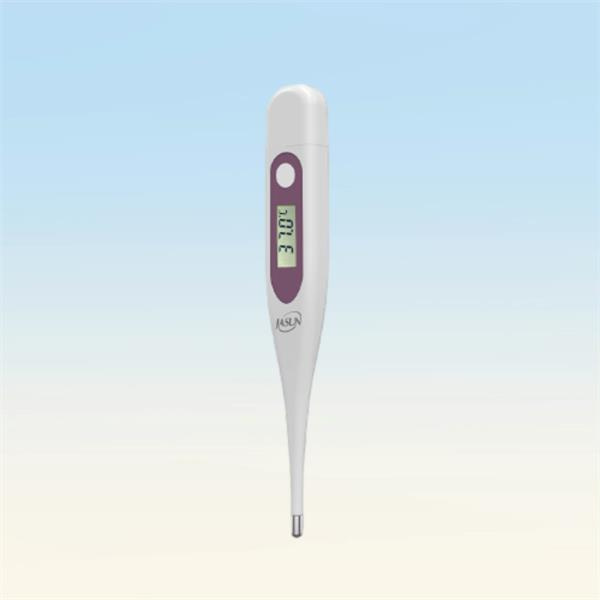
When dealing with oral thermometers, several common issues may arise. Understanding these problems and their solutions can help buyers make informed decisions:
Inaccurate Readings: Inaccurate readings can stem from improper usage or faulty manufacturing. To mitigate this, ensure users are trained on correct usage techniques, and always verify calibration before use.
Battery Failure: Thermometers that do not function due to dead batteries can cause significant disruptions. Choose models with long battery life and consider offering replacement battery kits as part of the product package.
Cleaning Difficulties: Some instant read thermometer may be challenging to clean, posing infection control risks. Opt for thermometers designed with smooth surfaces and minimal crevices, facilitating easier sanitization.
User Error: Misinterpretation of readings can occur, especially with digital displays. Clear usage instructions and visual indicators can help alleviate confusion among users.
By proactively addressing these common issues, buyers can ensure that the oral thermometers they offer are reliable and user-friendly.
Oral thermometers serve a variety of applications in both healthcare settings and home use, making them versatile tools for temperature measurement.
Healthcare Settings: In clinics, hospitals, and emergency rooms, oral thermometers are essential for quickly assessing patient temperatures. They are commonly used in triage situations, pre-operative assessments, and routine check-ups.
Home Use: Increasingly, consumers are turning to digital oral thermometers for self-monitoring health conditions at home. They are trusted for their accuracy and ease of use, especially among parents checking their children’s fevers.
Elderly Care: Oral thermometers are also beneficial in geriatric care, where monitoring body temperature plays a crucial role in assessing health status. Easy-to-read displays and quick measurement times are particularly advantageous for caregivers.
Telehealth: With the rise of telehealth services, oral thermometers have become important tools for remote patient monitoring. They enable healthcare providers to gather essential health data without the need for physical visits.
Understanding the diverse applications of oral thermometers can assist distributors in targeting their marketing efforts effectively and meeting the specific needs of various customer segments. By considering these aspects, B2B buyers can make informed decisions when sourcing oral thermometers, ensuring they provide high-quality, reliable products that meet the demands of their markets.
JASUN is a registered trademark of Hangzhou Hua'an Medical & Health Instruments Co.,Ltd. Your first option for premium thermometer suppliers in China with CE, MDR, ISO13485:2003, FDA and BSCI certificates.
Our location: Building 2,1# Fuzhu Nan RD, Wuchang Town, Yuhang District, Hangzhou, Zhejiang 310023, China
HOURS: 8:30AM - 6:00PM
Copyright © Hangzhou Hua'an Medical & Health Instruments Co.,Ltd. All Rights Reserved Blog Privacy Policy
 EN