
Clinical thermometers are essential medical devices used to measure body temperature accurately. As a leading manufacturer of these instruments, Hangzhou Huaan Medical Health Instruments Co., Ltd. understands the importance of reliability, accuracy, and user comfort in clinical thermometers. This article addresses key concerns that B2B buyers, including purchasing managers, medical equipment distributors, and healthcare professionals, might have when sourcing clinical thermometers. We will explore how to choose the right thermometer, essential specifications to look for, and applications in various healthcare settings, ultimately aiding in informed decision-making.
Selecting the appropriate clinical thermometer depends on various factors, including accuracy, measurement speed, comfort, and application. Key considerations include the type of thermometer—digital, infrared, or glass—as each offers unique advantages. Digital thermometers are known for their quick readings and ease of use, making them ideal for busy clinical environments. Infrared thermometers provide non-contact options, reducing the risk of cross-contamination, which is crucial in infection control.
Buyers should also evaluate the intended use—whether for home healthcare, hospitals, or clinics—as this will affect the durability and design features needed. For instance, thermometers designed for pediatric use may have softer materials and smaller sizes for comfort. Additionally, consider the thermometer's ease of cleaning and maintenance, especially in settings with strict hygiene protocols. For home healthcare, options like Digital Blood Pressure Monitors can complement the use of clinical thermometers to ensure comprehensive patient monitoring.
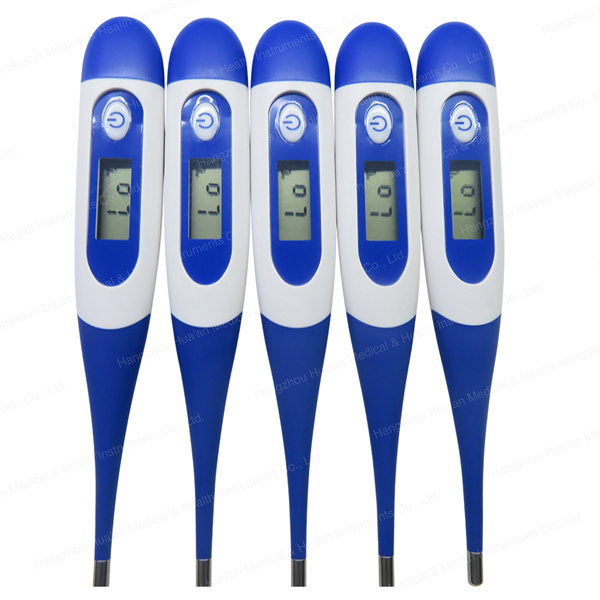
When sourcing clinical thermometers, several critical specifications should be evaluated:
Accuracy: Look for thermometers with a high degree of accuracy, typically within ±0.1°C. This is vital for clinical diagnostics, where precise temperature readings can influence patient treatment.
Response Time: The speed at which a thermometer provides a reading can impact patient care. Ideally, thermometers should provide results in under 30 seconds for digital types, while infrared models can offer instant readings.
Durability: Consider the materials used in the thermometer's construction. Thermometers made from high-quality plastics or medical-grade glass are more resistant to impact and wear, which is particularly important in high-traffic healthcare settings.
Calibration: Ensure that the thermometer can be calibrated easily, as regular calibration is essential for maintaining accuracy over time.
Display: A clear and easy-to-read display is crucial, especially for those working in fast-paced environments. Backlit displays can be beneficial for low-light situations.
By paying attention to these specifications, buyers can ensure they are selecting thermometers that meet the operational demands of their healthcare environments.
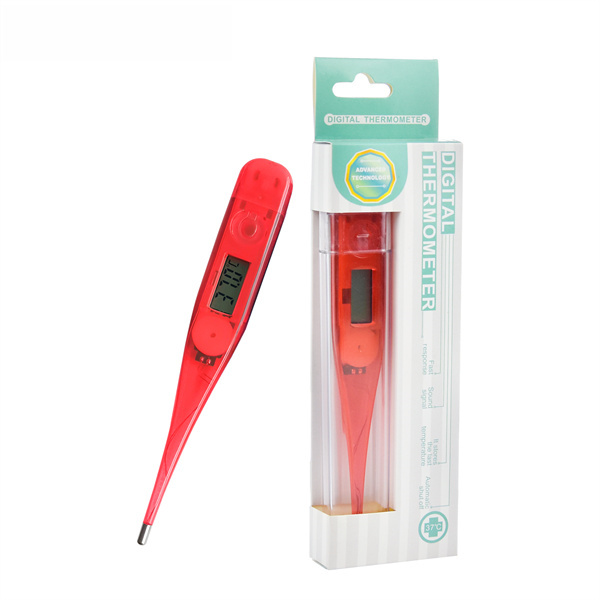
When preparing to purchase clinical thermometers, buyers should gather and verify several key pieces of information to streamline the procurement process:
Product Type: Specify whether you need digital, infrared, or traditional glass thermometers based on your application requirements.
Quantity and Variants: Determine the number of units needed, including any specific variations (e.g., pediatric vs. adult models).
Customization Needs: If custom branding or specific features are required, communicate these needs clearly to potential suppliers.
Quality Certifications: Ensure the thermometer complies with relevant certifications such as CE, ISO13485:2003, and FDA, which indicate adherence to safety and quality standards.
Lead Time: Inquire about production lead times, especially if you're working with a tight schedule or need to meet specific project timelines.
Pricing Structure: Understand the pricing based on volume orders, as discounts often apply for larger quantities.
By preparing this information, buyers can facilitate effective discussions with suppliers, leading to better purchasing outcomes.
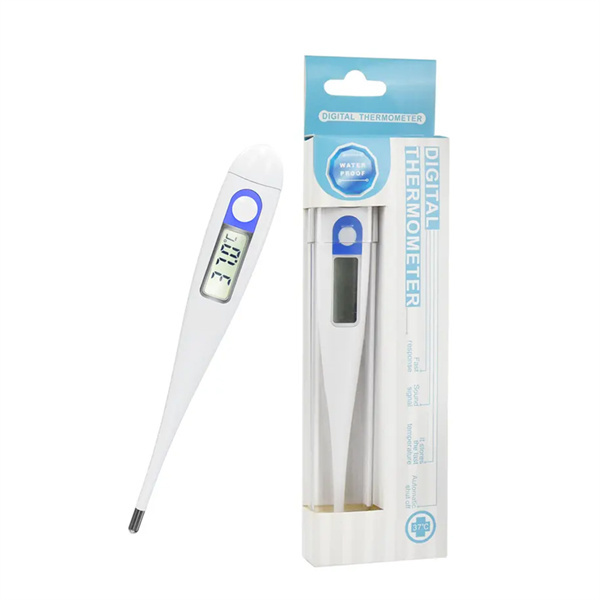
Identifying trustworthy suppliers is crucial for ensuring the quality and reliability of clinical thermometers. Here are some strategies for finding reputable manufacturers:
Industry Trade Shows: Attending medical equipment trade shows can provide direct access to manufacturers, allowing buyers to evaluate products firsthand and establish relationships.
Online Directories: Platforms like ThomasNet or medical equipment-specific directories can help locate manufacturers with verified certifications and customer reviews.
Networking: Engaging with industry peers and joining professional organizations can yield referrals to reliable suppliers who have a proven track record in providing quality thermometers.
Supplier Evaluations: Conduct thorough evaluations of potential suppliers, including reviewing their manufacturing capabilities, quality control processes, and previous client feedback.
Request Samples: Before finalizing any purchase, request samples to assess the thermometer's performance and reliability in real-world conditions.
By utilizing these strategies, buyers can ensure they're sourcing clinical thermometers from suppliers who meet their quality and reliability standards.
Clinical thermometers play a critical role in multiple healthcare environments, including hospitals, clinics, and home healthcare. Their applications include:
Hospitals: Accurate temperature measurement is vital for diagnosing infections and monitoring patient recovery. Digital and infrared thermometers are particularly popular in hospital settings due to their speed and ease of use.
Clinics: In outpatient settings, thermometers are used for routine check-ups and pre-surgical assessments. Their reliability and quick response times are essential for patient throughput.
Home Healthcare: With an increase in remote patient monitoring, home healthcare providers rely on user-friendly thermometers for patients' self-assessments. Models designed for ease of use and safety are particularly beneficial in these settings. The use of Ear Thermometers in home care can further enhance patient comfort and ease of use.
Pediatric Care: Thermometers designed for children often feature softer materials and unique designs to ensure comfort. They are crucial in pediatric care for monitoring fevers effectively and safely.
Elderly Care: In geriatric settings, thermometers that are easy to operate and read are essential. Non-contact infrared thermometers are especially useful in this demographic to minimize discomfort and maintain hygiene.
understanding the various applications and selecting the right clinical thermometer based on specifications and intended use can significantly impact patient care quality. Buyers should leverage their understanding of product specifications, supplier evaluation processes, and application contexts to make informed purchasing decisions.
JASUN is a registered trademark of Hangzhou Hua'an Medical & Health Instruments Co.,Ltd. Your first option for premium thermometer suppliers in China with CE, MDR, ISO13485:2003, FDA and BSCI certificates.
Our location: Building 2,1# Fuzhu Nan RD, Wuchang Town, Yuhang District, Hangzhou, Zhejiang 310023, China
HOURS: 8:30AM - 6:00PM
Copyright © Hangzhou Hua'an Medical & Health Instruments Co.,Ltd. All Rights Reserved Blog Privacy Policy
 EN