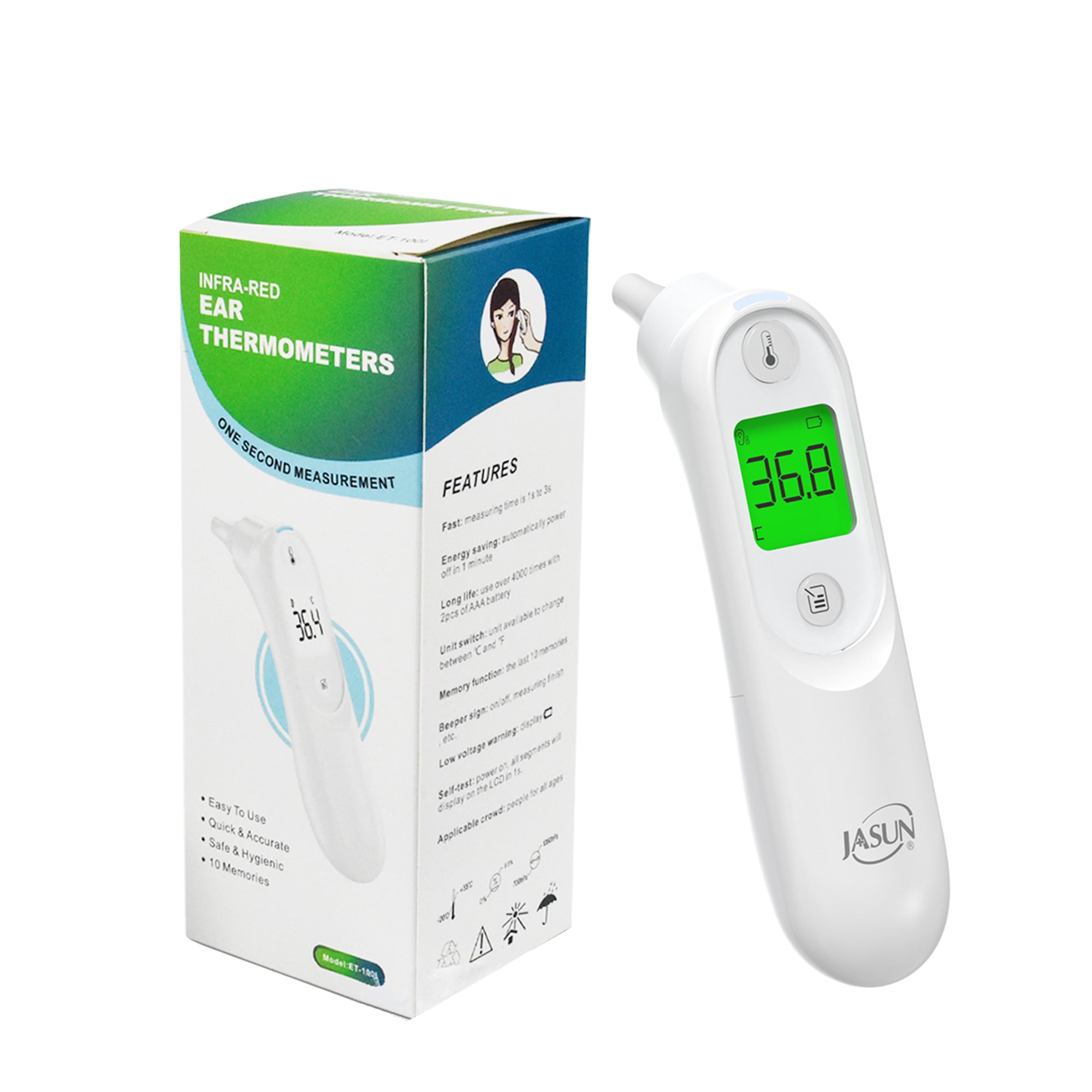
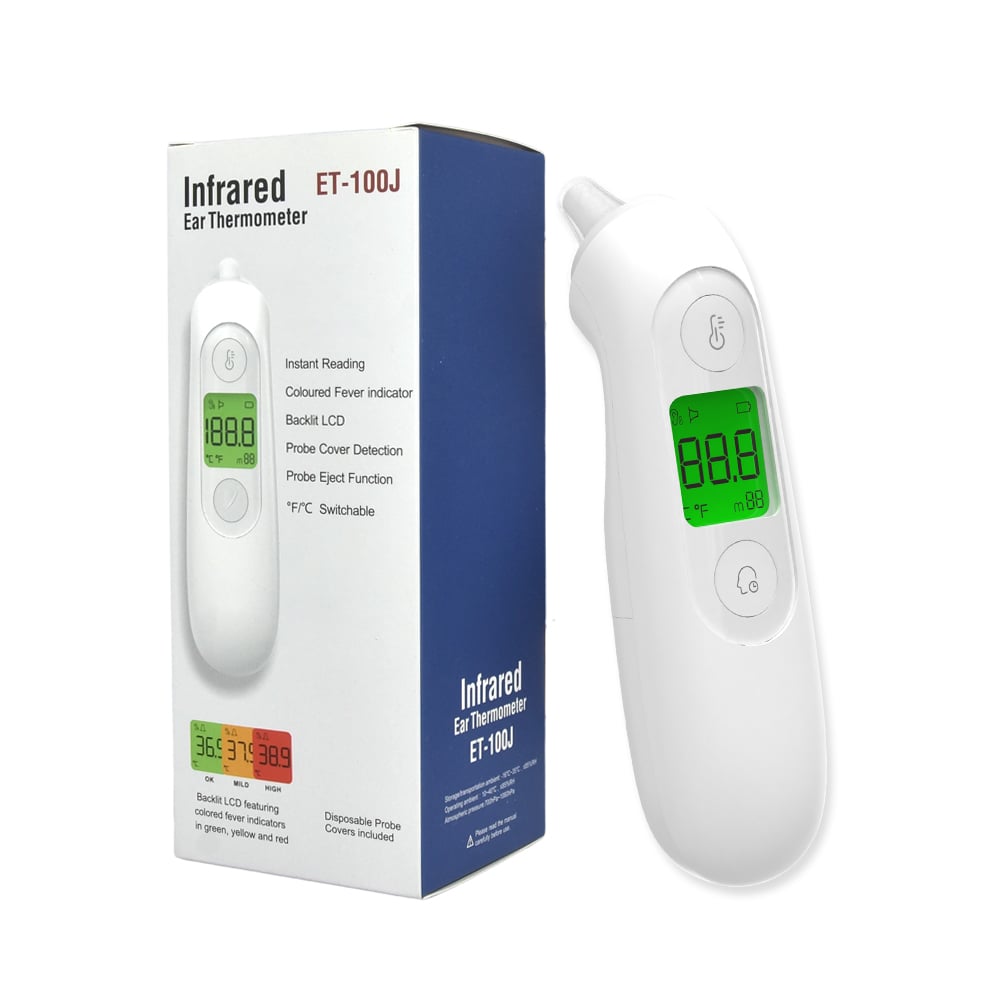
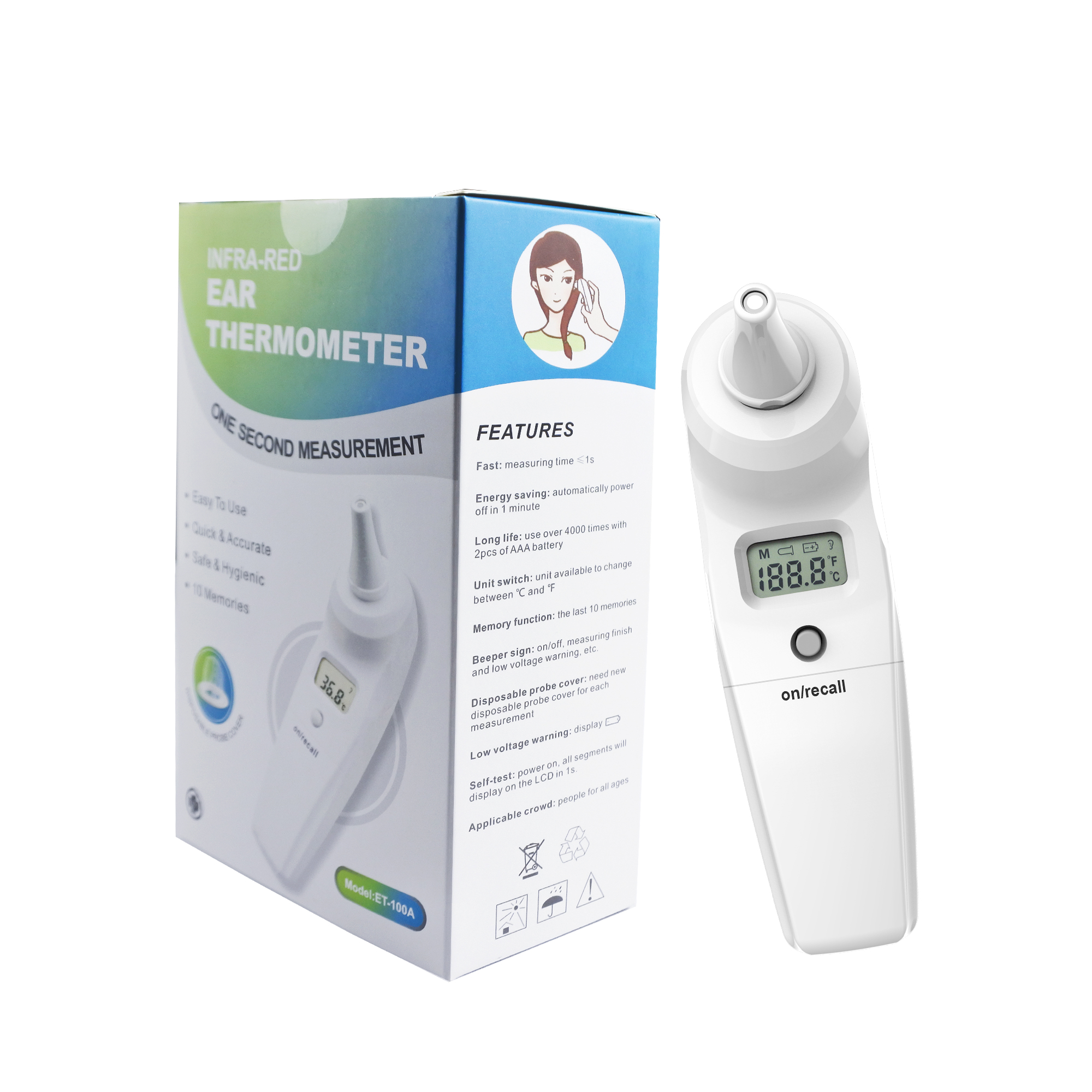
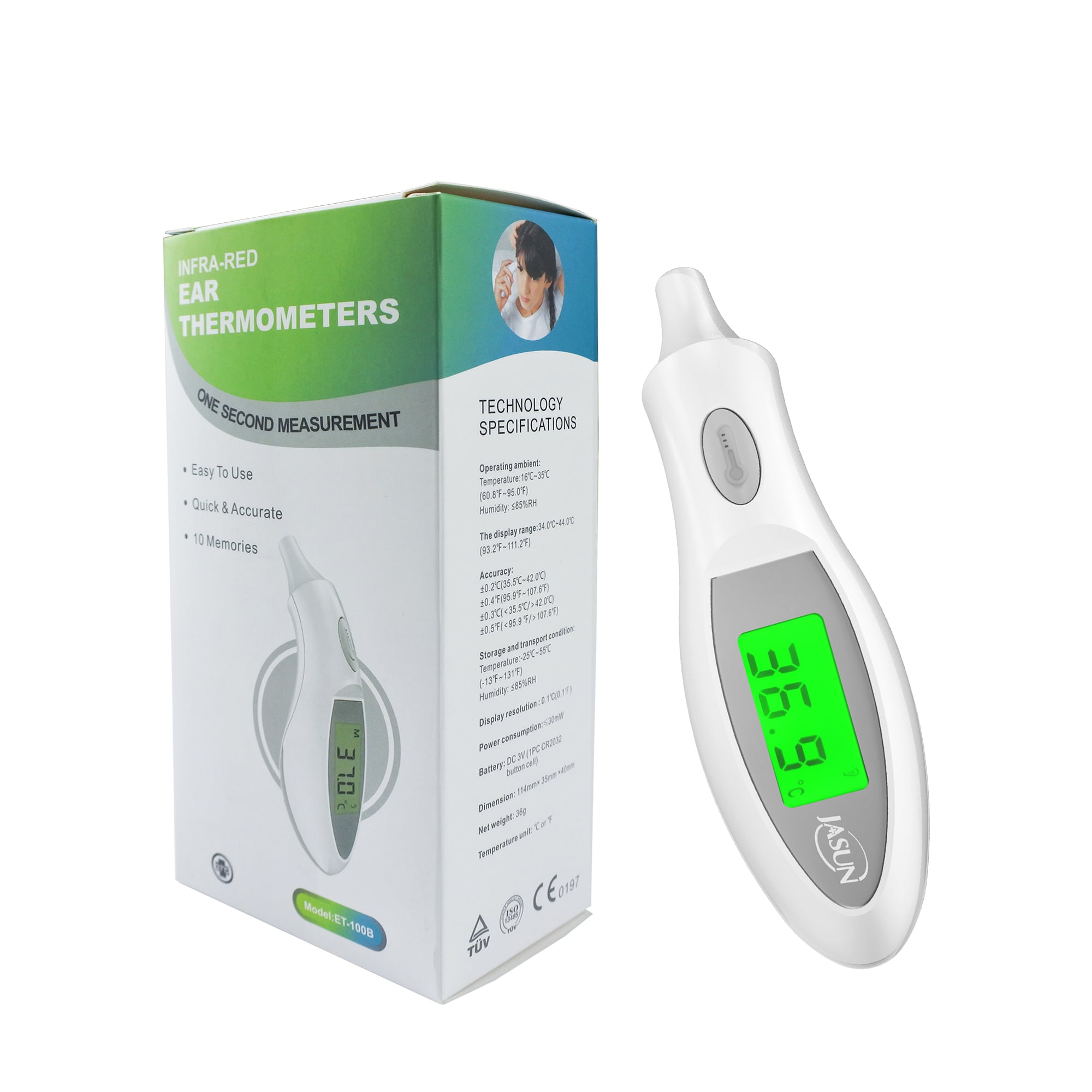
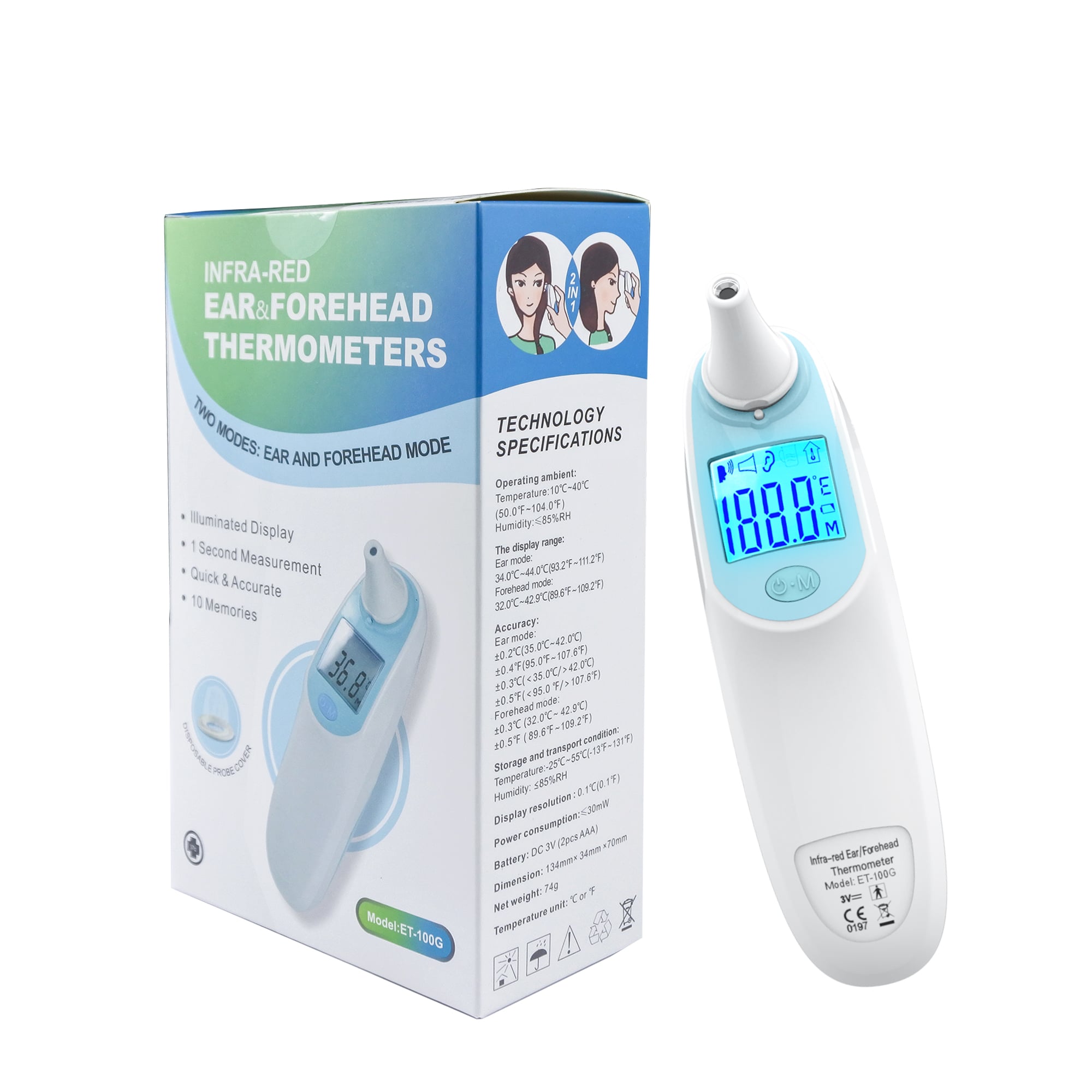
Ear thermometers are essential medical devices used to measure body temperature quickly and accurately. For B2B buyers such as purchasing managers, wholesalers, and medical distributors, understanding the specifications, quality, and sourcing options for ear thermometers is critical. This article provides insights into the key specifications of high-quality ear thermometer, evaluates their accuracy, discusses sourcing options, and addresses common issues buyers may encounter.
When selecting an ear thermometer, several key specifications should be considered to ensure it meets the intended application.
Measurement Range: Most ear thermometers can measure temperatures between 32°C to 42.9°C (89.6°F to 109.2°F). Understanding the range is crucial as it ensures the thermometer can accommodate various patient needs.
Accuracy: A high-quality ear thermometer should have an accuracy of ±0.2°C (±0.4°F). This level of precision is important in clinical settings where even slight variations in temperature can impact patient care.
Response Time: The best ear thermometers provide readings in less than 2 seconds. Fast response times are essential in busy medical environments where efficiency is key.
Display Features: A backlit LCD display enhances usability, especially in dimly lit environments. Clear readability is vital for quick assessments.
Power Source: Ear thermometers typically run on batteries. It's important to check battery life and availability to avoid interruptions in usage.
Cleaning and Maintenance: Consideration of materials used for the probe and housing can affect hygiene. Many high-quality models feature disposable probe covers to prevent cross-contamination.
These specifications ensure that the digital ear thermometer performs reliably in clinical settings, enhancing patient care while simplifying operations.
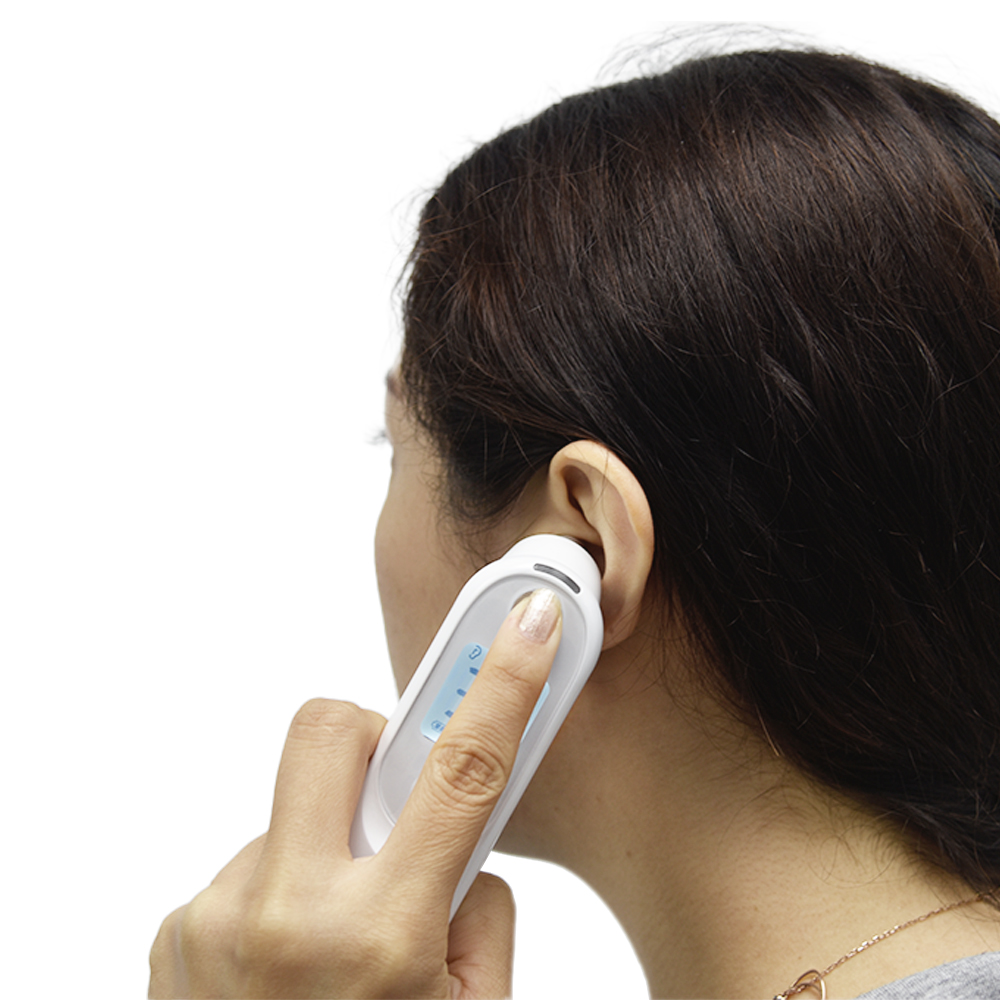
Quality and accuracy are paramount when selecting ear thermometers. Buyers should consider a few factors to evaluate these aspects effectively:
Certification: Look for thermometers that are CE, MDR, ISO13485:2003, and FDA certified. These certifications indicate that the product meets stringent safety and quality standards, providing confidence in its accuracy and reliability.
Calibration Procedures: Regular calibration is essential for maintaining accuracy. Buyers should inquire about the manufacturer’s calibration procedures and whether they provide calibration certificates. This ensures that the thermometers remain within the specified accuracy range over time.
User Reviews and Case Studies: Researching feedback from other medical professionals can provide insights into the real-world performance of the thermometer. Case studies detailing its use in clinical environments can also highlight strengths and weaknesses.
Quality Control Processes: Understanding the manufacturer’s quality control processes can shed light on how they ensure product consistency. Companies that implement rigorous testing during production often yield more reliable instruments.
By taking these factors into account, buyers can make informed decisions about the quality and accuracy of the infant ear thermometer they choose to purchase.
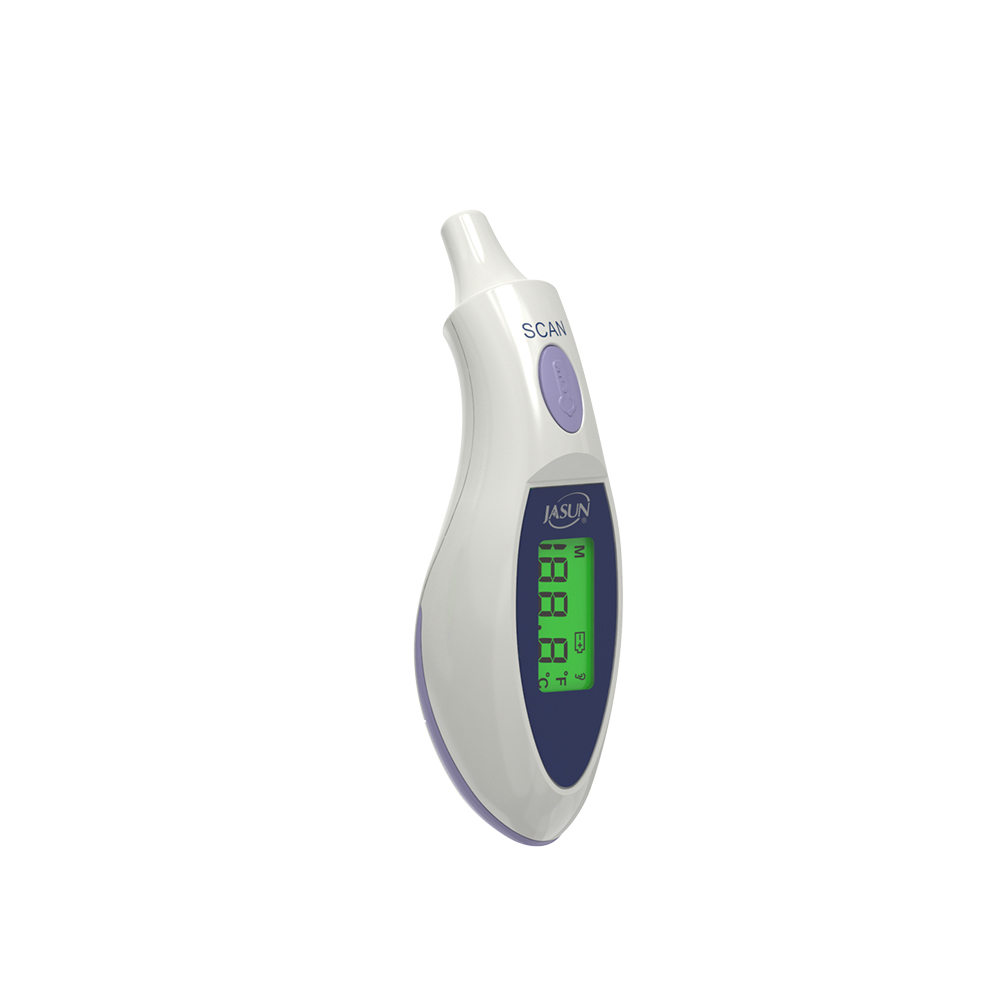
Sourcing reliable wholesale ear thermometers involves identifying reputable manufacturers and suppliers. Here are some strategies to consider:
Industry Trade Shows: Attending medical device trade shows can connect buyers with established manufacturers and distributors. It also allows for hands-on product evaluations and discussions regarding specifications and bulk pricing.
Online Marketplaces and Directories: Platforms that specialize in medical equipment can provide access to various suppliers. Look for those that highlight manufacturer certifications and user reviews.
Direct Contact with Manufacturers: Engaging directly with established manufacturers like Hangzhou Huaan Medical Health Instruments Co., Ltd. can lead to better pricing, product customization options, and direct communication on specifications and lead times.
Evaluate Supplier’s Reputation: Research suppliers' track records regarding delivery timelines, product quality, and customer service. Reliable suppliers often have positive testimonials from other B2B buyers.
Discuss Minimum Order Quantities (MOQ): Understanding the MOQ can help plan purchases effectively, ensuring that stock levels align with the demand.
Utilizing these strategies can lead to successful sourcing of high-quality ear thermometers that meet specific business needs.
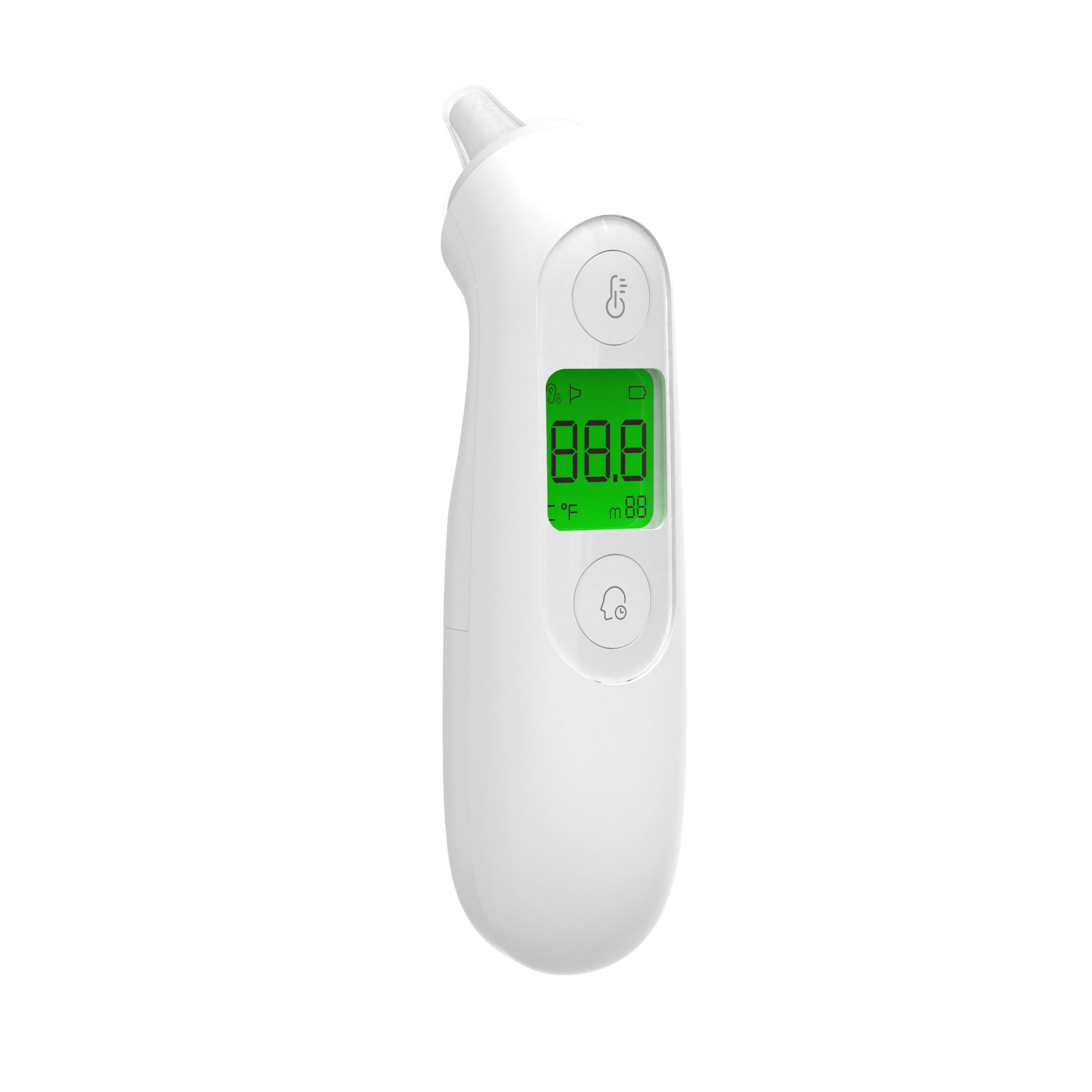
The cost of ear thermometers can vary significantly depending on various factors. Buyers should consider the following when assessing pricing:
Volume Discounts: Purchasing in bulk can lead to significant savings. Many manufacturers offer tiered pricing based on order size, making it beneficial to evaluate projected demand.
Customization Options: If customization is required (branding or specific features), this can impact the overall cost. It’s essential to discuss these needs upfront to receive accurate quotes.
Shipping and Handling: International shipping can add to costs, so understanding shipping terms, estimated delivery times, and potential tariffs is crucial for budgeting.
Warranty and Support Costs: Some manufacturers may offer extended warranties or customer support services for an additional fee. Evaluating the total cost of ownership, including potential maintenance expenses, is important for long-term planning.
Market Fluctuations: Keep an eye on material costs and market demand, as these can influence pricing. Suppliers may adjust prices based on raw material availability or changes in manufacturing costs.
By considering these factors, buyers can better manage their budgets and ensure they make cost-effective purchasing decisions.
Despite their reliability, ear thermometers can encounter issues. Here are common problems and practical solutions:
Inaccurate Readings: This can occur due to improper positioning in the ear or the presence of earwax. To ensure accurate readings, instruct users to place the thermometer snugly in the ear canal and to clean the probe regularly.
Battery Failure: A common issue in electronic devices, low battery power can lead to inaccurate readings or failure to turn on. Buyers should consider models with low-battery indicators and ensure that spare batteries are readily available.
Calibration Needs: Over time, ear thermometers may require recalibration, especially if they are frequently used in high-stakes environments. Establishing a schedule for regular calibration checks and working with manufacturers who provide calibration services can mitigate this issue.
Probe Cover Malfunctions: If the probe covers do not fit securely, this can lead to contamination and inaccurate readings. Ensure that the thermometer model selected uses compatible and readily available probe covers.
User Error: Misuse can result in inaccurate readings. Providing clear training and usage instructions can minimize errors, ensuring that all staff members know how to operate the thermometer correctly.
Addressing these common problems with proactive measures can enhance the reliability and user satisfaction of ear thermometers in various medical settings.
By understanding the specifications, evaluating quality and sourcing options, considering cost factors, and addressing potential issues, B2B buyers can make informed decisions when purchasing ear thermometers.
JASUN is a registered trademark of Hangzhou Hua'an Medical & Health Instruments Co.,Ltd. Your first option for premium thermometer suppliers in China with CE, MDR, ISO13485:2003, FDA and BSCI certificates.
Our location: Building 2,1# Fuzhu Nan RD, Wuchang Town, Yuhang District, Hangzhou, Zhejiang 310023, China
HOURS: 8:30AM - 6:00PM
Copyright © Hangzhou Hua'an Medical & Health Instruments Co.,Ltd. All Rights Reserved Blog Privacy Policy
 EN