
A rectal clinical thermometer is a vital medical device that accurately measures body temperature through the rectum, making it particularly useful for infants, young children, and patients unable to use oral or alternative methods. In B2B purchasing, key considerations include accuracy, comfort, durability, compliance with safety standards, and the ability to customize based on specific application needs. This article will provide insights into the specifications, quality standards, sourcing considerations, features, and compliance aspects of rectal clinical thermometers to assist purchasing managers, distributors, and healthcare professionals in making informed decisions.
When considering rectal clinical thermometers, several specifications are critical to ensuring their suitability for medical applications. Key specifications include:
Measurement Range: Most rectal clinical thermometers measure temperatures between 90°F to 108°F (32°C to 42°C). A thermometer with a wider range may be more versatile for different applications.
Accuracy: Look for thermometers with an accuracy of ±0.1°F or better. High accuracy is essential for reliable readings, especially in clinical settings.
Response Time: The speed at which a thermometer provides a reading can affect patient comfort and workflow efficiency. Thermometers that deliver results within 10 to 30 seconds are typically preferred.
Material: Ensure that the thermometer is made from high-quality, non-toxic materials, such as medical-grade plastic or stainless steel, which can withstand repeated sterilization and offer durability.
Size and Design: The design should be ergonomic to provide comfort during use, particularly for pediatric applications. Compact and lightweight designs are often easier to handle.
Understanding these specifications helps buyers choose a device that meets their clinical needs while ensuring patient safety and comfort. Moreover, they may consider integrating devices like Digital Blood Pressure Monitors into their practice for comprehensive health assessments.
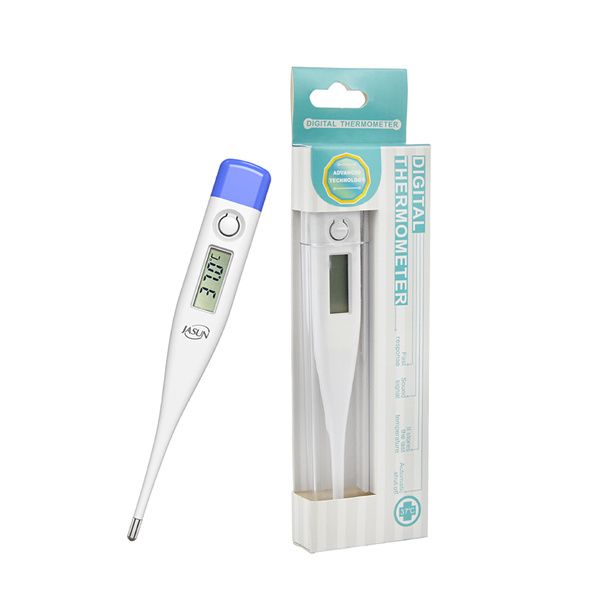
When sourcing rectal clinical thermometers in bulk, it’s imperative to consider several factors that will influence both price and quality. First, identify reputable manufacturers with a track record in producing medical devices, such as Hangzhou Huaan Medical Health Instruments Co., Ltd., which has been recognized for its quality since 1997.
Minimum Order Quantity (MOQ): Suppliers may have specific MOQs for bulk orders, which can affect pricing. Understanding the MOQ can help in planning inventory levels.
Production Capacity: Confirm the manufacturer's ability to meet your volume needs within your required timeframe. This can prevent delays in supply, especially in high-demand situations.
Customization Options: Discuss potential customization, such as branding or packaging. Many manufacturers offer OEM/ODM services, allowing for tailored solutions that meet unique buyer specifications.
Lead Times: Evaluate lead times for production and shipping. A reliable supplier should provide clear timelines to ensure you can meet your inventory requirements without interruption.
By focusing on these elements, buyers can secure quality thermometers that align with their operational needs and budget. In addition, they may want to explore options like Stethoscopes for a more holistic approach to patient care.
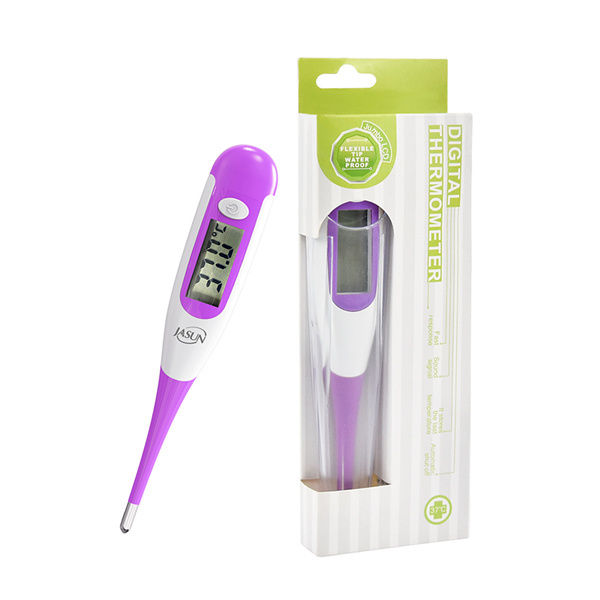
Quality control is paramount in the manufacturing of medical devices, including rectal clinical thermometers. Effective quality assurance processes ensure that products are safe, reliable, and compliant with regulatory requirements. Key standards to evaluate include:
Certifications: Ensure that the manufacturer holds relevant certifications such as CE, ISO13485:2003, and FDA. These certifications indicate adherence to international quality standards and regulatory compliance.
Testing Protocols: Inquire about the manufacturer's testing protocols, including how they verify accuracy, durability, and safety of their thermometers. Manufacturers should conduct regular testing throughout the production process.
Traceability: A robust quality control system should allow for traceability of materials and components used in the production. This is crucial for identifying and addressing any issues that may arise post-manufacture.
Inspection Procedures: Buyers should ask about incoming material inspections, in-process quality checks, and final product evaluations to ensure thorough oversight throughout the manufacturing process.
Understanding these quality control measures will help buyers select a manufacturer capable of delivering reliable products consistently.
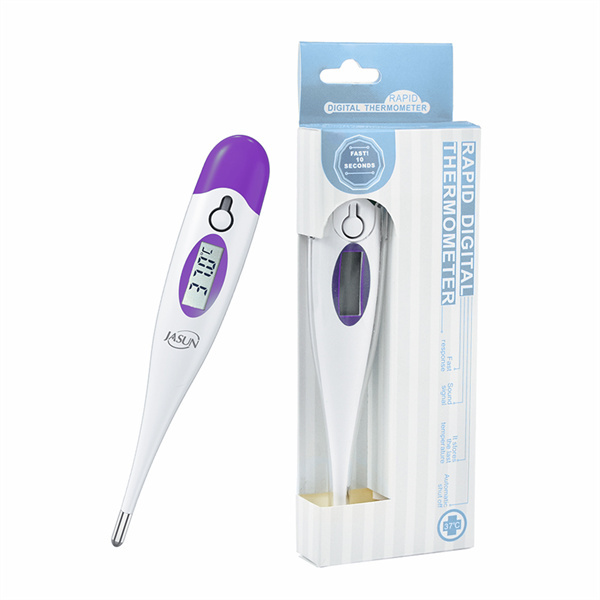
Rectal clinical thermometers offer several features and benefits that enhance their usability and effectiveness in clinical settings:
Digital Display: Many modern thermometers come with an easy-to-read digital display, providing quick reference for caregivers and reducing the risk of misinterpretation.
Memory Function: Some models have memory functions that store previous readings, allowing for easy tracking of temperature changes over time.
Waterproof Design: A waterproof casing facilitates easy cleaning and disinfection, which is essential in maintaining hygiene standards in medical environments.
Battery Life: Long battery life is a significant benefit, reducing the need for frequent replacements and ensuring the device is always ready for use.
These features not only improve user experience but also enhance the reliability of temperature measurements, making them indispensable in healthcare settings.
Ensuring compliance and safety when purchasing rectal clinical thermometers is crucial for maintaining patient trust and regulatory adherence. Here are key steps buyers should follow:
Regulatory Compliance: Verify that the thermometer complies with relevant health and safety regulations applicable in your region. Familiarize yourself with local regulatory bodies and their requirements.
Supplier Reputation: Choose suppliers with a strong reputation for quality and compliance. Research customer testimonials and case studies to gauge their reliability.
User Instructions: Ensure that the product comes with clear user instructions that outline safe usage practices, sterilization methods, and maintenance guidelines. This helps prevent misuse and ensures the longevity of the device.
Risk Assessment: Conduct a risk assessment based on your specific application and patient population. This should include an evaluation of how the thermometer will be used and any potential hazards associated with its operation.
By taking these steps, buyers can not only ensure compliance with regulations but also enhance the overall safety and efficacy of their thermometer purchases.
In summary, understanding the specifications, sourcing quality products, evaluating quality control standards, recognizing features, and ensuring compliance are essential for making informed decisions when purchasing rectal clinical thermometers. As a leading manufacturer, Hangzhou Huaan Medical Health Instruments Co., Ltd. is well-equipped to meet the diverse needs of healthcare providers with reliable, accurate, and safe temperature measuring devices.
JASUN is a registered trademark of Hangzhou Hua'an Medical & Health Instruments Co.,Ltd. Your first option for premium thermometer suppliers in China with CE, MDR, ISO13485:2003, FDA and BSCI certificates.
Our location: Building 2,1# Fuzhu Nan RD, Wuchang Town, Yuhang District, Hangzhou, Zhejiang 310023, China
HOURS: 8:30AM - 6:00PM
Copyright © Hangzhou Hua'an Medical & Health Instruments Co.,Ltd. All Rights Reserved Blog Privacy Policy
 EN