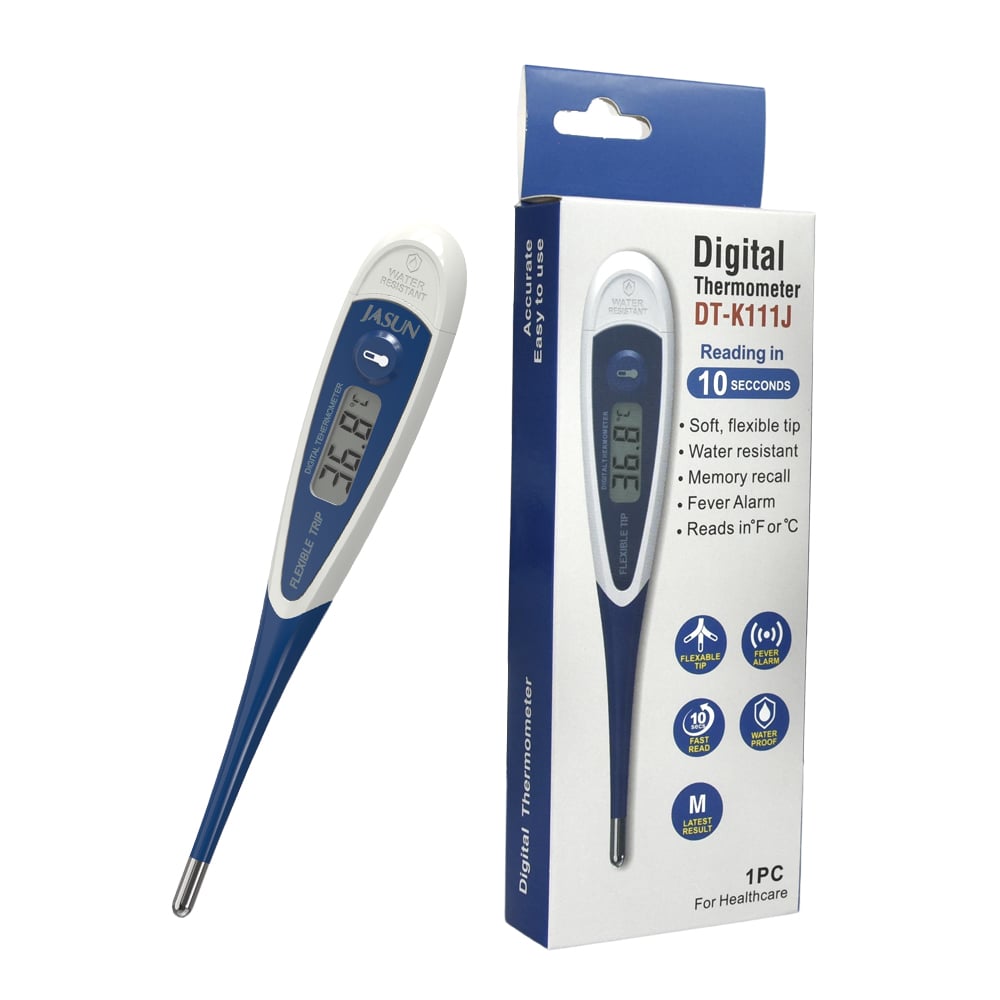
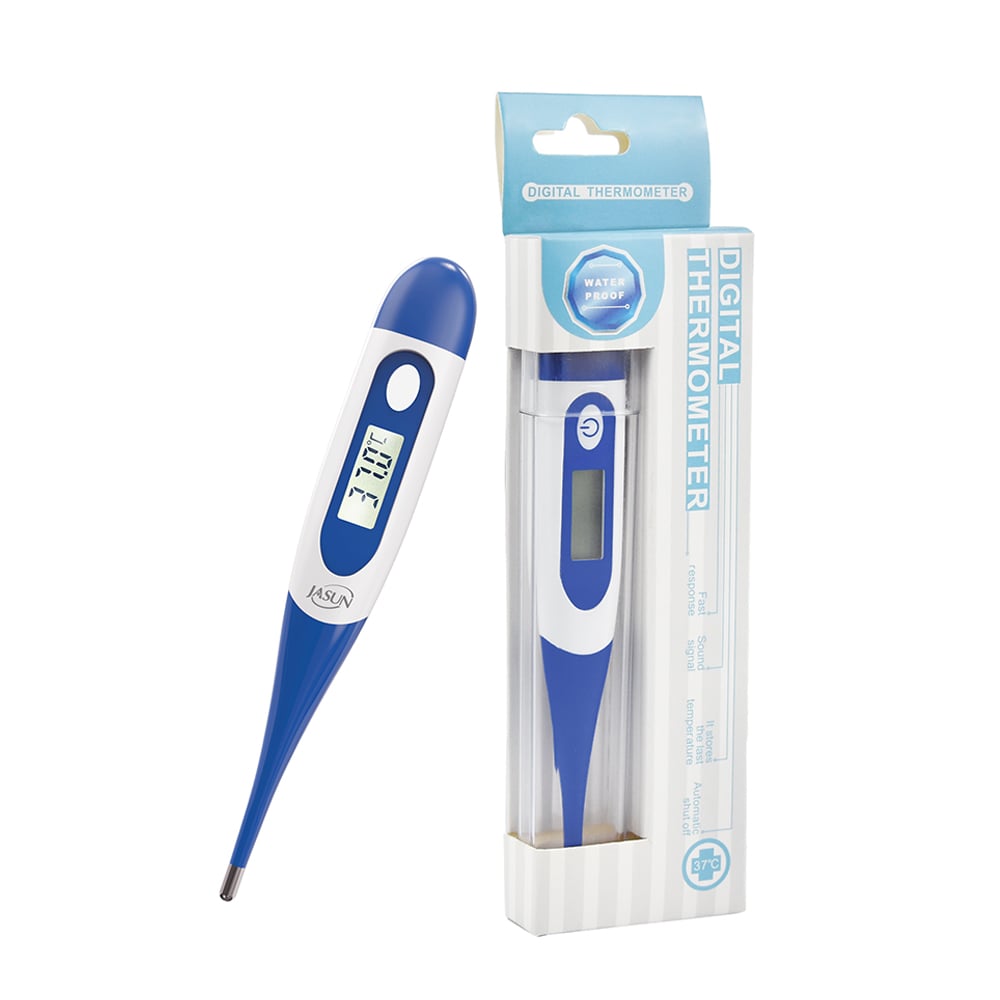
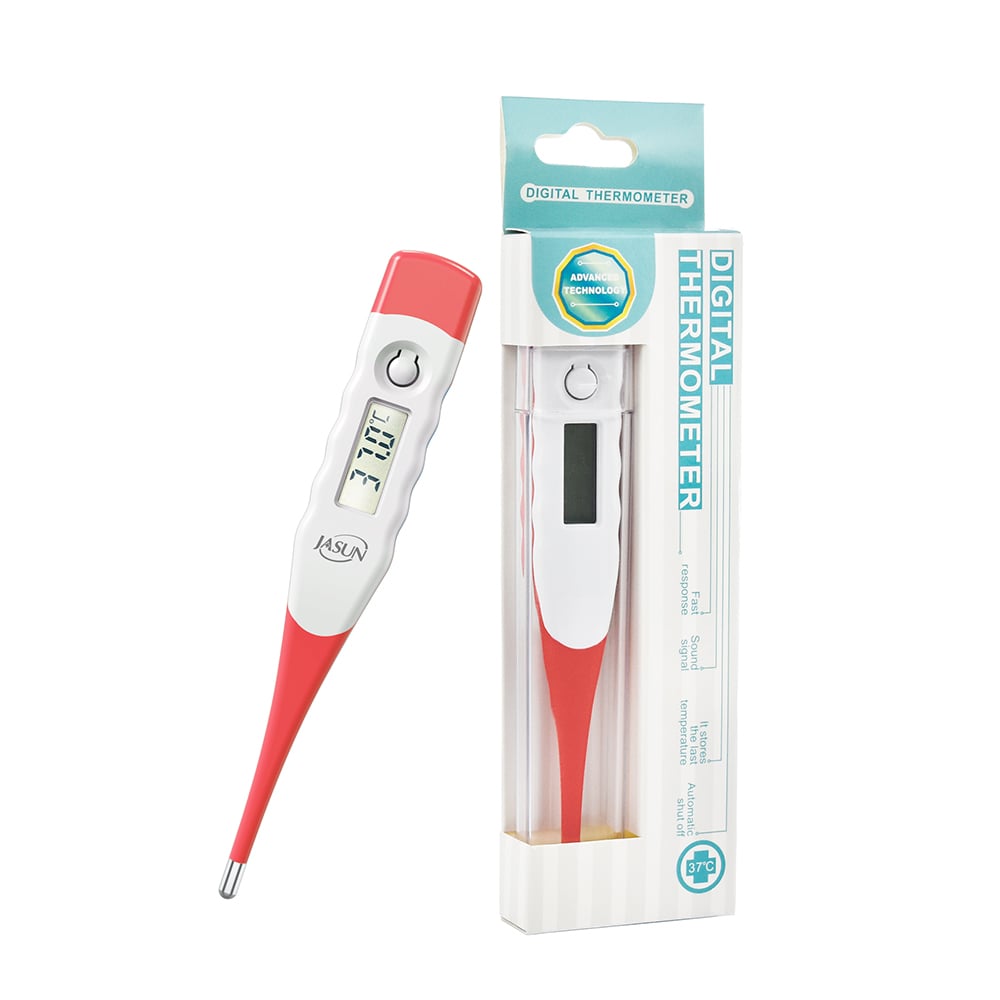
Digital oral thermometers are essential medical devices used in various healthcare settings to measure body temperature accurately and efficiently. As a purchasing manager, distributor, or product manager, understanding the key features and specifications of these thermometers will help you make informed decisions when sourcing them for your organization. This article will explore the critical aspects of digital oral thermometers, including specifications, supplier considerations, cost factors, applications, and essential features that matter for buyers.
When sourcing digital oral thermometers, several key specifications should be evaluated to ensure reliability and accuracy. These include:
Measurement Range: Typically, digital oral thermometer measure temperatures ranging from 32°C to 42.9°C (89.6°F to 109.2°F). Ensuring the thermometer covers the necessary range for your specific application is vital.
Accuracy: Look for thermometers that offer ±0.1°C accuracy. This precision is crucial in healthcare settings where temperature readings can influence clinical decisions.
Response Time: A rapid response time (usually under 60 seconds) is essential for patient comfort and efficiency in medical environments.
Display Type: LCD displays are standard, and readability is critical, especially in low-light conditions. Ensure that the screen is large enough for easy viewing.
Battery Life: Long-lasting batteries (typically 1000+ readings) reduce maintenance and replacement costs, making them ideal for high-usage environments.
Material and Design: Thermometers should be made from durable, non-toxic materials. A waterproof design can enhance hygiene and ease of cleaning.
Understanding these specifications will empower buyers to select the right models that meet their operational needs while ensuring patient safety and satisfaction.
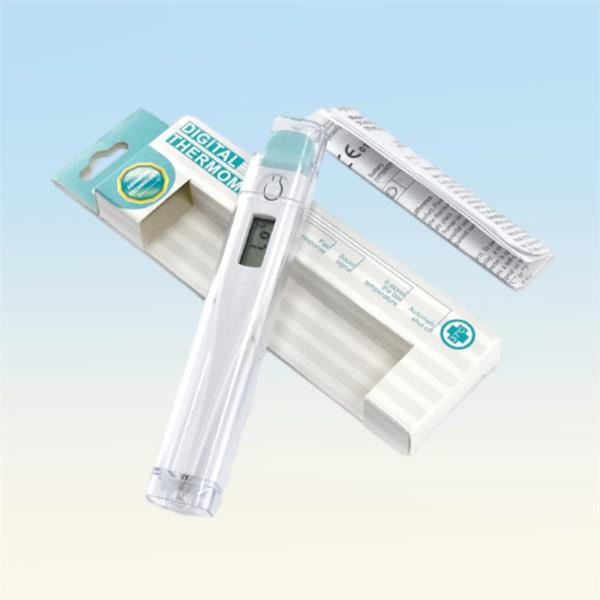
Identifying reliable suppliers for digital oral thermometers is crucial for maintaining quality and ensuring timely delivery. Here are some avenues to explore:
Industry Trade Shows: Attending medical trade shows allows you to meet manufacturers like Hangzhou Huaan Medical Health Instruments Co., Ltd., renowned for its commitment to quality and innovation in temperature measuring devices. Face-to-face interactions can facilitate relationship building and provide insights into product capabilities.
Online Marketplaces: Websites like Alibaba and Global Sources feature numerous manufacturers and wholesalers. Always check for verified suppliers with positive reviews and relevant certifications.
Industry Associations: Engaging with associations such as the Medical Device Manufacturers Association (MDMA) can provide leads on reputable suppliers and manufacturers.
Direct Manufacturer Contact: Approaching manufacturers with a history of serving top global medical brands can offer assurances regarding product quality and compliance. As a leading manufacturer, Hangzhou Huaan Medical offers OEM/ODM capabilities, allowing for tailored solutions to meet specific needs.
When evaluating suppliers, consider their certifications (such as CE, ISO13485, and FDA), production capabilities, and customer service reputation.
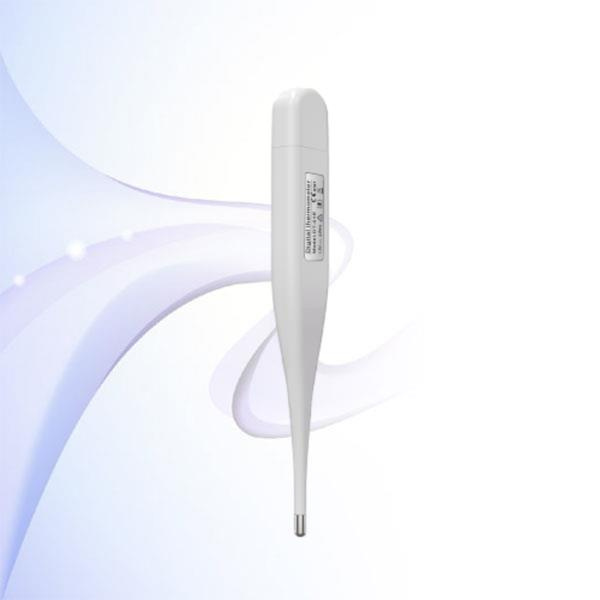
Several cost factors can influence the pricing of digital oral thermometer when making wholesale purchases:
Volume Discounts: Most suppliers offer discounts based on order quantity. Understanding your Minimum Order Quantity (MOQ) can help in negotiating better prices.
Shipping Costs: Consider the shipping costs from the supplier, which can vary based on distance, shipping method, and order size. Some manufacturers may provide free shipping for large orders.
Customization Charges: If you require specific features or branding, customization may incur additional costs. Always clarify these charges during the quotation process.
Quality Assurance Costs: Implementing quality control measures, such as third-party testing, can add to the overall cost but may prevent more significant losses due to defective products.
Warranty and After-Sales Support: A supplier offering a solid warranty and support can save costs related to replacements and repairs in the long run.
By understanding these factors, buyers can better assess total costs and negotiate favorable terms with suppliers.
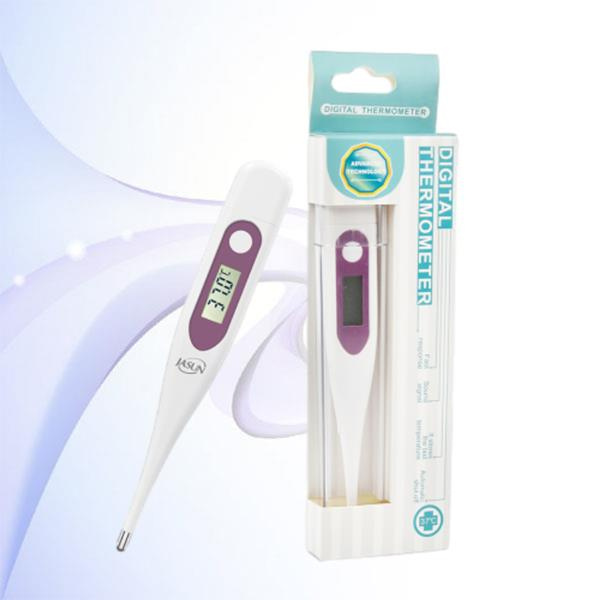
Digital oral thermometers are widely used in various applications, primarily in healthcare settings. Key applications include:
Clinical Settings: Hospitals and clinics utilize digital oral thermometers for routine checks in patients, where quick and accurate temperature measurements are essential for diagnosis and treatment.
Home Healthcare: With an increase in telemedicine, patients are using digital oral thermometers at home to monitor their health, especially in managing chronic conditions.
Veterinary Use: These thermometers are also applicable in veterinary medicine for monitoring the health of pets and livestock, ensuring their well-being.
Educational Institutions: Schools and daycare centers employ digital oral thermometers to monitor students' health, particularly during flu seasons or outbreaks.
Understanding the various applications can help buyers identify the right models suited to their specific sector, ensuring they meet the unique needs of their end-users.
When selecting digital oral thermometers, specific features should be prioritized to meet the needs of healthcare professionals and patients:
User-Friendly Design: A simple interface with clear instructions enhances usability, especially for non-professional users.
Memory Function: Models that retain previous readings can assist in tracking temperature changes over time, which is beneficial in clinical assessments.
Fever Alert: Thermometers that provide visual or auditory alerts when a fever is detected can enhance patient care by facilitating timely intervention.
Portability: Compact and lightweight designs are advantageous for mobile healthcare providers or home care services.
Hygiene Features: Consider medical oral thermometer with disposable covers or easy-to-clean surfaces to ensure compliance with hygiene standards.
By focusing on these features, buyers can improve patient outcomes and streamline operations in their facilities.
Sourcing digital oral thermometers involves careful consideration of specifications, supplier reliability, cost factors, and key features. By leveraging the insights provided, B2B buyers can make informed decisions that align with their organizational needs and enhance patient care.
JASUN is a registered trademark of Hangzhou Hua'an Medical & Health Instruments Co.,Ltd. Your first option for premium thermometer suppliers in China with CE, MDR, ISO13485:2003, FDA and BSCI certificates.
Our location: Building 2,1# Fuzhu Nan RD, Wuchang Town, Yuhang District, Hangzhou, Zhejiang 310023, China
HOURS: 8:30AM - 6:00PM
Copyright © Hangzhou Hua'an Medical & Health Instruments Co.,Ltd. All Rights Reserved Blog Privacy Policy
 EN