
Reliable body temperature measuring devices are critical in the healthcare sector, especially in ensuring accurate diagnoses and effective patient monitoring. The primary keyword in this context is "Omron," a brand associated with high-quality temperature measurement solutions. As a B2B buyer—whether you are a purchasing manager, engineer, or distributor—your main concerns likely revolve around product accuracy, quality, and suitability for specific applications. This article will help you navigate these considerations, offering insights into product specifications, quality evaluation, cost factors, applications, and professional guidance for sourcing body temperature measuring devices.
When evaluating body temperature measuring instruments, several key specifications should be prioritized. Accuracy is paramount; devices should have a low margin of error, typically within ±0.2°C, to ensure reliable readings. The measurement range is also crucial. Most medical thermometers operate within a range of 32°C to 42.9°C, accommodating both adult and pediatric patients.
The type of sensor used is another important specification. Infrared sensors provide non-contact measurements, enhancing comfort and convenience, whereas thermocouples and thermistors offer contact-based solutions with high accuracy but may require more time to stabilize. Consider also using Non Contact Forehead Thermometers for a more modern approach to temperature measurement.
Additionally, consider the response time of the device—optimal models deliver readings in under 10 seconds. Other specifications include:
Display type: Easy-to-read digital displays help minimize errors in interpretation. Power source: Battery-operated devices should have a long battery life to reduce the frequency of replacements. Durability: Look for materials and designs that ensure resistance to wear and tear, especially in busy healthcare settings.Focusing on these specifications will help ensure that the chosen devices meet the demands of various clinical environments.
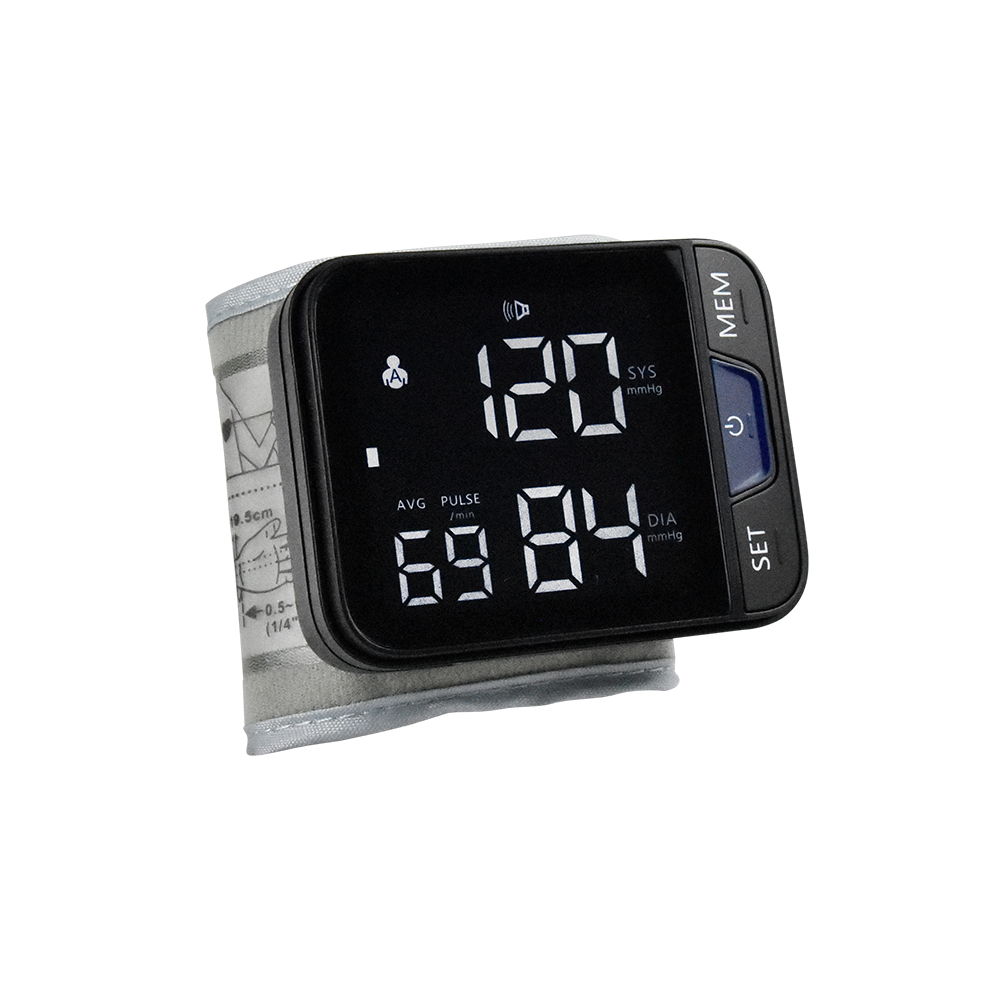
Evaluating the quality of temperature measurement solutions involves a combination of technical specifications, manufacturing processes, and compliance with industry standards. First, verify that the devices meet relevant certifications, such as CE, ISO13485:2003, and FDA approvals. These certifications indicate adherence to strict quality assurance processes.
Next, consider the manufacturing capabilities of the supplier. A reliable manufacturer, like Hangzhou Huaan Medical Health Instruments Co., Ltd., typically has robust Research and Development (R&D) capabilities, alongside full OEM/ODM services. This allows for customized solutions that can cater to specific needs.
Quality control processes are also essential. A reputable manufacturer should conduct rigorous testing of devices, including calibration against known standards and real-world performance assessments. Before finalizing a purchase, request samples to assess the build quality and performance under actual operating conditions.
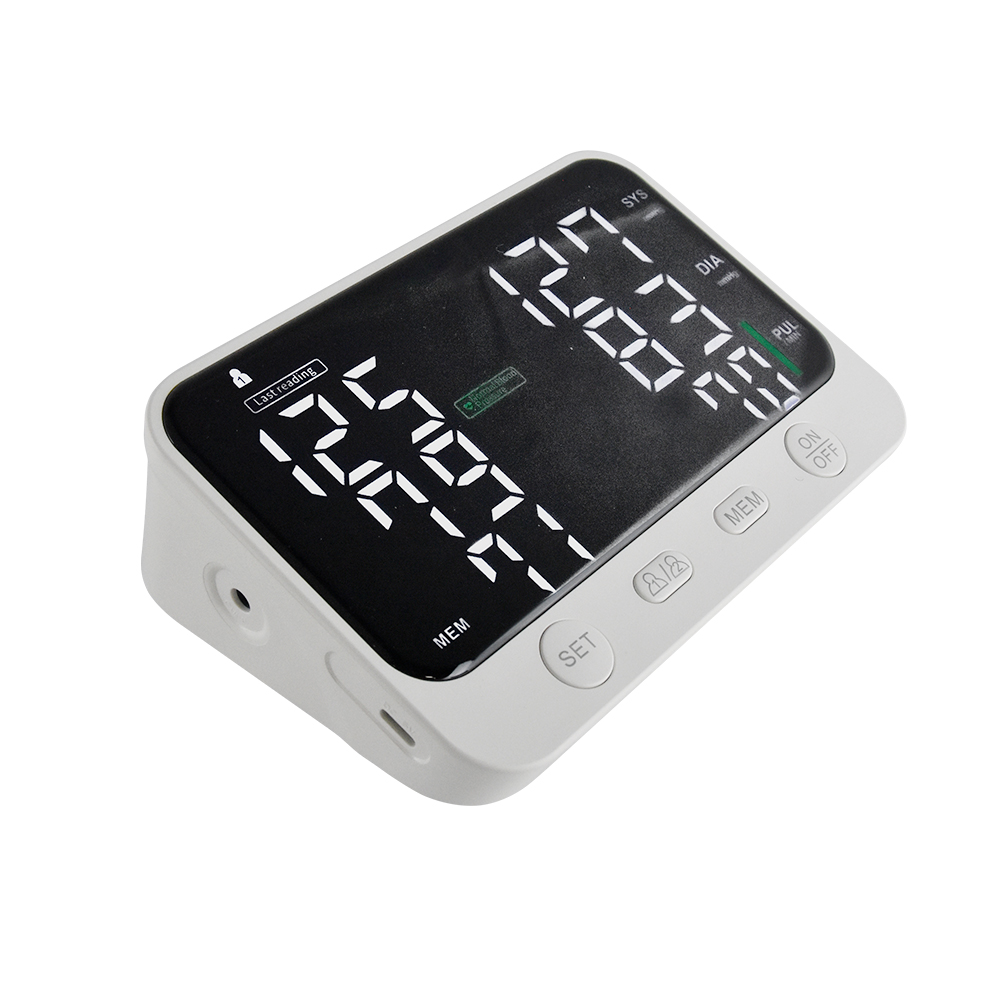
Cost considerations for body temperature monitors extend beyond the unit price. When assessing overall value, consider the total cost of ownership, which includes factors such as:
Initial purchase cost: Compare multiple models to ensure you are getting the best price for the required specifications. Maintenance costs: Some devices may require regular servicing or calibration, which can add to long-term costs. Consumables: If the device uses disposable parts or accessories, factor these recurring costs into your budget. Training and installation expenses: Some advanced models may require training for staff, which can lead to additional costs.Understanding these factors will allow for a more comprehensive financial evaluation, ensuring that you select a device that meets both budgetary and operational needs.
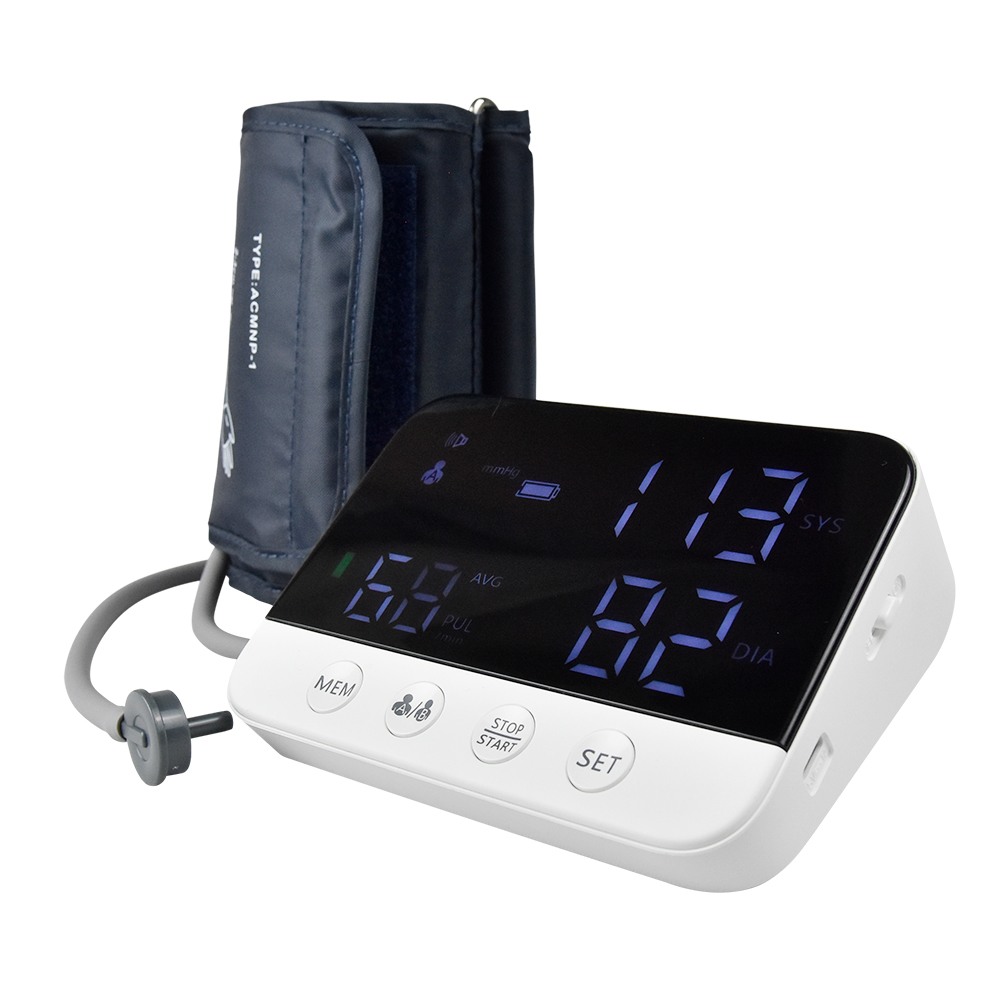
Body temperature measuring devices play a vital role in various healthcare applications. In hospitals, they are essential for monitoring patients during surgery and in recovery, providing quick, accurate readings to inform clinical decisions. In outpatient settings, such as clinics and pharmacies, these devices facilitate efficient patient evaluations, especially during flu seasons or public health crises.
Moreover, the rise in telemedicine has expanded the use of body temperature monitors for remote patient monitoring, allowing healthcare providers to assess patients without physical contact. In this context, non-contact infrared thermometers are particularly useful, offering quick assessments while minimizing the risk of cross-contamination. For instance, Ear Thermometers can also be valuable tools in these scenarios.
Additionally, in environments such as schools and workplaces, temperature monitors are increasingly used for health screening purposes, ensuring that individuals with elevated temperatures are identified promptly.
For importers and distributors, sourcing body temperature measuring devices requires careful consideration of several factors. First, establish clear communication with manufacturers about your specific needs, including any desired customization, packaging requirements, and delivery timelines.
When preparing a Request for Quotation (RFQ), provide comprehensive information such as product type, model specifications, quantity, and any relevant certifications. This ensures that suppliers can give accurate quotes and lead times.
Assessing the manufacturer's production capacity is also crucial. Understanding their ability to meet your order quantities and delivery schedules will prevent potential disruptions in your supply chain.
Finally, consider establishing a quality assurance protocol. Before mass production, request samples to evaluate performance and ensure compliance with your specifications. Testing samples under actual operating conditions can reveal potential issues that may not be evident through standard checks.
By adhering to these guidelines, importers and distributors can ensure they select reliable and high-quality body temperature measuring devices that meet the needs of their healthcare clientele.
JASUN is a registered trademark of Hangzhou Hua'an Medical & Health Instruments Co.,Ltd. Your first option for premium thermometer suppliers in China with CE, MDR, ISO13485:2003, FDA and BSCI certificates.
Our location: Building 2,1# Fuzhu Nan RD, Wuchang Town, Yuhang District, Hangzhou, Zhejiang 310023, China
HOURS: 8:30AM - 6:00PM
Copyright © Hangzhou Hua'an Medical & Health Instruments Co.,Ltd. All Rights Reserved Blog Privacy Policy
 EN