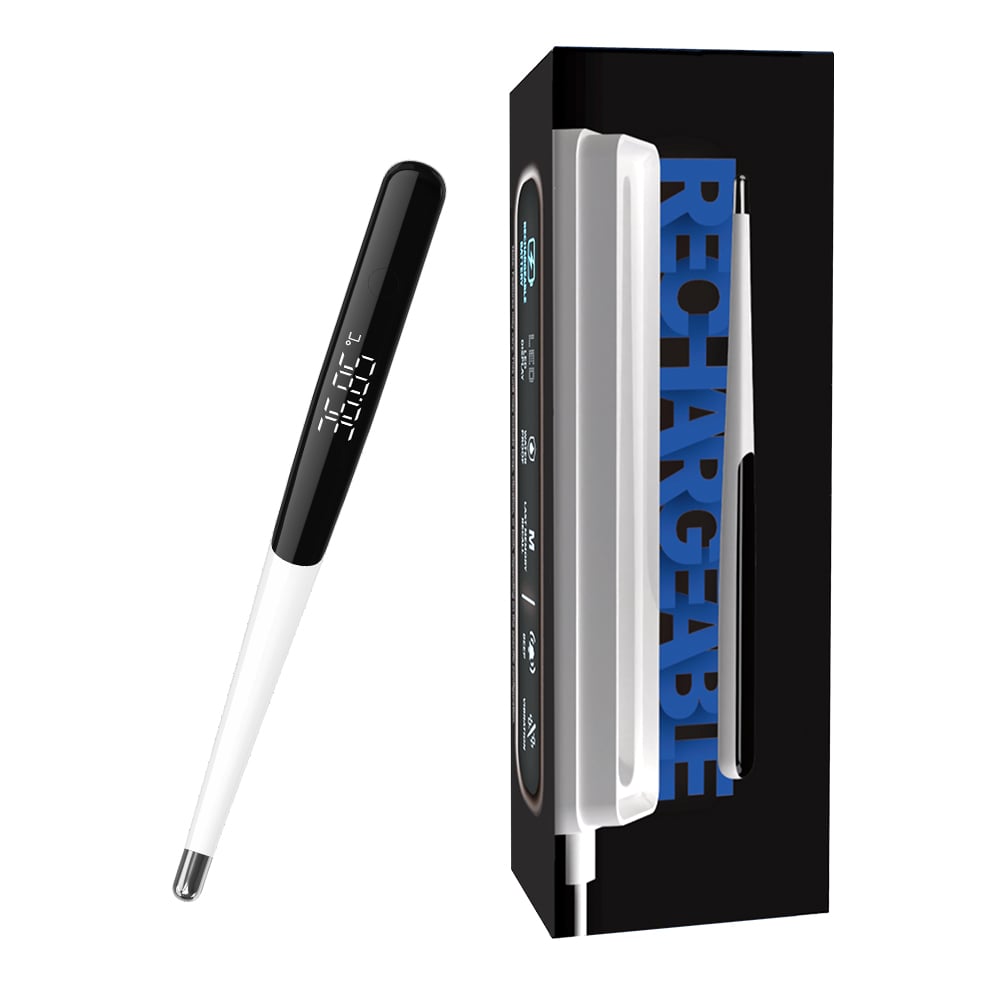
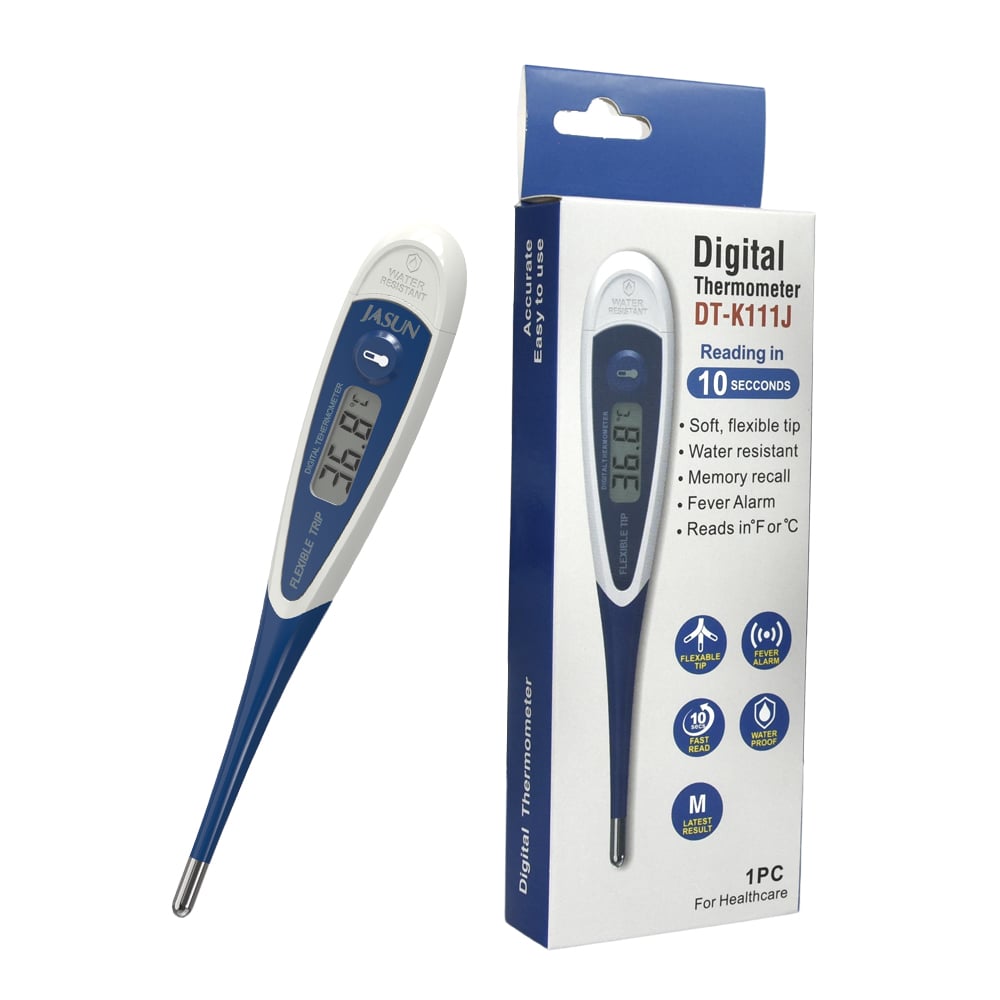
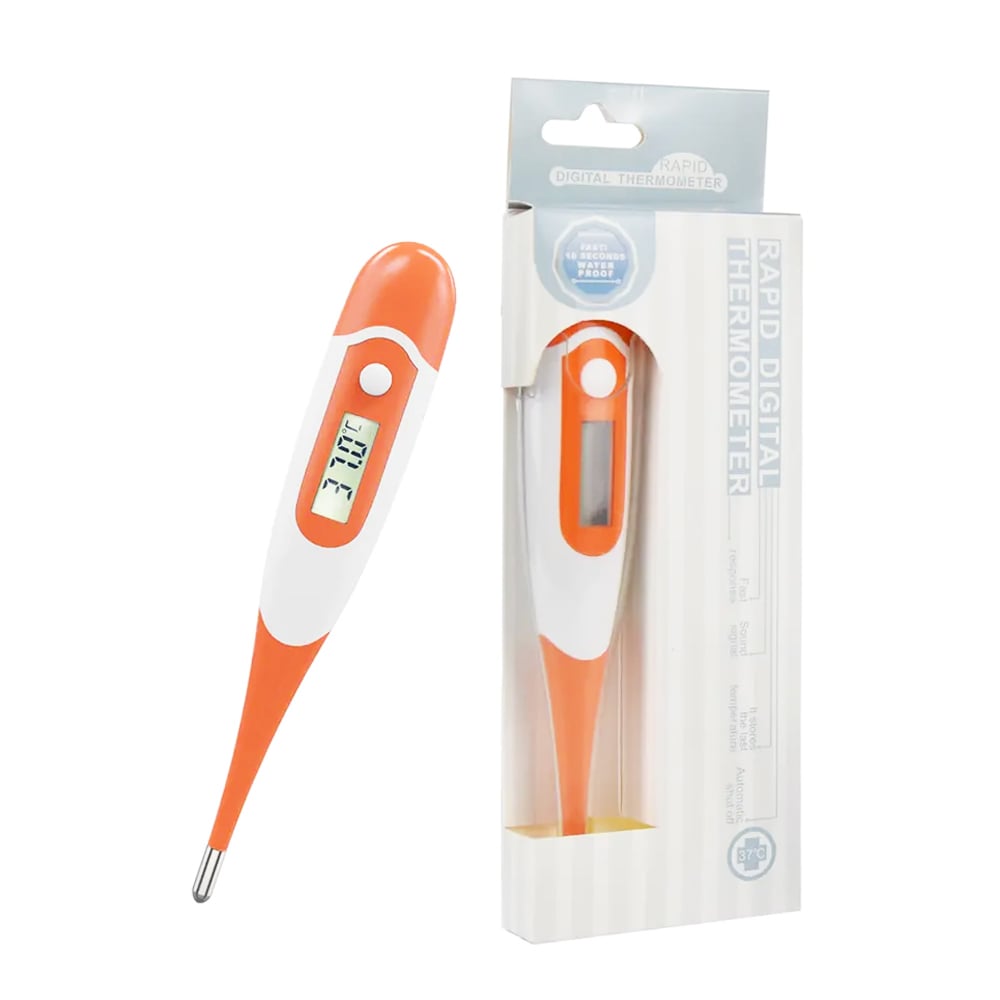
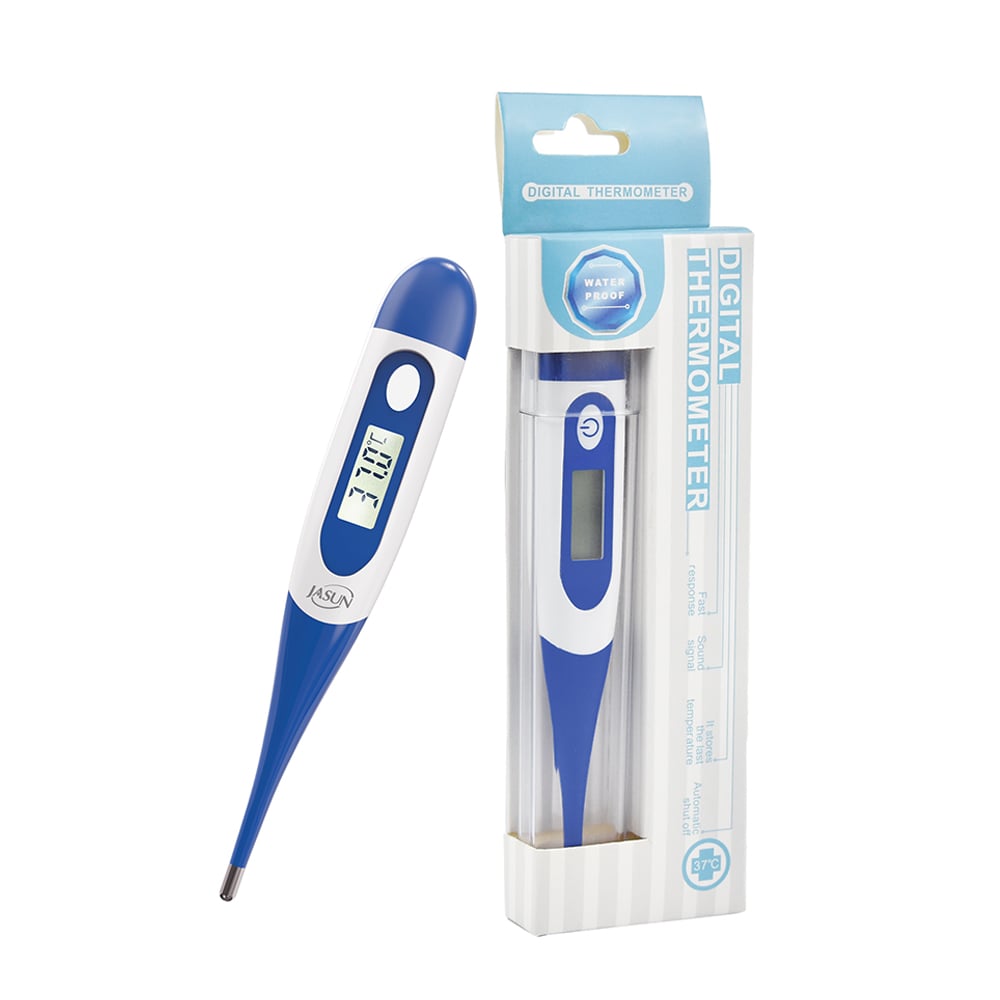
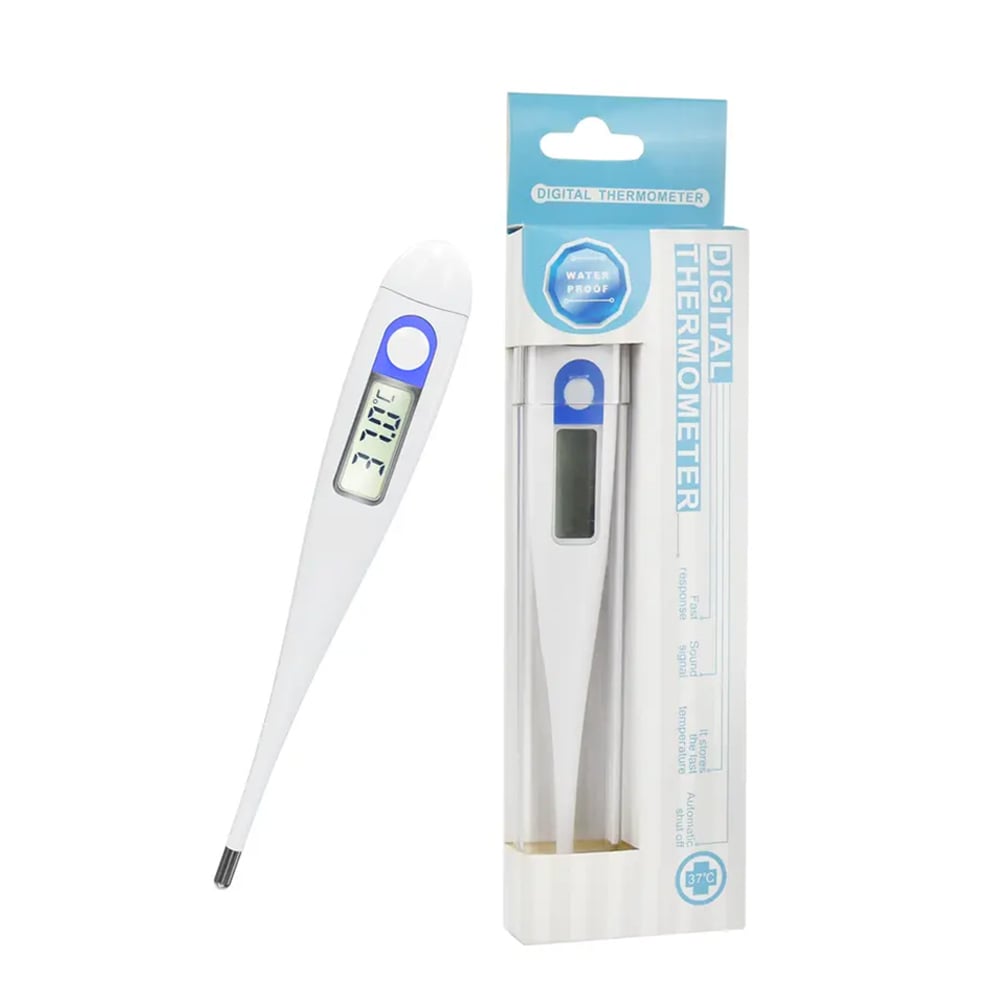
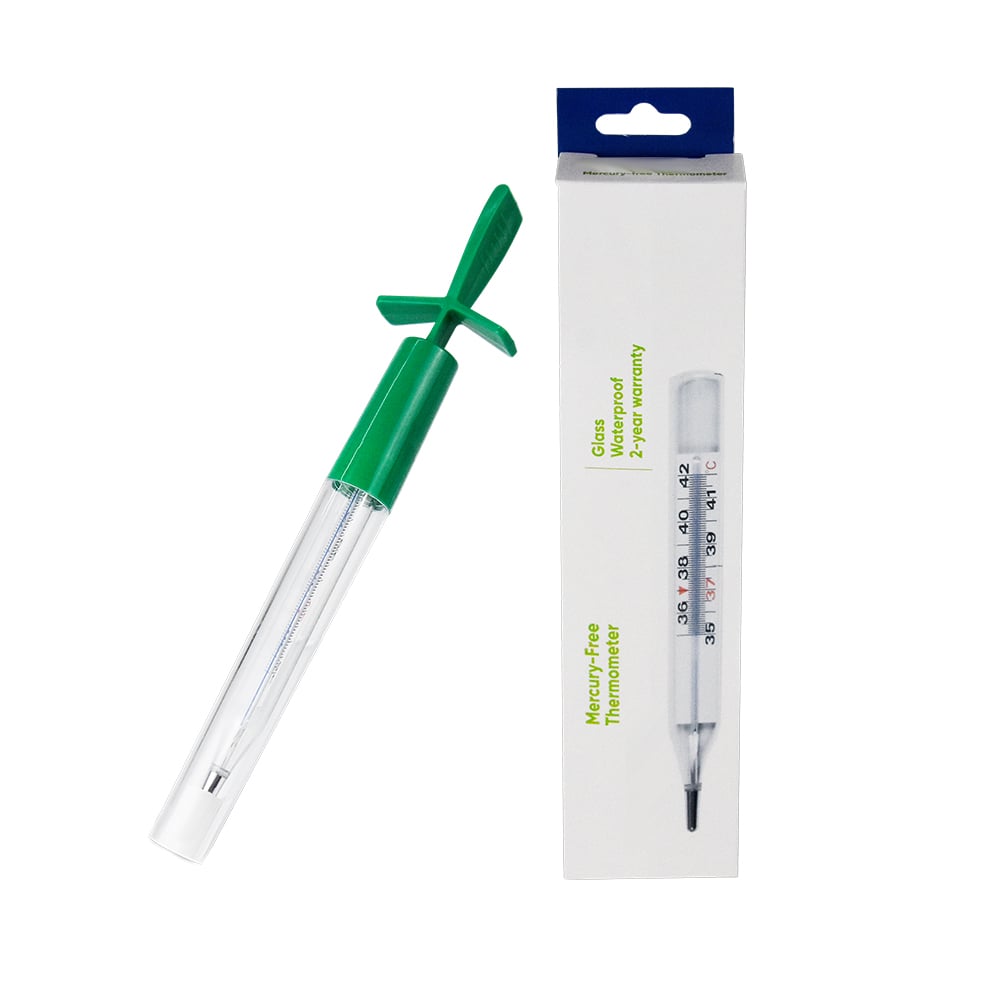
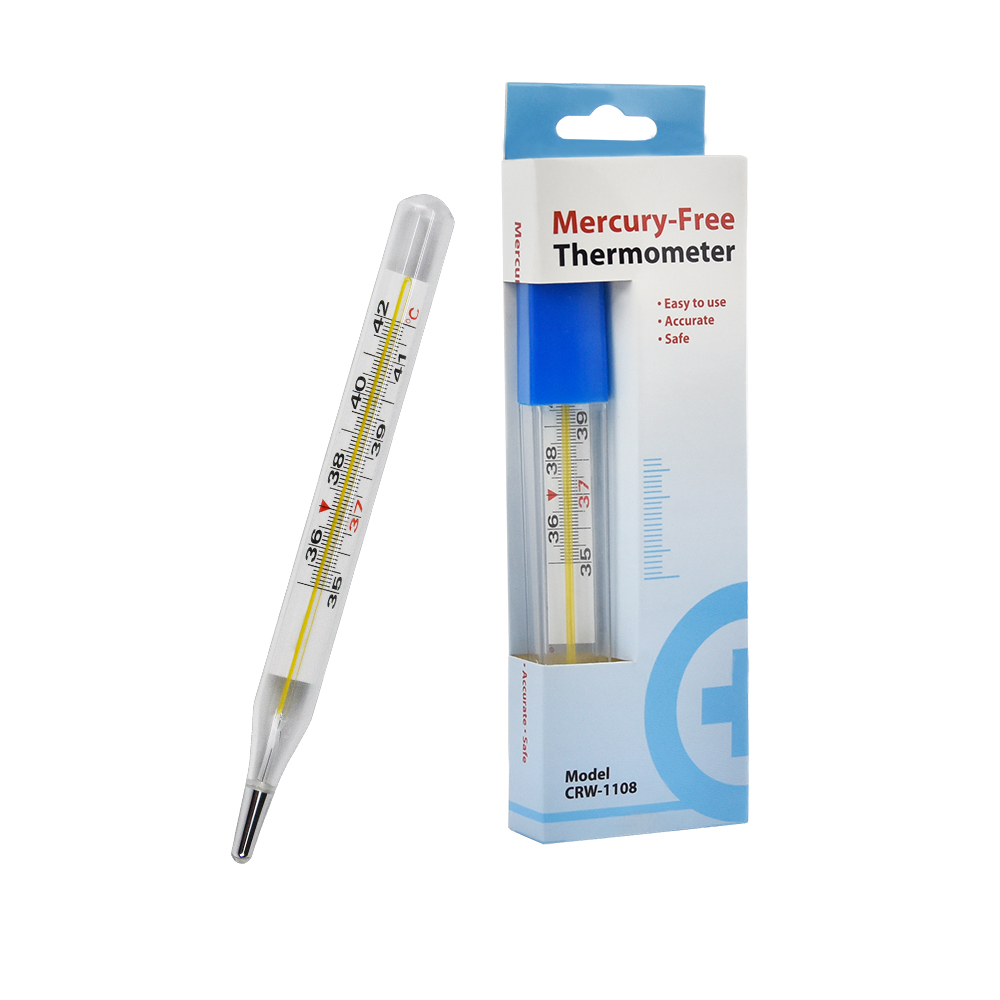
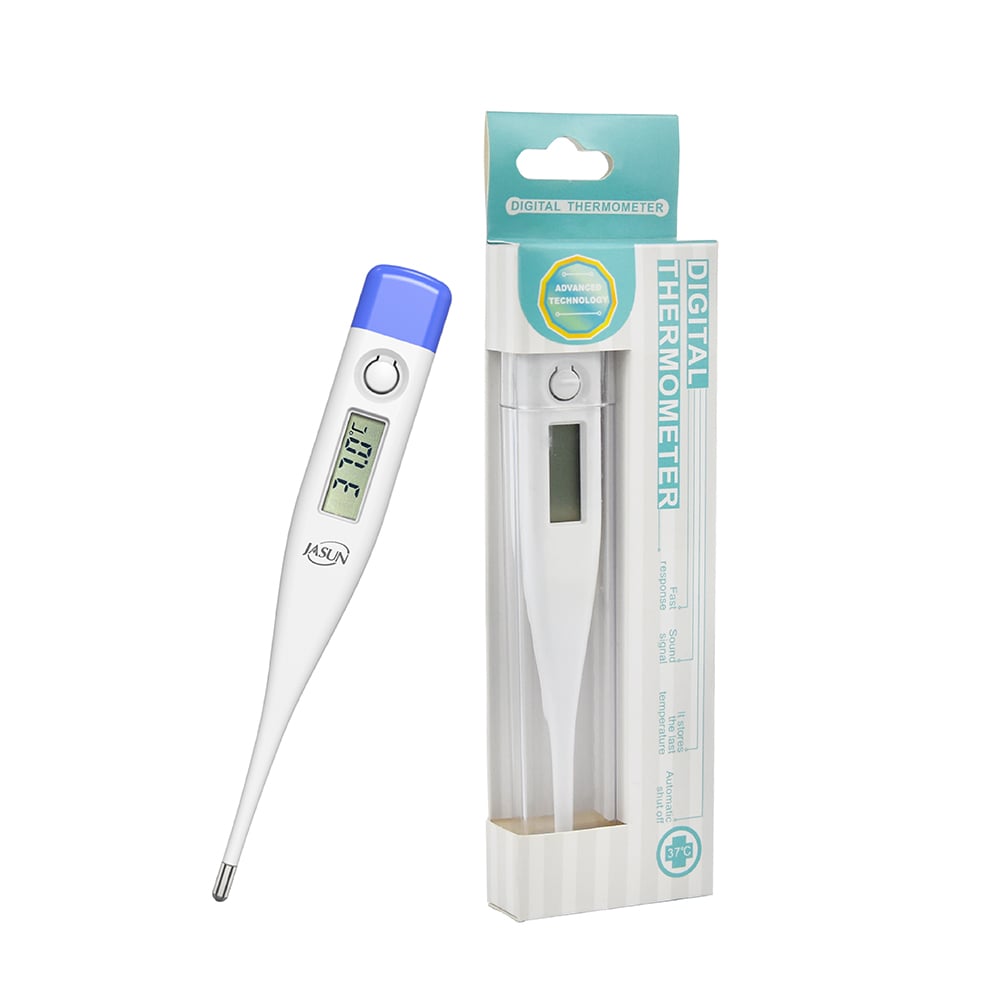
Reliable body temperature measurement is essential in various industries, especially in healthcare. Non-mercury thermometers offer a safe and accurate alternative to traditional mercury thermometers, addressing buyer concerns about safety, accuracy, and usability. This article will guide you through the key specifications, sourcing options, installation guidance, common issues, and essential features of thermometer for armpit, helping you make informed purchasing decisions.
When sourcing non-mercury thermometers, understanding their specifications is crucial for ensuring they meet application requirements. Key specifications include:
Measurement Range: Typically from 32°C to 42°C (89.6°F to 107.6°F), ensuring suitability for human body temperature measurement.
Accuracy: Look for thermometers with an accuracy of ±0.1°C, which is critical in clinical settings. Accuracy affects the reliability of patient diagnosis and treatment.
Response Time: A quicker response time (usually under 60 seconds) is preferable, especially in high-traffic medical environments.
Material: Common materials include glass and high-grade plastics. Glass thermometers often offer a traditional feel, while plastics can be more durable and shatter-resistant.
Calibration: Ensure that the thermometer meets relevant calibration standards, such as ISO 13485:2003, which is crucial for ensuring consistent performance.
Packaging: Consider whether the thermometer is individually packaged for hygiene purposes, especially for medical applications.
Importers should evaluate these specifications based on their specific application needs, ensuring that the products align with market standards and customer expectations.
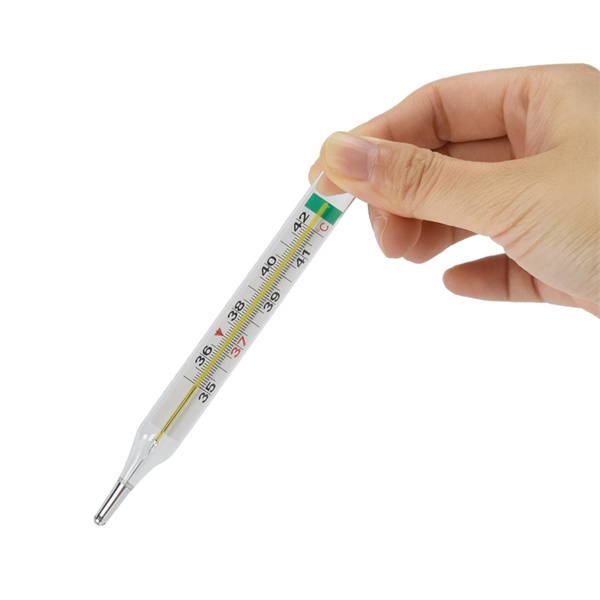
Sourcing non-mercury thermometers requires careful consideration of suppliers to guarantee quality and compliance. Here are some reliable options:
Established Manufacturers: Partnering with manufacturers like Hangzhou Huaan Medical Health Instruments Co., Ltd., which has been in the industry since 1997, ensures access to high-quality products backed by extensive experience and certifications, including CE, MDR, and ISO 13485:2003.
Distributors: Engaging with trusted medical device distributors can streamline procurement processes. These distributors often have established relationships with manufacturers and can provide insights into product performance and market trends.
Trade Shows and Expos: Industry-specific trade shows offer opportunities to meet manufacturers, inspect products firsthand, and discuss customization options.
Online Marketplaces: Platforms like Alibaba or medical supply-specific websites can provide access to a wide range of suppliers. However, it’s vital to verify supplier credentials and product certifications before committing.
When selecting a source, consider factors such as minimum order quantity (MOQ), lead times, and the ability to customize products according to specific needs.
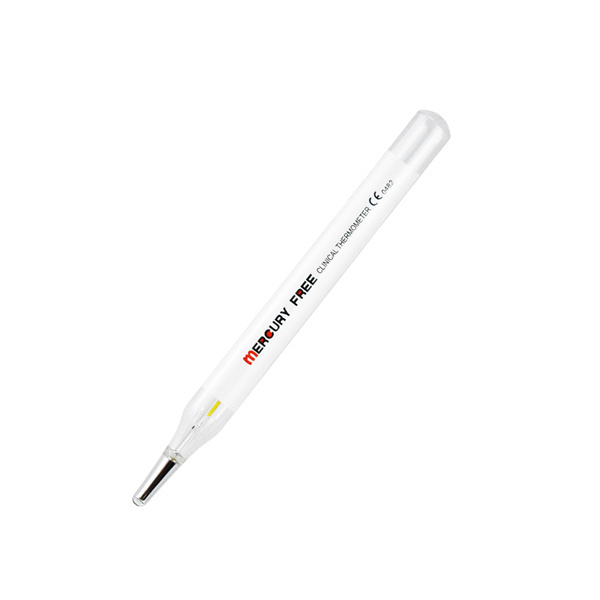
Proper installation of Hangzhou Huaan non-mercury thermometers is essential for accurate readings and longevity. Here are key installation considerations:
Placement: For clinical environments, thermometers should be placed in areas that avoid direct sunlight and drafts, as these can affect readings. Ensure they are accessible for staff to promote regular use.
Calibration: Regular calibration is necessary to maintain accuracy. Follow the manufacturer’s guidelines for calibration frequency, which may vary based on usage intensity.
User Training: Providing training to staff on how to use and maintain thermometers can prevent user error and ensure consistent measurement practices.
Maintenance: Regular cleaning and proper storage are vital to prolong the lifespan of digital forehead thermometer. Follow manufacturer instructions for cleaning to avoid damaging sensitive components.
Usage Guidelines: Clearly communicate usage instructions to ensure that thermometers are used correctly, minimizing the risk of inaccurate readings due to improper handling.
By following these guidelines, businesses can maximize the effectiveness and reliability of their non-mercury thermometers.
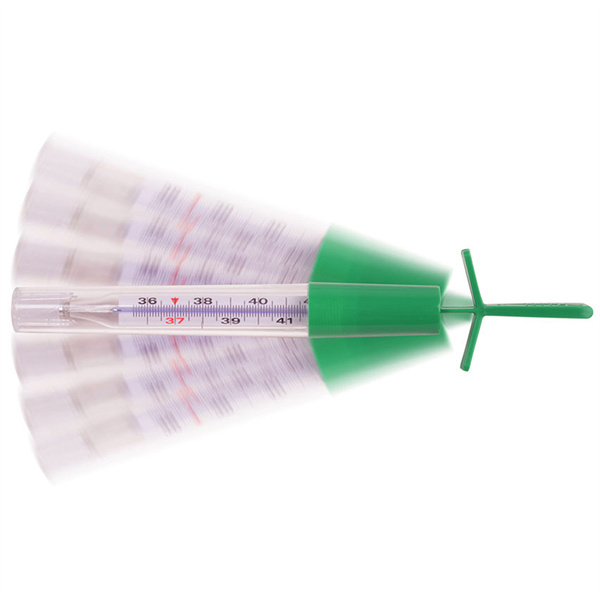
While non-mercury thermometers are reliable, they can encounter issues that may affect performance. Here are common problems and their solutions:
Inaccurate Readings: This can result from poor calibration or improper usage. Regular calibration and user training are essential to mitigate this issue.
Physical Damage: Glass thermometers can break if dropped. Consider investing in shatter-resistant models if durability is a concern, especially in high-traffic environments.
Battery Issues: For electronic non-mercury thermometers, battery failure can lead to inoperability. Implement a maintenance schedule that includes battery checks and replacements.
User Error: Incorrect usage can lead to false readings. Providing clear operational guidelines and training can significantly reduce user error.
Environmental Influences: Temperature variations in the environment, such as humidity and airflow, can impact readings. Ensure thermometers are stored and used in controlled environments.
Addressing these common problems proactively can enhance the reliability and longevity of non-mercury thermometers in your operations.
When evaluating Hangzhou Huaan non-mercury thermometers, certain features can significantly influence purchasing decisions:
Ease of Use: Look for models with intuitive displays and straightforward operation, particularly for environments where staff may not be highly trained.
Durability: Features like shatter-resistant materials can enhance longevity, making them suitable for busy environments.
Design: Ergonomic designs enhance comfort during use, especially in clinical settings where the thermometer may be used frequently.
Data Recording: Some non-mercury thermometers come with data logging capabilities, allowing for better patient monitoring and record-keeping.
Customization Options: The ability to customize thermometers with branding or specific features can be a deciding factor for businesses looking to strengthen their brand presence.
By focusing on these critical features, buyers can select infant thermometer that not only meet their operational needs but also enhance user experience and reliability.
selecting the right non-mercury thermometer involves careful consideration of specifications, sourcing options, installation practices, potential problems, and key features. Understanding these factors will help businesses make informed purchasing decisions, ensuring they invest in reliable, high-quality temperature measurement solutions.
JASUN is a registered trademark of Hangzhou Hua'an Medical & Health Instruments Co.,Ltd. Your first option for premium thermometer suppliers in China with CE, MDR, ISO13485:2003, FDA and BSCI certificates.
Our location: Building 2,1# Fuzhu Nan RD, Wuchang Town, Yuhang District, Hangzhou, Zhejiang 310023, China
HOURS: 8:30AM - 6:00PM
Copyright © Hangzhou Hua'an Medical & Health Instruments Co.,Ltd. All Rights Reserved Blog Privacy Policy
 EN