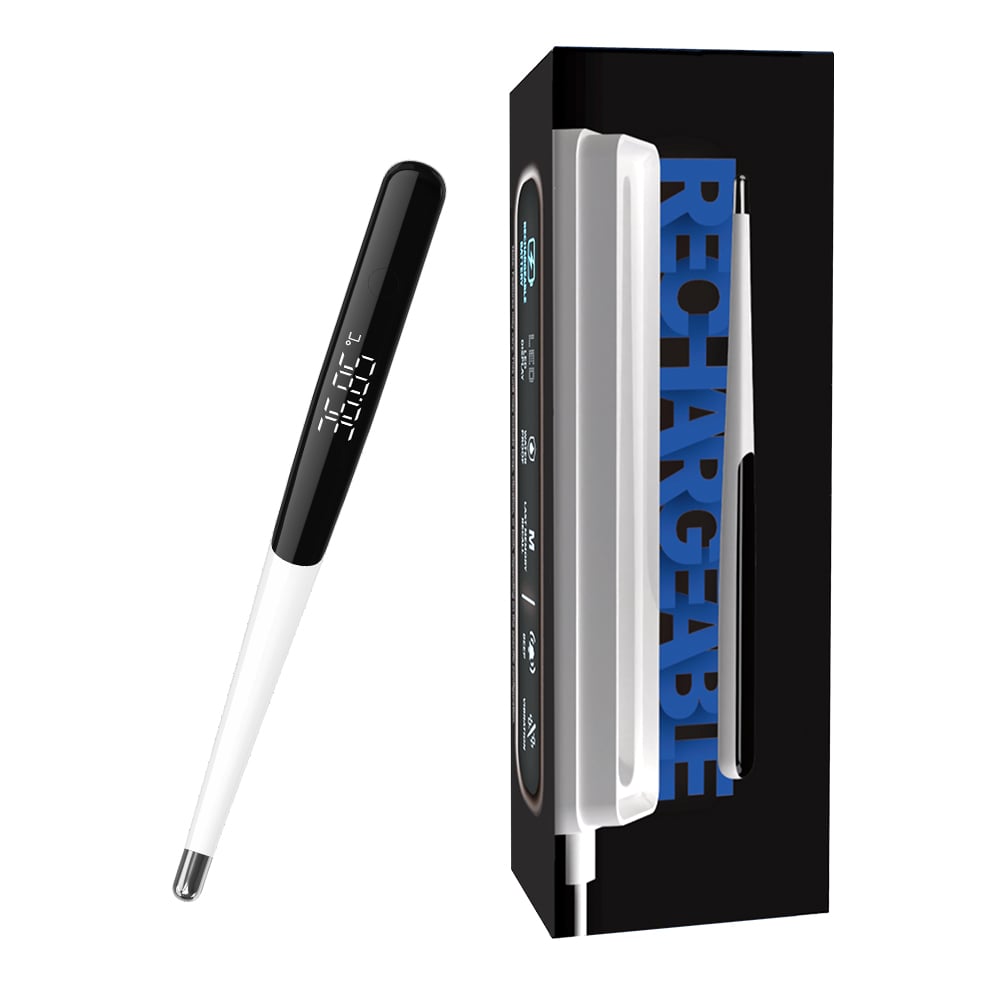
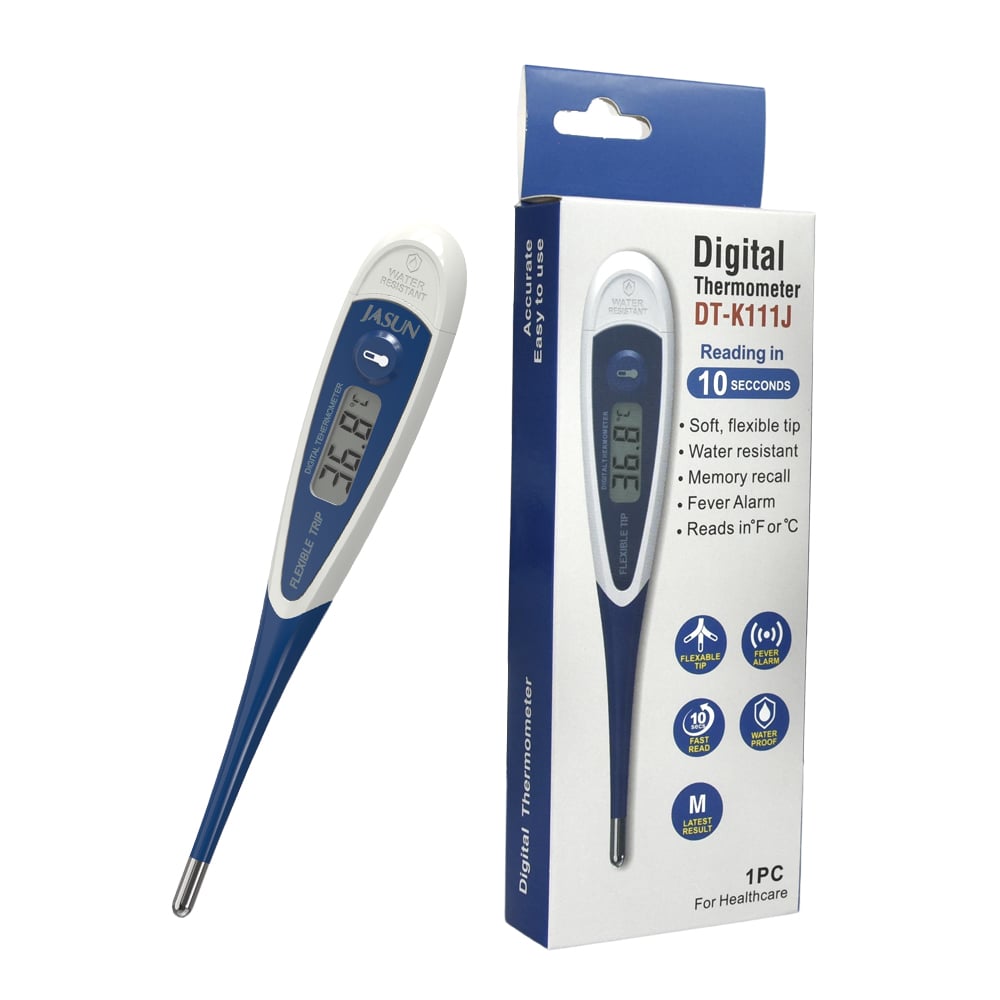
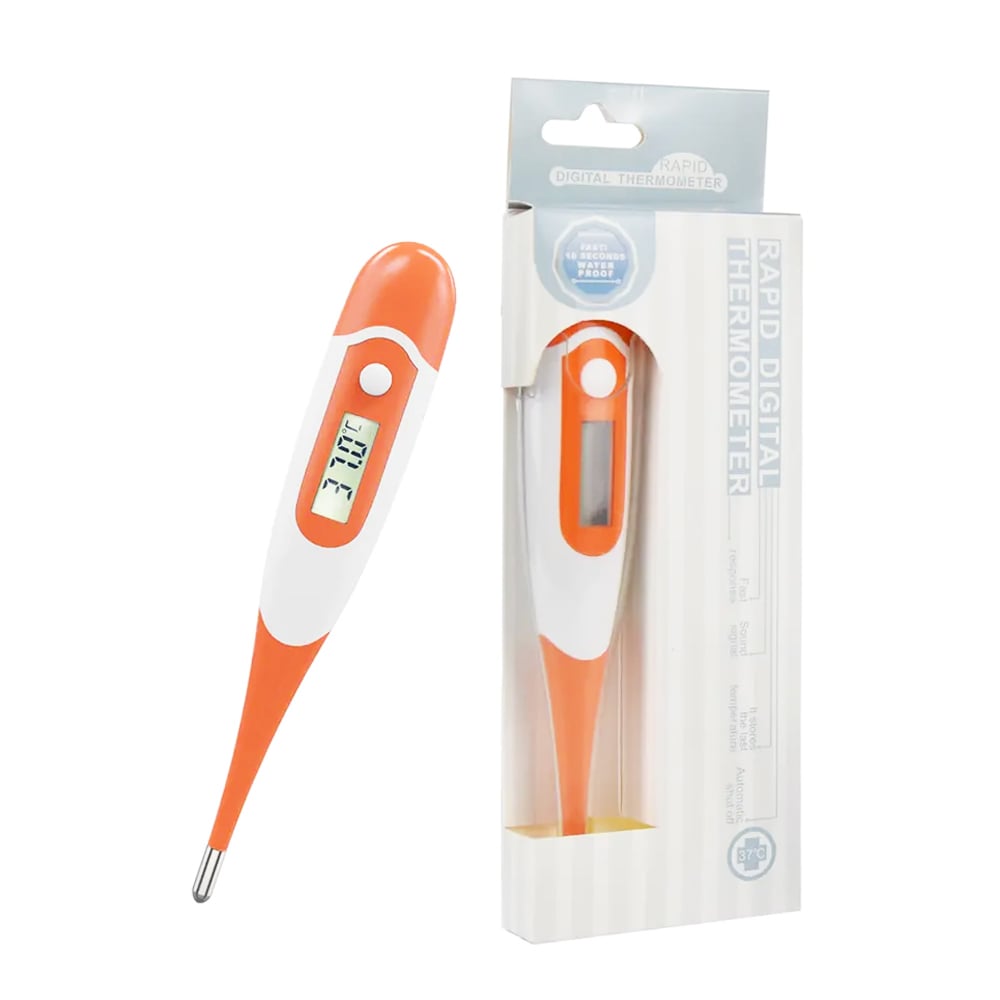
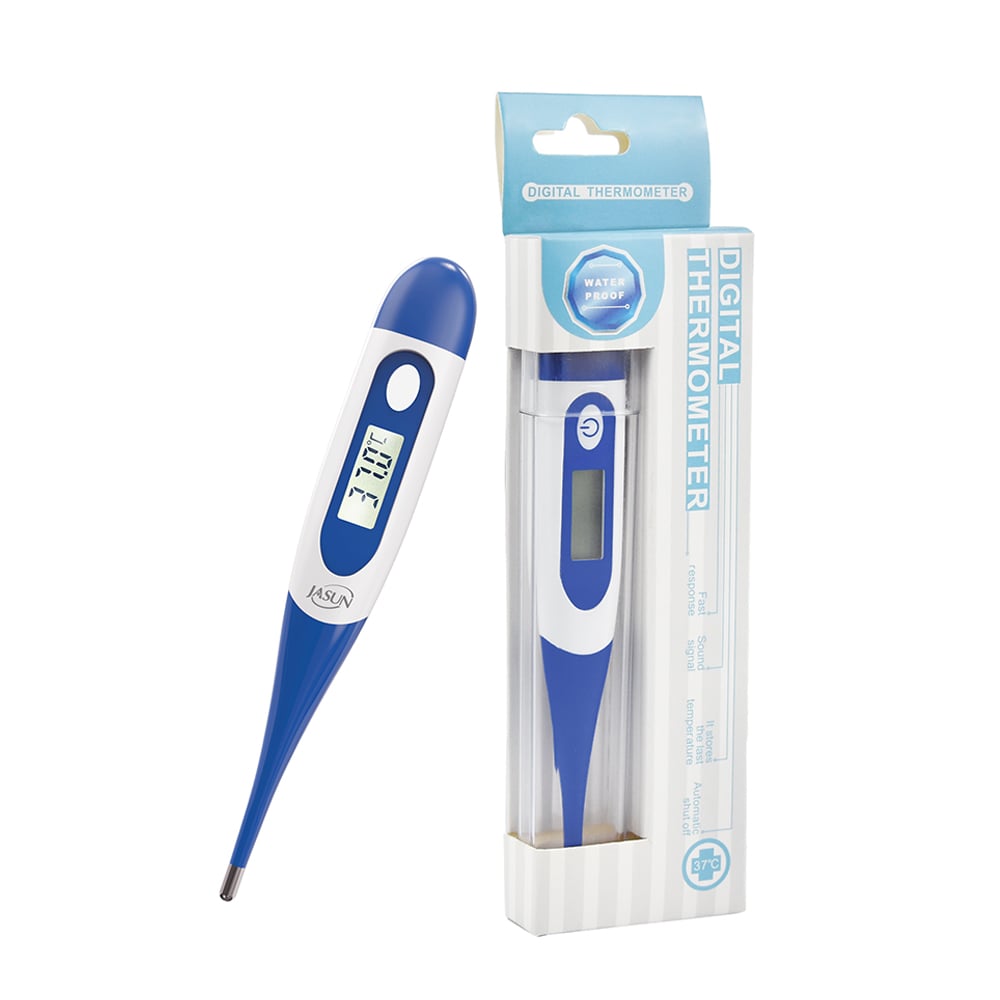
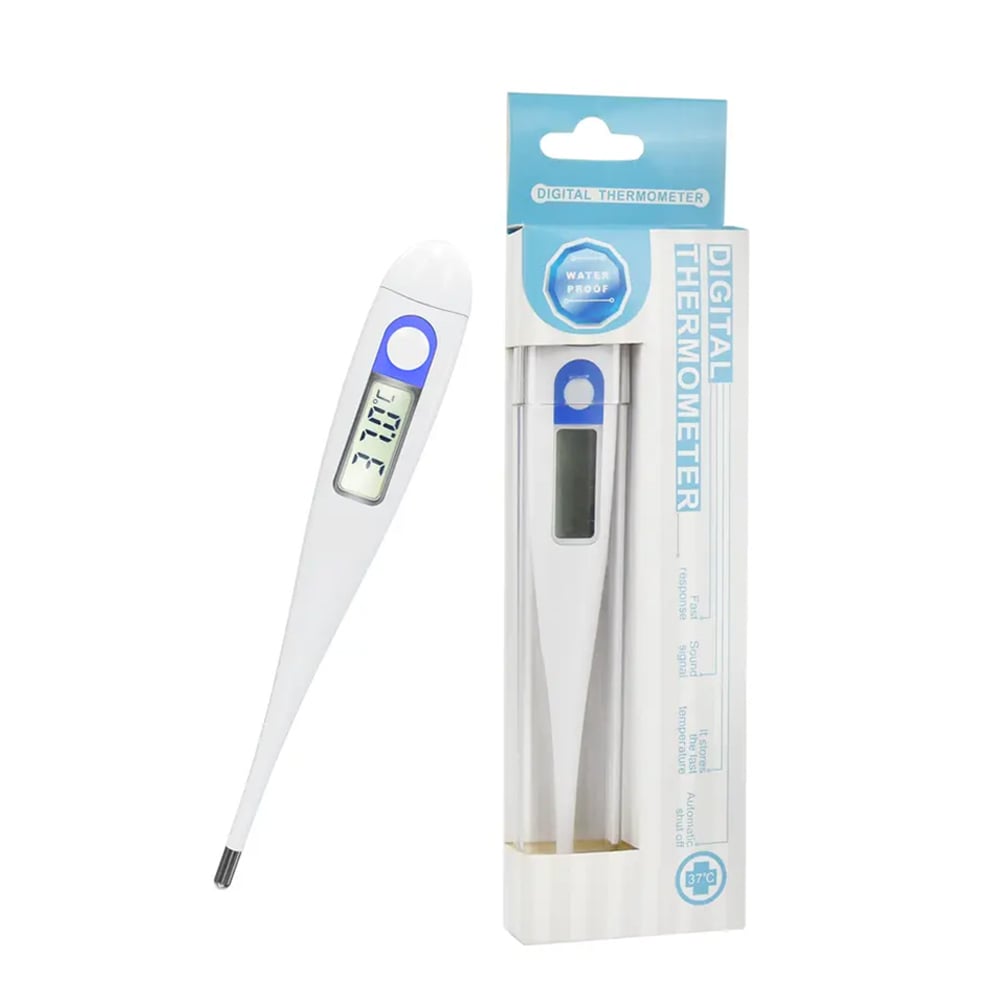
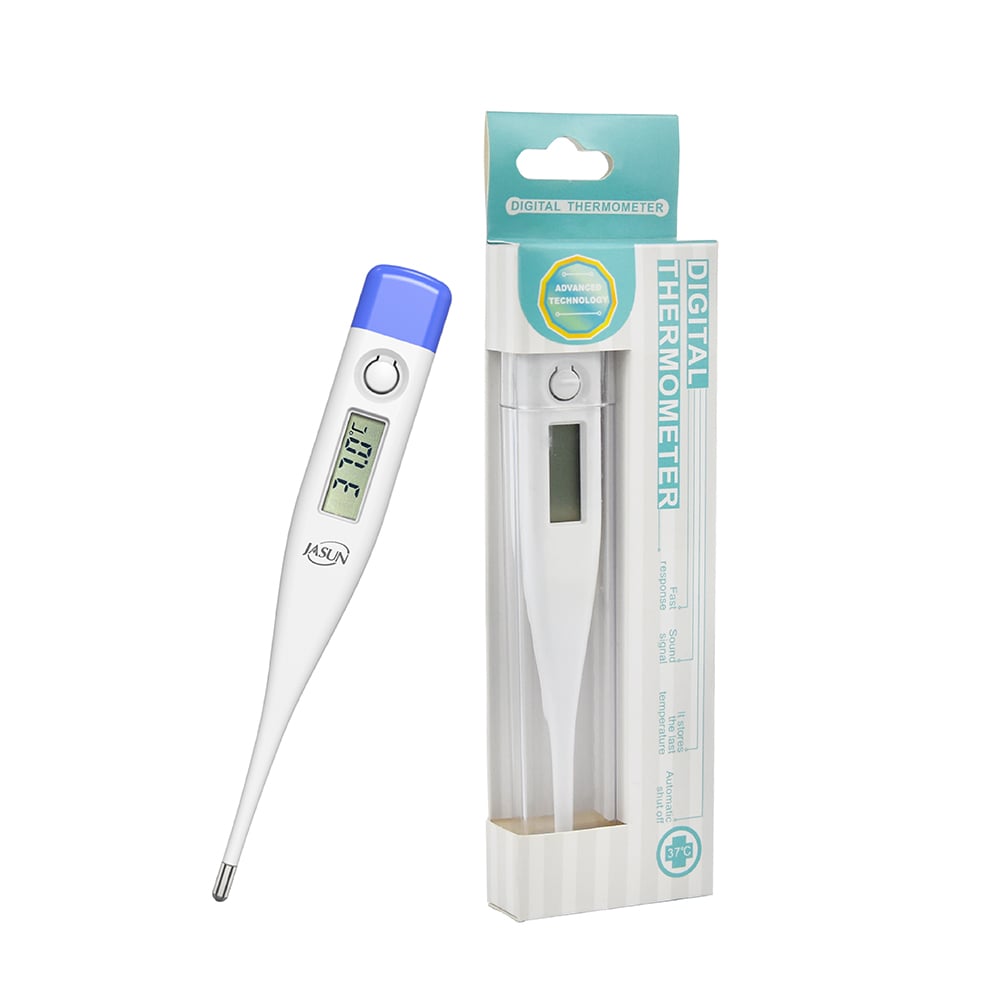
Non-contact infrared (IR) thermometers are essential tools for measuring body temperature without direct contact, providing a hygienic and efficient method for health monitoring. In the B2B context, purchasing managers, distributors, and other professionals seek reliable devices that ensure accuracy, comfort, and durability. This article will guide you through selecting the right non-contact IR newborn thermometer, understanding key specifications, addressing common issues, and exploring various applications across industries.
Selecting the right non-contact IR thermometer involves several considerations to ensure it meets your specific requirements. First, assess the intended application; different environments may require varying specifications. For instance, medical facilities may prioritize accuracy and response time, while industrial settings might focus on durability and temperature range.
Next, consider the thermometer's distance-to-spot ratio (D:S ratio). This specification indicates the area measured at a specific distance. A higher D:S ratio allows for accurate readings from a greater distance, making it ideal for environments where contact is impractical. Additionally, check for ergonomic designs that enhance user comfort during prolonged use.
Lastly, examine the certifications. Look for devices that comply with standards such as CE, ISO13485:2003, and FDA, as these indicate adherence to quality and safety regulations. At Hangzhou Huaan Medical Health Instruments Co., Ltd., our non-contact IR infant rectal thermometer are backed by these certifications, ensuring reliability for our global clients.
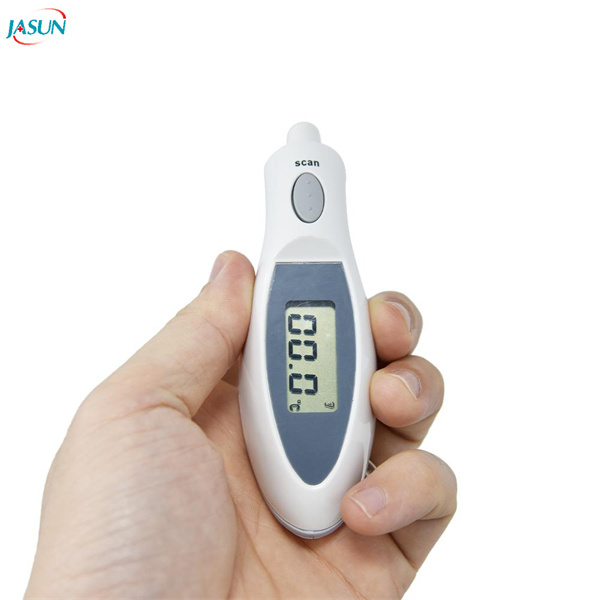
When ordering non-contact IR thermometers in bulk, certain specifications are crucial to evaluate to ensure they align with your operational needs. Key specifications include:
Measurement Range: This defines the temperature limits the thermometer can measure. Ensure the range suits your application, particularly for environments with extreme temperatures.
Accuracy: This specification indicates how close the thermometer's reading is to the actual temperature. High accuracy is essential for medical applications, where minor discrepancies can lead to significant consequences.
Response Time: A quick response time reduces wait periods and enhances workflow efficiency. Look for infant ear thermometer that provide readings within a few seconds.
Battery Life: For devices used frequently, battery longevity is vital. Assess the expected battery life and whether the thermometers are rechargeable or require regular replacements.
Customization Options: Depending on your branding or specific functionality needs, inquire about customization options, such as color, logo placement, or additional features.
By understanding these specifications, you can make informed purchasing decisions that align with your operational requirements.
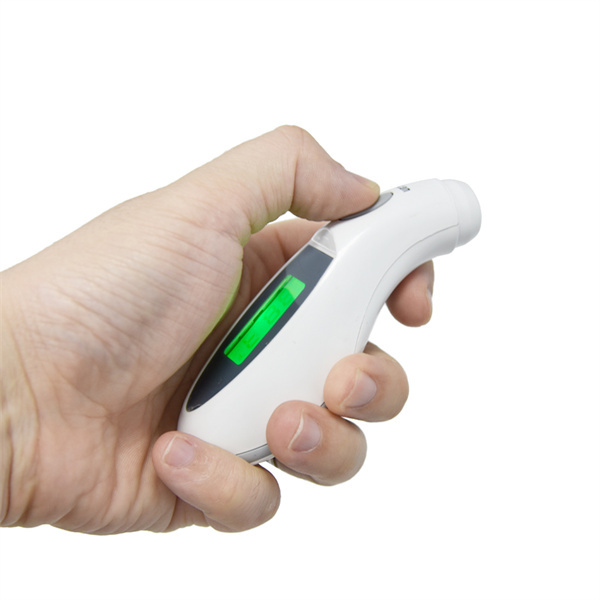
Non-contact IR thermometers operate by detecting infrared radiation emitted from an object or person and converting it into a temperature reading. They are especially valuable in scenarios where traditional thermometers may pose hygiene risks, such as in hospitals or during public health screenings.
These devices utilize a lens to focus the infrared energy onto a detector, which then produces a temperature reading. The key advantage of non-contact thermometers lies in their ability to provide quick and accurate measurements without direct contact, minimizing the risk of cross-contamination.
Most non-contact IR thermometers feature digital displays, which can include additional functionalities such as fever alerts or memory storage for tracking multiple readings. Understanding how these devices function can help you better assess their suitability for your needs.
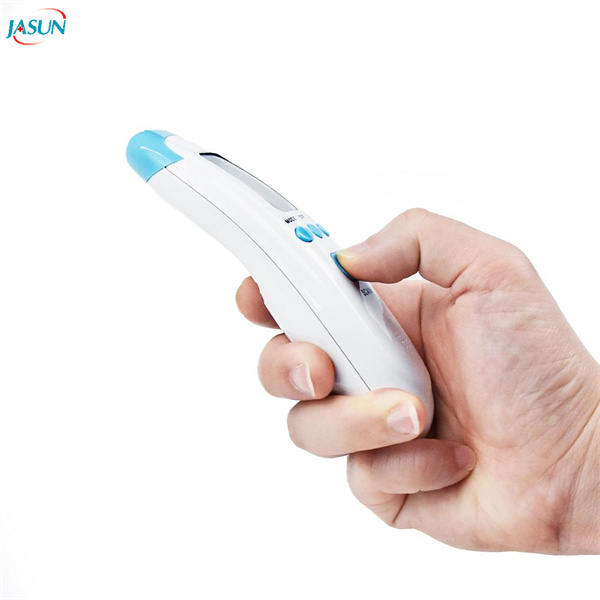
While non-contact IR thermometers are generally reliable, users may encounter a few common issues. Here are some typical problems and their solutions:
Inaccurate Readings: This can occur if the thermometer is not held at the correct distance or if the surface being measured is not appropriate (e. g., shiny or reflective surfaces). Ensure proper distance as specified in the user manual and consider using a non-reflective surface for accurate readings.
Battery Issues: If the device fails to power on or provide readings, check the battery level. Regularly replacing or recharging batteries can prevent operational disruptions.
Temperature Drift: This may happen due to environmental factors such as drafts or direct sunlight. To mitigate this, conduct measurements in a stable environment and allow the thermometer to acclimate to room temperature before use.
Calibration Needs: Over time, thermometers may require calibration to maintain accuracy. Regularly check the manufacturer's guidelines on calibration procedures to ensure consistent performance.
By addressing these common issues proactively, you can enhance the reliability and longevity of your non-contact IR thermometers.
Non-contact IR thermometers are versatile instruments with applications across multiple industries:
Healthcare: Used in hospitals and clinics, these thermometers allow for quick patient screenings to detect fevers, particularly during pandemic situations.
Food Industry: Ensuring food safety, non-contact IR thermometers can measure the temperature of food surfaces during preparation and storage, helping to maintain compliance with health regulations.
Manufacturing: In industrial settings, these devices monitor machinery and equipment temperatures, identifying overheating issues before they lead to equipment failure.
HVAC Systems: Technicians utilize non-contact thermometers to assess the performance of heating and cooling systems, ensuring they operate within optimal temperature ranges.
Laboratories: Precise temperature measurements are critical in research and development. Non-contact IR thermometers facilitate temperature assessments without contaminating samples.
Understanding these applications can help you identify the most appropriate use cases for non-contact IR thermometers in your operations, ensuring you maximize their utility and effectiveness.
In summary, when selecting a non-contact IR thermometer, consider your specific needs, key specifications, and potential issues to ensure you choose the right product for your organization. With reliable manufacturing capabilities and a commitment to quality, Hangzhou Huaan Medical Health Instruments Co., Ltd. stands ready to meet your thermometer needs with superior accuracy and durability.
JASUN is a registered trademark of Hangzhou Hua'an Medical & Health Instruments Co.,Ltd. Your first option for premium thermometer suppliers in China with CE, MDR, ISO13485:2003, FDA and BSCI certificates.
Our location: Building 2,1# Fuzhu Nan RD, Wuchang Town, Yuhang District, Hangzhou, Zhejiang 310023, China
HOURS: 8:30AM - 6:00PM
Copyright © Hangzhou Hua'an Medical & Health Instruments Co.,Ltd. All Rights Reserved Blog Privacy Policy
 EN