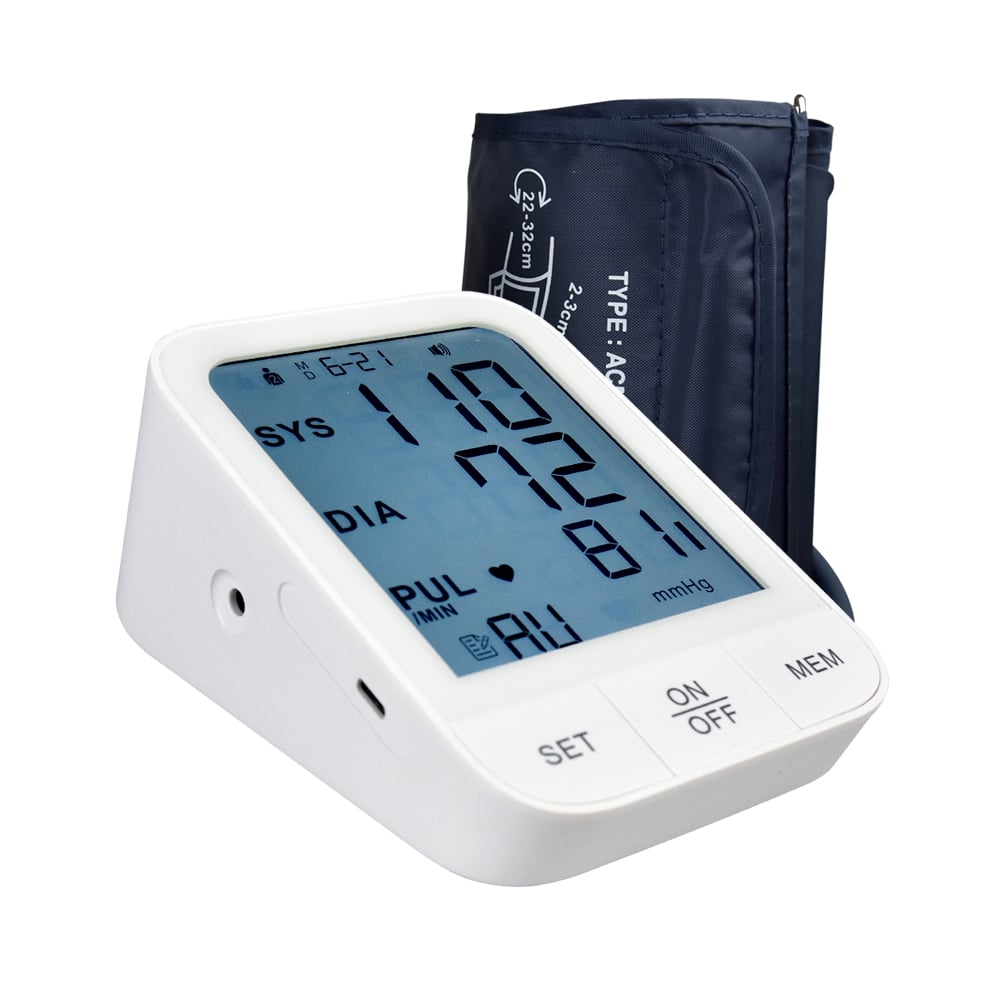
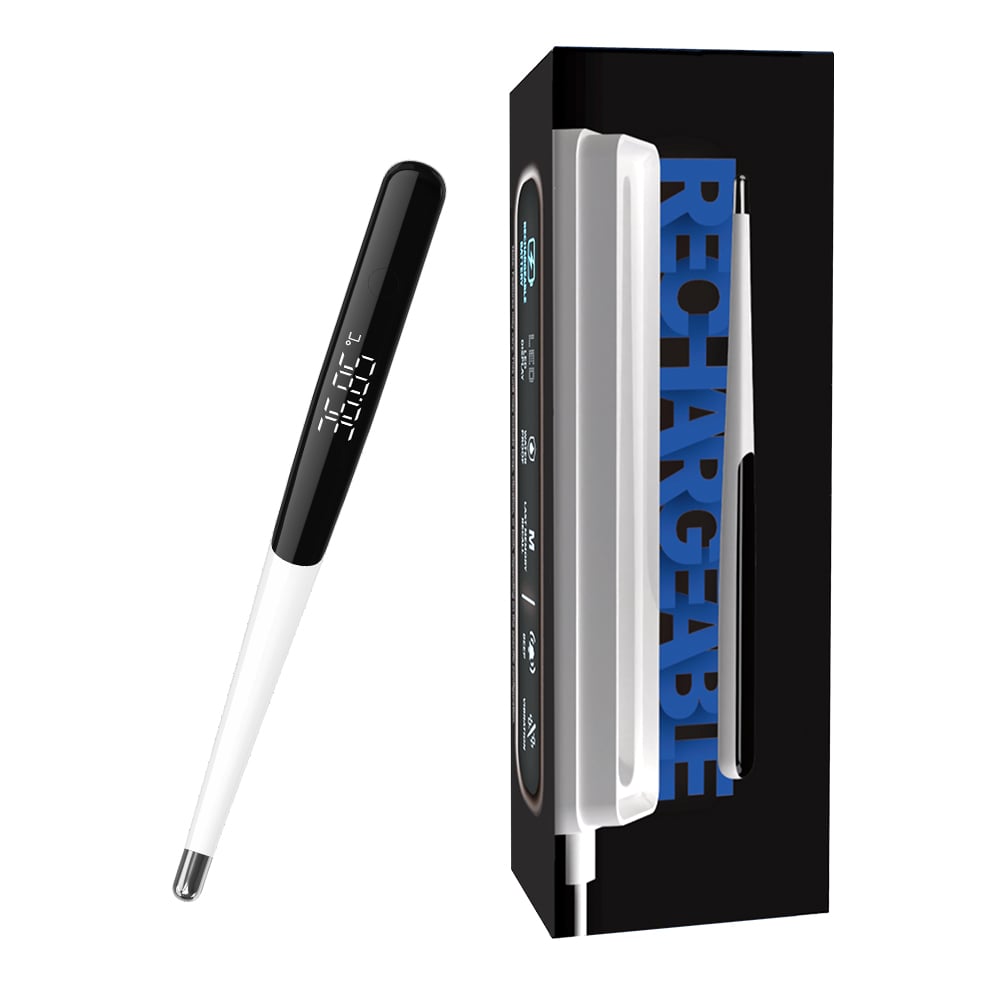
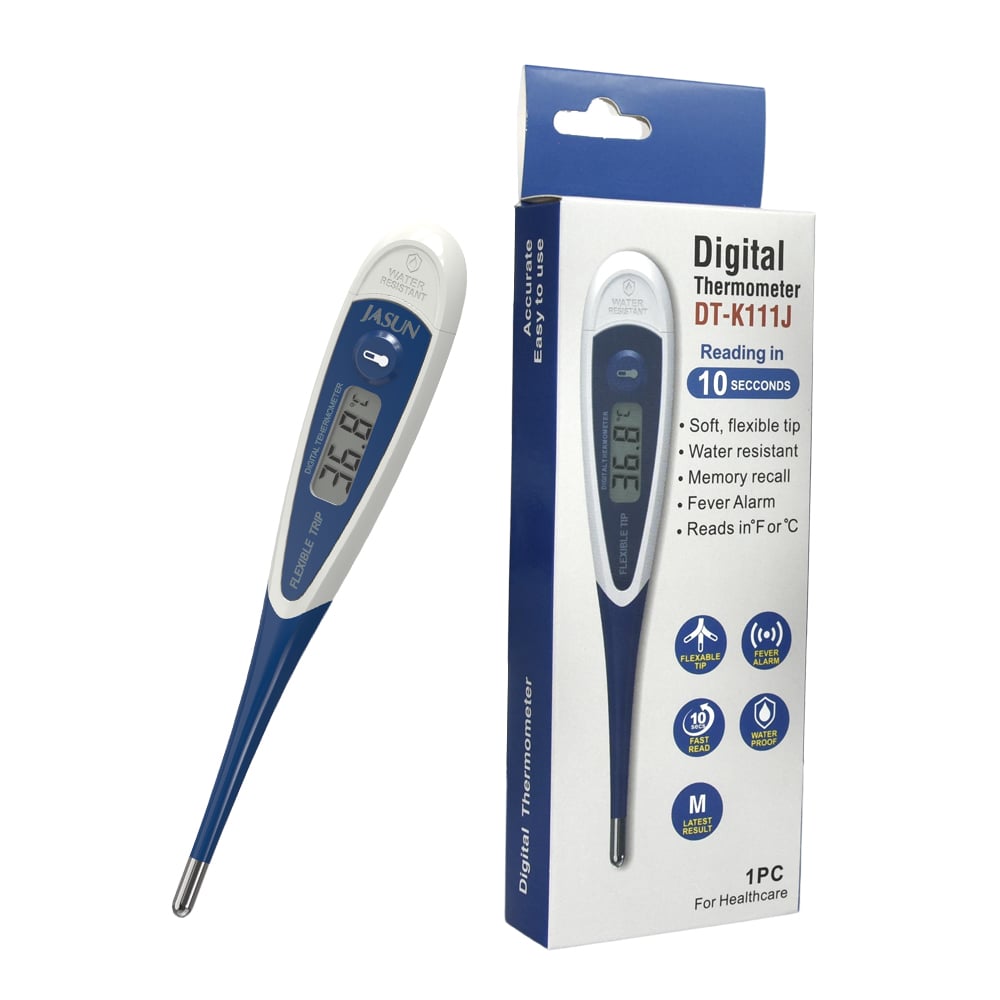
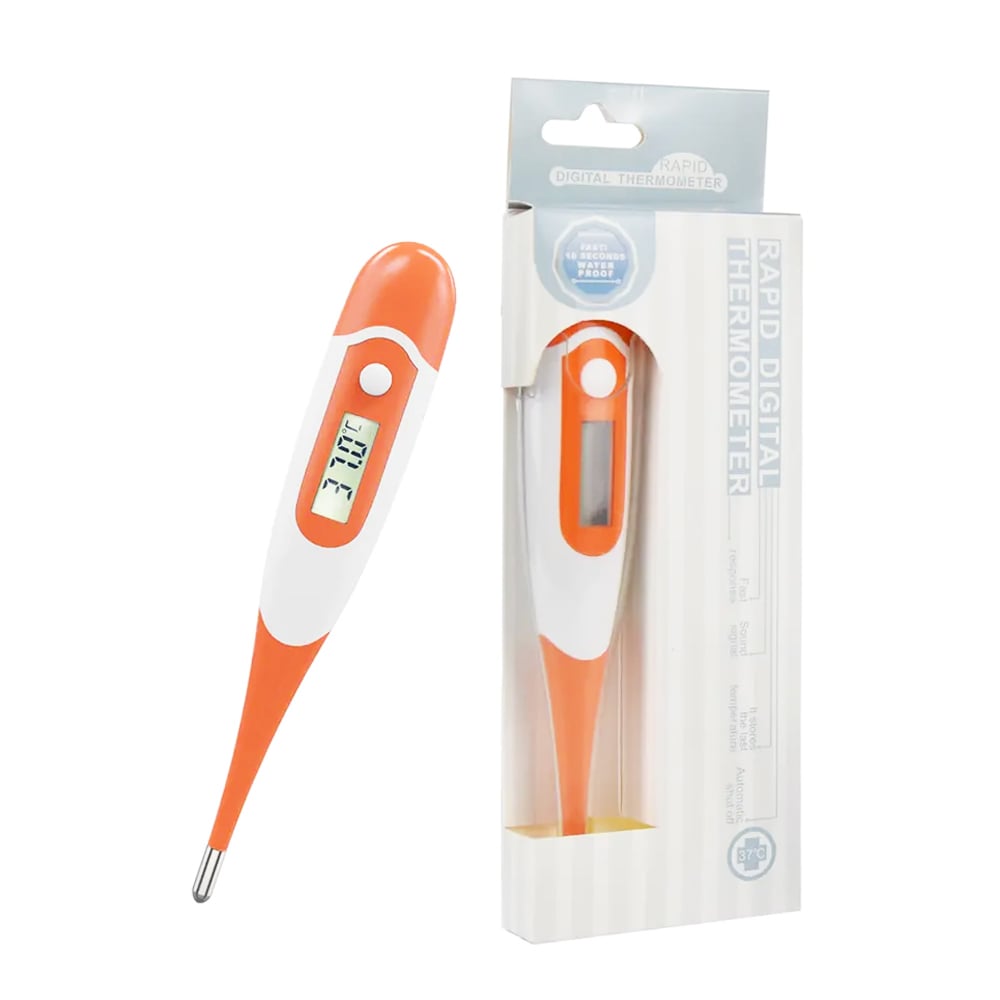
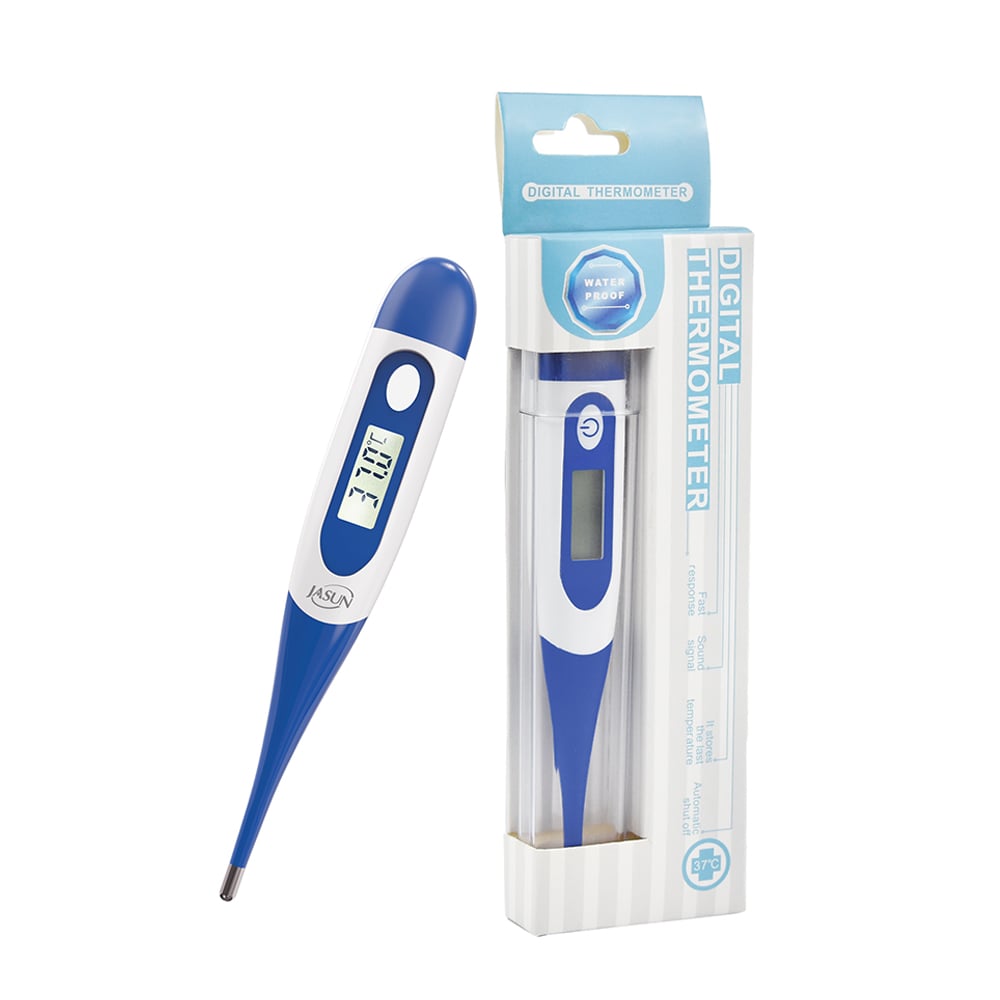
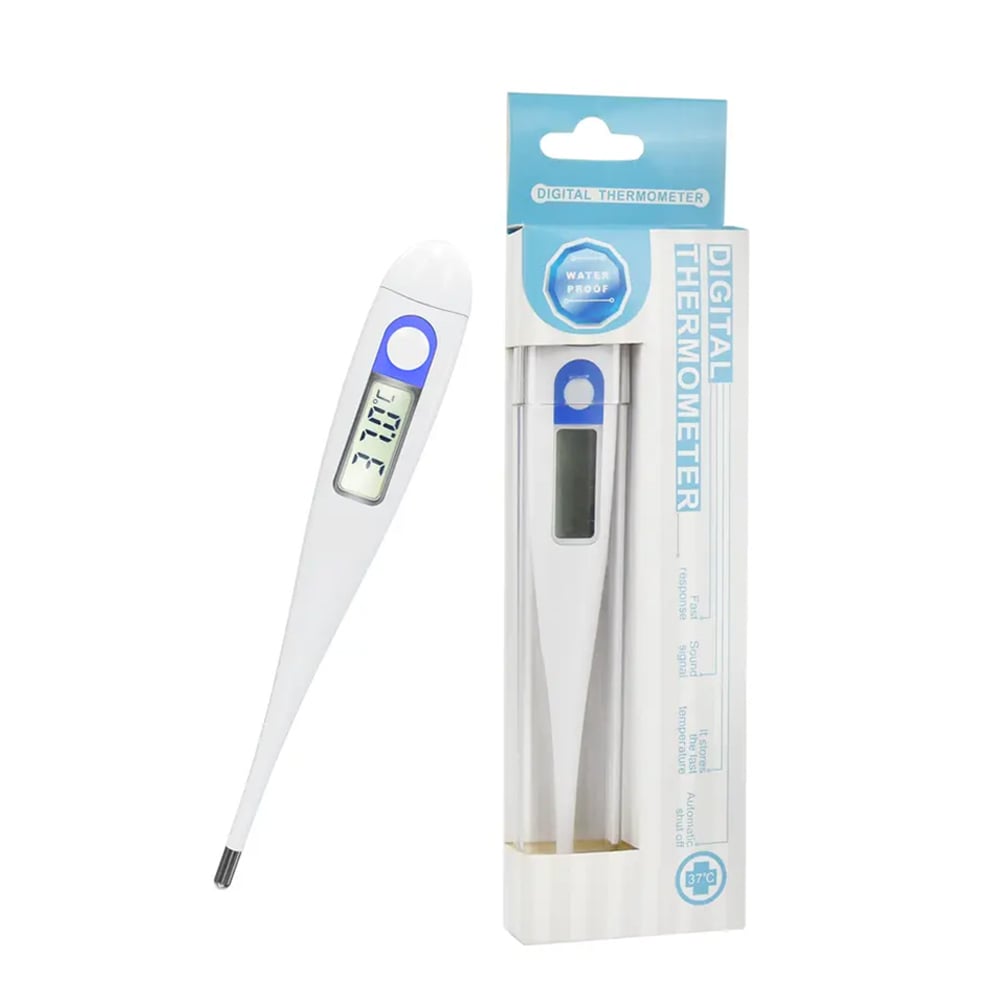
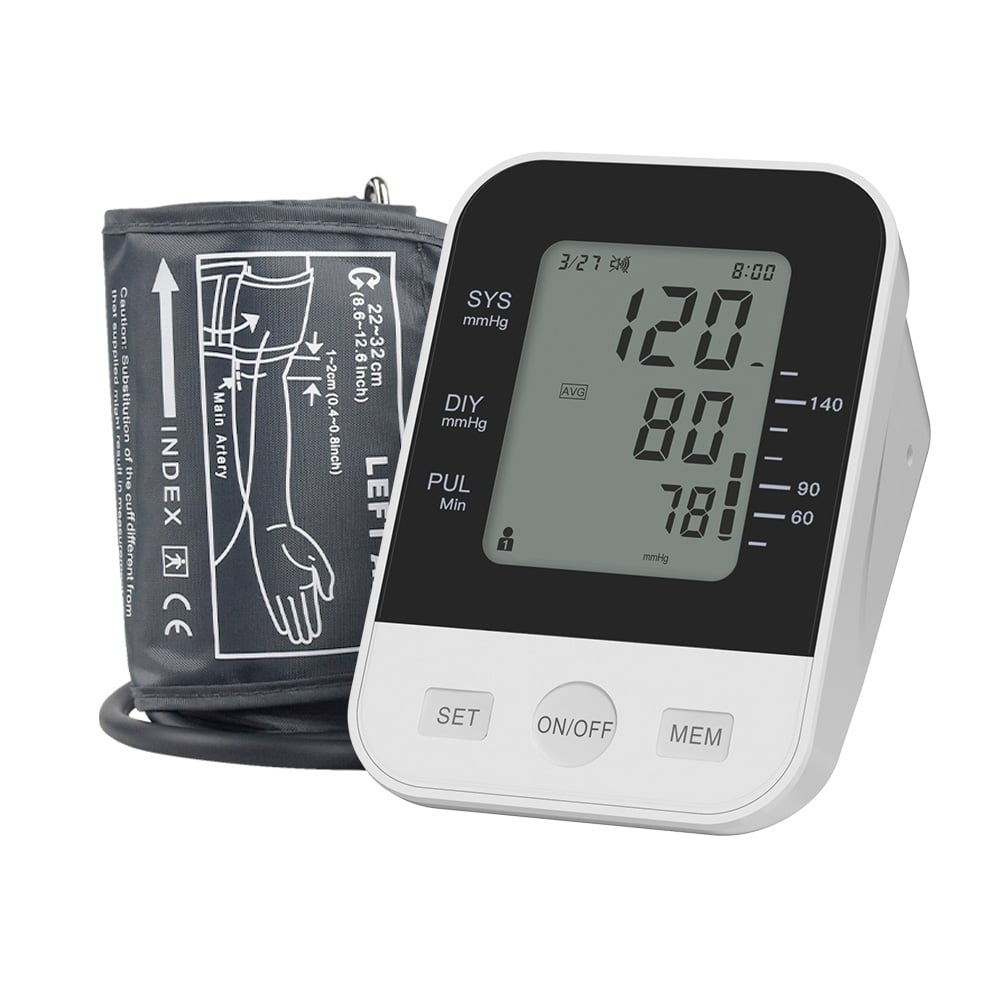
Non-contact infrared thermometers are essential tools in various industries, enabling quick and accurate temperature measurements without direct contact. These Hangzhou Huaan non contact infrared thermometer devices have gained immense popularity due to their precision, ease of use, and safety, especially in medical and industrial applications. For B2B buyers, understanding the nuances of selecting and utilizing these thermometers is crucial to ensure optimal performance and reliability. This article will guide you through the key considerations, advantages of bulk orders, common challenges, installation guidance, and a comprehensive buyer's guide for Hangzhou Huaan non contact ir thermometer.
When selecting a non-contact infrared thermometer for wholesale, several critical factors must be assessed:
Accuracy and Measurement Range: Look for thermometers that provide high accuracy, typically within ±0.5°C. The measurement range should also be suitable for your application, whether it’s for medical, industrial, or commercial use. For instance, medical-grade thermometers often have a range of 35°C to 42°C, while industrial models may extend to 500°C or higher.
Response Time: Fast response times are essential, especially in high-demand environments. A good thermometer should provide readings in a matter of seconds, which is crucial for quick decision-making.
Display and User Interface: A clear, easy-to-read display is vital for effective use. Features like backlighting and data logging can enhance usability, especially in low-light conditions or for record-keeping purposes.
Battery Life and Power Options: Consider thermometers with long battery life or rechargeable options to reduce operational costs and downtime.
Material and Build Quality: The materials used in the thermometer's construction should withstand the operating conditions of your environment. Look for durable, high-quality plastics or metals that can endure regular use.
Certifications: Ensure the Hangzhou Huaan thermometer infrared non contact is compliant with relevant standards such as CE, ISO13485:2003, and FDA approvals. These certifications indicate that the product meets stringent safety and quality requirements.
By evaluating these aspects, buyers can ensure they select a non-contact infrared thermometer that meets their specific operational needs while also complying with industry standards.
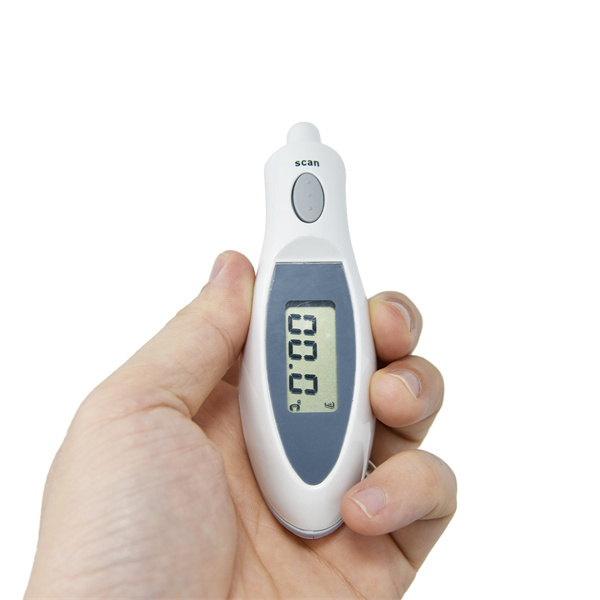
Bulk ordering non-contact infrared thermometers presents several advantages for contractors and businesses:
Cost Savings: Purchasing in bulk often results in lower per-unit costs. This reduction is beneficial for businesses looking to manage tight budgets while equipping their teams with essential tools.
Consistent Quality: Ordering large quantities from a reliable manufacturer ensures that all devices meet the same quality standards and specifications. This consistency is vital when multiple units are needed for a particular project or application.
Supply Chain Efficiency: Bulk orders streamline the supply chain process, reducing lead times and ensuring that products are available when needed. This is particularly important in industries where operational delays can lead to significant losses.
Customization Options: Manufacturers like Hangzhou Huaan Medical Health Instruments Co., Ltd. often offer customization for bulk orders, allowing contractors to specify features such as branding, packaging, or specific technical parameters.
Improved Inventory Management: Having a stock of non-contact infrared thermometers on hand allows contractors to respond swiftly to projects and emergencies, enhancing overall operational efficiency.
By taking advantage of these benefits, contractors can enhance their service delivery while maintaining cost-effectiveness.
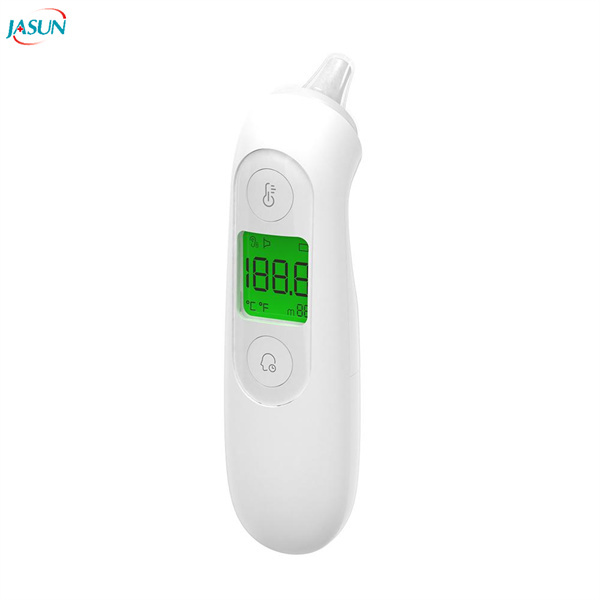
While non-contact infrared thermometers offer convenience and speed, users may encounter several common issues:
Inaccurate Readings: This can occur due to improper usage or external factors such as ambient temperature. To mitigate this, ensure the thermometer is calibrated regularly and used according to the manufacturer's instructions. Always allow the device to acclimatize to the environment before taking measurements.
Interference from Environmental Conditions: Dust, smoke, or steam can affect the accuracy of readings. Whenever possible, take measurements in a controlled environment free from such interferences.
Battery Issues: If the device powers off unexpectedly or has a short battery life, consider using higher-quality batteries or checking for firmware updates that may enhance power management.
Limited Measurement Range: Some models may not be suitable for specific applications due to their limited range. Always verify that the chosen thermometer meets the temperature requirements of your intended use.
Understanding these common challenges and their solutions can significantly improve the effectiveness and reliability of non-contact infrared thermometers in various applications.
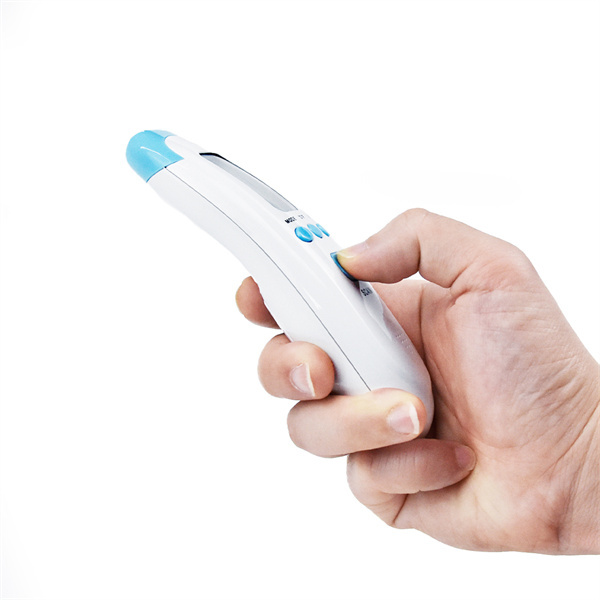
Installing non-contact infrared thermometers requires careful planning and attention to detail. Here are key points to consider:
Location: Position the thermometer at a height and angle that allows for easy access and accurate readings. Ensure that the device is placed in a location that minimizes interference from other heat sources.
Mounting: If applicable, use appropriate mounting brackets or stands to secure the thermometer in place. Ensure that the installation does not obstruct the device’s field of vision.
Calibration: After installation, calibrate the thermometer according to the manufacturer's specifications. This process is crucial for ensuring accurate measurements.
Testing: Before full-scale operation, conduct tests to confirm that the thermometer is functioning correctly. Verify readings against a known standard to ensure accuracy.
User Training: Provide training for personnel on how to use and maintain the thermometer effectively. Emphasize the importance of following operational protocols to achieve consistent results.
By adhering to these guidelines, businesses can ensure that their non-contact infrared thermometers are installed correctly and function optimally for their intended applications.
When preparing to purchase a non-contact infrared thermometer, buyers should consider the following checklist to facilitate the RFQ process:
Identify Requirements: Clearly outline your specific requirements, including measurement range, accuracy, and application type.
Request Specifications: Ask for detailed product specifications from potential suppliers. This includes accuracy ratings, temperature ranges, and response times.
Confirm Certifications: Verify that the thermometer meets necessary certifications such as CE, ISO13485:2003, and FDA standards.
Discuss Customization Options: Inquire about the possibility of customizing the thermometer to meet specific operational needs or branding requirements.
Evaluate Packaging and Shipping Options: Understand how the products will be packaged and shipped to ensure they arrive in optimal condition.
Check Sample Availability: Request samples for testing before placing a large order. This allows you to evaluate the product’s performance in real-world conditions.
Review Pricing Structures: Discuss pricing and any applicable discounts for bulk orders or long-term contracts.
Lead Time and Delivery: Confirm lead times for production and delivery to ensure that the products will be available when needed.
By following this guide, buyers can streamline their purchasing process, ensuring they acquire high-quality non-contact infrared thermometers that meet their operational needs effectively.
JASUN is a registered trademark of Hangzhou Hua'an Medical & Health Instruments Co.,Ltd. Your first option for premium thermometer suppliers in China with CE, MDR, ISO13485:2003, FDA and BSCI certificates.
Our location: Building 2,1# Fuzhu Nan RD, Wuchang Town, Yuhang District, Hangzhou, Zhejiang 310023, China
HOURS: 8:30AM - 6:00PM
Copyright © Hangzhou Hua'an Medical & Health Instruments Co.,Ltd. All Rights Reserved Blog Privacy Policy
 EN