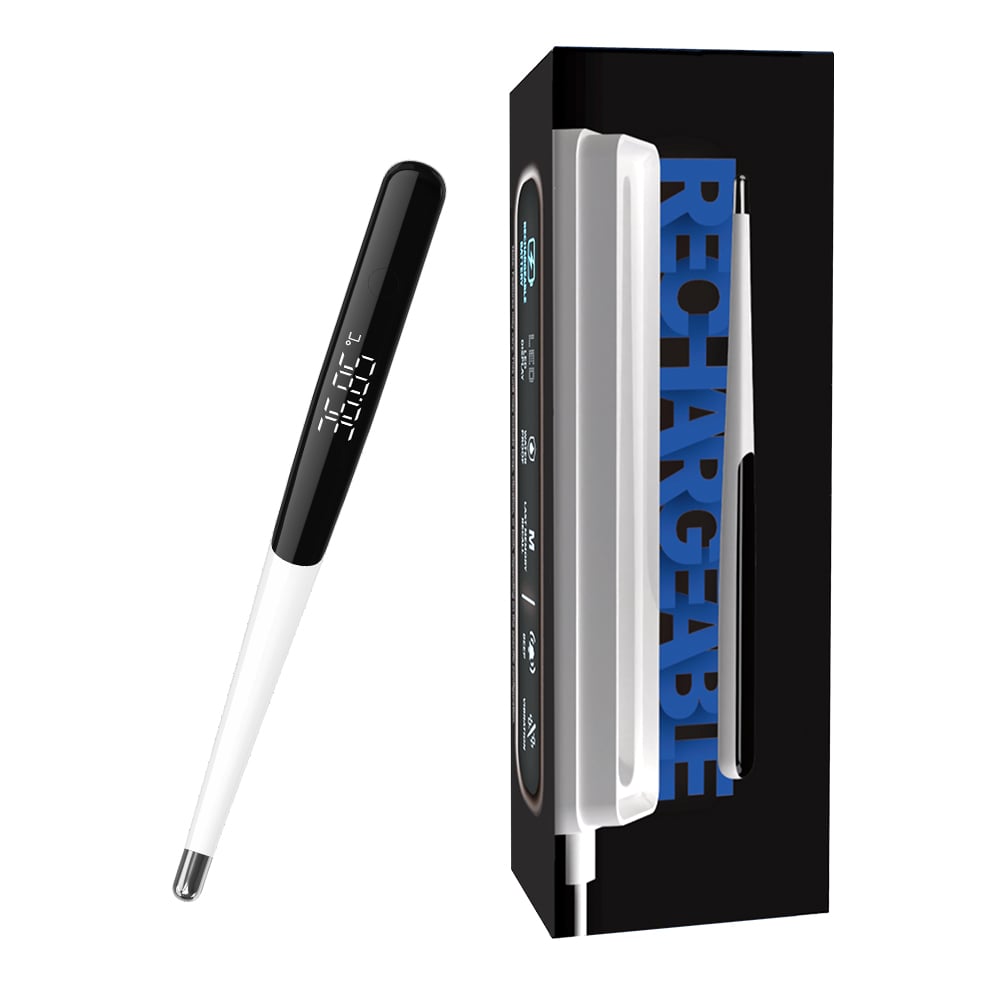
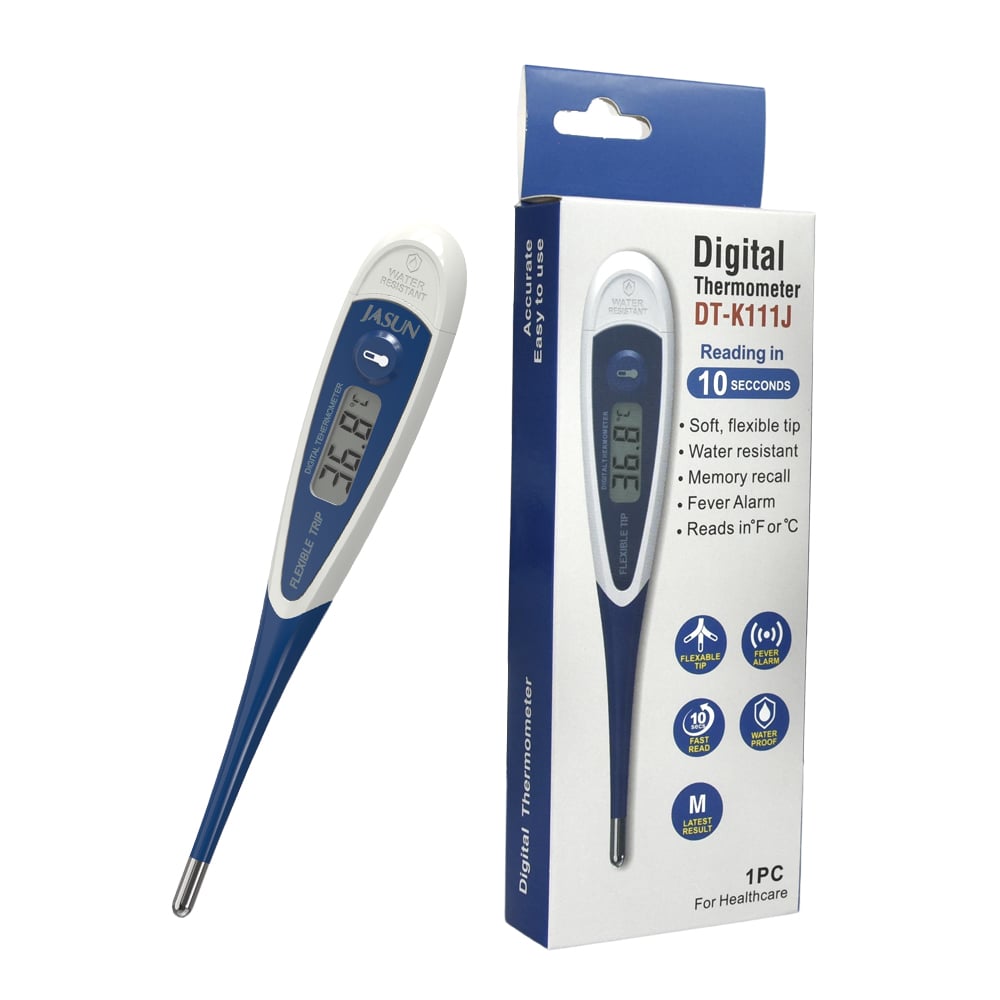
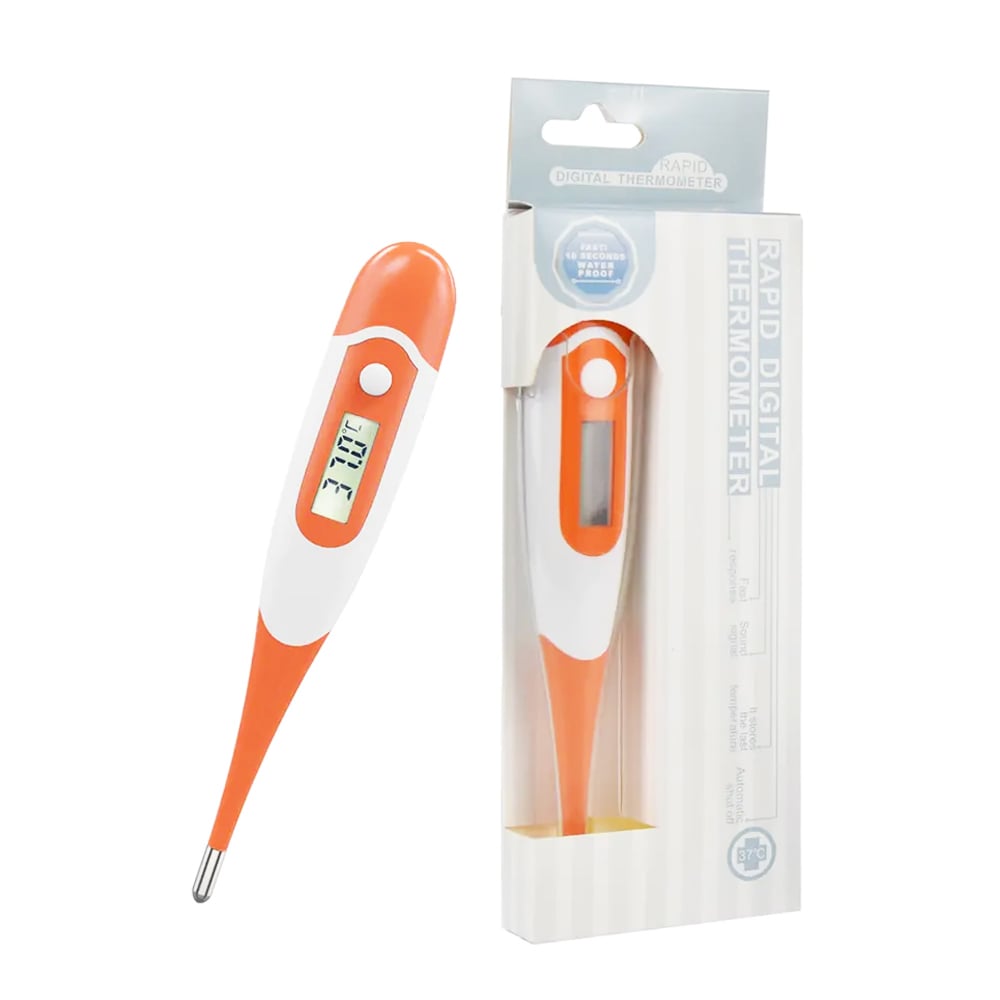
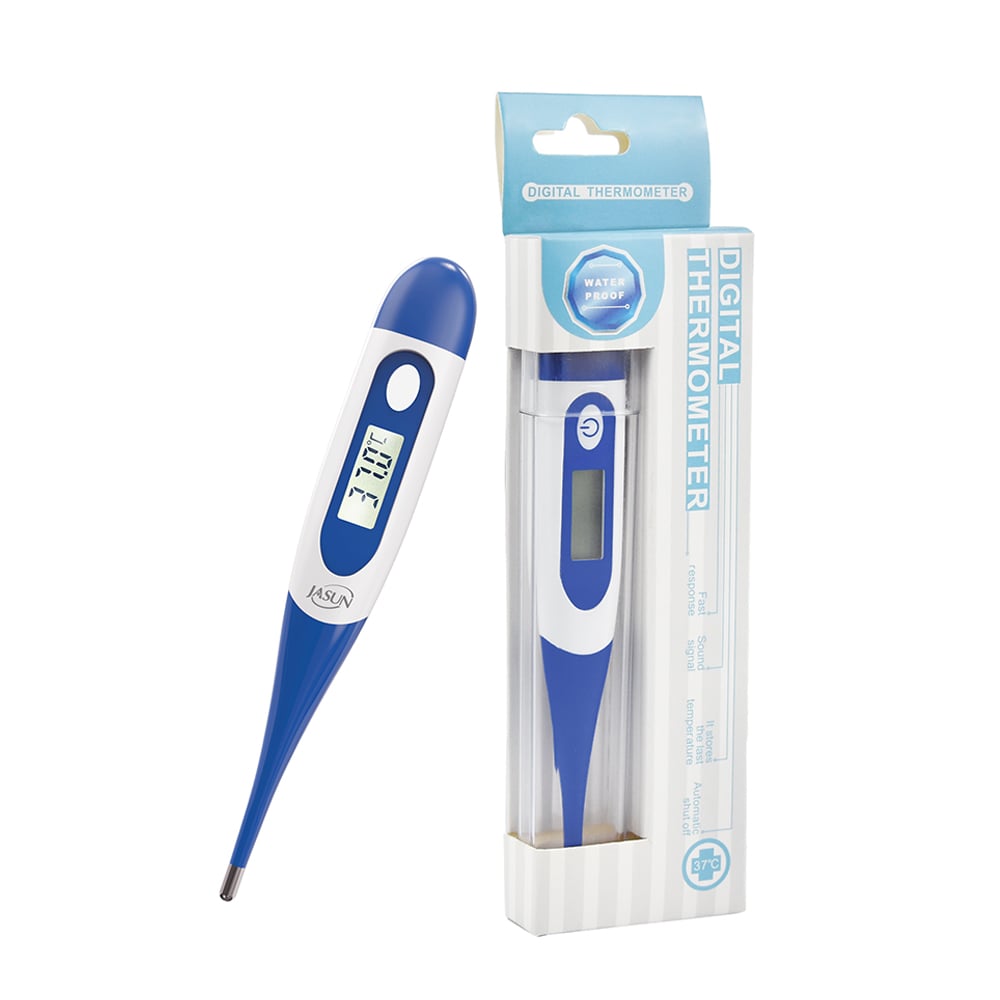
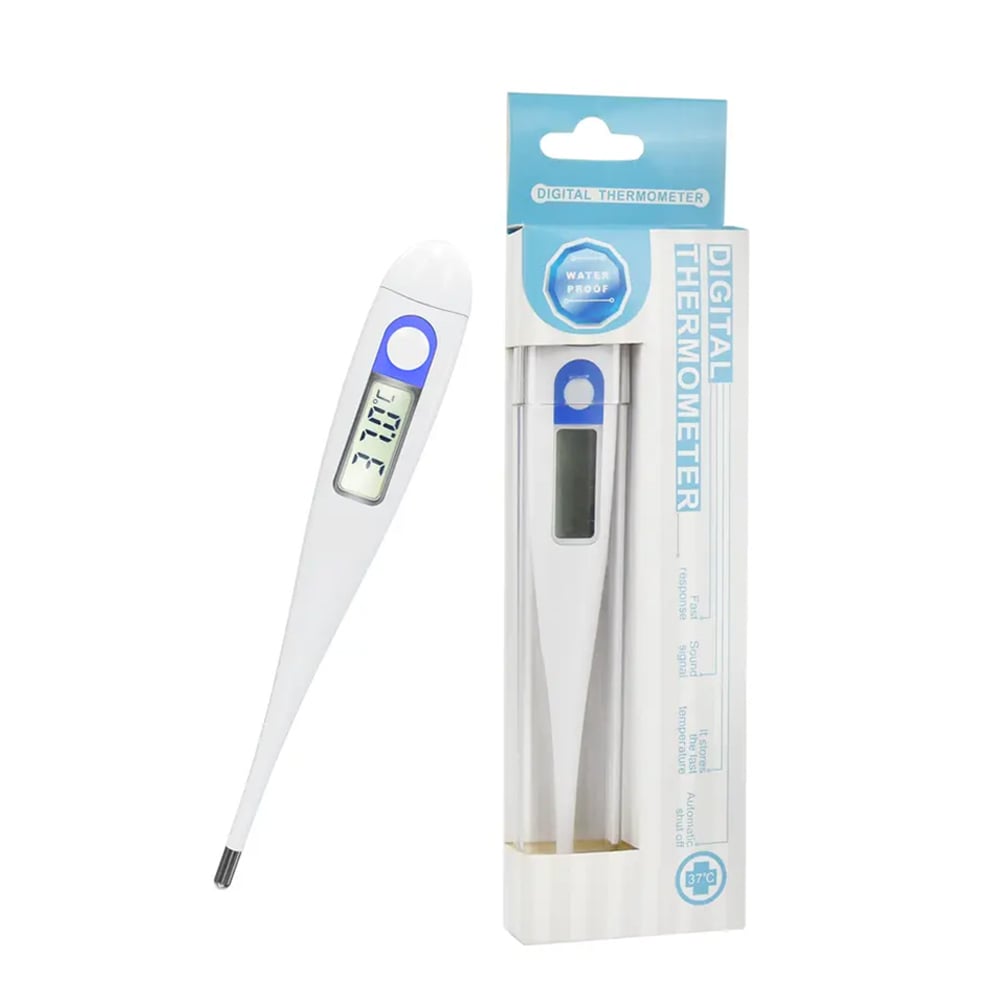
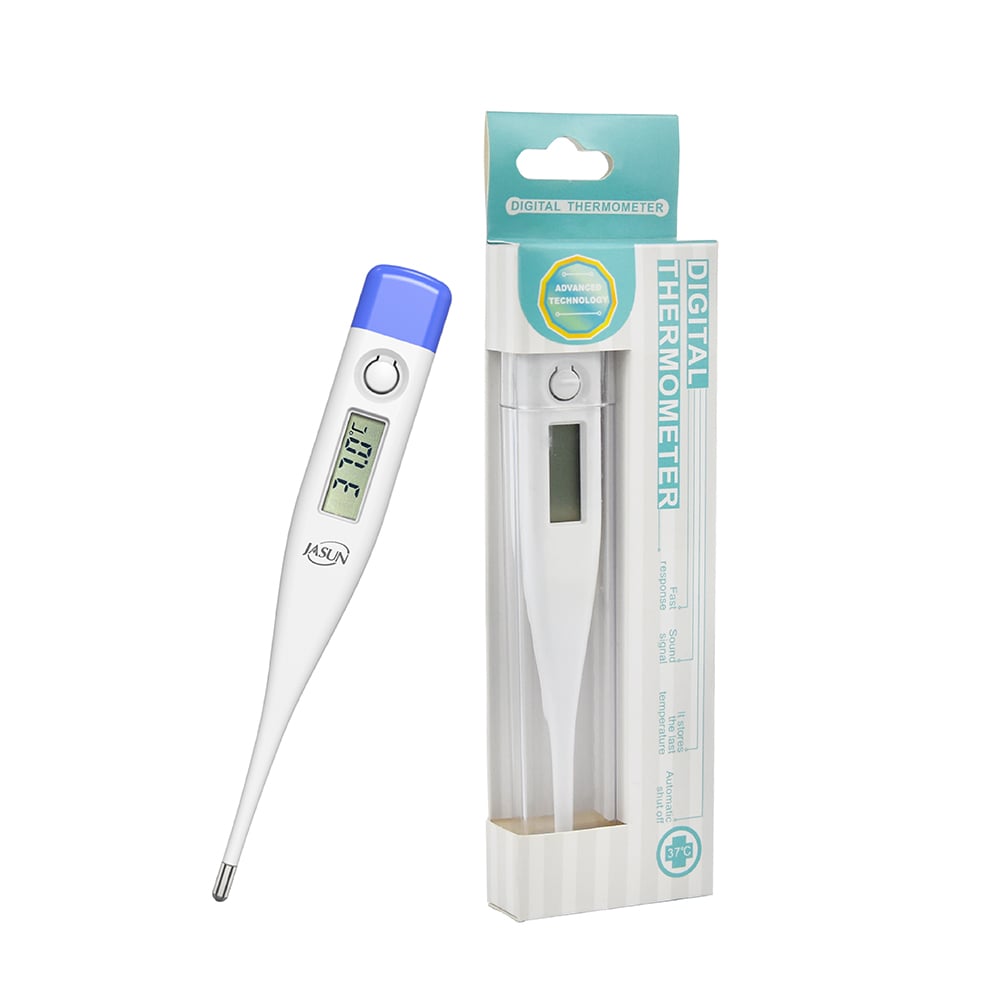
Non-contact digital thermometers are advanced temperature measurement devices that allow for quick and accurate readings without direct contact with the skin. These instruments have gained popularity in various sectors, including healthcare, food safety, and manufacturing, due to their ease of use and hygienic operation. For B2B buyers—such as purchasing managers, engineers, and product managers—understanding the key specifications, quality indicators, and applications of digital thermometer is crucial for making informed purchasing decisions. This article will provide insights into what to consider when evaluating these devices, helping you select the most suitable option for your needs.
When selecting a non-contact digital thermometer, several key specifications should be evaluated:
Measurement Range: Look for a thermometer that covers the required temperature range for your application. Common ranges typically start at around 32°C (89.6°F) and can go up to 42.9°C (109.2°F) or higher for specific medical applications.
Accuracy: Accuracy is critical, especially in medical environments. A typical accuracy specification might be ±0.2°C (±0.4°F). Ensure that the thermometer meets the standards necessary for your specific application.
Response Time: This refers to how quickly the digital thermometer for infants provides a reading. Most high-quality units will deliver results in less than one second, which is essential for high-demand environments.
Distance to Spot Ratio: This indicates how far away the thermometer can be from the object being measured while still obtaining an accurate reading. A higher ratio (e. g., 12:1) means greater flexibility, allowing for measurements from a distance.
Display and Usability: Consider features such as backlit displays, audible alerts for fever detection, and ease of operation. These can enhance the user experience in busy settings.
Power Source: Battery life and type can vary. Some models may offer rechargeable options, while others rely on standard batteries. Evaluate which option best fits your operational needs.
Certifications: Ensure that the thermometer holds relevant certifications such as CE, FDA, or ISO13485:2003, which confirm compliance with health and safety regulations.
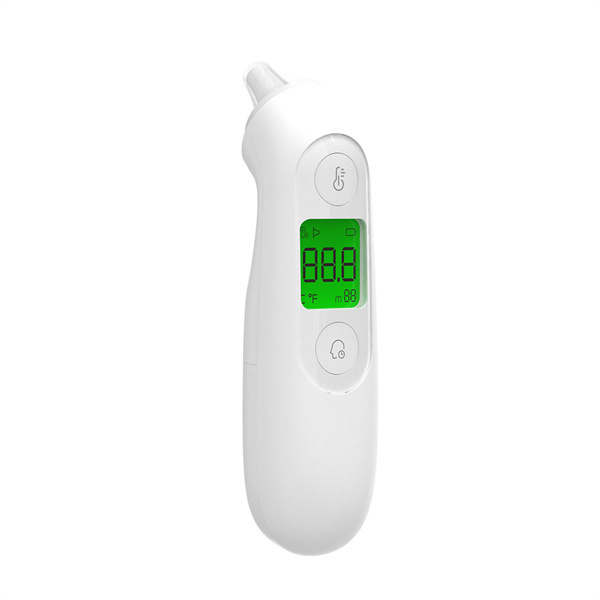
For wholesale purchases, evaluating the quality of non-contact digital thermometers is essential. Here are some factors to consider:
Manufacturer Reputation: Choose a supplier with a proven track record in manufacturing high-quality medical devices. Hangzhou Huaan Medical Health Instruments Co., Ltd., for example, has been a recognized leader in the industry since 1997, providing reliable products to global medical brands.
Quality Control Processes: Investigate the manufacturer's quality assurance protocols. A robust quality control system ensures that each thermometer meets specified standards throughout the production process. Look for information on testing procedures and inspection criteria.
Material and Build Quality: Assess the materials used in the construction of the thermometer. High-quality plastics and components will enhance durability and longevity, reducing the likelihood of malfunctions during use.
After-Sales Support: Reliable customer service and warranty offerings can be indicators of quality. Ensure that the supplier provides adequate support for troubleshooting and maintenance.
Feedback and Reviews: Gathering user feedback and reviewing case studies can provide insights into the real-world performance of the thermometers, highlighting any common issues or advantages.
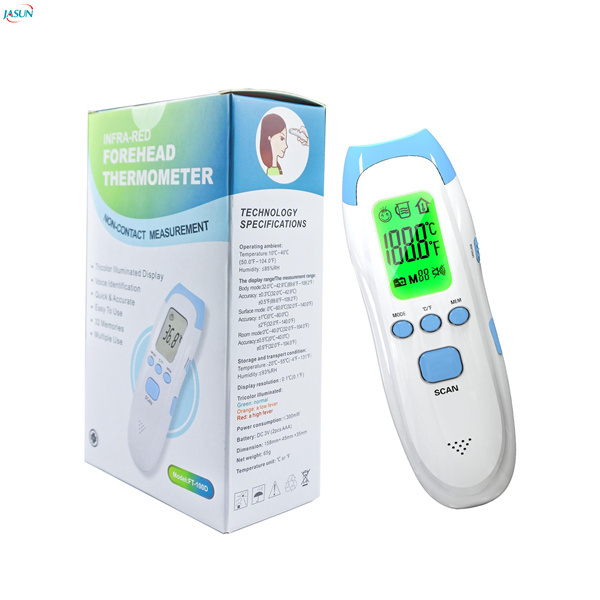
When considering bulk orders of Hangzhou Huaan non-contact digital thermometers, several cost factors should be taken into account:
Minimum Order Quantity (MOQ): Many suppliers have a minimum order quantity, which can affect pricing. Understanding the MOQ will help in budgeting and planning your purchase.
Volume Discounts: Suppliers often offer discounts for larger orders. Inquire about pricing tiers based on quantity to maximize savings.
Shipping and Handling Costs: Factor in shipping costs, which can vary based on distance and delivery method. Additionally, consider any potential import duties or tariffs if ordering internationally.
Customization Fees: If you require customized features or branding, be aware that these may incur additional costs. Discuss potential customization options with the supplier early in the negotiation process.
Payment Terms: Understand the payment terms offered by the supplier. Flexible payment options can help manage cash flow, especially for large purchases.
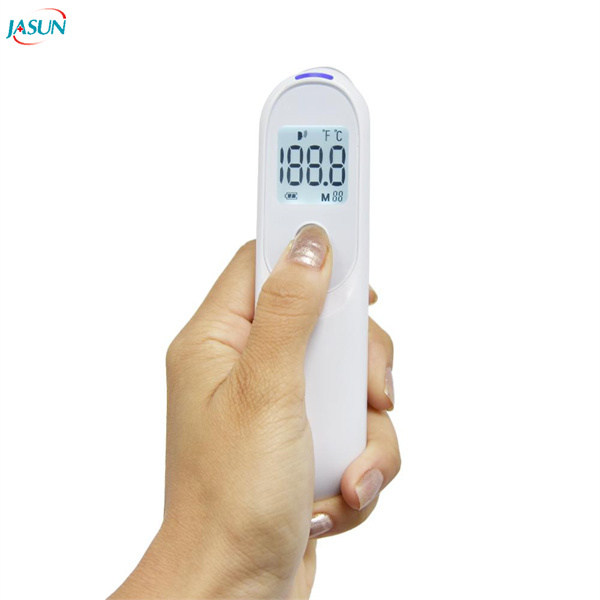
Non-contact digital thermometers have versatile applications across multiple industries:
Healthcare: Widely used in hospitals and clinics for quick and hygienic temperature checks, particularly during patient screenings and outbreaks of contagious diseases.
Food Safety: Essential in the food industry for monitoring the temperature of food items during storage and preparation, ensuring compliance with health and safety standards.
Manufacturing: Used in quality control processes to verify the temperature of machinery and products, thus preventing overheating and ensuring optimal performance.
HVAC: In heating, ventilation, and air conditioning systems, these thermometers help monitor and diagnose system performance by measuring air temperature at various points.
Pharmaceuticals: Critical in the pharmaceutical industry for ensuring proper storage conditions of temperature-sensitive products.
To effectively compare non-contact Hangzhou Huaan digital thermometers, consider the following steps:
Create a Specification Checklist: Develop a checklist of the essential specifications based on your application needs. This should include accuracy, measurement range, and response time.
Request Samples: Before placing a bulk order, request samples from potential suppliers. Testing these samples can provide valuable insights into performance and usability.
Perform Side-by-Side Comparisons: Analyze different models side by side, looking at specifications, usability features, and pricing. Pay attention to the build quality and ease of use.
Evaluate Customer Service: Assess the responsiveness and support provided by the supplier during your inquiry process. Strong customer service can indicate a reliable partner for future needs.
Check for User Reviews: Look for reviews and testimonials from other buyers. This feedback can highlight any recurring issues or advantages that may not be immediately apparent from product specifications alone.
By carefully considering these factors, you can make an informed decision when purchasing non contact digital thermometer, ensuring that you choose the right product for your specific requirements.
JASUN is a registered trademark of Hangzhou Hua'an Medical & Health Instruments Co.,Ltd. Your first option for premium thermometer suppliers in China with CE, MDR, ISO13485:2003, FDA and BSCI certificates.
Our location: Building 2,1# Fuzhu Nan RD, Wuchang Town, Yuhang District, Hangzhou, Zhejiang 310023, China
HOURS: 8:30AM - 6:00PM
Copyright © Hangzhou Hua'an Medical & Health Instruments Co.,Ltd. All Rights Reserved Blog Privacy Policy
 EN