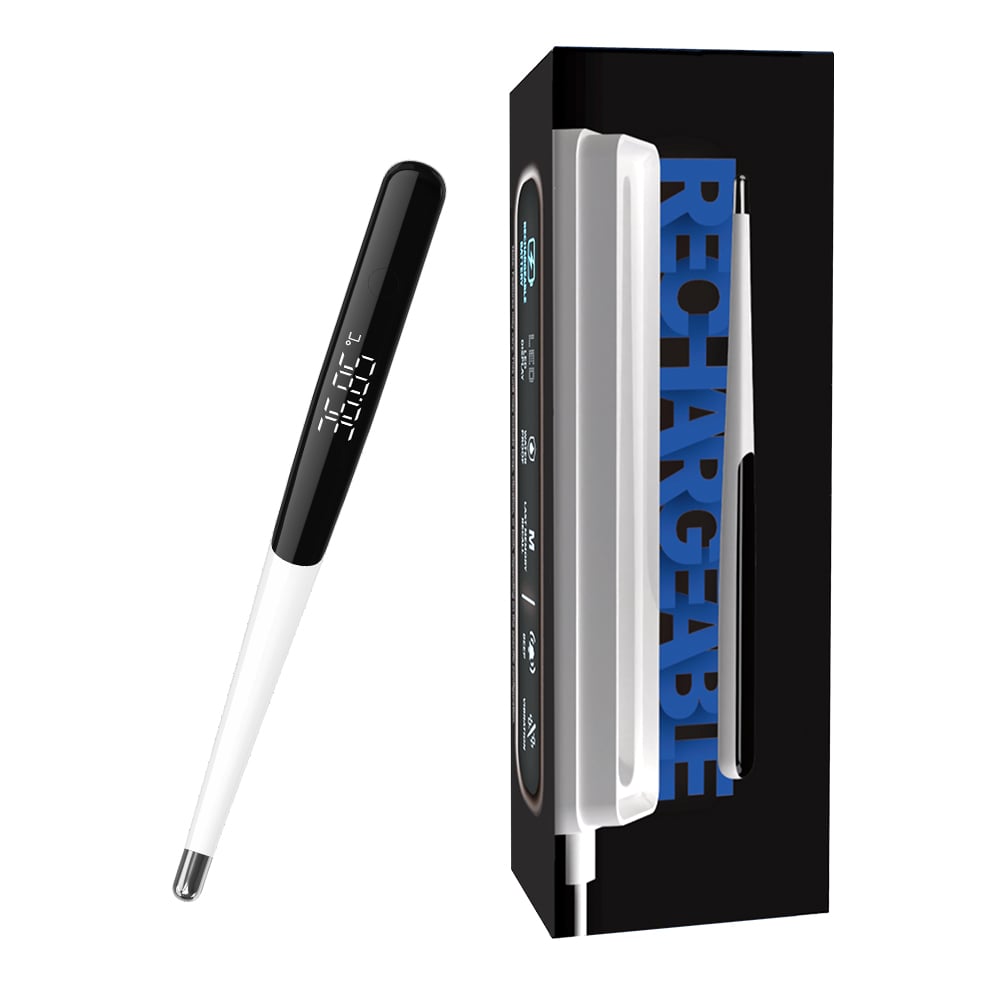
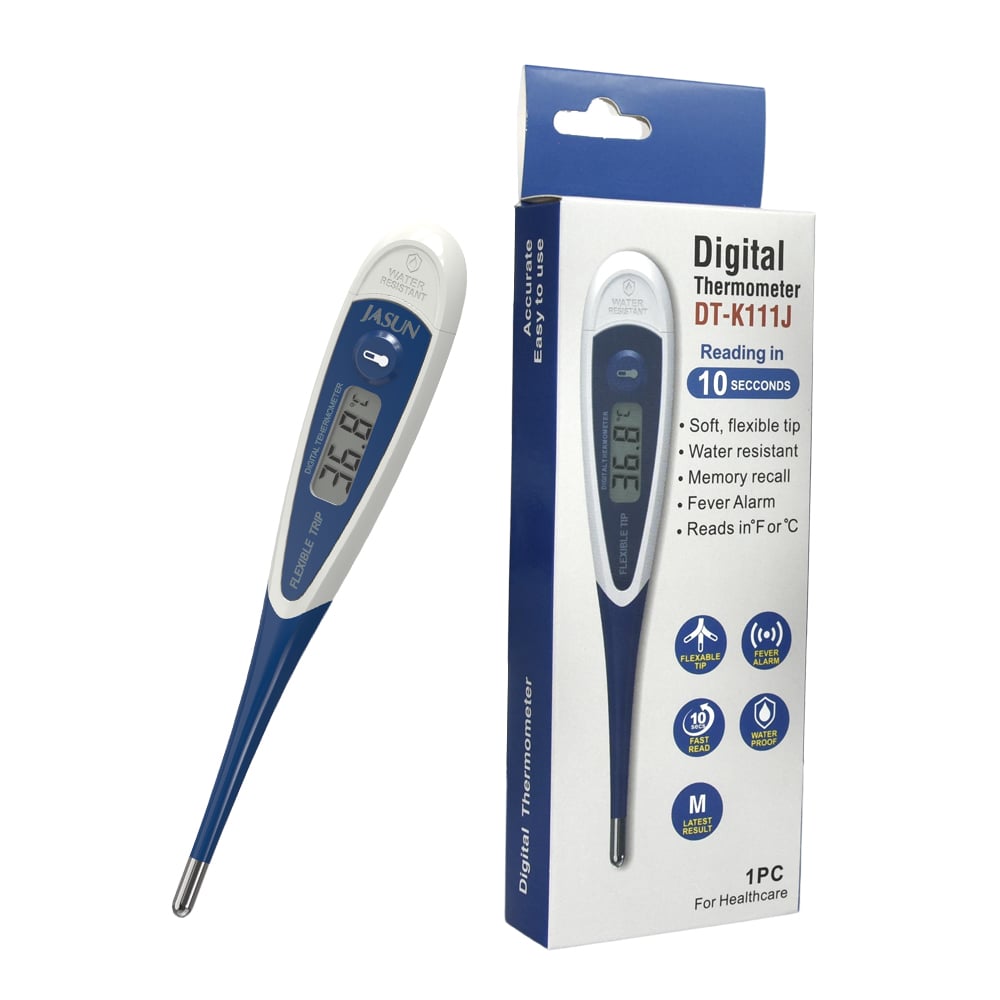
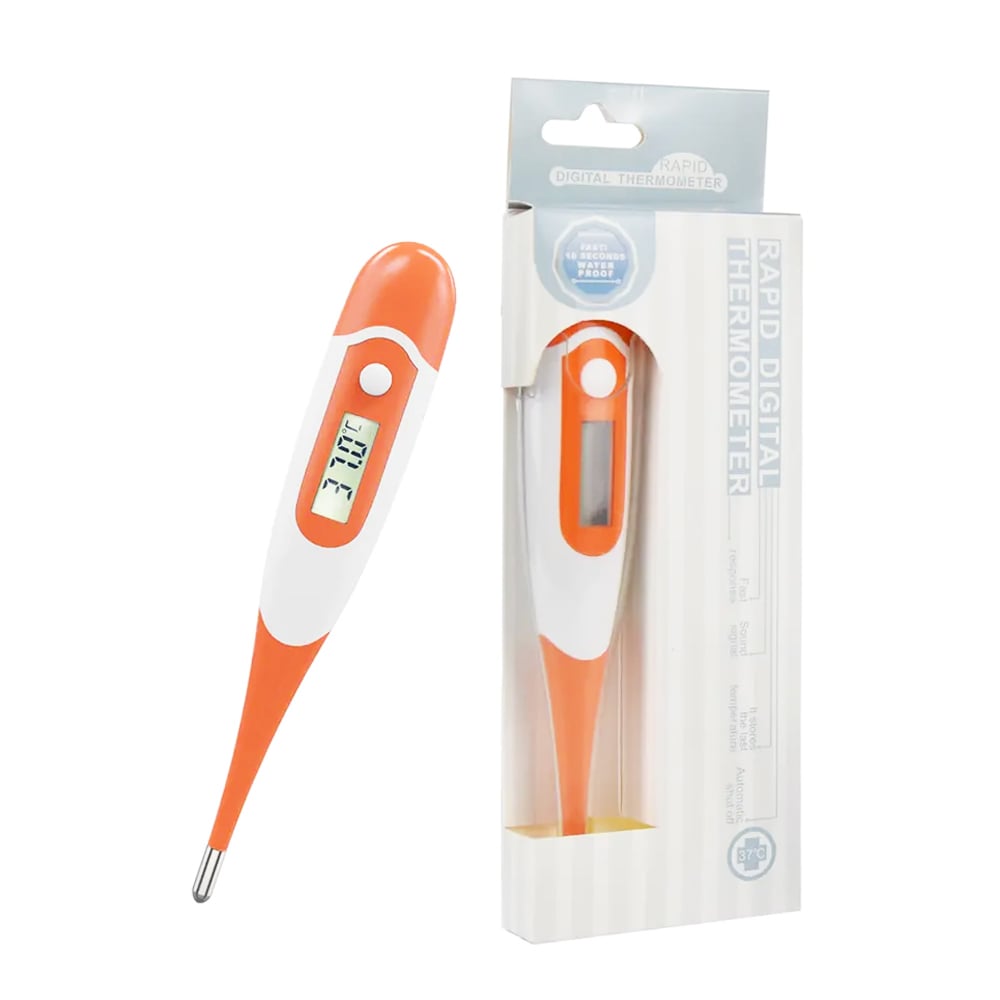
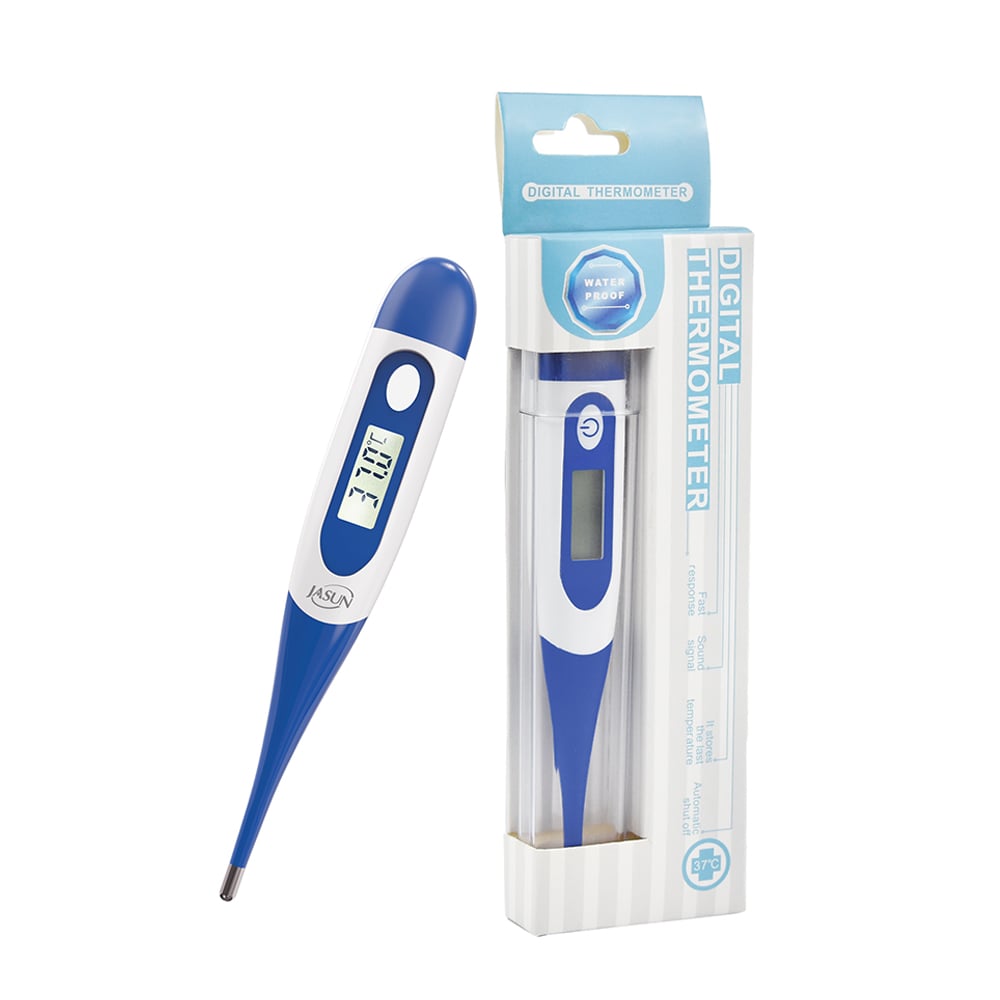
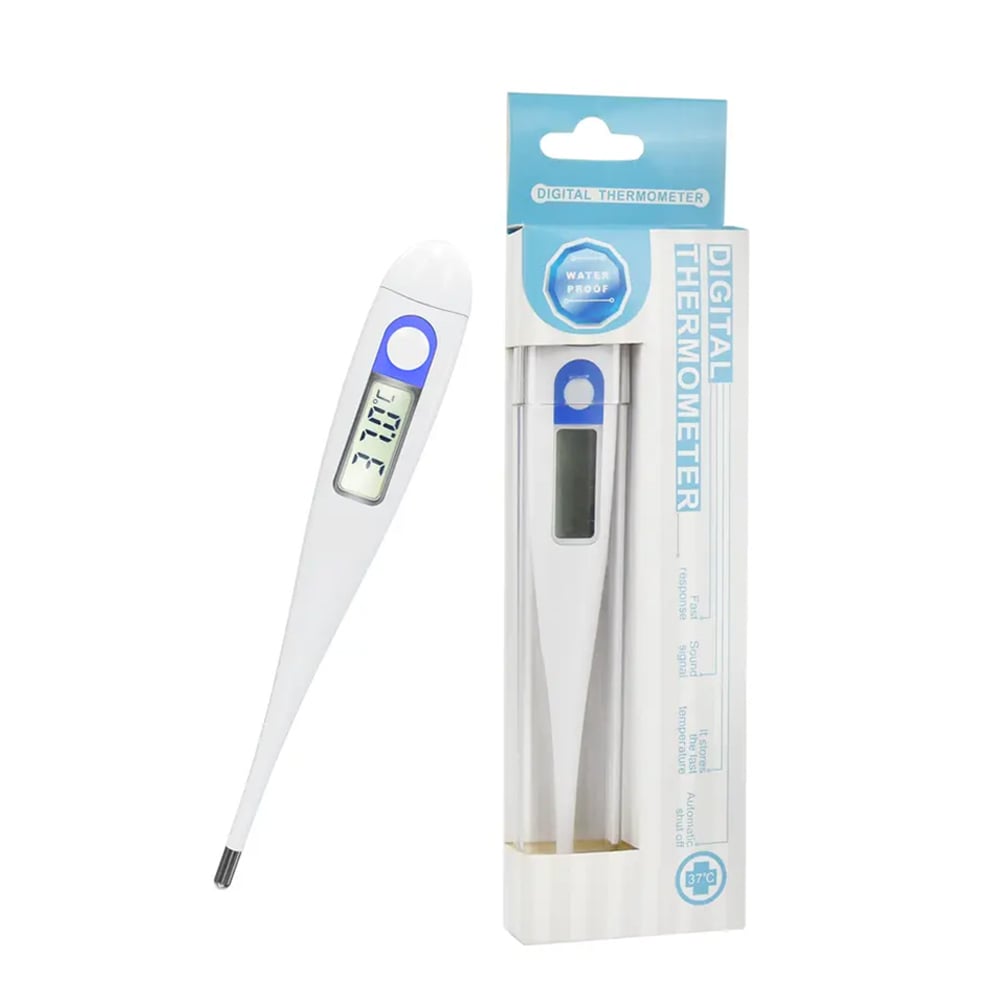
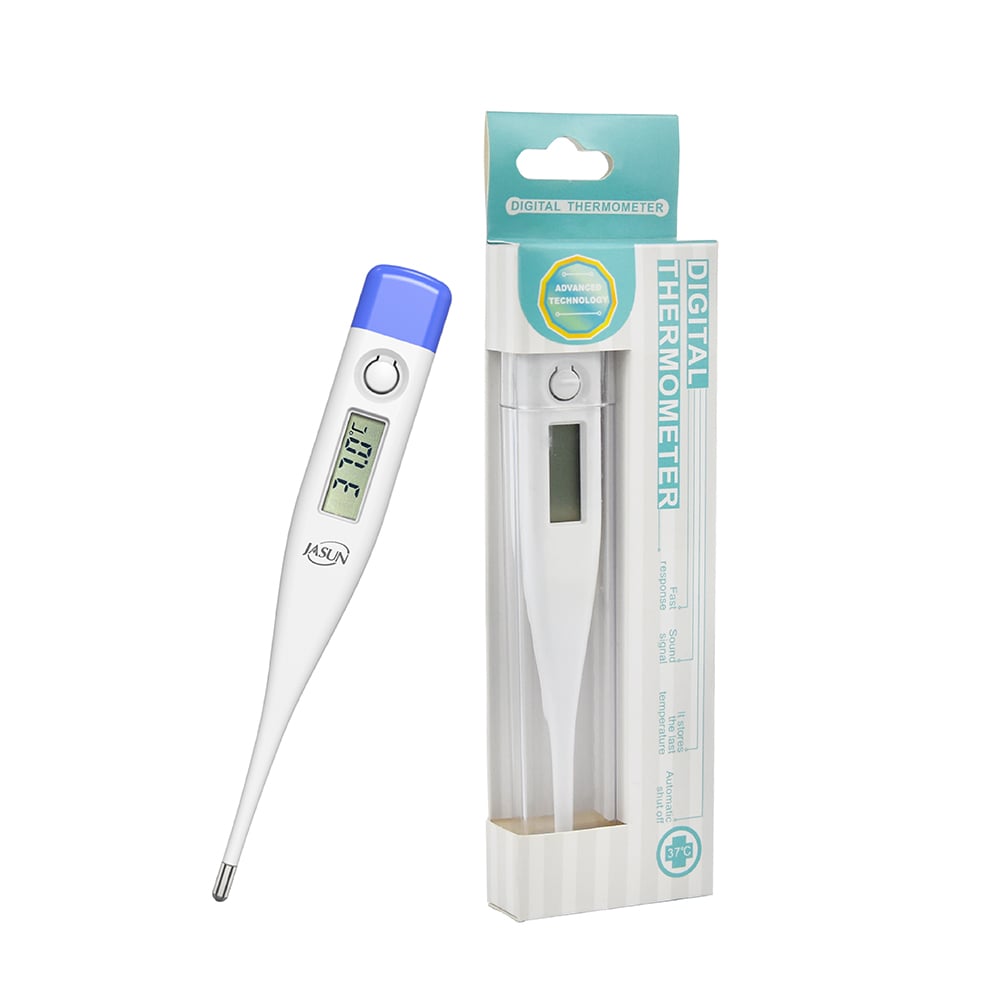
A mouth thermometer is a vital medical device used for accurately measuring body temperature through the oral cavity. In the B2B space, purchasing managers, medical distributors, engineers, and healthcare providers often prioritize accuracy, comfort, durability, and compliance with medical standards when evaluating these devices. This article will provide detailed insights into the key specifications, cost factors, supplier options, applications, and a comparative analysis of different models, ensuring that you make an informed purchasing decision.
When sourcing mouth thermometers, buyers should pay close attention to several key specifications that directly influence performance and reliability.
Accuracy: A high-quality infant thermometer from Hangzhou Huaan should offer an accuracy range of ±0.1°C or better. This specification is critical as inaccurate readings can lead to misdiagnosis or inappropriate treatment.
Response Time: Look for thermometers that provide results in under 60 seconds. Quick response times are particularly important in clinical settings, where time is often of the essence.
Comfort and Design: Ergonomically designed thermometers with soft tips enhance user comfort, especially in pediatric applications. The size and shape of the tip can affect how easily the thermometer is accepted by patients.
Durability: The construction materials should be robust and resistant to wear and tear. Look for thermometers made from high-quality plastics or stainless steel that can withstand repeated use and cleaning.
Display Type: Digital displays should be clear and easy to read. Features like backlighting can be useful in low-light conditions.
Calibration: Regular calibration is essential for maintaining accuracy. Some thermometers may offer self-calibration features, which can simplify the maintenance process.
Understanding these specifications will help buyers ensure they select a product that meets their quality and performance standards.
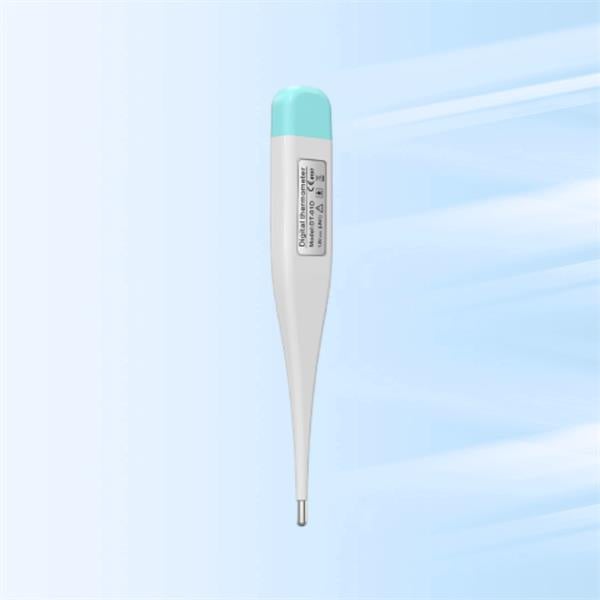
Several cost factors should be considered when sourcing mouth thermometers.
Material Quality: The choice of materials can significantly affect the price. Newborn thermometer made from medical-grade plastics or durable metals will generally command higher prices but often provide better longevity and reliability.
Manufacturing Processes: The complexity of manufacturing processes, including injection molding and assembly, can influence costs. Advanced production techniques that ensure higher precision typically result in higher costs.
Certification and Compliance: Products that meet international standards such as CE, FDA, and ISO13485:2003 may incur additional testing and certification costs. However, these certifications are crucial for ensuring safety and efficacy in medical applications.
Volume Discounts: Purchasing in larger quantities can often lead to significant discounts. Understanding the minimum order quantities (MOQ) and how they affect pricing is essential for budget considerations.
Customization Options: Buyers may require specific features or branding on the thermometers, which can add to the cost. Customization should be discussed upfront to provide clarity on pricing.
Shipping and Handling: Depending on the supplier's location, shipping costs can vary widely. It's essential to factor in these costs into the total budget.
By understanding these factors, buyers can better negotiate prices and choose suppliers like Hangzhou Huaan that offer the best value for their needs.
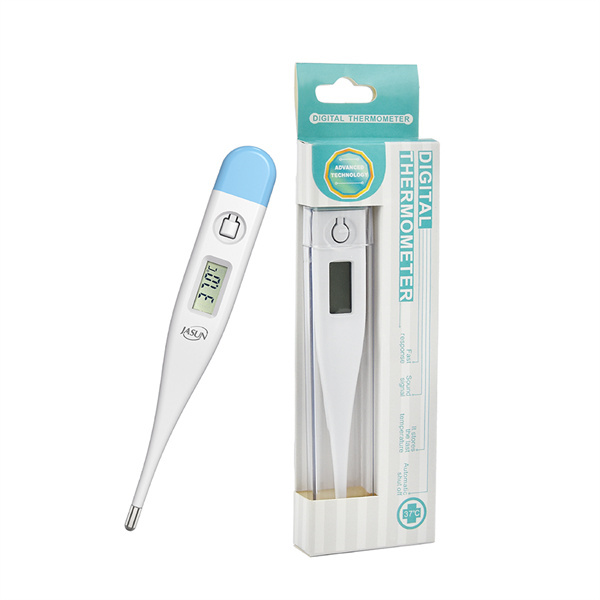
Finding reliable suppliers for mouth thermometers is crucial for ensuring product quality and supply chain stability. Here are some strategies:
Industry Directories: Utilizing online B2B marketplaces and industry-specific directories can help identify reputable manufacturers and wholesalers. Look for suppliers like Hangzhou Huaan with positive reviews and a history of reliable service.
Trade Shows and Expos: Attending medical trade shows can provide opportunities to meet suppliers face-to-face, evaluate products, and establish relationships. Engaging with manufacturers directly can also yield insights about their production capabilities and quality controls.
Referral Networks: Networking with industry contacts can lead to recommendations for trustworthy suppliers. Speaking with other purchasing managers or healthcare providers can provide valuable insights and firsthand experiences.
Certifications and Accreditations: Always verify that suppliers hold relevant certifications, such as ISO13485 or BSCI, which indicate adherence to quality management standards.
Samples and Testing: Requesting samples before making bulk purchases allows you to evaluate product quality and performance firsthand. This step is critical to ensuring that the thermometer meets your specifications and expectations.
By strategically sourcing suppliers, buyers can establish long-term partnerships with Hangzhou Huaan that enhance procurement processes.
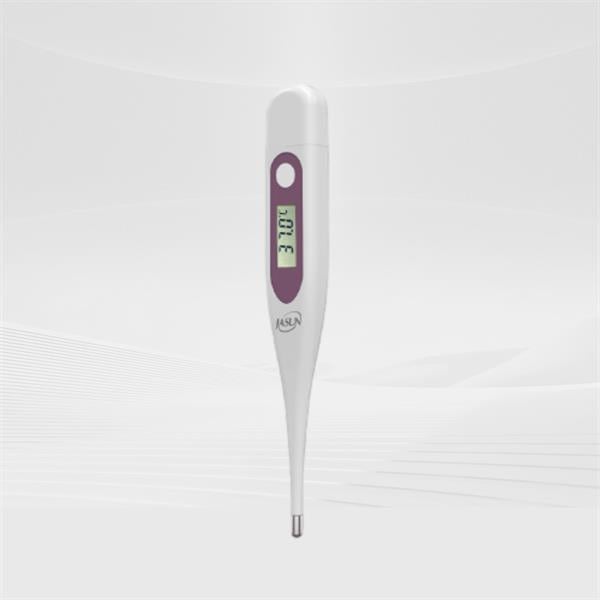
Mouth thermometers find applications across various sectors, primarily in healthcare settings:
Healthcare Facilities: Hospitals and clinics primarily use digital thermometer for routine temperature checks. Their quick, non-invasive nature makes them suitable for both adults and children.
Pharmaceuticals: In pharmaceutical environments, accurate temperature readings are essential for monitoring patients post-medication, especially in clinical trials.
Home Healthcare: With the rise of telehealth, many patients now monitor their health from home. Mouth thermometers are user-friendly and provide essential data for remote consultations.
Industrial Health and Safety: Some industrial sectors use mouth thermometers for monitoring workers' health, particularly in environments where heat stress is a concern.
Understanding these applications can help buyers tailor their selection of mouth thermometers to meet specific operational needs.
When considering various models of mouth thermometers, it's essential to compare specifications and features to find the best fit for your needs.
Digital vs. Infrared: Digital thermometers are common for oral use, while infrared models are often used for quick surface temperature checks. Assess which type aligns with your application requirements.
Temperature Range: Different models may have varying ranges; ensure that the selected thermometer covers the necessary temperature range for your applications.
Memory Features: Some thermometers offer memory functions that store previous readings, which can be helpful for tracking temperature changes over time.
Ease of Cleaning: Models that are waterproof or have removable components for cleaning may be more suitable for clinical environments.
User Interface: Consider how intuitive the thermometer interface is. A more straightforward design can lead to fewer errors in use.
Warranty and Support: Evaluate the warranty period and customer support options offered by the manufacturer. Robust support can be advantageous in case of malfunction or questions during operation.
By comparing these features, purchasing managers can make informed decisions that align with their operational goals and budget constraints.
Selecting the right mouth thermometer involves understanding specifications, cost implications, supplier options, applications, and model comparisons. By leveraging this knowledge, you'll be well-equipped to make informed purchasing decisions that enhance your healthcare or industrial operations.
JASUN is a registered trademark of Hangzhou Hua'an Medical & Health Instruments Co.,Ltd. Your first option for premium thermometer suppliers in China with CE, MDR, ISO13485:2003, FDA and BSCI certificates.
Our location: Building 2,1# Fuzhu Nan RD, Wuchang Town, Yuhang District, Hangzhou, Zhejiang 310023, China
HOURS: 8:30AM - 6:00PM
Copyright © Hangzhou Hua'an Medical & Health Instruments Co.,Ltd. All Rights Reserved Blog Privacy Policy
 EN