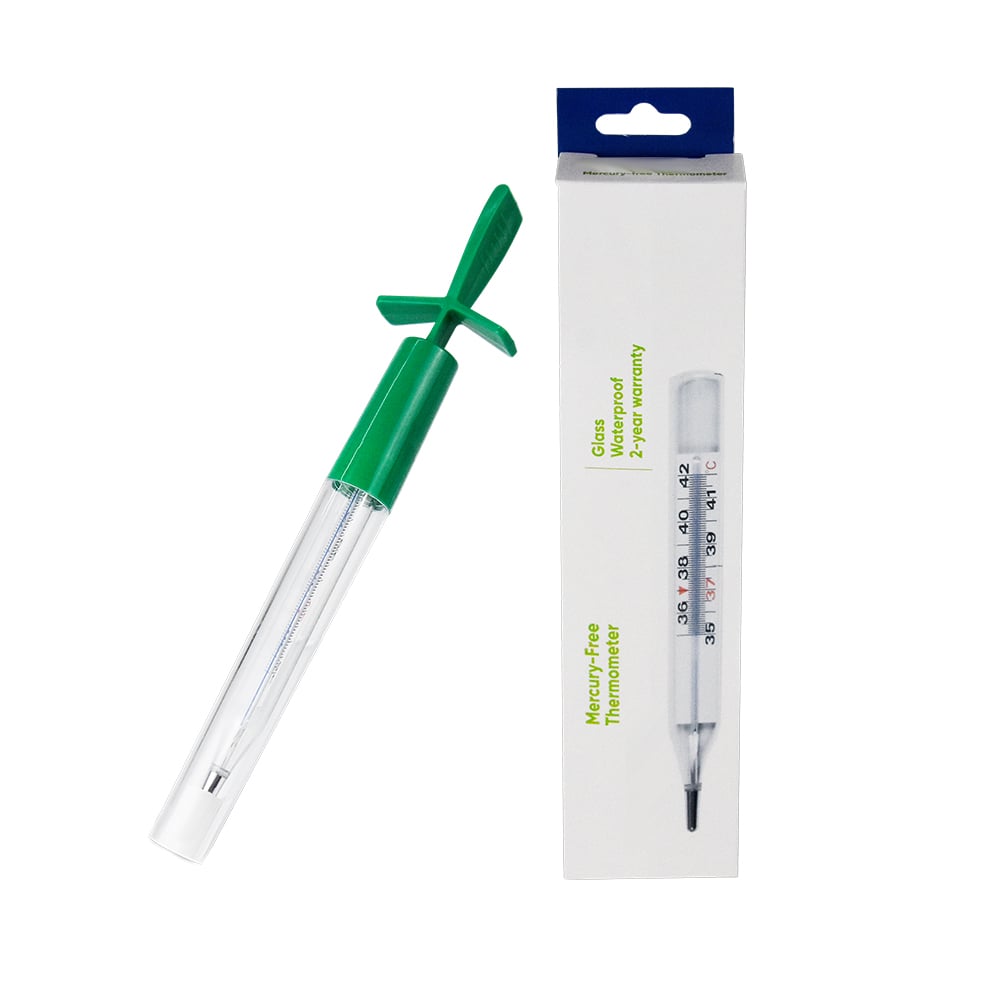
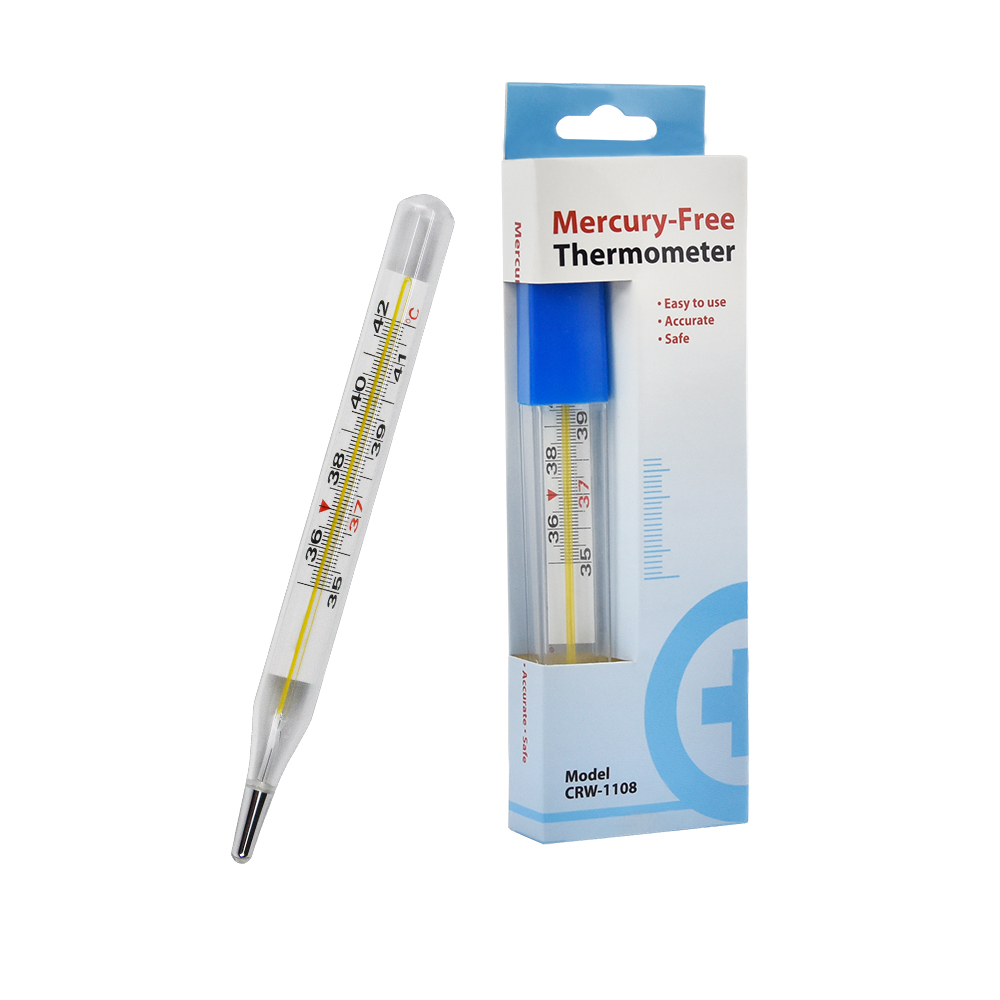
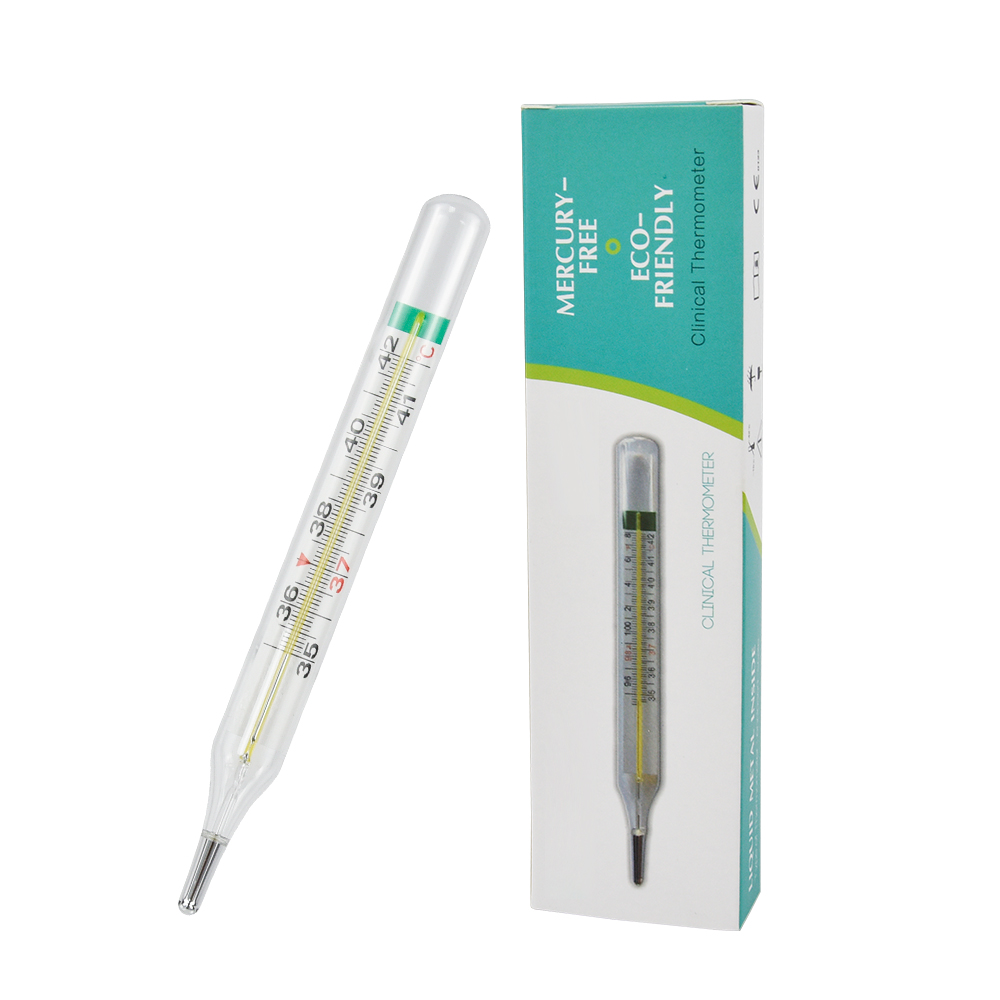
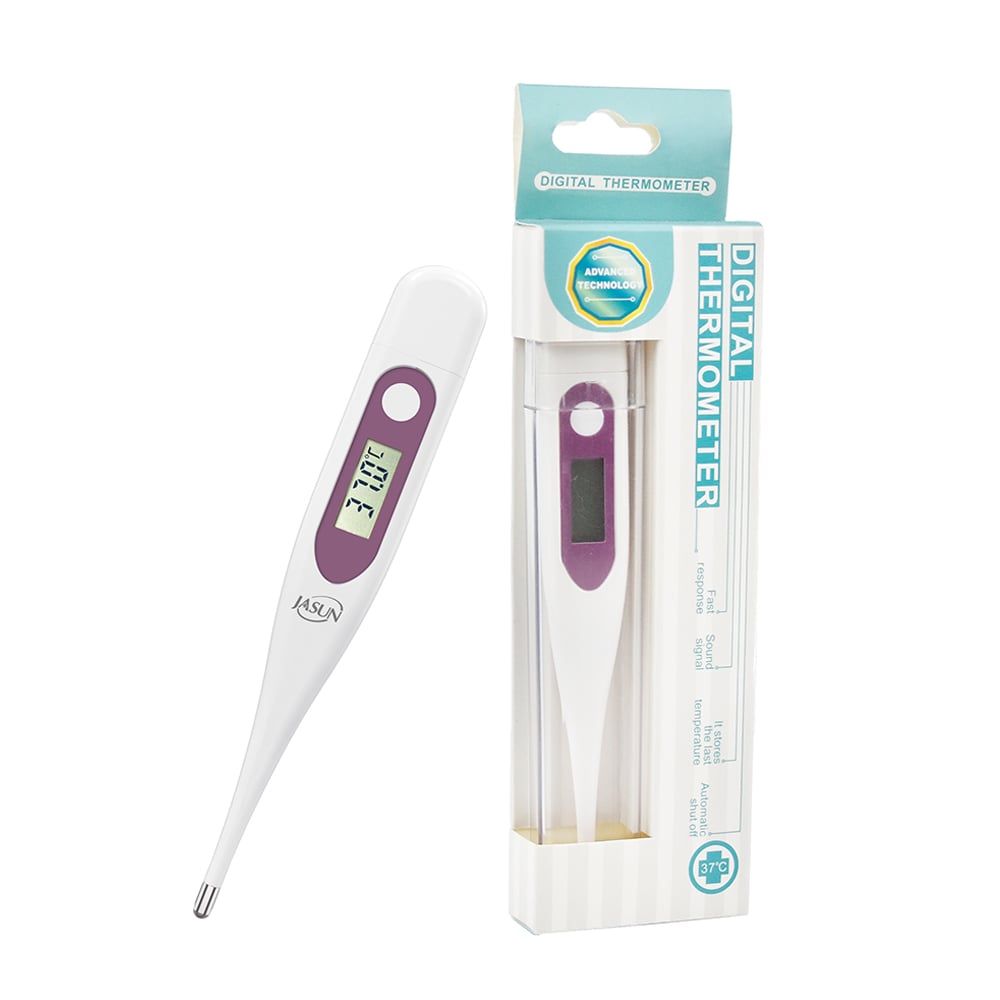
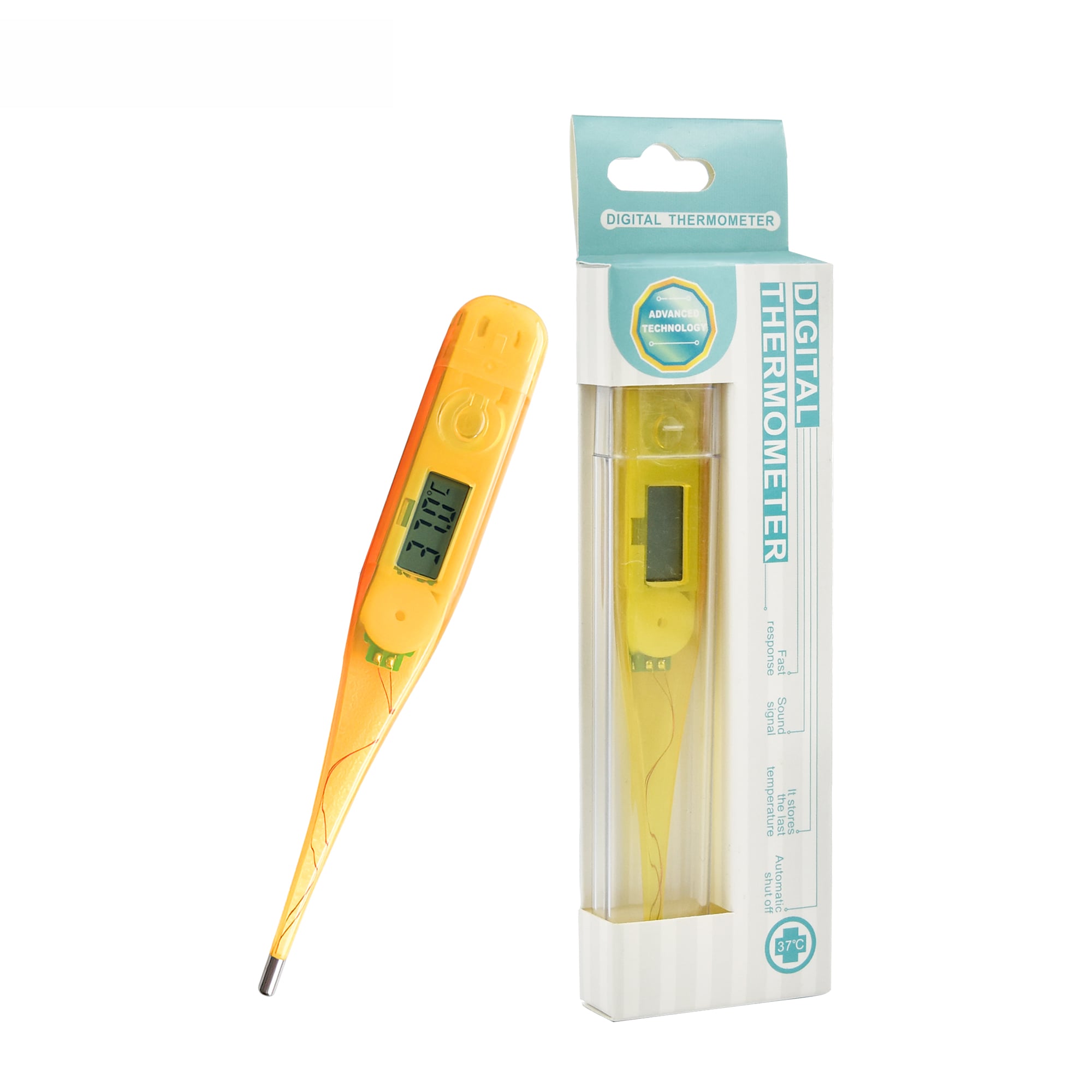
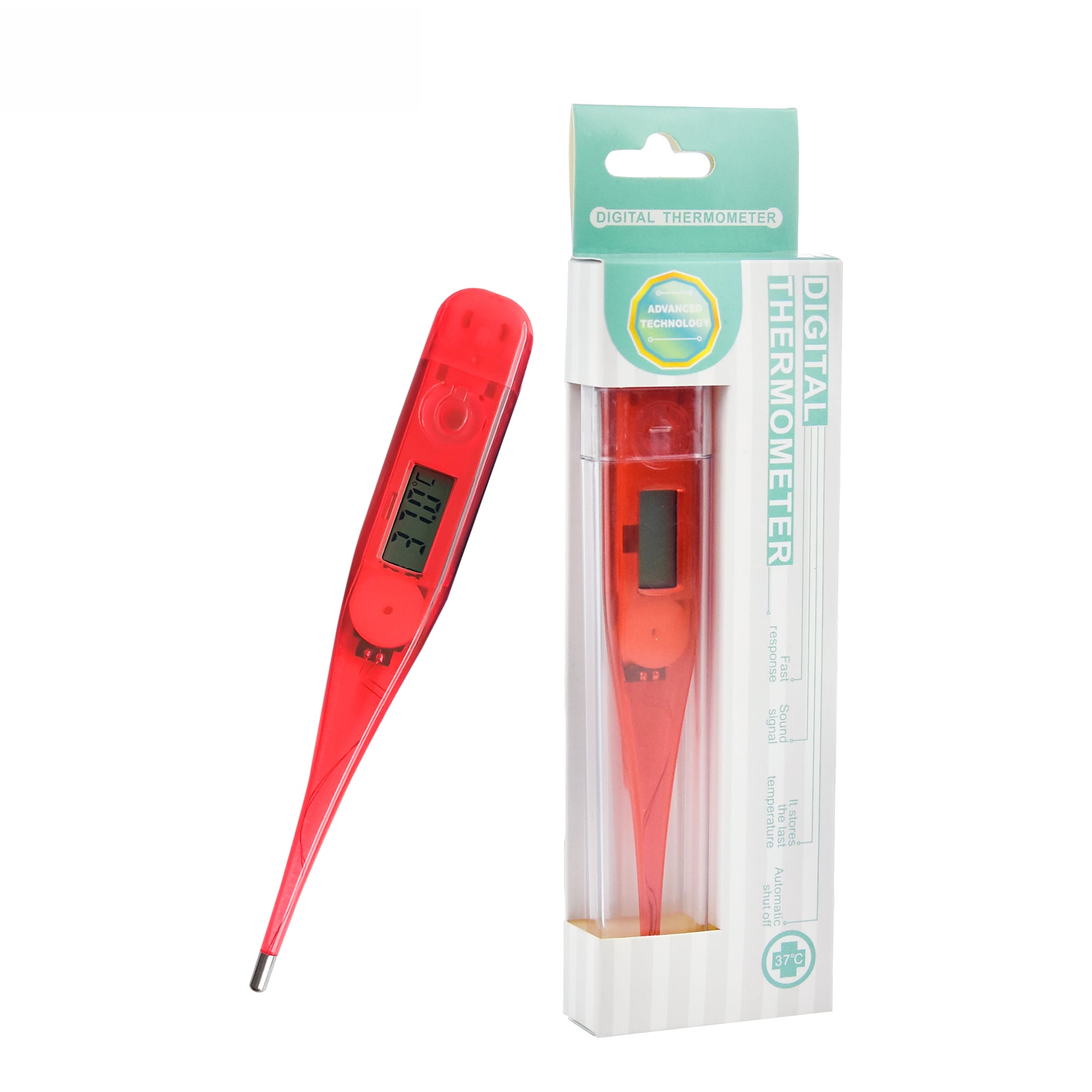
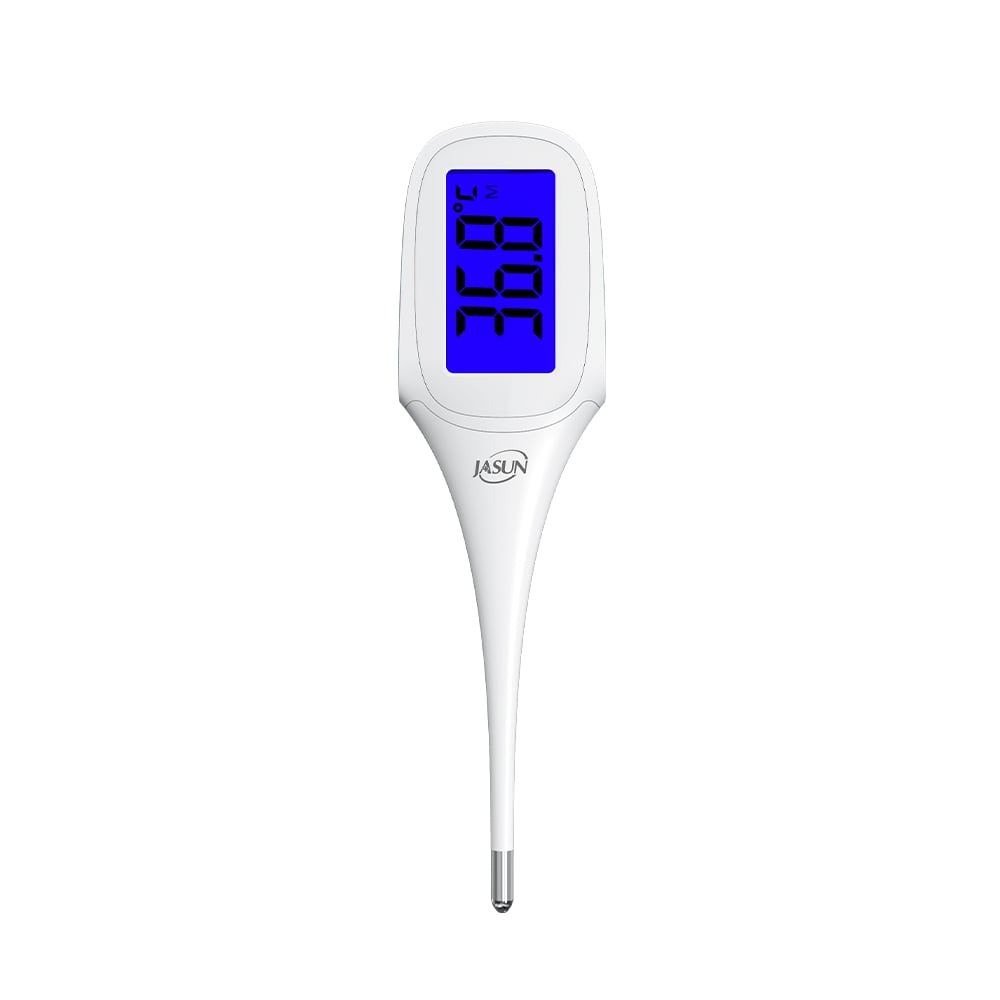
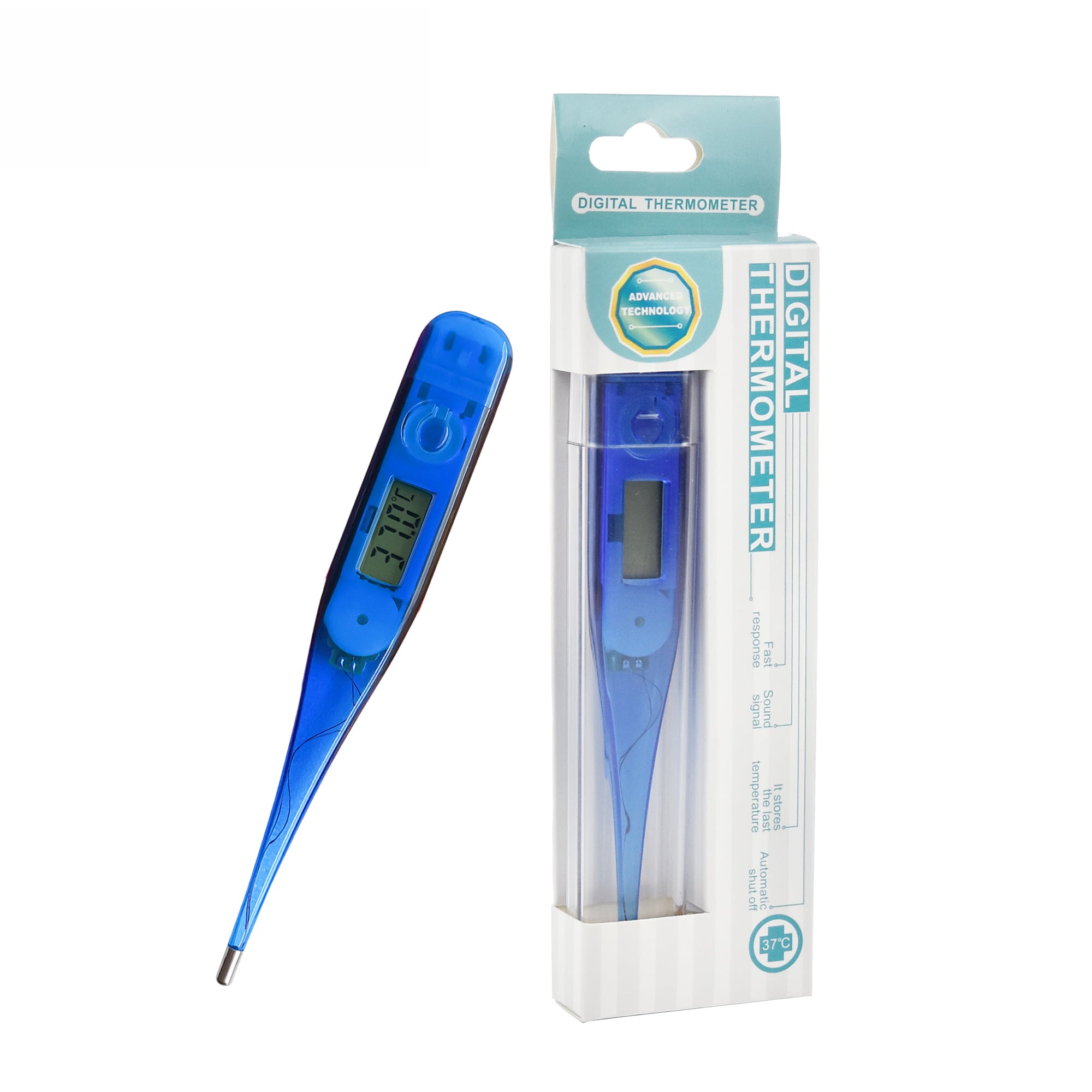
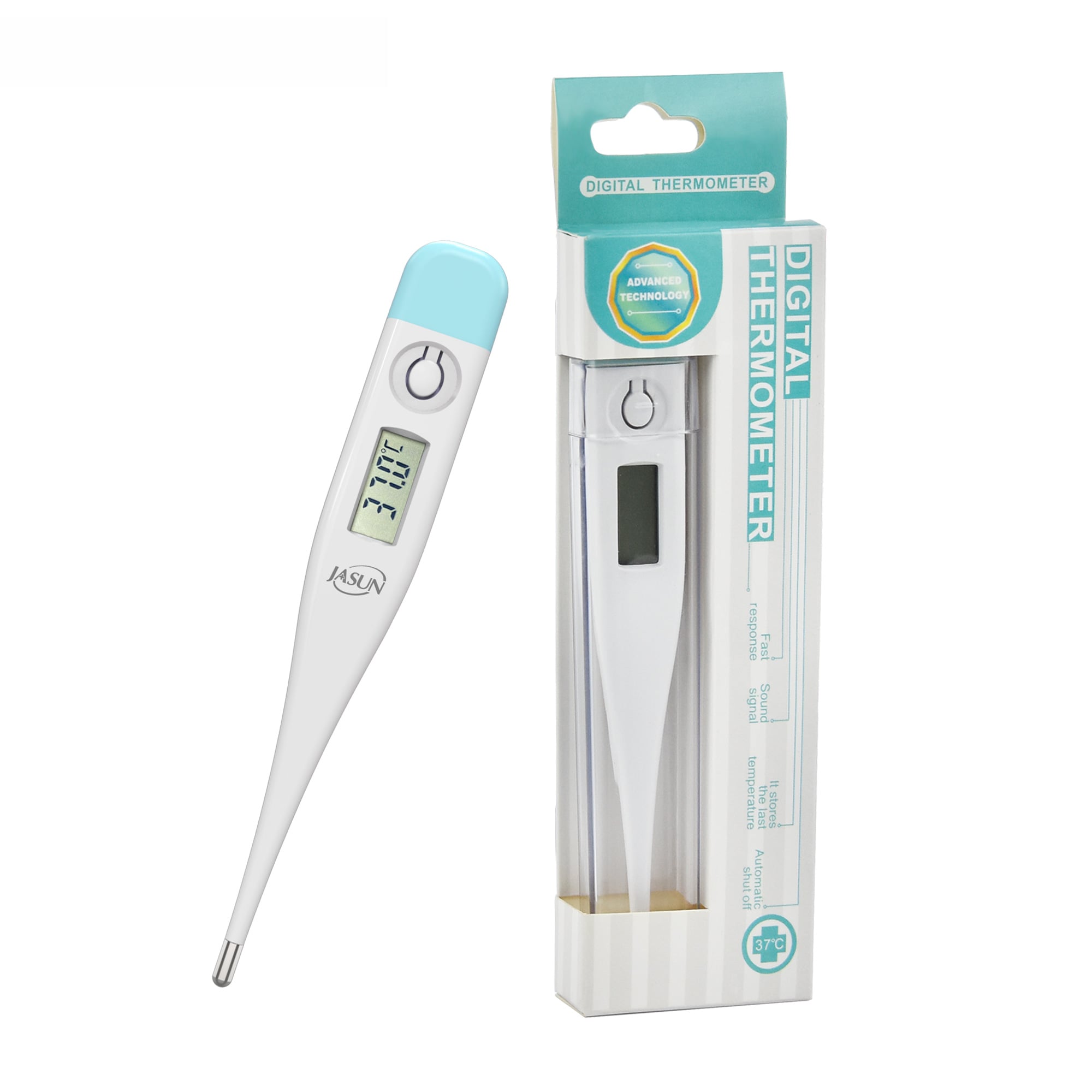
As businesses and healthcare providers increasingly prioritize safety and environmental considerations, mercury-free thermometers have emerged as a reliable alternative for accurately measuring body temperature. These devices eliminate the hazards associated with mercury free thermometer exposure while maintaining high accuracy and durability. For B2B buyers, concerns about product specifications, quality standards, and manufacturer reliability are paramount. This article will provide essential insights into selecting the right mercury-free thermometer for your application, ensuring you make informed purchasing decisions.
When evaluating mercury-free thermometers, several specifications are critical to ensure their effectiveness in your application. Key specifications include:
Accuracy: This is paramount in any temperature measurement device. Mercury-free thermometers should provide accuracy within ±0.1°C. Verify this specification against your operational requirements to ensure reliable readings.
Response Time: The time it takes for a thermometer to stabilize at a temperature reading is vital, especially in clinical settings. A response time of under 30 seconds is generally preferred for quick assessments.
Material Composition: Common materials for non mercury thermometer thermometers include glass, plastic, and digital sensors. The choice of material affects durability, comfort, and sensitivity. Glass thermometers offer traditional reliability, while digital options provide ease of use and faster readings.
Display Type: For digital thermometers, consider the display size, readability, and whether it has features like backlighting for use in low-light conditions.
Calibration: Regular calibration is essential for maintaining accuracy. Ensure that the thermometer is easy to calibrate or comes with a calibration certificate to comply with industry standards.
These specifications not only influence the performance of mercury-free thermometers but also their suitability for specific applications, from clinical to industrial use.
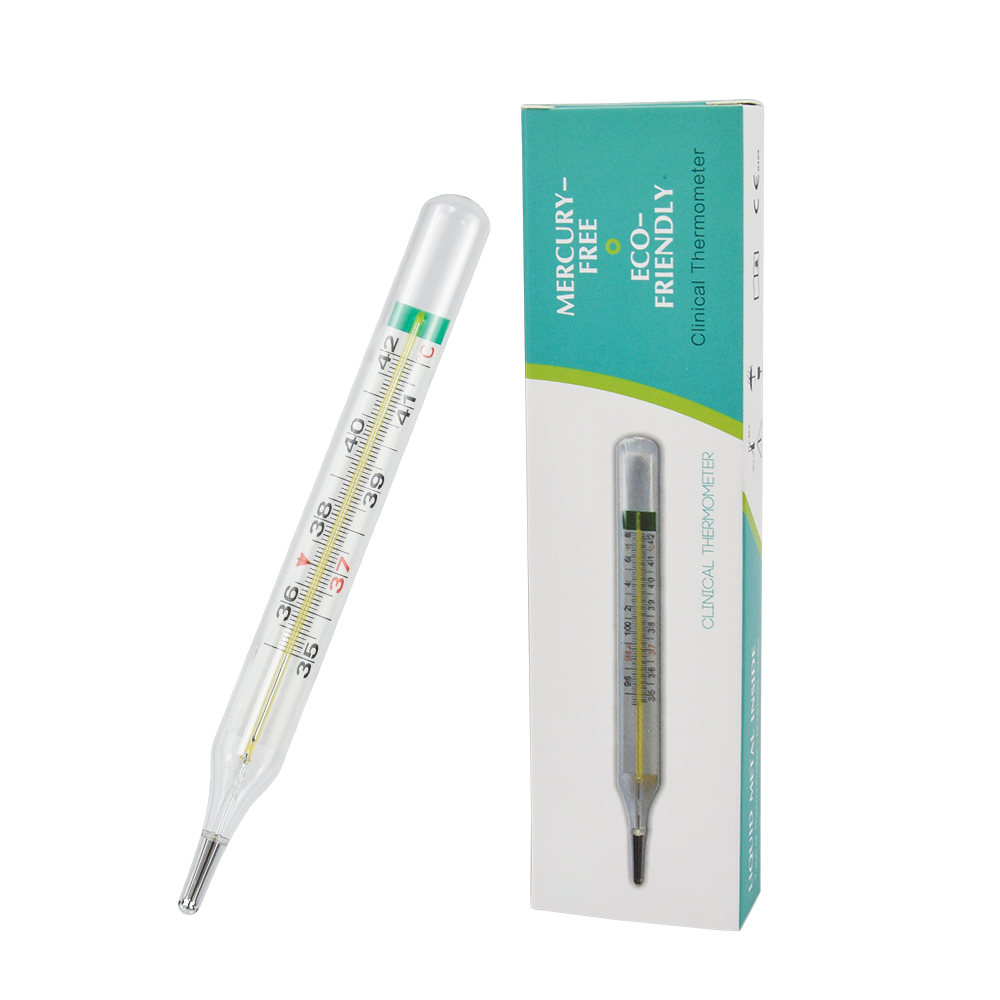
Quality standards play a crucial role in the manufacturing and reliability of mercury-free thermometers. Buyers should seek products that comply with recognized certifications, such as ISO 13485:2003, which indicates adherence to quality management systems in the medical device industry. Additionally, CE marking and FDA approval are essential for products intended for use in healthcare settings, ensuring they meet safety and efficacy standards.
Quality control processes during manufacturing are also essential. Look for manufacturers that implement rigorous quality assurance checks throughout production, including material inspections, functional testing, and final inspections before shipping. These measures help mitigate risks associated with product defects and ensure that the thermometers perform consistently in real-world scenarios.
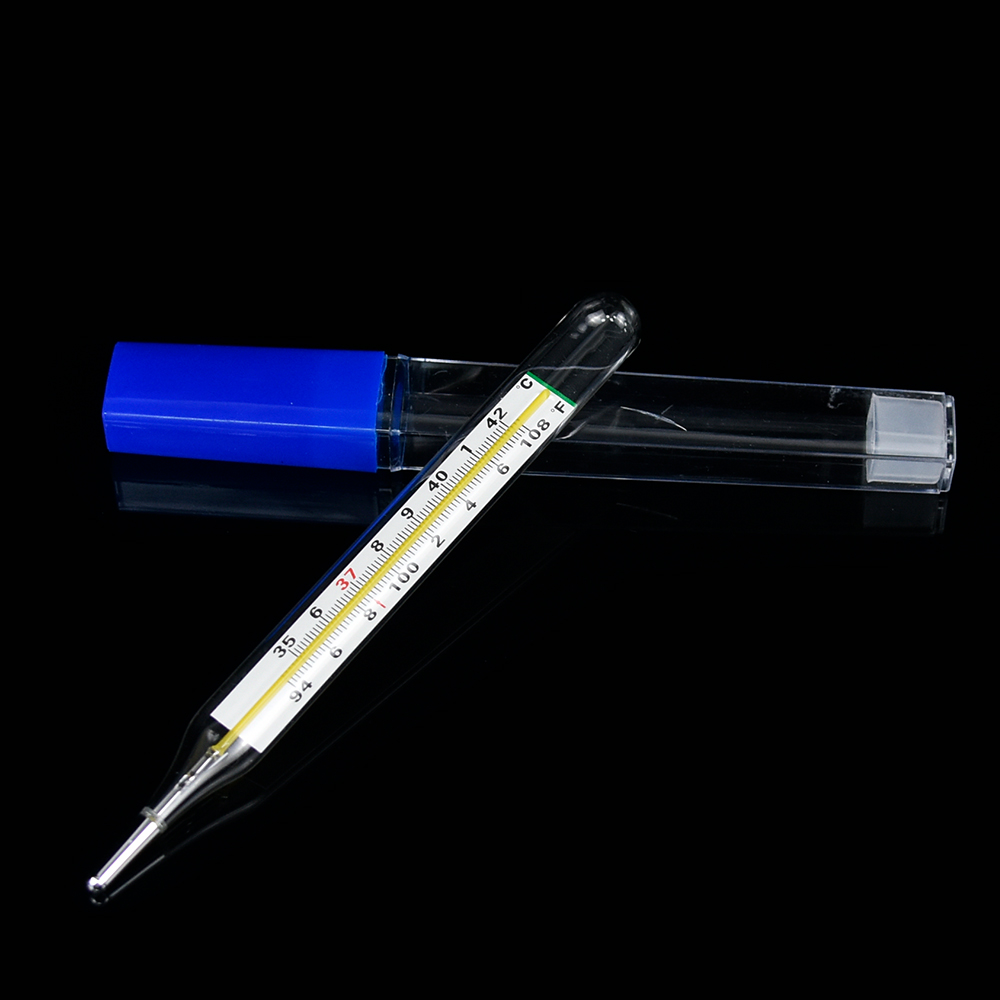
Proper installation of mercury-free thermometers is essential to maximize their accuracy and lifespan. Here are some key considerations for installation:
Environmental Conditions: Ensure that the installation location is free from extreme temperature fluctuations and humidity, as these factors can affect accuracy. For instance, avoid placing thermometers near direct sunlight or heat sources.
Mounting Method: Depending on the type of thermometer, follow manufacturer guidelines for mounting. For wall-mounted models, ensure they are at the recommended height and angle to facilitate easy reading.
Calibration Check: After installation, perform a calibration check to ensure the thermometer is functioning correctly. This is especially important if it has been transported or exposed to temperature variations during the installation process.
User Training: Provide training for staff on how to use and maintain the thermometer properly. This includes understanding its features, conducting routine checks, and knowing when to recalibrate.
By adhering to these installation guidelines, you can ensure that mercury-free thermometers deliver accurate and reliable temperature measurements in your projects.
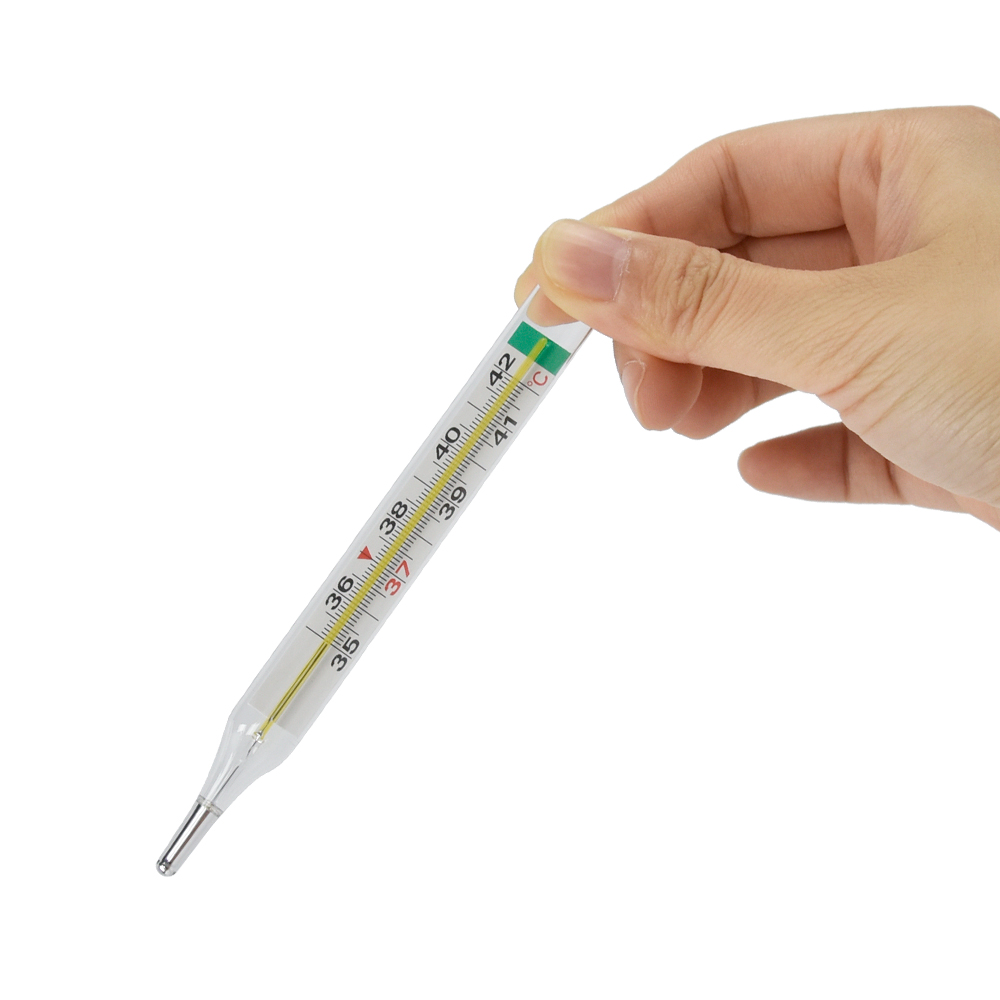
Mercury-free thermometers find applications across multiple industries due to their safety and accuracy. Here are some notable sectors where they are widely used:
Healthcare: In hospitals and clinics, mercury-free thermometers are essential for patient care, particularly in pediatrics and geriatrics. Their non-toxic nature makes them suitable for environments with vulnerable populations.
Food and Beverage: Accurate temperature measurement is critical in food safety. Mercury-free thermometers are used to monitor temperatures during food preparation and storage, helping to prevent foodborne illnesses.
Laboratories: In research and development settings, precise temperature readings are crucial for experiments and quality control. Mercury-free thermometers, particularly digital models with advanced features, are commonly utilized.
Industrial Applications: In manufacturing processes where temperature control is crucial, mercury free oral thermometer thermometers are often employed to monitor conditions and ensure product quality.
Education: Schools and educational institutions use mercury-free thermometers in science classes to teach students about temperature measurement without the risks associated with mercury.
With their versatility and safety features, mercury-free thermometers are integral to various industries, supporting both operational efficiency and compliance with safety regulations.
When sourcing mercury-free thermometers, partnering with a reputable manufacturer is vital to ensure product quality and reliability. Here are practical steps to identify trustworthy suppliers:
Review Certifications: Verify that potential manufacturers possess relevant certifications, such as ISO 13485:2003 and CE marking. These certifications indicate a commitment to quality standards in medical and industrial manufacturing.
Assess Manufacturing Capabilities: Consider manufacturers with robust research and development (R&D) capabilities and a comprehensive quality control process. This can include in-house testing facilities and a track record of innovation in thermometer technology.
Request Samples: Before placing a bulk order, request samples to evaluate the product's performance, accuracy, and material quality. Testing samples under your specific operating conditions will help ensure they meet your needs.
Check Market Reputation: Research the manufacturer’s reputation in the industry through customer reviews and case studies. Engaging with other businesses that have sourced similar products can provide valuable insights into reliability and service.
Consider Customization Options: If your application requires specific features or branding, look for manufacturers that offer customization capabilities, such as private labeling or tailored specifications.
By following these steps, you can find a reliable manufacturer for mercury-free thermometers, ensuring that your procurement aligns with both your operational needs and quality expectations.
JASUN is a registered trademark of Hangzhou Hua'an Medical & Health Instruments Co.,Ltd. Your first option for premium thermometer suppliers in China with CE, MDR, ISO13485:2003, FDA and BSCI certificates.
Our location: Building 2,1# Fuzhu Nan RD, Wuchang Town, Yuhang District, Hangzhou, Zhejiang 310023, China
HOURS: 8:30AM - 6:00PM
Copyright © Hangzhou Hua'an Medical & Health Instruments Co.,Ltd. All Rights Reserved Blog Privacy Policy
 EN