
Mercury-free clinical thermometers are essential medical devices designed to accurately measure body temperature without the risks associated with mercury. As healthcare facilities increasingly prioritize safety and environmental responsibility, sourcing these thermometers efficiently is crucial for purchasing managers and healthcare providers. This article will guide you through important considerations when sourcing mercury-free clinical thermometers, helping you make informed decisions that align with your specific needs.</p>
When sourcing mercury-free clinical thermometers, several key factors must be evaluated to ensure that the product meets intended applications and regulatory requirements.
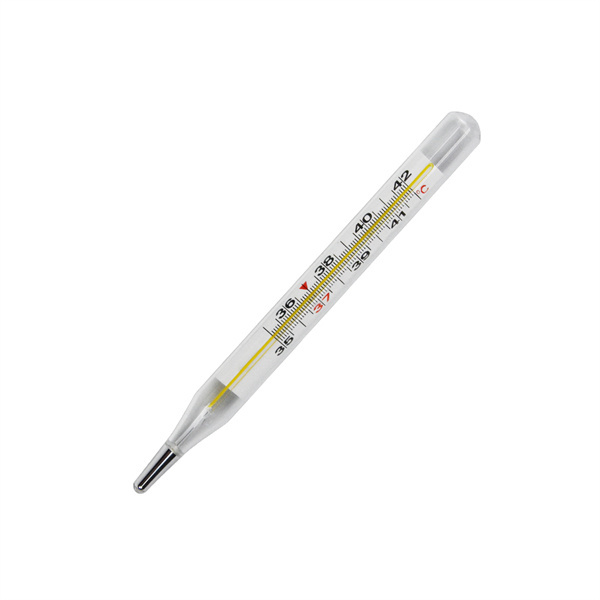
Specifications and Accuracy: Verify that the thermometer offers the required accuracy for clinical use, typically within ±0.1°C for body temperature. Understanding the measurement range is also crucial; most clinical thermometers should be capable of measuring from 32°C to 42°C (89.6°F to 107.6°F).</p>
Material Composition: Mercury-free thermometers may use materials like gallium, alcohol, or digital sensors. Each material has specific advantages; for example, digital thermometers provide faster readings, while alcohol-based thermometers are less prone to breakage. For those seeking reliable digital options, Digital Blood Pressure Monitors are also an excellent consideration.
Certifications: Ensure that the thermometer complies with relevant certifications such as CE, ISO13485, and FDA approvals. These certifications demonstrate adherence to safety and quality standards, which is vital for patient safety and regulatory compliance.</p>
User Comfort and Durability: Consider the design of the thermometer, especially if it will be used in pediatric or geriatric settings where comfort is paramount. Durability must also be assessed, particularly if the thermometer will be used in high-traffic environments.</p>
Customization Options: Depending on your branding or specific application requirements, explore any customization options available, such as packaging or labeling.
By addressing these factors, buyers can ensure they source thermometers that not only perform accurately but also align with their operational needs and patient safety standards.</p>
Choosing a reliable thermometer supplier is crucial for ensuring consistent product quality and service. Here are some considerations to help assess potential suppliers:</p>
Manufacturing Experience: Look for companies with a proven track record in manufacturing clinical thermometers. For example, Hangzhou Huaan Medical Health Instruments Co., Ltd. has been a recognized leader in this field since 1997, showcasing stability and expertise.</p>
Quality Control Processes: Inquire about the supplier’s quality management systems. A reliable supplier should have strict quality control processes in place, including raw material inspection, in-process quality checks, and final product testing.</p>
OEM/ODM Capabilities: Suppliers offering OEM (Original Equipment Manufacturer) and ODM (Original Design Manufacturer) services can provide customized solutions tailored to your specifications. This flexibility can be beneficial for branding and meeting unique client needs.</p>
Customer Reviews and References: Request references or case studies from previous clients to gauge the supplier’s reliability and quality. Positive testimonials can provide insights into their responsiveness and overall performance.</p>
After-Sales Support: Consider the level of support offered post-purchase, including warranty terms, product return policies, and customer service availability. Strong after-sales support can mitigate risks associated with product defects or operational issues.</p>
By carefully evaluating these aspects, purchasing managers can select suppliers that align with their quality expectations and operational requirements.</p>
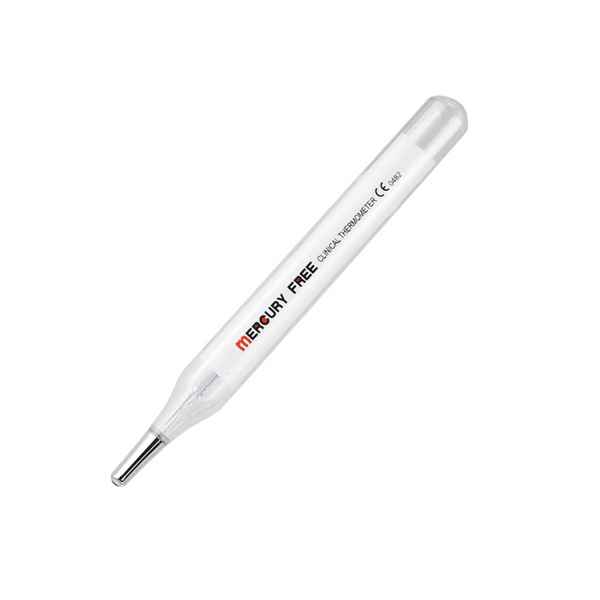
Finding reliable wholesale sources for mercury-free clinical thermometers can streamline procurement processes. Here are some strategies to identify suitable suppliers:</p>
Industry Trade Shows: Attend medical and healthcare trade shows to connect with manufacturers and suppliers directly. Events allow for hands-on product evaluations and discussions regarding pricing and customization.</p>
Online B2B Marketplaces: Platforms such as Alibaba or ThomasNet can be useful for identifying manufacturers that specialize in mercury-free medical devices. Always check supplier credentials and reviews before engaging.</p>
Direct Manufacturer Websites: Visiting the websites of established manufacturers like Hangzhou Huaan Medical Health Instruments Co., Ltd. can provide insights into product offerings, certifications, and direct purchasing options. </p>
Local Distributors: Collaborate with local distributors who specialize in medical equipment. They often have established relationships with manufacturers and can facilitate bulk purchasing and logistics.</p>
Networking with Industry Peers: Engaging with other professionals in the healthcare sector can lead to recommendations for trusted suppliers and insights into their experiences with various products.</p>
By leveraging these channels, buyers can effectively source high-quality mercury-free clinical thermometers at competitive prices.</p>
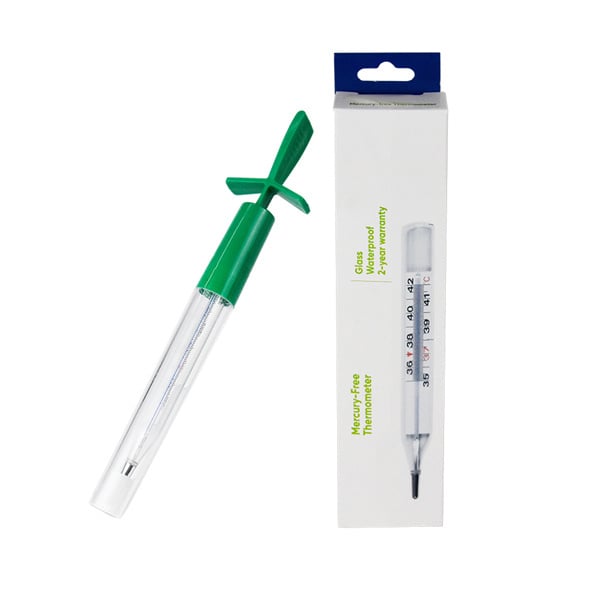
While mercury-free clinical thermometers are designed for ease of use, there can be installation challenges that buyers should anticipate:</p>
Calibration Requirements: Some models may require calibration before use to ensure accuracy. Verify whether the thermometer comes pre-calibrated or if you need to perform calibration on-site.</p>
User Training: Ensure that staff members are adequately trained on how to use and read the thermometer correctly. Misuse can lead to inaccurate readings, which can impact patient care.</p>
Environmental Conditions: Consider the installation environment; extreme temperatures or humidity can affect thermometer performance. Ensure that the installation location is suitable for maintaining the integrity of the device.</p>
Integration with Existing Systems: If the thermometer is digital and intended to integrate with electronic health record (EHR) systems, confirm compatibility to avoid data transfer issues. Digital products, such as Digital Clinical Thermometers, should be compatible to ensure seamless data handling.
Maintenance Needs: Establish a regular maintenance schedule to check the thermometer’s functionality and accuracy over time. This can help prevent future operational issues and ensure ongoing reliability.</p>
By addressing these installation challenges upfront, healthcare facilities can optimize the use of mercury-free clinical thermometers and minimize disruptions in patient care.</p>
Mercury-free clinical thermometers find a variety of applications in healthcare settings, enhancing patient safety and care efficiency:</p>
General Patient Care: These thermometers are commonly used in hospitals, clinics, and outpatient settings to monitor patients' body temperatures during routine examinations or when illness is suspected.</p>
Pediatric Use: Their non-toxic nature makes them particularly suitable for use with children, where safety concerns are paramount.</p>
Home Healthcare: With the rise of telehealth and home healthcare services, mercury-free thermometers are ideal for patients monitoring their health at home, providing reliable readings without the risk of mercury exposure.</p>
Emergency Services: Emergency medical technicians (EMTs) often use digital mercury-free thermometers for rapid temperature assessments in pre-hospital settings.</p>
Research and Clinical Trials: In clinical research, accurate body temperature measurements are crucial for data integrity, making these thermometers an essential tool for researchers.</p>
By understanding these applications, healthcare providers can better utilize mercury-free clinical thermometers to enhance patient care and operational efficiency.</p>
JASUN is a registered trademark of Hangzhou Hua'an Medical & Health Instruments Co.,Ltd. Your first option for premium thermometer suppliers in China with CE, MDR, ISO13485:2003, FDA and BSCI certificates.
Our location: Building 2,1# Fuzhu Nan RD, Wuchang Town, Yuhang District, Hangzhou, Zhejiang 310023, China
HOURS: 8:30AM - 6:00PM
Copyright © Hangzhou Hua'an Medical & Health Instruments Co.,Ltd. All Rights Reserved Blog Privacy Policy
 EN