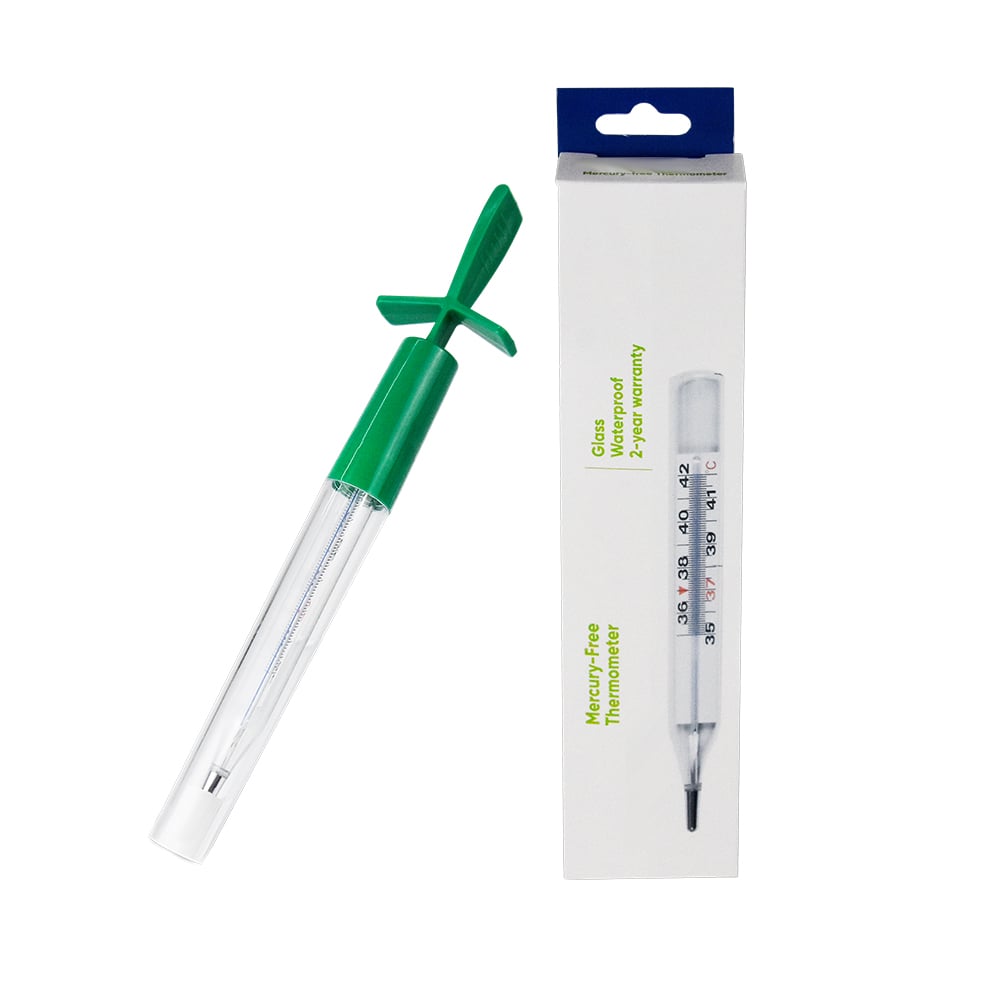
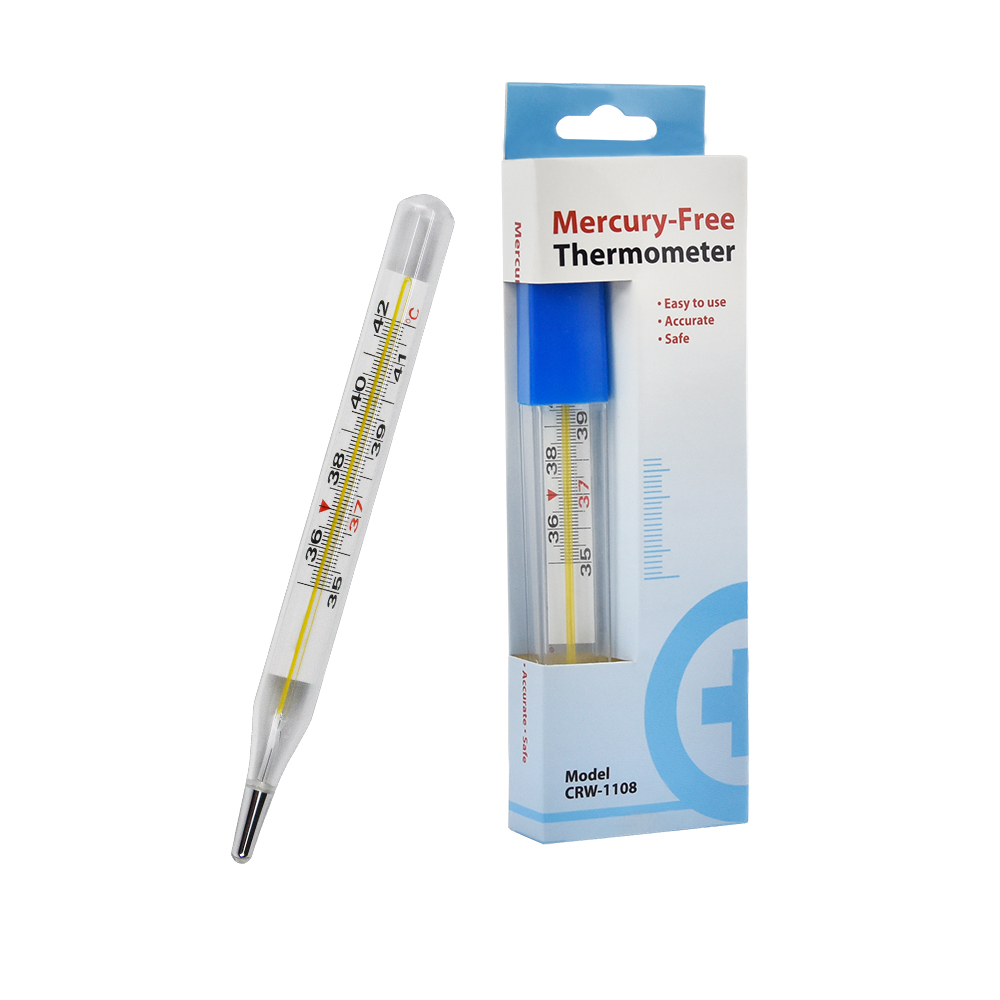
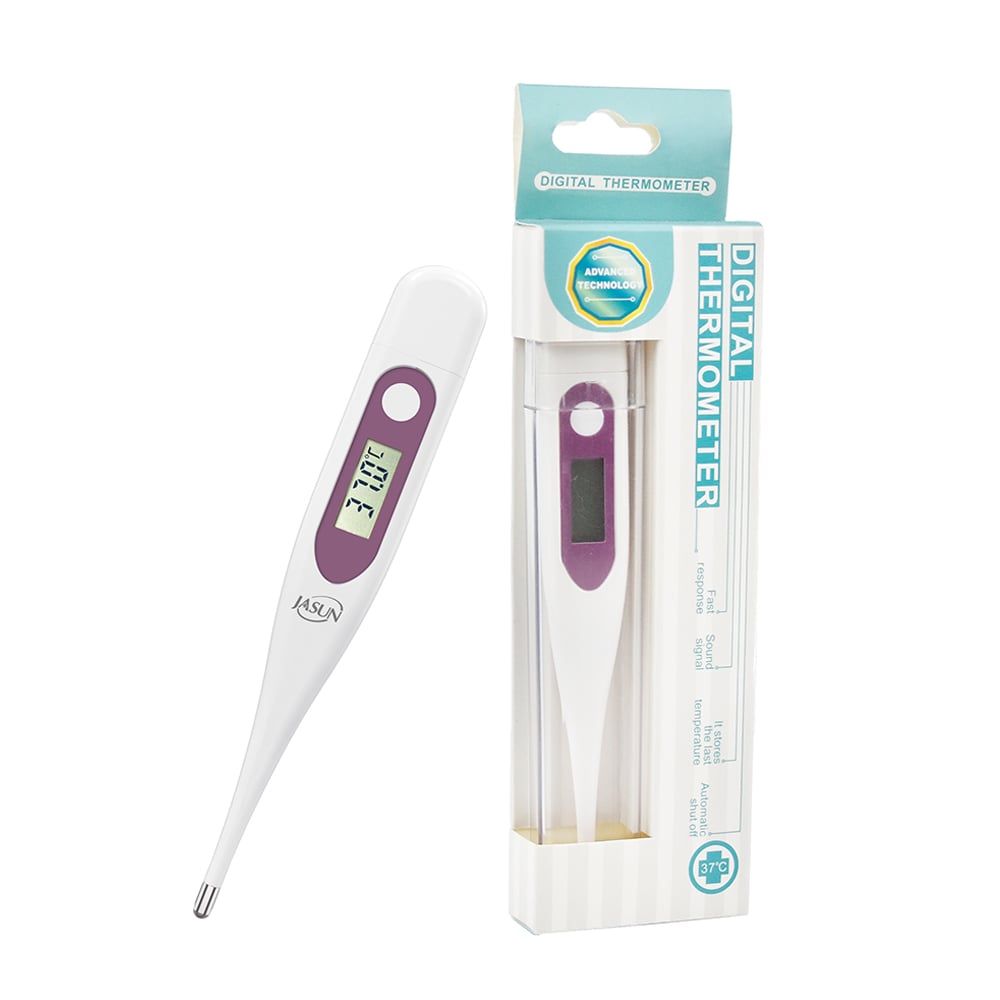
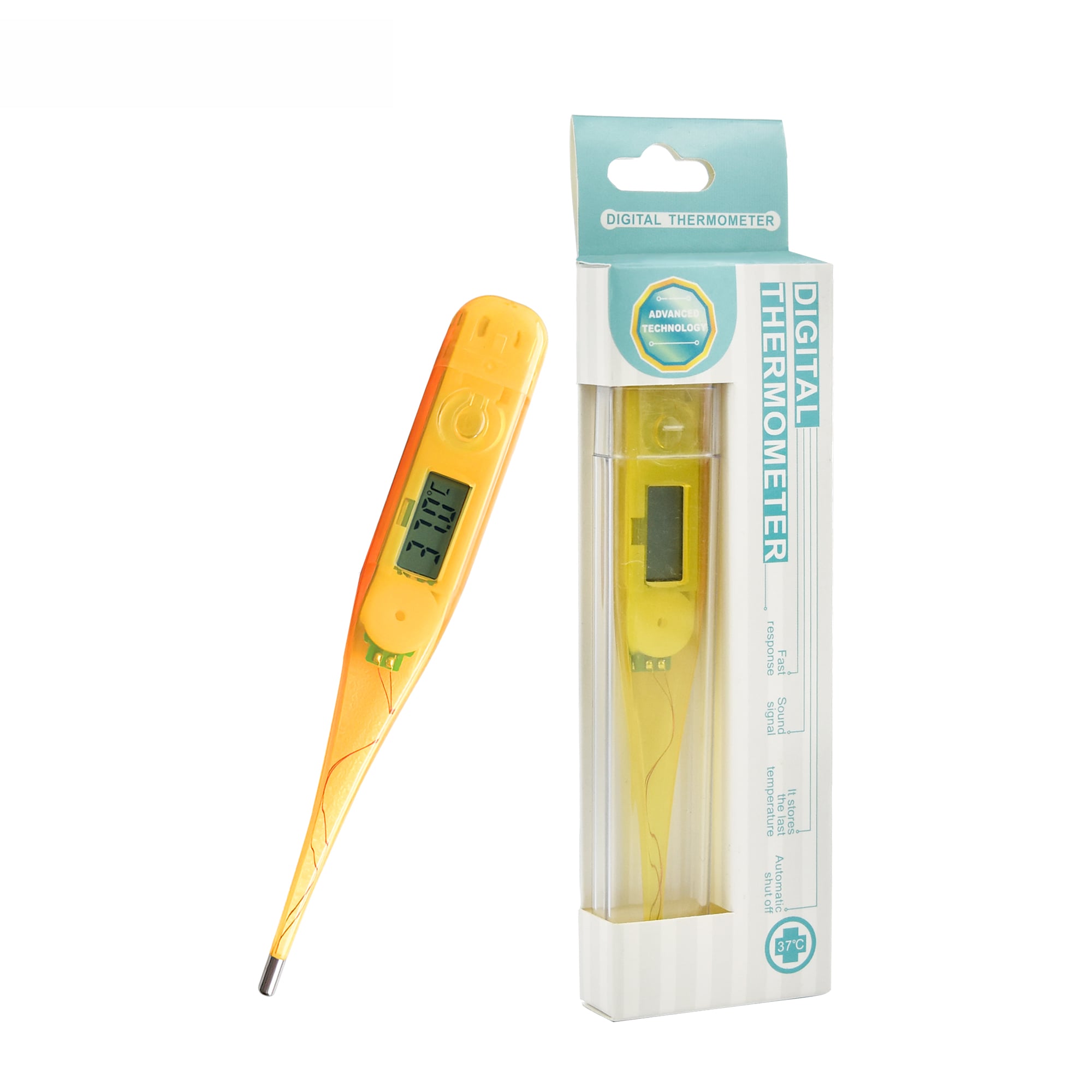
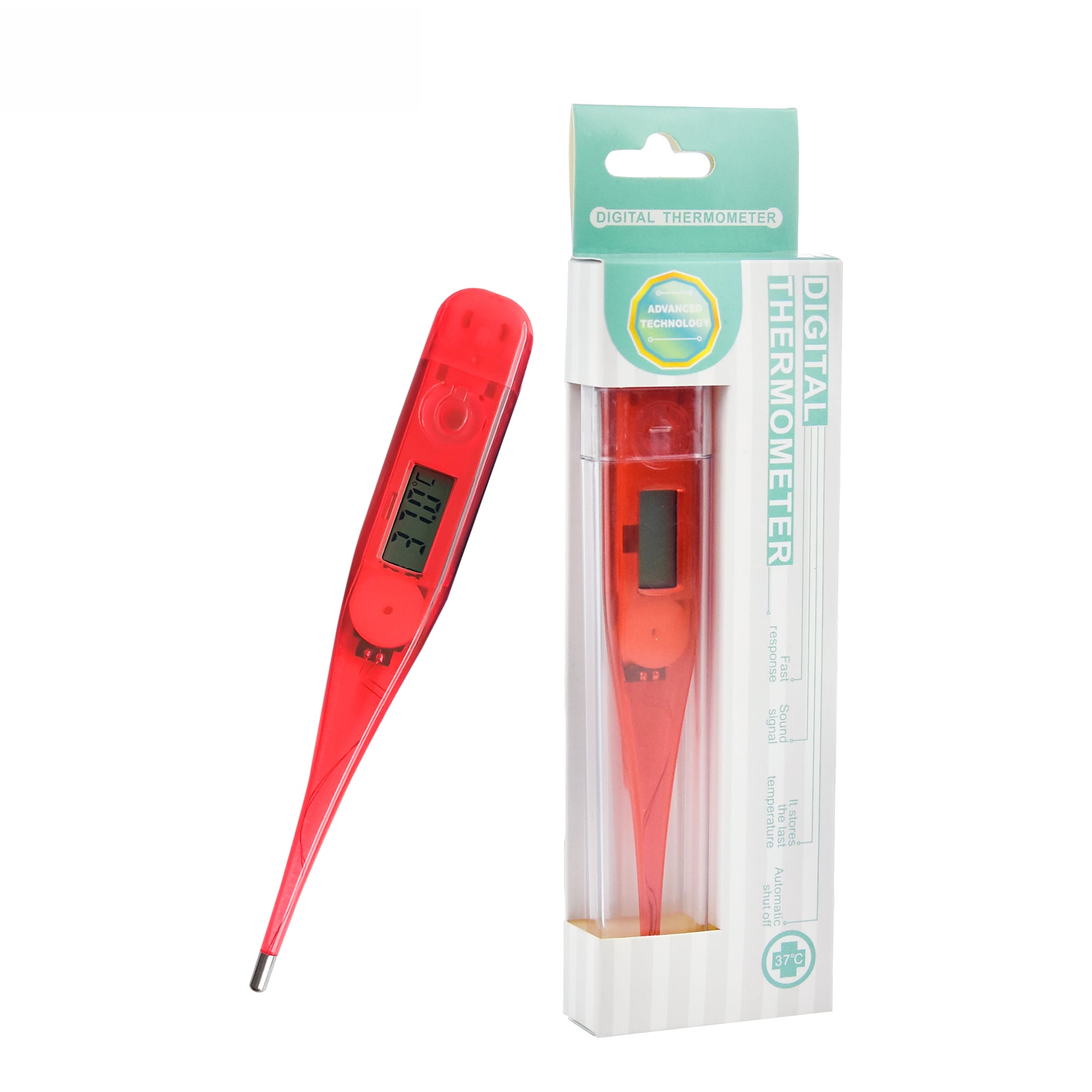
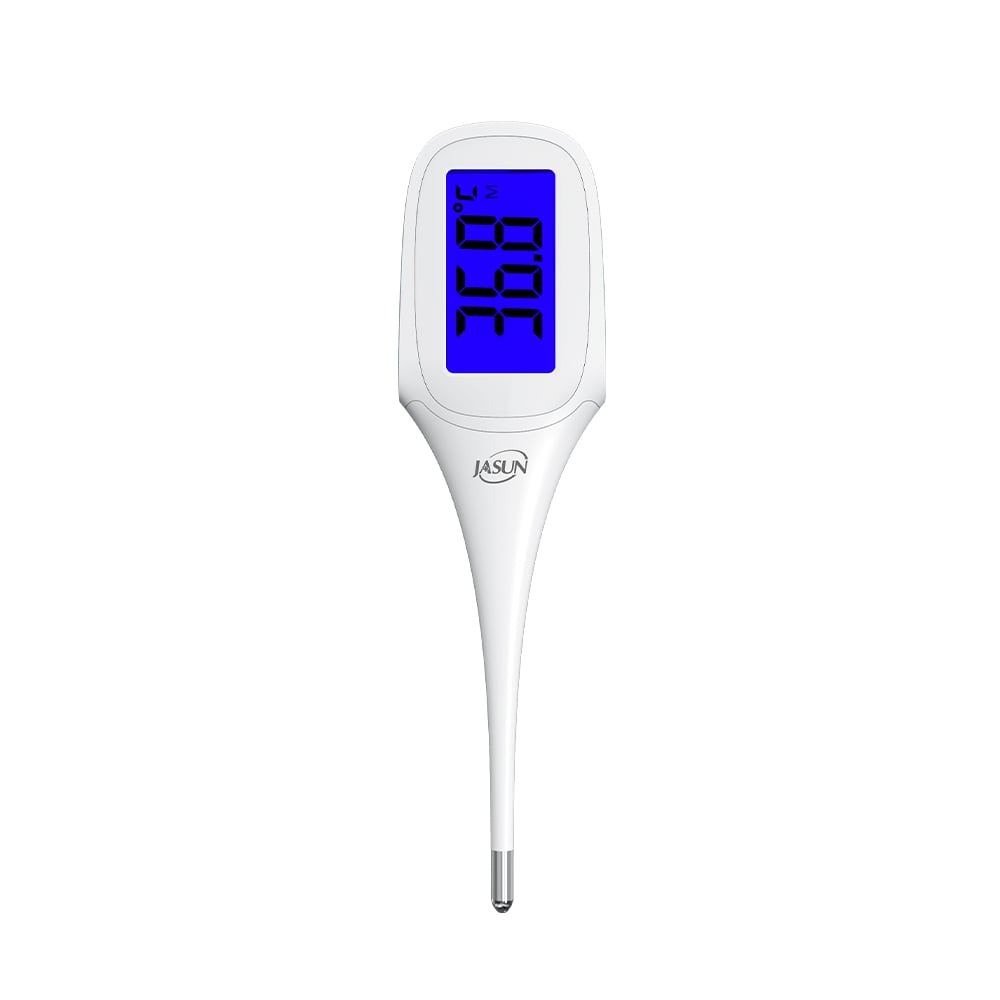
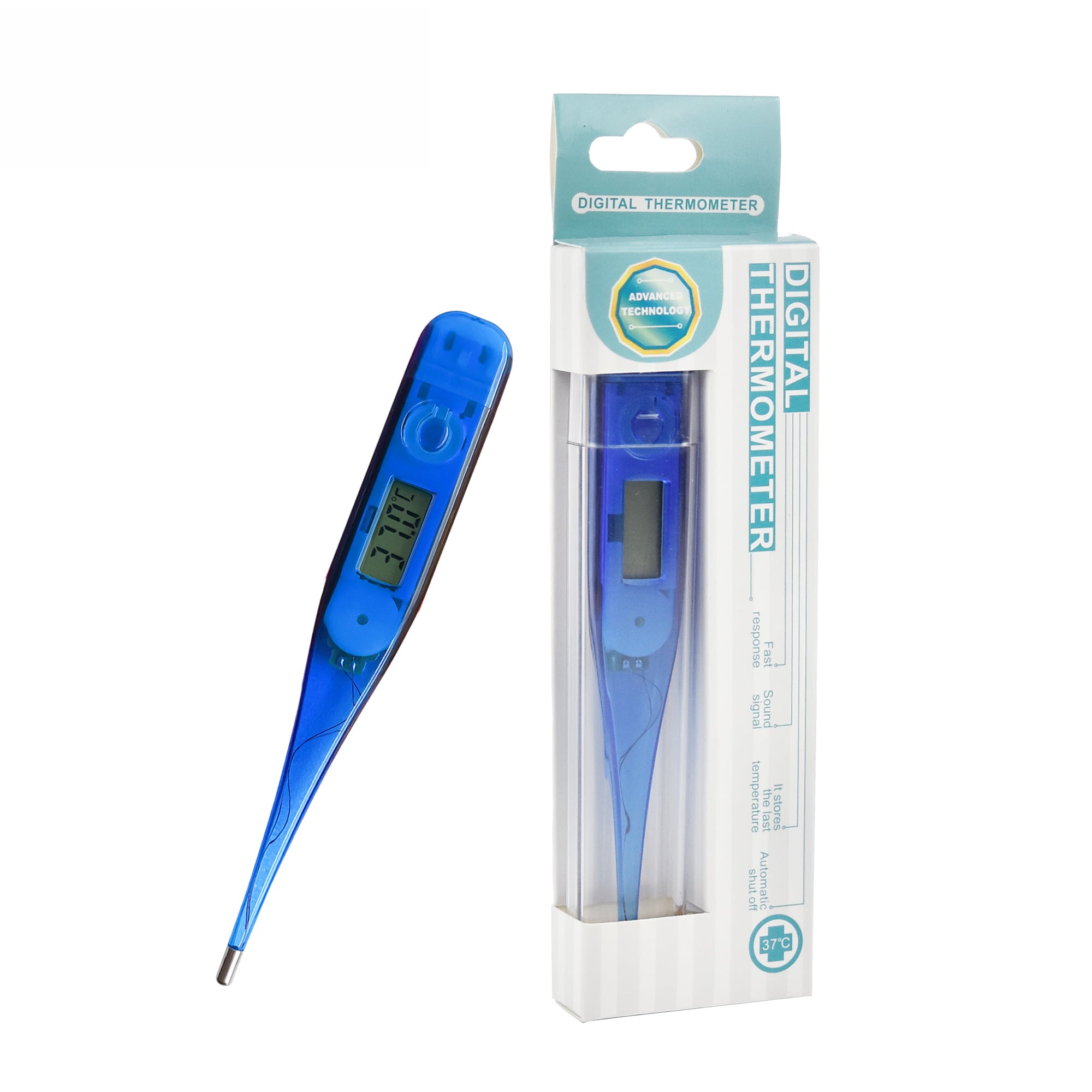
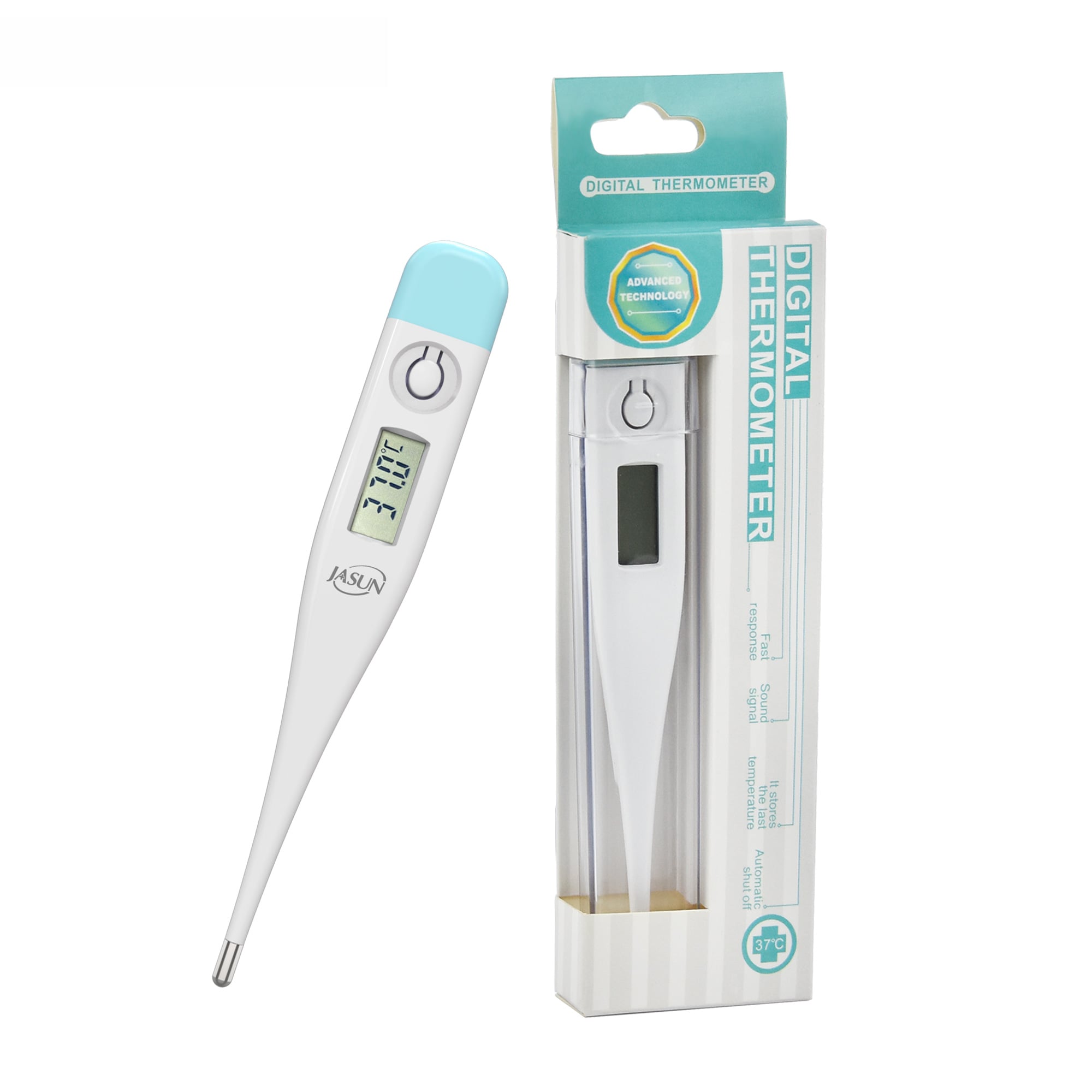
Mercury-free clinical thermometers are essential medical devices used to accurately measure body temperature without the risks associated with mercury exposure. As healthcare professionals increasingly prioritize safety and sustainability, understanding the specifications, sourcing options, and common challenges associated with these thermometers is crucial for purchasing managers, distributors, and healthcare providers. This article will guide you through the key aspects of mercury-free clinical thermometers, helping you make informed purchasing decisions.
When sourcing mercury free clinical thermometer, it’s essential to partner with manufacturers who have a proven track record and relevant certifications. Look for suppliers like Hangzhou Huaan Medical Health Instruments Co., Ltd., which has been in the industry since 1997 and possesses CE, ISO13485:2003, FDA, and BSCI certifications. These certifications indicate compliance with international safety and quality standards, ensuring the products are reliable and safe for use.
To find reliable suppliers, consider the following strategies:
Industry Trade Shows: Attend medical and healthcare trade fairs where manufacturers exhibit their products. This allows for direct interaction and evaluation of multiple suppliers.
Online Marketplaces: Platforms such as Alibaba or Global Sources can connect you with numerous manufacturers. Look for suppliers with positive feedback and strong reputations.
Professional Networks: Utilize industry contacts or professional networks to get recommendations for reputable manufacturers.
Request Samples: Always request samples before making bulk purchases. This allows you to verify product quality and performance.
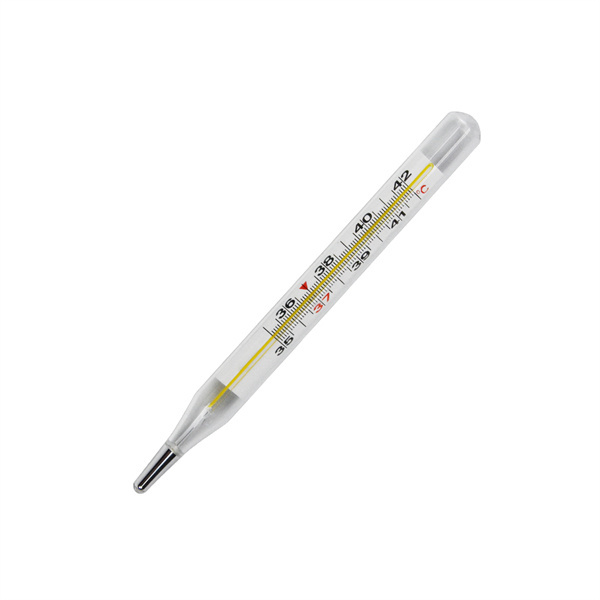
Understanding the cost structure of mercury-free clinical thermometers is vital for making an informed purchasing decision. Key factors that influence pricing include:
Material Quality: The choice of materials affects both the durability and accuracy of the thermometer. Higher quality materials can lead to higher costs but are essential for reliable performance.
Manufacturing Processes: Thermometers that require advanced manufacturing techniques or additional quality control measures may have a higher price point. For instance, products that undergo rigorous testing to meet international standards will typically be more expensive.
Certification Costs: Manufacturers that invest in obtaining certifications like CE or FDA may pass these costs on to buyers. However, these certifications are crucial for ensuring the safety and efficacy of the products.
Order Volume: Bulk purchasing often comes with discounts. It’s essential to consider your projected usage and order size when negotiating prices.
Customization Requirements: If you require specific features, such as branding or unique packaging, this may increase the overall cost.
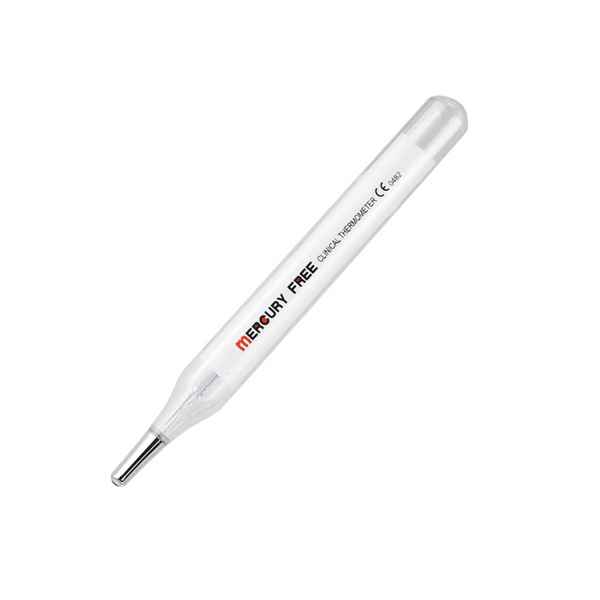
While mercury-free clinical thermometers are generally safe and reliable, users may encounter some common issues. Here are a few problems along with suggested solutions:
Inaccurate Readings: If the thermometer provides inconsistent or inaccurate readings, it may be due to improper calibration. Ensure that the clinical thermometer is calibrated according to the manufacturer's instructions before use. Regular maintenance and checks should be performed to confirm accuracy.
User Errors: Improper usage can lead to inaccurate temperature readings. Training staff on the correct operation of the thermometer is crucial. Provide clear instructions and demonstrations to minimize errors.
Battery Issues (for electronic thermometers): Some electronic models may face battery-related problems. Ensure that you check battery life regularly and replace batteries as needed to maintain functionality.
Durability Concerns: Although designed to be durable, thermometers can be damaged if dropped or mishandled. Implement policies for safe handling and provide protective cases if necessary.
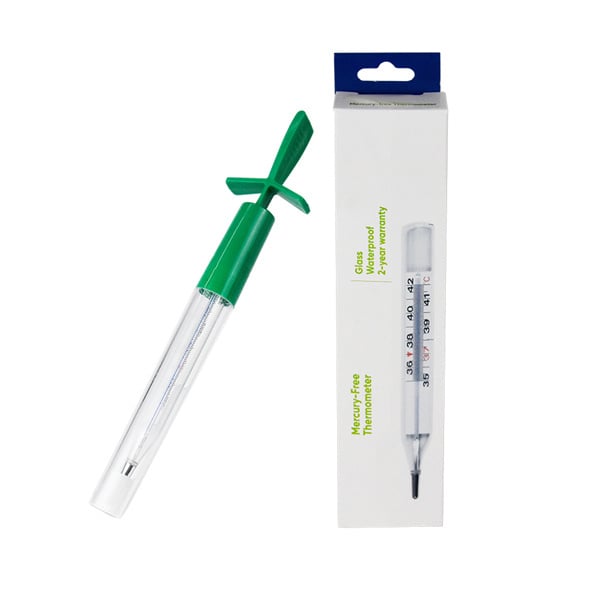
Installing mercury-free clinical thermometers, especially in healthcare settings, requires careful planning to ensure optimal performance. Here are some key points to consider:
Location Selection: Install the thermometers in areas that are easily accessible to healthcare professionals and patients. Ensure that the installation location is away from direct sunlight and heat sources, as extreme temperatures can affect readings.
Training Staff: Proper training on how to use and maintain the thermometers is essential. This includes understanding how to read the measurements accurately and how to perform routine maintenance checks.
Calibration Procedures: Establish a regular calibration schedule to ensure that all thermometers provide accurate readings. This may involve using a reference thermometer for comparison.
Integration with Other Systems: If the thermometers are part of a larger healthcare system, ensure they can integrate with electronic health records (EHR) or other data management systems for seamless data input.
Mercury-free clinical thermometers find applications across various healthcare settings, providing a safe and accurate way to monitor patient temperatures. Key applications include:
Hospitals and Clinics: Used in various departments such as pediatrics, general medicine, and emergency care, these thermometers are essential for diagnosing and monitoring patient conditions.
Home Healthcare: With the rise of home healthcare services, mercury free thermometer are becoming increasingly popular for patients needing regular temperature checks in a non-clinical environment.
Pharmacies: Many pharmacies offer temperature screening for patients. Mercury-free thermometers provide a safe option for pharmacists to check temperatures before dispensing medications.
Research Facilities: In clinical trials or research settings, accurate temperature measurement is critical. Mercury-free thermometers are often preferred for their safety and precision.
By understanding the specifications, sourcing options, cost factors, common challenges, installation guidance, and applications of mercury-free clinical thermometers, B2B buyers can make informed purchasing decisions that meet their specific needs.
JASUN is a registered trademark of Hangzhou Hua'an Medical & Health Instruments Co.,Ltd. Your first option for premium thermometer suppliers in China with CE, MDR, ISO13485:2003, FDA and BSCI certificates.
Our location: Building 2,1# Fuzhu Nan RD, Wuchang Town, Yuhang District, Hangzhou, Zhejiang 310023, China
HOURS: 8:30AM - 6:00PM
Copyright © Hangzhou Hua'an Medical & Health Instruments Co.,Ltd. All Rights Reserved Blog Privacy Policy
 EN