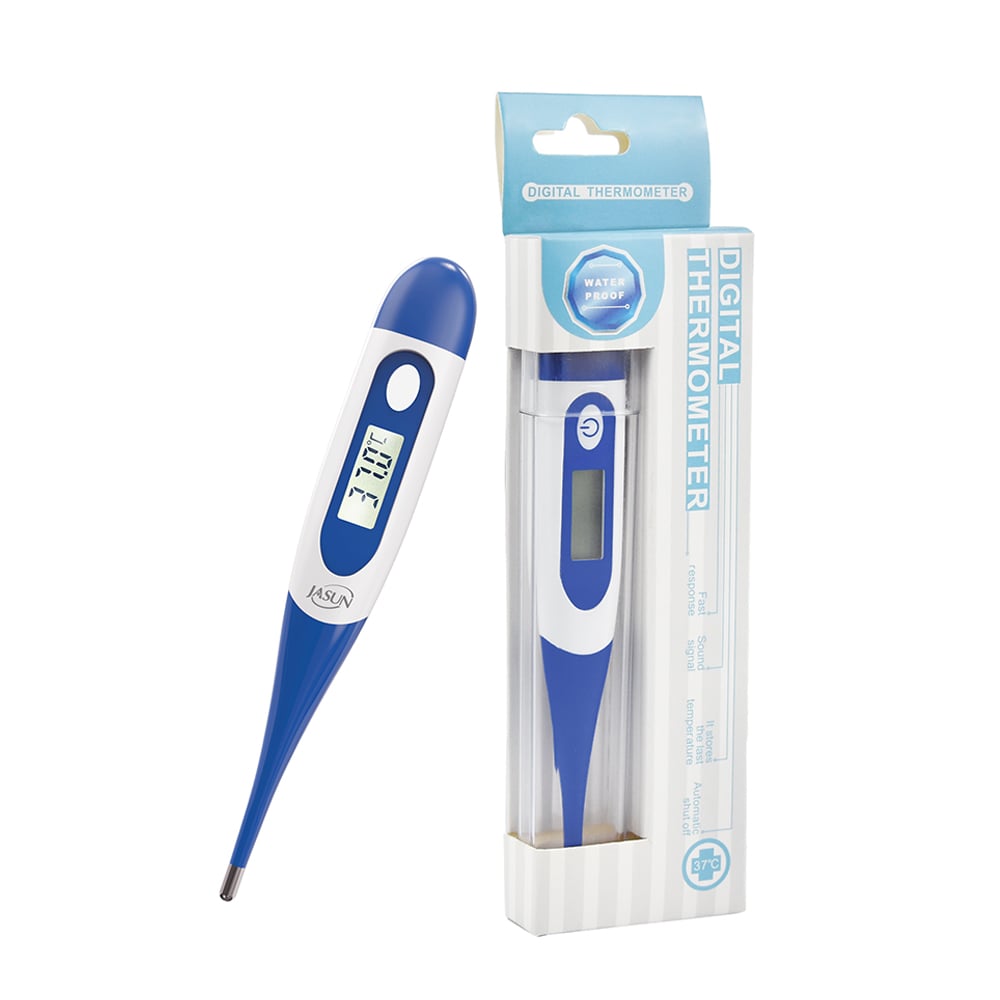
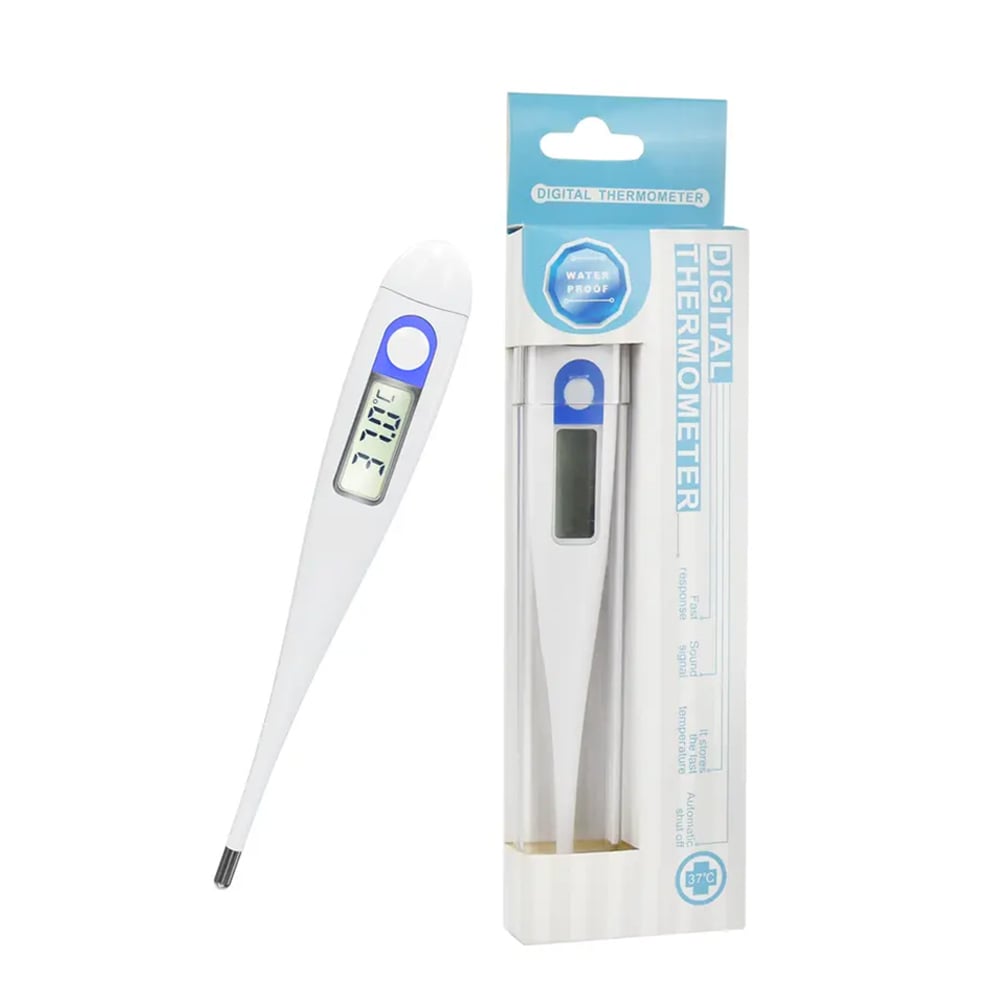
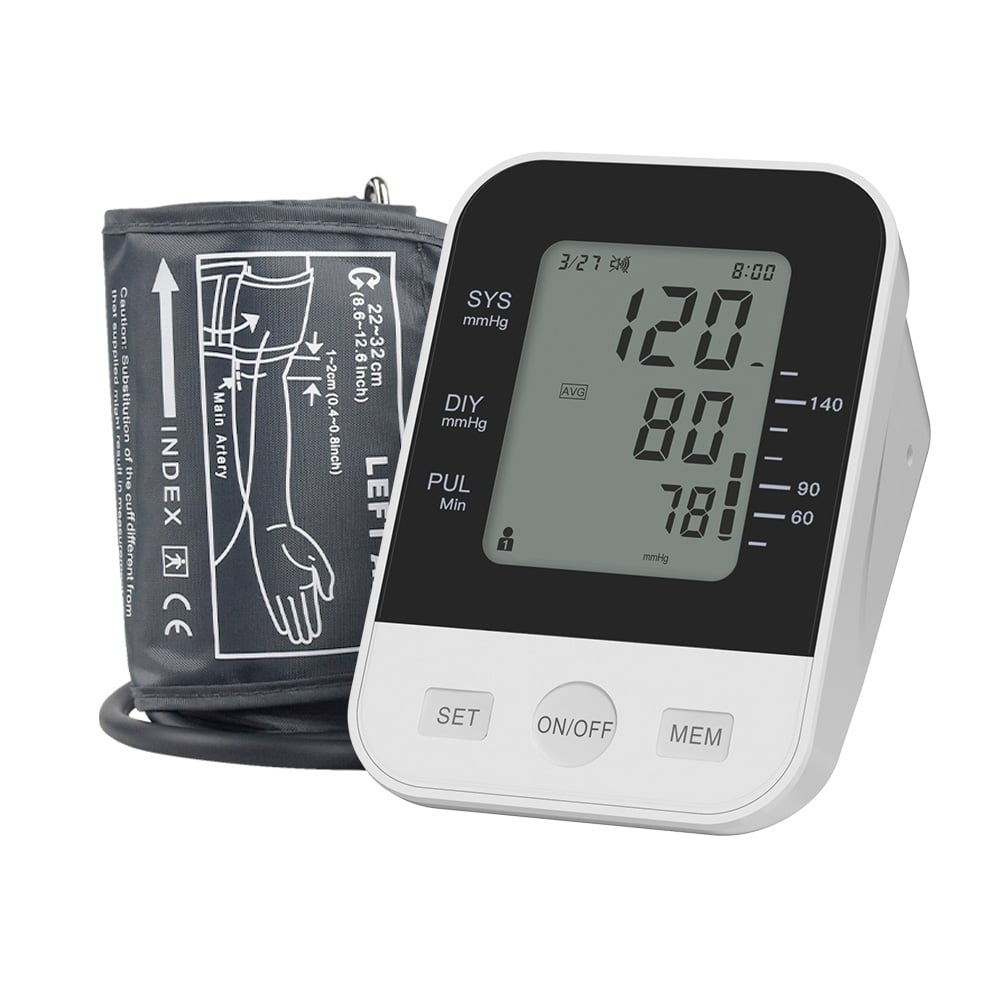
Digital medical thermometers are essential tools in healthcare settings, providing accurate and reliable body temperature measurements. As a purchasing manager or distributor, understanding the technical specifications, installation issues, and supplier options is crucial for making informed purchasing decisions. This article will delve into key specifications to consider when selecting a digital medical thermometer, common installation challenges and their solutions, how to identify reliable suppliers, and the diverse applications of these devices in healthcare
When evaluating medical digital thermometer for newborn, several specifications significantly impact their performance and suitability for specific applications
Accuracy: The thermometer should meet strict accuracy standards, typically within ±0.1°C to ensure reliable readings. Buyers should inquire about calibration processes and testing methods used by the manufacturer
Response Time: Fast response times, usually around 1 to 3 seconds, are critical in clinical environments. Delayed readings can hinder timely patient care, so it’s important to verify this specification
Measurement Range: Confirm that the thermometer’s measurement range suits your needs, often from 32°C to 43°C (89.6°F to 109.4°F). Some models may also feature a fever alert function, which can be beneficial in quickly identifying elevated temperatures
Display: A clear, backlit display improves usability, especially in low-light settings. Consider whether the display is easy to read and whether it retains the last reading for convenience
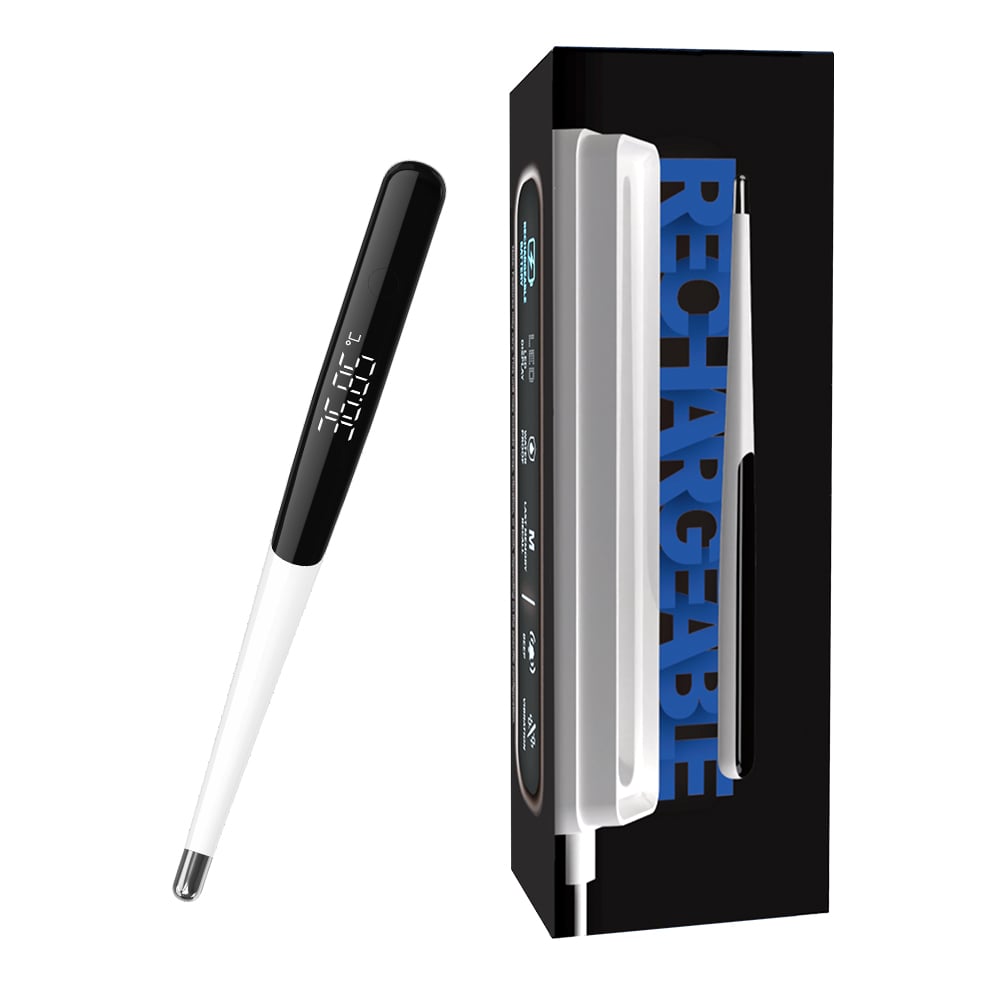
Power Source: Many digital thermometers use batteries, while some may offer rechargeable options. Understanding the power requirements and battery life is essential to avoid disruptions in usage
Material and Design: Ensure that the materials used are durable and easy to clean, as hygiene is paramount in medical settings. Thermometers with ergonomic designs enhance comfort during use, particularly for pediatric patients
Certifications: Look for CE, ISO13485:2003, and FDA certifications, as they indicate compliance with international quality standards, ensuring that the product has undergone rigorous testing
Understanding these specifications will help you select a thermometer that meets both clinical needs and regulatory requirements
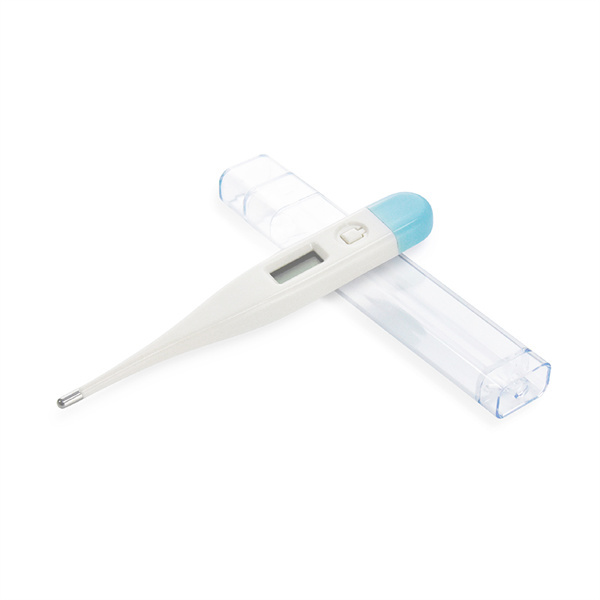
While digital medical thermometers are generally user-friendly, several common installation issues can arise. Here are some typical challenges and their solutions
Incorrect Calibration: New thermometers may require calibration before use. Ensure that you follow the manufacturer’s guidelines for calibration. Regular checks should be scheduled to maintain accuracy over time
Temperature Variations: Environmental factors can affect thermometer readings. Installing the thermometer in a stable environment, away from direct sunlight or drafts, can help mitigate this issue
User Error: Proper training for staff is essential. Conduct training sessions on how to use the thermometer correctly to avoid inaccurate readings due to user error
Battery Issues: If a thermometer frequently fails to power on, check the battery and ensure it is installed correctly. Providing spare batteries and educating staff on battery maintenance can reduce downtime
Software Updates: Some advanced digital thermometers may require software updates for optimal performance. Regularly check with the supplier for any updates or patches that might be necessary
By addressing these potential issues proactively, you can ensure effective temperature measurement and patient safety
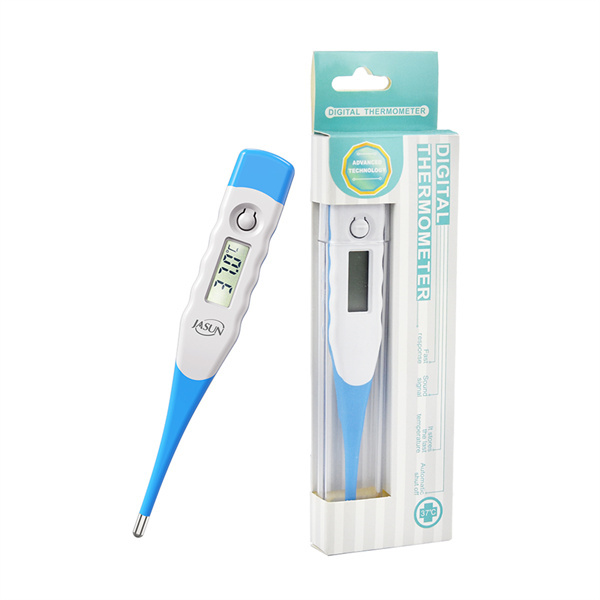
Finding a reliable supplier for medical digital infant thermometer is crucial for ensuring the quality and performance of your devices. Here are some tips on sourcing trustworthy suppliers
Industry Networks: Leverage industry contacts and networks. Professional associations often have directories of reputable suppliers. Attending trade shows can also facilitate firsthand interactions with potential manufacturers
Online Research: Utilize platforms like Alibaba or Global Sources to compare suppliers. Look for those with high ratings and verified credentials. Reading reviews and testimonials can provide insights into supplier reliability
Certifications and Compliance: Ensure that potential suppliers hold relevant certifications (such as, CE, ISO13485). Suppliers with these credentials are more likely to adhere to quality standards and regulatory compliance
OEM/ODM Capabilities: If customization is important for your application, seek suppliers who offer OEM (Original Equipment Manufacturer) or ODM (Original Design Manufacturer) services. This indicates flexibility in product design and manufacturing
Production Capacity: Assess the supplier’s production capacity to ensure they can meet your demands, especially for bulk orders. Inquire about their lead times and ability to handle orders of varying sizes
After-Sales Support: A reliable supplier should provide robust after-sales support, including warranty information, maintenance services, and assistance with any product issues that may arise
By thoroughly vetting suppliers, you can establish long-term partnerships that ensure consistent quality and reliability in your procurement process
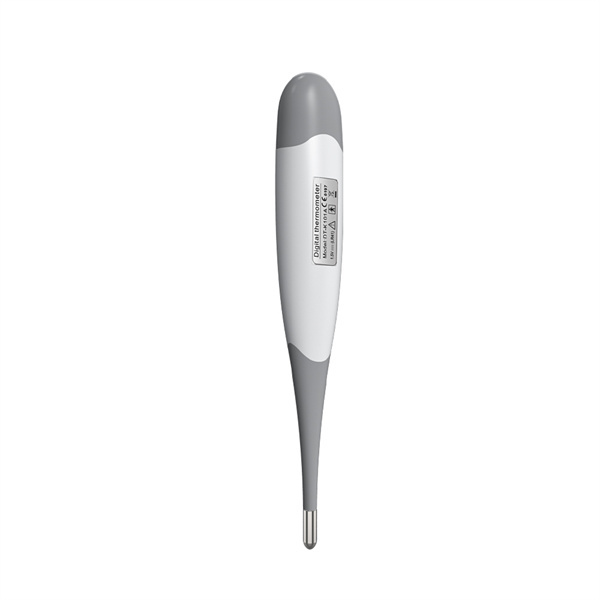
When choosing a digital medical thermometer, a comprehensive understanding of product features, supplier capabilities, and industry standards is essential. Here’s a summary of what to consider
Product Features: Evaluate specifications such as accuracy, response time, and measurement range
Supplier Evaluation: Look for certifications, OEM/ODM capabilities, and after-sales support
Quality Control: Ensure that the supplier has robust quality control processes in place
Customization Options: Discuss any specific needs for customization based on your application
Pricing Factors: Understand how specifications and features impact pricing, including bulk order discounts
This guide serves as a foundation for making informed decisions when purchasing digital medical thermometers
Digital medical thermometers have a wide range of applications in healthcare settings, making them indispensable tools for patient care. Here are some of their primary uses
Clinical Settings: In hospitals and clinics, digital thermometers are commonly used for routine temperature checks, screening for infections, and monitoring patients’ conditions. Their quick response times enhance patient throughput
Home Healthcare: With the rise of home healthcare services, digital thermometers allow caregivers to monitor patients remotely. Their ease of use is particularly beneficial for elderly patients or those with mobility issues
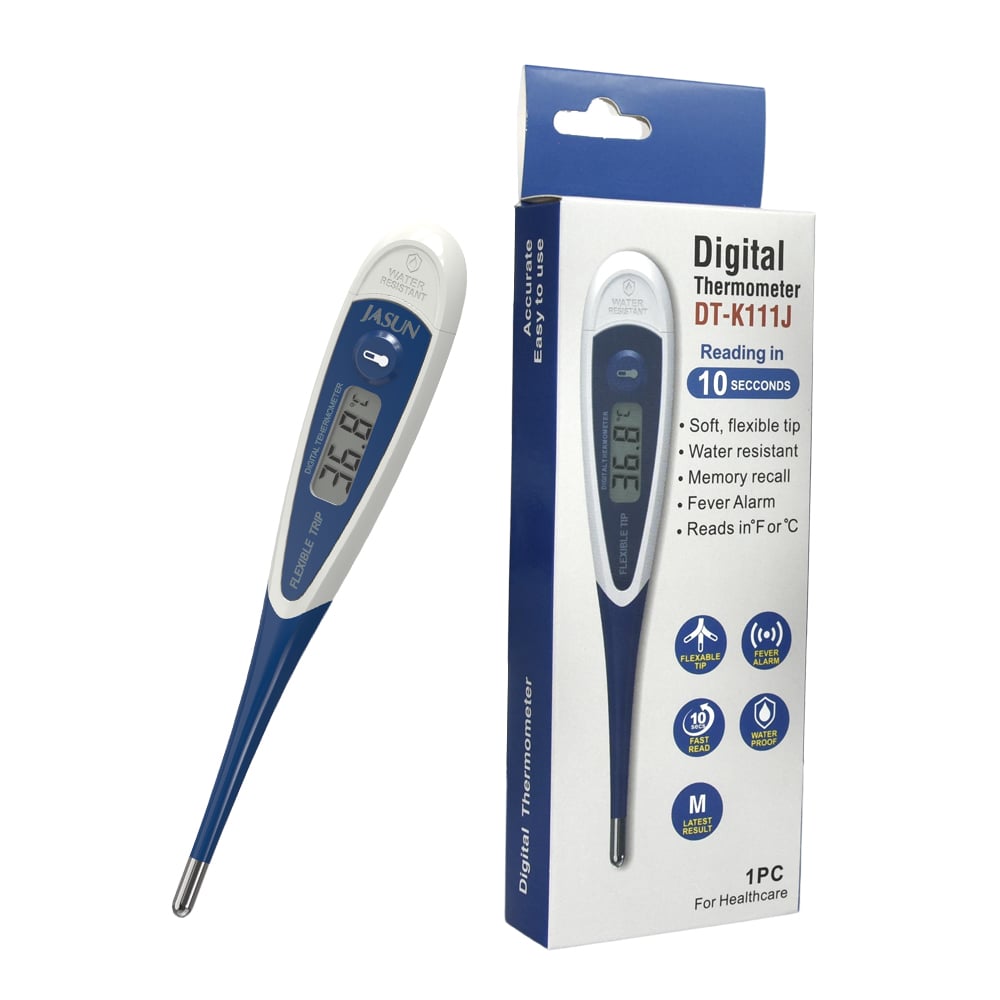
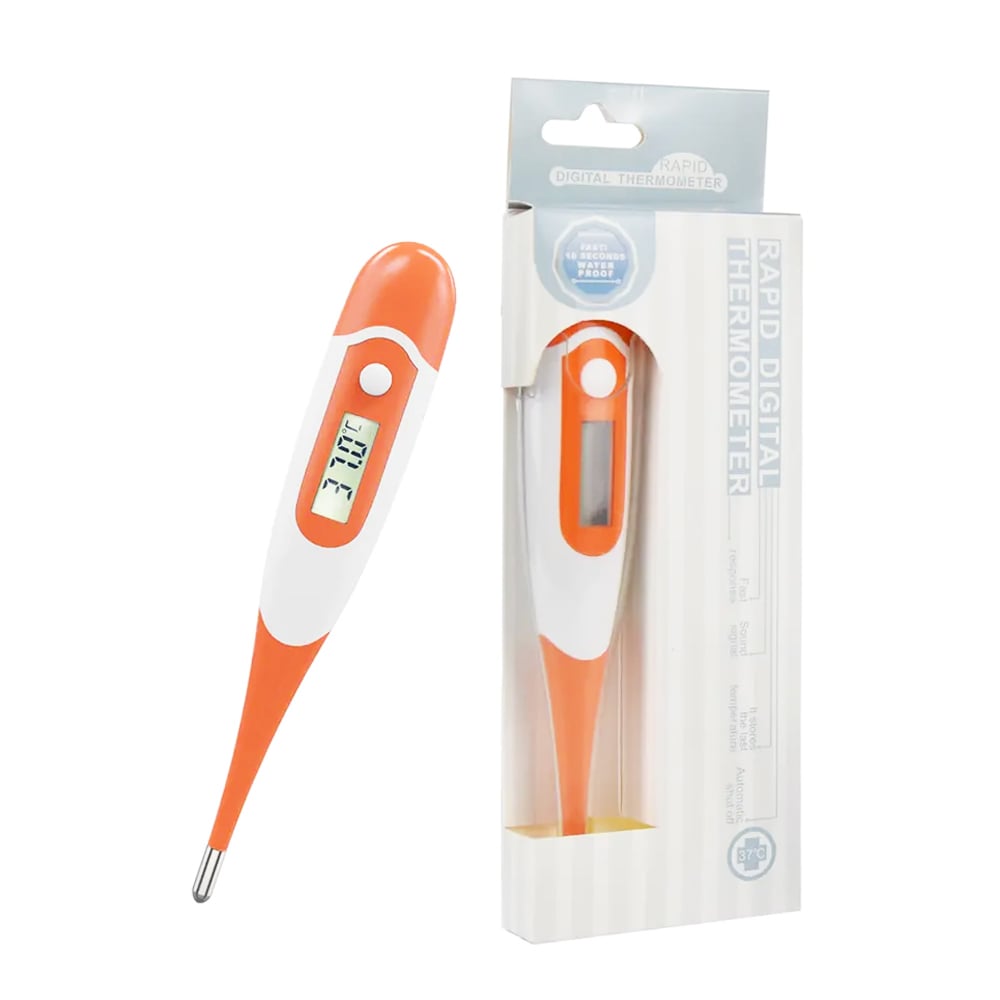
Pediatric Care: Digital thermometers designed specifically for children often feature softer tips and faster readings, making them more comfortable for young patients. They are essential in pediatric practices for monitoring fevers
Emergency Services: First responders utilize digital thermometers to assess patients’ temperatures quickly in emergency situations. Their portability and ease of use make them ideal for on-the-go assessments
Research and Clinical Trials: In medical research, accurate temperature measurements are critical. Digital thermometers are employed in various studies to ensure consistent and reliable data collection
By understanding the various applications of medical digital thermometer newborn, buyers can select the right models tailored to specific healthcare needs, ensuring optimal patient care and safety
Selecting the right digital medical thermometer involves careful consideration of specifications, potential installation issues, and supplier reliability. By following the guidelines outlined, purchasing managers and distributors can make informed decisions that enhance patient care and meet regulatory standards
JASUN is a registered trademark of Hangzhou Hua'an Medical & Health Instruments Co.,Ltd. Your first option for premium thermometer suppliers in China with CE, MDR, ISO13485:2003, FDA and BSCI certificates.
Our location: Building 2,1# Fuzhu Nan RD, Wuchang Town, Yuhang District, Hangzhou, Zhejiang 310023, China
HOURS: 8:30AM - 6:00PM
Copyright © Hangzhou Hua'an Medical & Health Instruments Co.,Ltd. All Rights Reserved Blog Privacy Policy
 EN