
Digital medical thermometers are essential devices used to measure body temperature accurately and quickly. As a B2B buyer, you may be concerned about accuracy, reliability, and regulatory compliance when sourcing these products for healthcare applications. This article aims to guide you through the purchasing process, highlight key specifications, and address common issues while ensuring you find the right digital medical thermometer for your needs.
When purchasing digital medical thermometers in bulk, there are several critical factors to consider. First, identify the target market—whether you are supplying hospitals, clinics, or pharmacies. Understanding the specific requirements of your clients helps tailor your order to their needs.
Next, consider the supplier's certifications and quality assurance processes. Look for manufacturers with CE, ISO13485:2003, and FDA certifications, as these indicate compliance with international standards for medical devices. For instance, Hangzhou Huaan Medical Health Instruments Co., Ltd. holds these certifications, reflecting their commitment to quality and safety.
Additionally, inquire about minimum order quantities (MOQ) and lead times. The MOQ can vary significantly based on the manufacturer and the customization options required, while lead times will depend on production capacity and shipping conditions. Don't hesitate to request samples before placing a large order; this can help confirm product performance and quality. If you are looking for specific types of thermometers, consider exploring options like Digital Blood Pressure Monitors for comprehensive health monitoring.
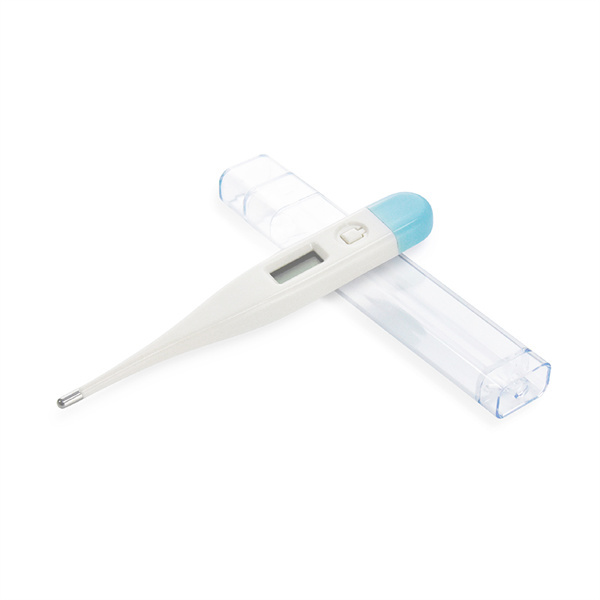
Understanding the key specifications of digital medical thermometers is crucial for making an informed purchasing decision. Here are some essential specifications to consider:
Accuracy: Look for thermometers with a high accuracy rating, typically within ±0.1°C. This ensures reliable readings, which is vital in clinical settings.
Measurement Range: Ensure the thermometer covers the required temperature range, usually from 32°C to 42°C (89.6°F to 107.6°F) for body temperature.
Response Time: A quick response time—ideally within 1 to 5 seconds—can enhance patient throughput, especially in busy healthcare environments.
Display Type: Digital displays should be easy to read, featuring backlighting for use in low-light conditions.
Battery Life: Consider the type and longevity of the battery. Rechargeable options may offer convenience, while disposable batteries can reduce downtime.
Ergonomics and Comfort: The design should ensure comfort for patients, especially in pediatric or elderly care settings. Look for features such as soft tips for oral thermometers.
Durability: Materials used in the thermometers should withstand regular cleaning and disinfection, maintaining their reliability over time.
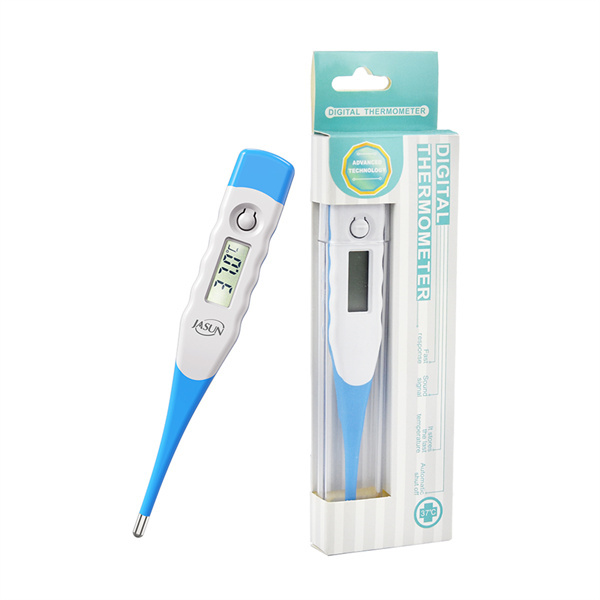
Selecting the right digital thermometer involves understanding your specific application requirements. Here are some steps to guide your decision:
Assess Your Application: Determine where the thermometer will be used—hospital settings, home healthcare, or emergency services. Each environment may demand different features, such as portability or rapid response times.
Evaluate User Needs: Consider the target users—healthcare professionals or patients. Some devices may be more user-friendly for non-professionals.
Customization Options: If branding or specific features are important, discuss customization capabilities with your supplier. Hangzhou Huaan Medical offers full OEM/ODM capabilities, allowing you to tailor the product to meet specific market demands.
Regulatory Compliance: Ensure that the thermometer meets the necessary regulatory standards for your region, such as CE marking in Europe or FDA approval in the United States. This is crucial for legal compliance and product acceptance in healthcare settings.
Budget Considerations: Balance quality and cost. While cheaper models may save money upfront, they may lack essential features or durability, leading to higher costs in the long run.
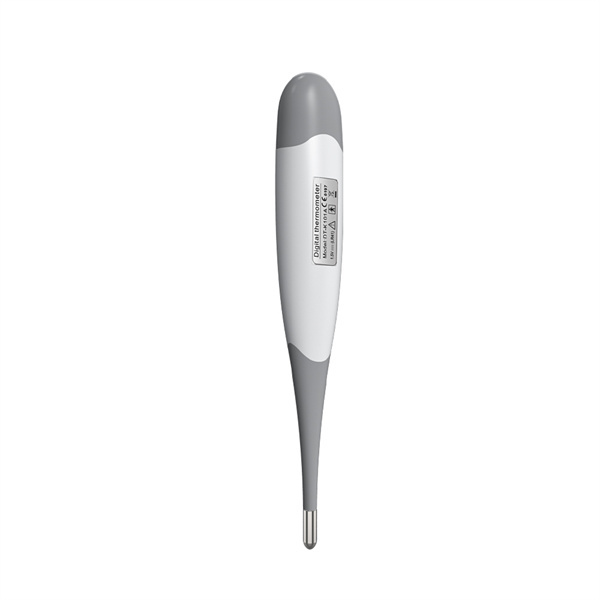
While digital thermometers are generally reliable, several common issues can arise. Here’s how to address them:
Inaccurate Readings: This can occur due to improper placement or calibration errors. It's crucial to provide users with clear instructions on correct usage. Regular calibration and maintenance checks should be part of the quality control process.
Battery Issues: A thermometer may fail to operate if the battery is low. Ensure that buyers are aware of battery life and provide guidance on when to replace them or how to recharge if applicable.
Display Problems: If the display is difficult to read or fails, it may require troubleshooting. Ensure the product specifications include the type of display and any necessary maintenance instructions.
Durability Concerns: In high-use environments, the thermometer may face wear and tear. Choose models made from high-quality, durable materials that can withstand disinfection processes and daily handling.
User Errors: Training and education are key. Providing comprehensive user manuals and training can help minimize errors and enhance user confidence in the product.
Digital medical thermometers play a critical role in various healthcare applications:
Clinical Use: In hospitals and clinics, accurate temperature measurement is essential for diagnosing infections and monitoring patient health. Digital thermometers provide quick and reliable readings, allowing healthcare professionals to make informed decisions.
Home Healthcare: With the rise of telemedicine, digital thermometers are increasingly used in home health settings. Their ease of use and quick response times make them ideal for patient monitoring.
Pediatric Care: Digital thermometers designed for children often feature softer tips and more user-friendly designs, ensuring a comfortable experience for young patients.
Emergency Services: In emergency situations, rapid and accurate temperature readings can be crucial. Digital thermometers that provide fast results are invaluable in triage and pre-hospital care.
Research and Clinical Trials: Digital thermometers are also used in research settings to measure temperature variations among subjects, contributing data for clinical studies. If you are considering them for research purposes, you may also want to look into Manual Blood Pressure Monitors for a more comprehensive health assessment.
By understanding the applications and specifications of digital medical thermometers, B2B buyers can make informed decisions that meet their organizational needs and enhance patient care.
JASUN is a registered trademark of Hangzhou Hua'an Medical & Health Instruments Co.,Ltd. Your first option for premium thermometer suppliers in China with CE, MDR, ISO13485:2003, FDA and BSCI certificates.
Our location: Building 2,1# Fuzhu Nan RD, Wuchang Town, Yuhang District, Hangzhou, Zhejiang 310023, China
HOURS: 8:30AM - 6:00PM
Copyright © Hangzhou Hua'an Medical & Health Instruments Co.,Ltd. All Rights Reserved Blog Privacy Policy
 EN