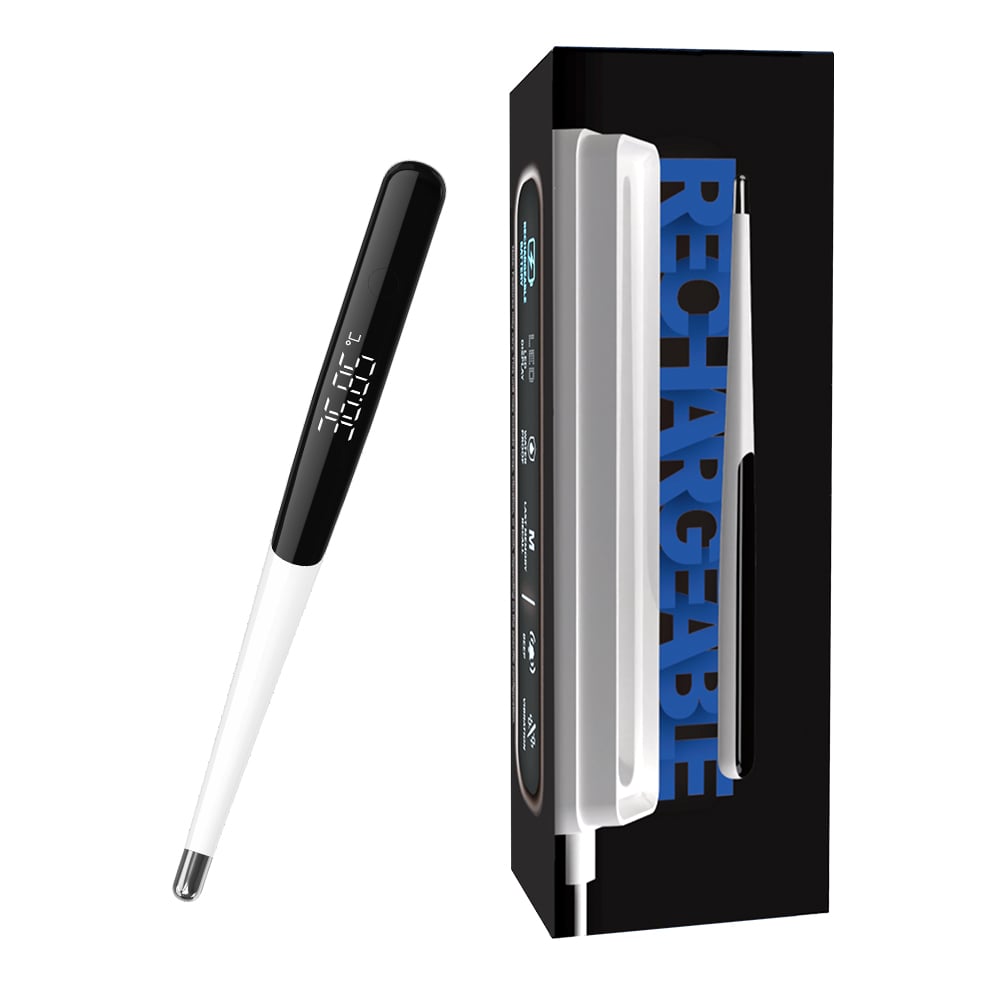
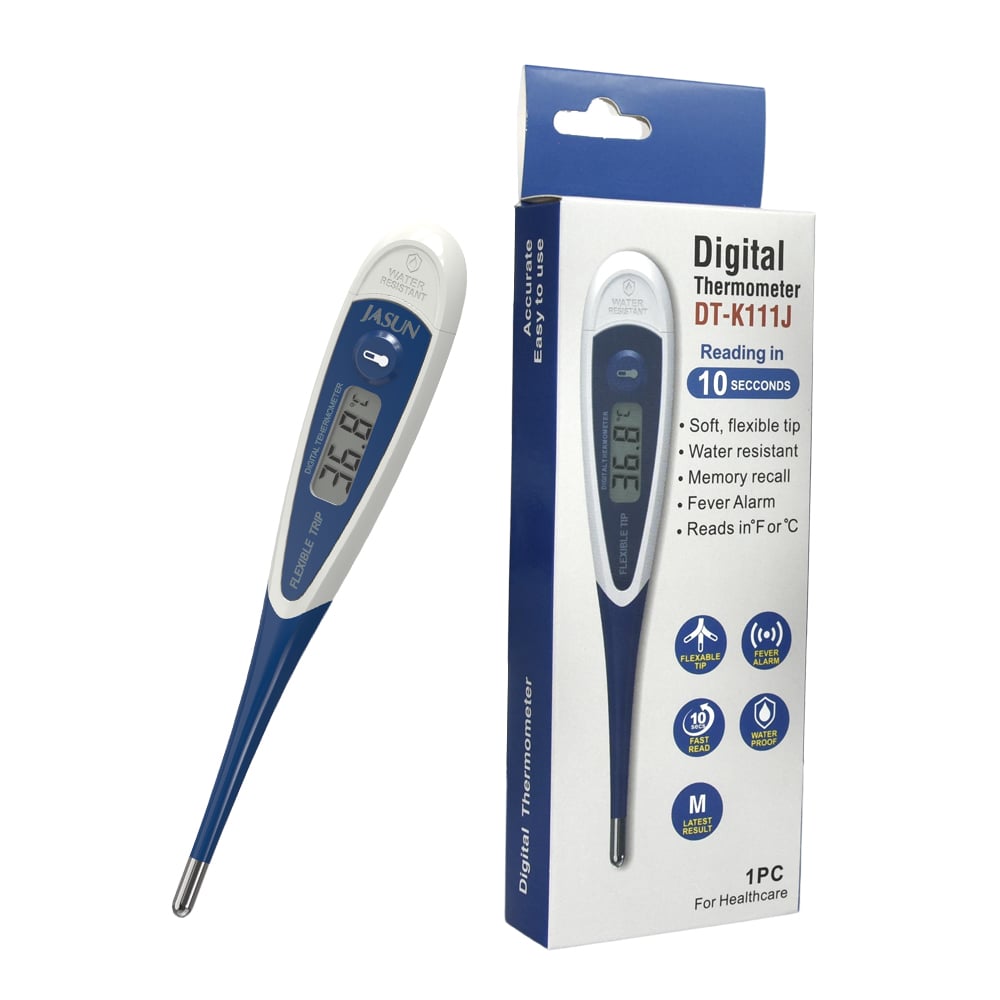
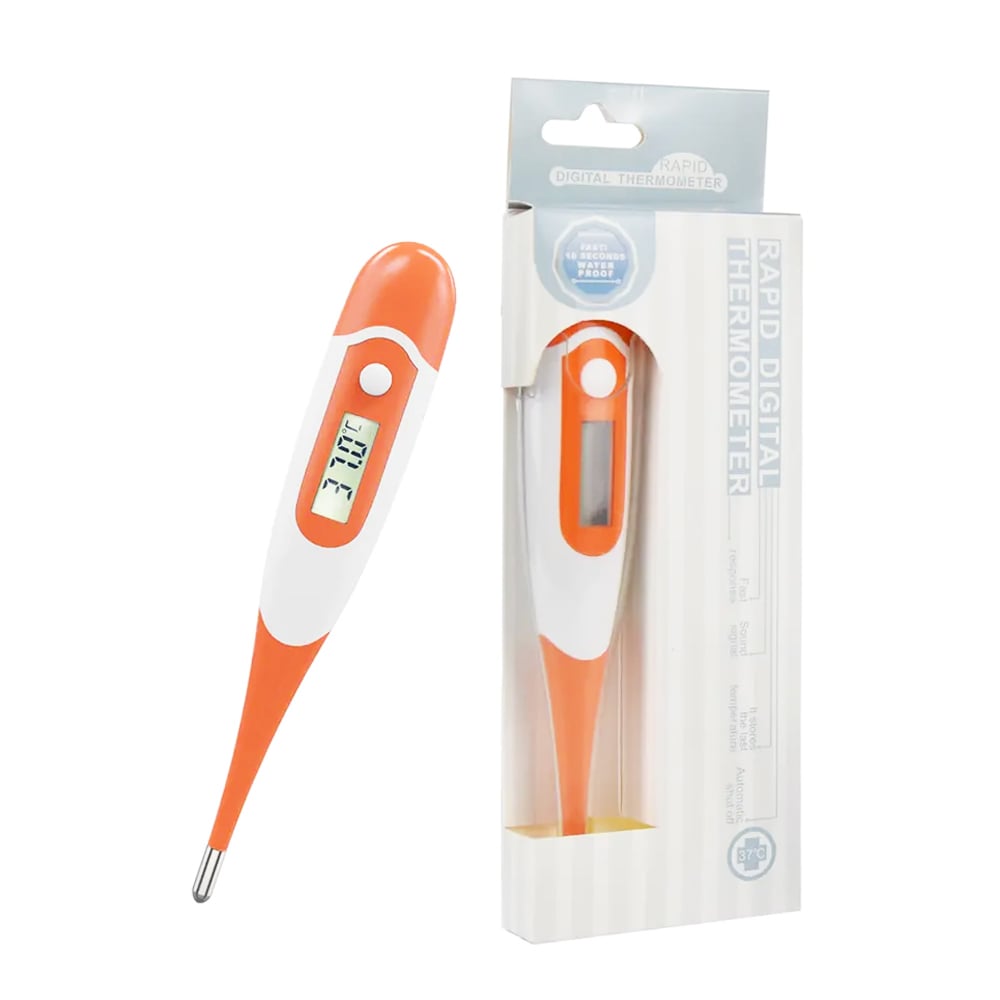
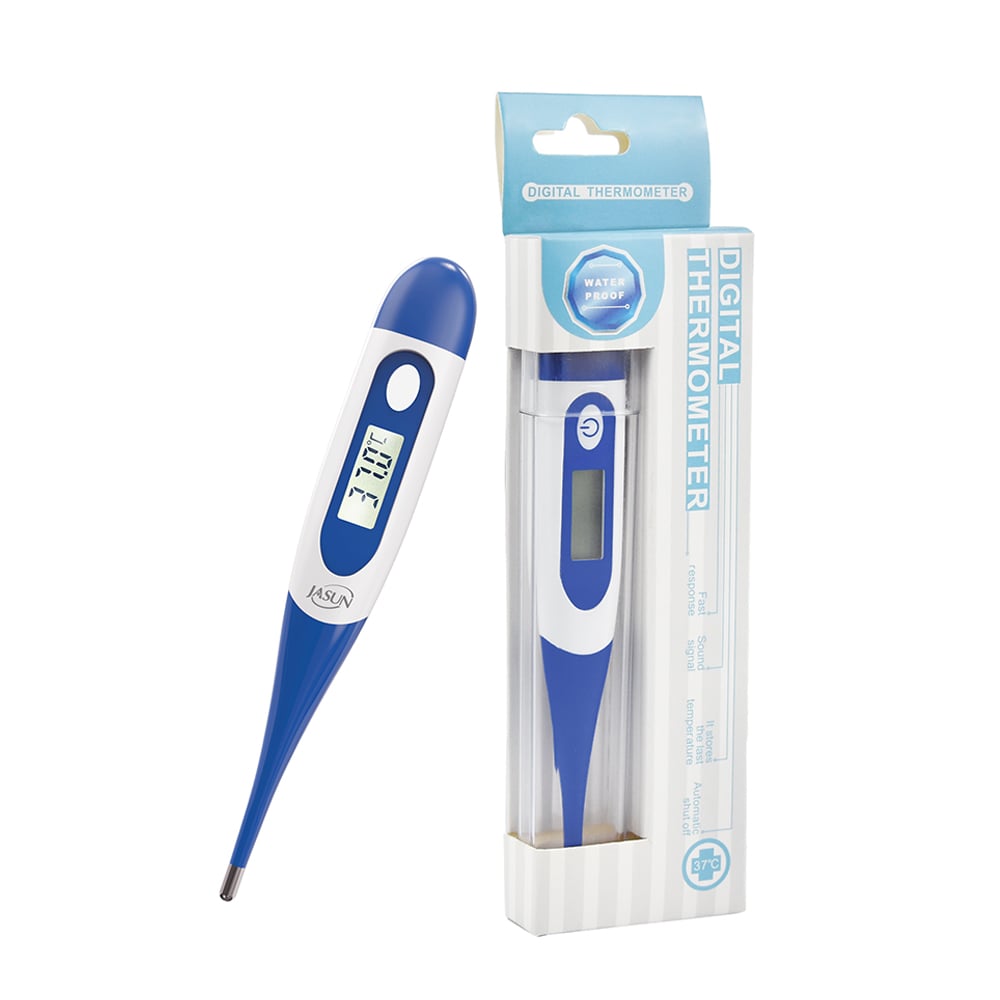
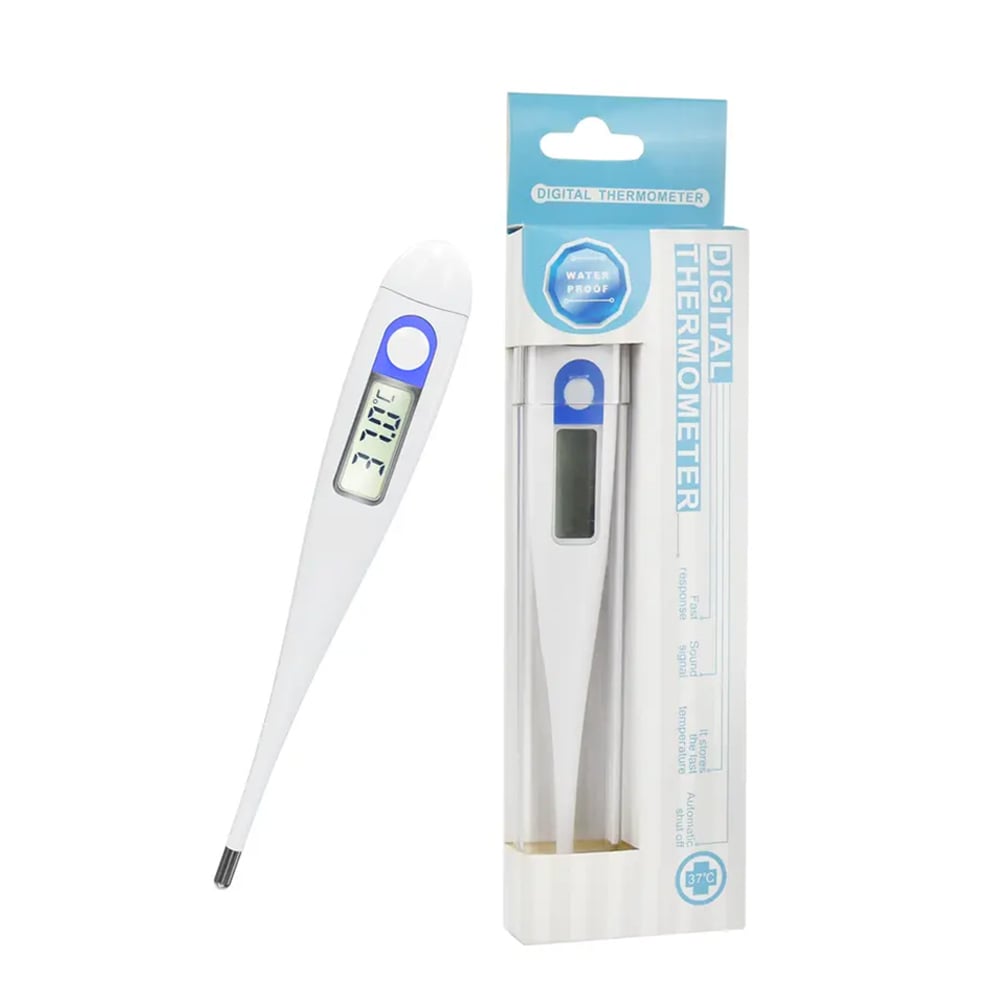
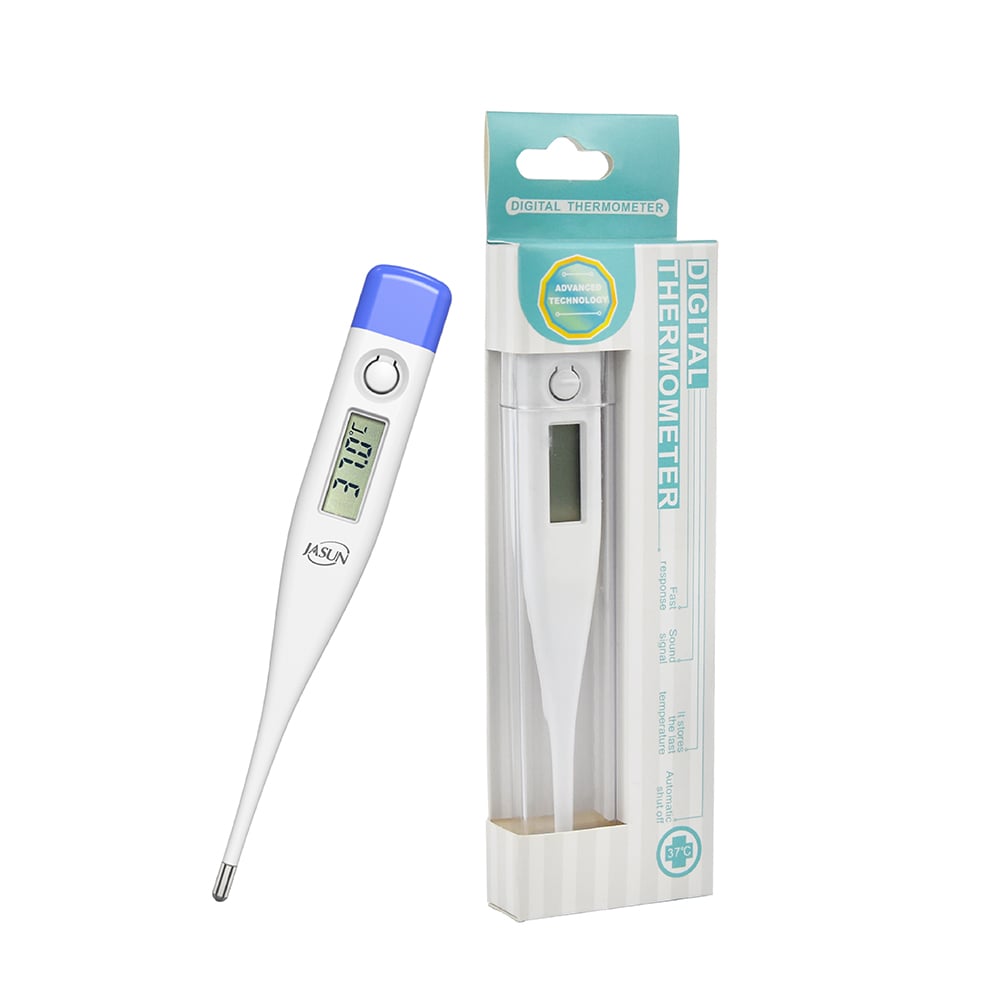
Medical infrared thermometers are essential tools for accurately measuring body temperature without direct contact, making them a crucial asset in healthcare settings, public health monitoring, and various industrial applications. As a B2B buyer, your main concerns likely involve selecting reliable suppliers, understanding pricing structures, and ensuring quality and functionality. This article will address these key considerations, offering insights into sourcing, cost factors, common installation challenges, applications, and the material advantages of infrared thermometer.
When searching for dependable suppliers of medical infrared thermometers, it’s vital to consider several factors. Start by assessing the supplier's experience in the industry. Established manufacturers like Hangzhou Huaan Medical Health Instruments Co., Ltd., which has been in operation since 1997, often have proven track records of delivering quality products.
Additionally, verify their certifications, such as CE, ISO13485:2003, and FDA approvals, which indicate compliance with international safety and quality standards. A supplier's capacity for customization (OEM/ODM capabilities) is also important; it allows for tailored solutions that meet specific operational needs. Finally, consider suppliers that offer comprehensive customer support, including technical guidance and after-sales service, which can be invaluable when dealing with complex medical equipment.
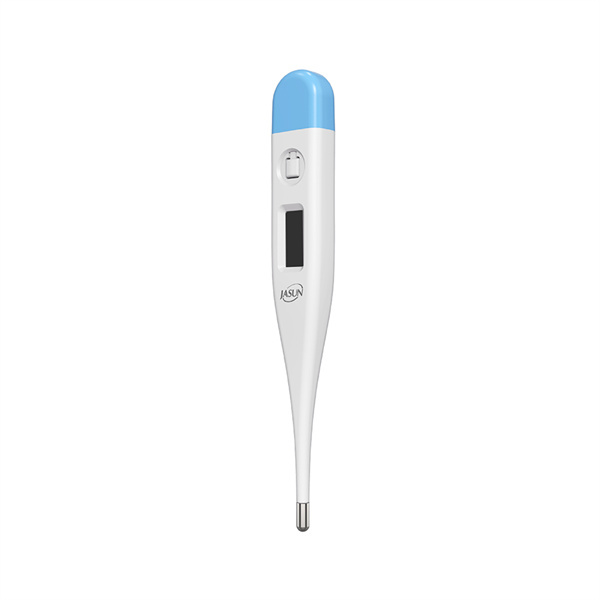
Pricing for medical infrared thermometers can vary significantly based on multiple factors. Key cost considerations include:
Volume of Order: Bulk orders typically benefit from reduced per-unit pricing. However, minimum order quantities (MOQs) may apply, which can affect pricing if you're not prepared to meet them.
Customization Needs: Additional features or customizations will also impact cost. For instance, if specific software integration or unique packaging is required, this can raise the overall expenditure.
Material Selection and Manufacturing Process: The materials used in digital infrared thermometer construction—such as plastics, metals, or specialized sensors—can influence both cost and quality. High-quality components often come at a premium but enhance durability and accuracy.
Lead Time: Faster production schedules may incur extra costs. Therefore, balancing your timeline with budget constraints is essential when placing orders.
Understanding these factors can help you negotiate better terms and ensure you’re getting a fair price for the quality of the thermometers you require.
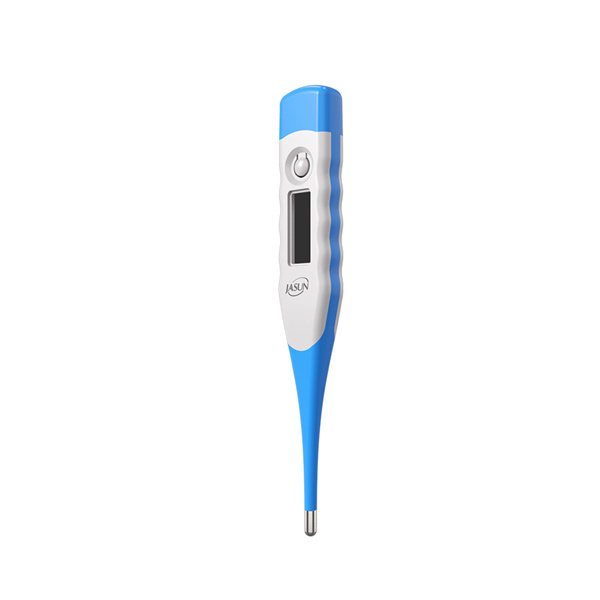
While Hangzhou Huaan medical infrared thermometers are generally user-friendly, several common installation challenges can arise:
Calibration Issues: Ensuring that the thermometers are calibrated correctly is crucial for accurate readings. Before installation, verify that calibration protocols are established and that the devices are tested under actual operating conditions.
Environmental Factors: Infrared thermometers can be sensitive to their environment. Factors such as ambient temperature, humidity, and direct sunlight can affect performance. To mitigate this, installation locations should be chosen to minimize these influences.
User Training: Proper use of infrared thermometers is essential for accurate measurements. Providing training for staff on how to operate the device effectively can prevent misuse and inaccurate readings.
Addressing these challenges proactively can help ensure smooth implementation and optimal performance of your medical infrared thermometers.
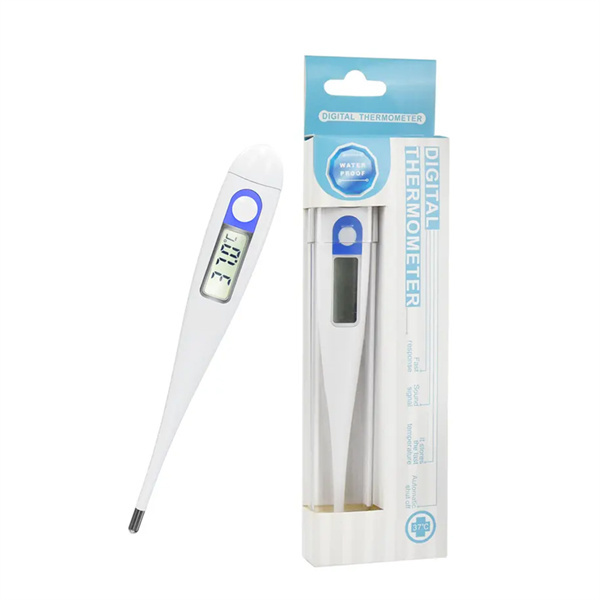
Medical infrared thermometers have a wide range of applications across different sectors. In healthcare, they are primarily used for non-contact temperature screening, which is particularly useful in emergency rooms, clinics, and during pandemics. These devices allow for quick assessments, enhancing patient throughput without compromising safety.
In industrial settings, infrared thermometers are used for monitoring equipment temperatures, ensuring safe operating conditions, and preventing overheating. This can be crucial in manufacturing processes where thermal limits must be maintained.
Additionally, they are gaining traction in educational institutions and public spaces for routine health checks, especially in managing outbreaks of infectious diseases. The versatility of these devices makes them invaluable in diverse applications, highlighting their importance in modern health and safety protocols.
The materials used in the construction of medical infrared thermometers significantly influence their performance, durability, and user experience. At Hangzhou Huaan Medical Health Instruments Co., Ltd., we utilize high-quality materials that ensure reliability and accuracy.
Body Composition: The outer casing is typically made from durable plastics that can withstand frequent use while being lightweight for ease of handling. This not only protects internal components but also enhances portability.
Sensor Technology: High-precision infrared sensors are a critical component, allowing for rapid and accurate temperature readings. The choice of sensor material affects sensitivity and response time, which are vital for medical applications.
Surface Treatments: Some thermometers may have anti-microbial coatings to reduce the risk of cross-contamination, making them safer for frequent use in clinical environments.
Understanding these material advantages helps buyers appreciate how they contribute to the overall performance and reliability of medical infrared thermometer, ensuring that the selected devices meet the required standards for quality and safety.
By considering these factors and leveraging insights about supplier reliability, cost structures, installation challenges, application versatility, and material benefits, B2B buyers can make informed decisions when procuring medical infrared thermometers.
JASUN is a registered trademark of Hangzhou Hua'an Medical & Health Instruments Co.,Ltd. Your first option for premium thermometer suppliers in China with CE, MDR, ISO13485:2003, FDA and BSCI certificates.
Our location: Building 2,1# Fuzhu Nan RD, Wuchang Town, Yuhang District, Hangzhou, Zhejiang 310023, China
HOURS: 8:30AM - 6:00PM
Copyright © Hangzhou Hua'an Medical & Health Instruments Co.,Ltd. All Rights Reserved Blog Privacy Policy
 EN