
Medical forehead thermometers are essential tools in today's healthcare landscape, allowing for quick and non-invasive temperature measurement. As a B2B buyer, you may have concerns regarding accuracy, comfort for patients, and the durability of these devices. This article will elucidate key factors to consider when selecting medical forehead thermometers, providing actionable insights to help you make informed purchasing decisions.
Selecting the appropriate medical forehead thermometer involves understanding your specific requirements. Key specifications include measurement accuracy, response time, and comfort level for the patient. A thermometer with a response time of one second or less is ideal for high-traffic healthcare environments, as it minimizes patient wait times.
Additionally, consider the measurement range and whether the device can accommodate both adult and pediatric use. Many forehead thermometers utilize infrared technology, which requires calibration to ensure accurate readings. Thus, verifying the manufacturer's calibration processes and their adherence to quality standards, such as ISO13485, is crucial for reliable performance.
Material selection is another vital aspect. High-quality thermometers are often made with durable, hypoallergenic plastics that offer comfort during use. This can significantly enhance the patient experience, especially in pediatric settings. Be sure to confirm that the thermometer meets relevant safety certifications, such as CE and FDA, which indicate compliance with international health standards.
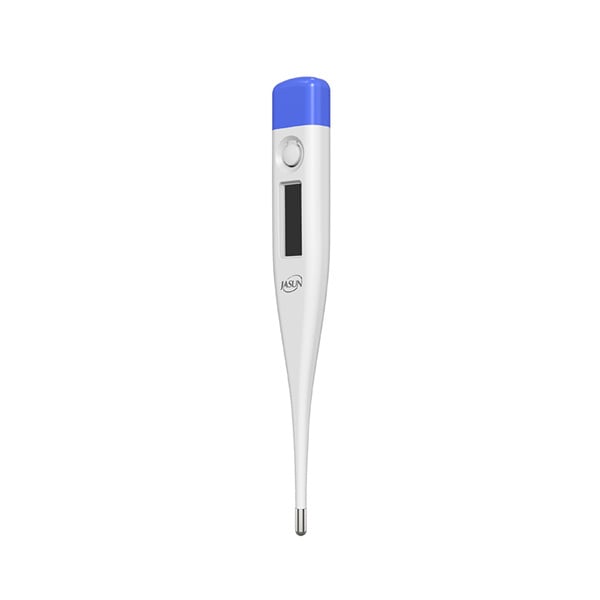
When purchasing medical forehead thermometers wholesale, there are several factors to keep in mind. First, establish your target quantity, as many manufacturers, including Hangzhou Huaan Medical Health Instruments Co., Ltd., have minimum order quantities (MOQ) that can affect pricing and lead times. Understanding the MOQ can help in negotiating better terms and pricing with suppliers.
Second, ensure you request product samples before committing to a larger order. Evaluating a sample allows you to assess the thermometer's design, functionality, and overall quality firsthand. This step is crucial to detect any potential issues before mass production.
Third, consider the customization capabilities of the manufacturer. Custom branding, packaging options, and specific features tailored to your target market can provide a competitive edge. Discussing these options upfront will help streamline the ordering process and ensure that the final product aligns with your brand image.
Lastly, engage in thorough communication with suppliers regarding lead times. Understanding production schedules and shipping timelines is essential to avoid stock shortages, particularly in high-demand periods such as flu season or during public health emergencies.
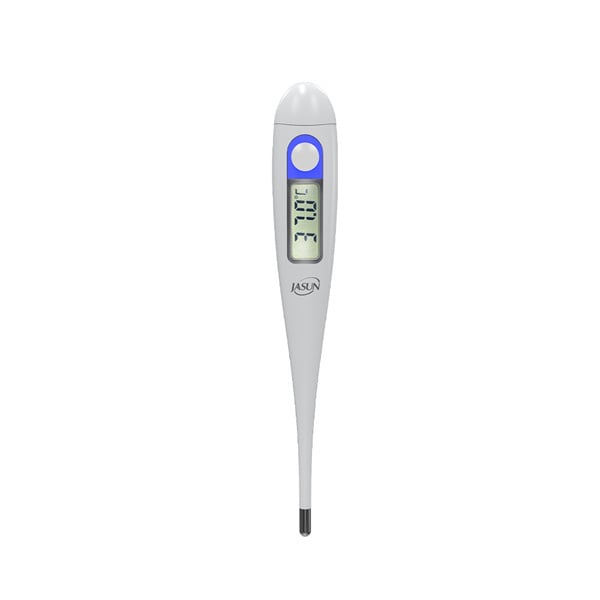
The cost of medical forehead thermometer can vary significantly based on several factors. These include the technology used (infrared vs. contact thermometers), additional features (such as Bluetooth connectivity), and overall build quality. It is essential to analyze how these factors impact your budget and the expected return on investment.
Additionally, consider the total cost of ownership, which includes not just the purchase price but also maintenance, calibration, and replacement costs over time. For instance, thermometers that require regular calibration may incur additional costs, so it is important to factor this into your purchasing decision.
When evaluating suppliers, compare their pricing structures and payment terms. Some manufacturers may offer volume discounts or flexible payment options, which can be advantageous for businesses looking to manage cash flow effectively.
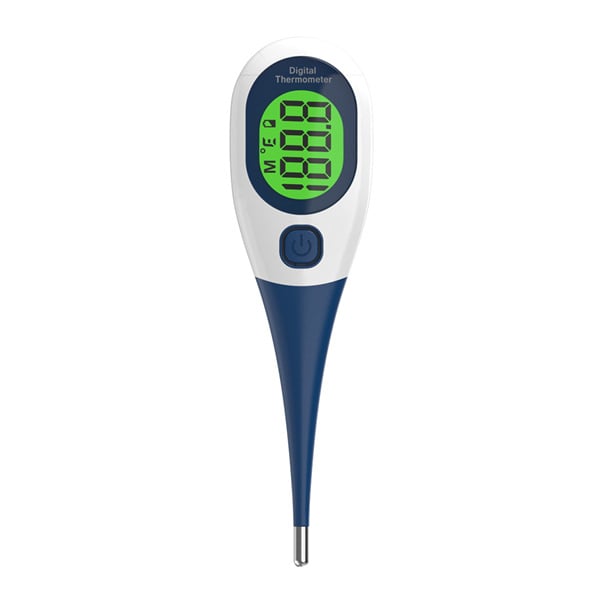
Finding a reliable supplier for medical forehead thermometers involves researching manufacturers with a strong reputation in the industry. Look for companies that have established certifications, such as CE, FDA, and ISO13485, which indicate adherence to strict quality and safety standards.
Engaging with industry networks, trade shows, and online marketplaces can also yield valuable insights into potential suppliers. Reading reviews and testimonials from other B2B buyers can provide further assurance of a supplier's reliability and product quality.
Additionally, consider suppliers with proven experience in exporting to your target market. Understanding their logistics capabilities and shipping practices is crucial for ensuring timely delivery and compliance with local regulations.
Despite their advantages, medical forehead thermometers can encounter common issues that buyers should be aware of. One frequent problem is inaccurate readings, which can stem from improper calibration or environmental factors such as ambient temperature. To mitigate this risk, ensure that your chosen supplier has robust quality control processes in place, including routine testing and calibration of their devices.
Another potential issue is user error. Educating staff on proper usage techniques is essential for maintaining accuracy. Providing training materials or sessions can help reduce the likelihood of misreadings, especially in fast-paced clinical environments.
Lastly, consider the durability of the thermometer. Devices that are frequently dropped or exposed to harsh cleaning chemicals may wear out more quickly. Selecting models made from high-quality materials can enhance longevity and reduce replacement costs.
By understanding these common challenges and working closely with a reputable supplier, you can minimize risks and enhance the effectiveness of your temperature measurement solutions.
Making informed decisions regarding digital forehead thermometer involves careful consideration of specifications, supplier reliability, and cost factors. By following the insights outlined, you can enhance your purchasing strategy, ensuring that your organization meets its temperature monitoring needs effectively and reliably.
JASUN is a registered trademark of Hangzhou Hua'an Medical & Health Instruments Co.,Ltd. Your first option for premium thermometer suppliers in China with CE, MDR, ISO13485:2003, FDA and BSCI certificates.
Our location: Building 2,1# Fuzhu Nan RD, Wuchang Town, Yuhang District, Hangzhou, Zhejiang 310023, China
HOURS: 8:30AM - 6:00PM
Copyright © Hangzhou Hua'an Medical & Health Instruments Co.,Ltd. All Rights Reserved Blog Privacy Policy
 EN

