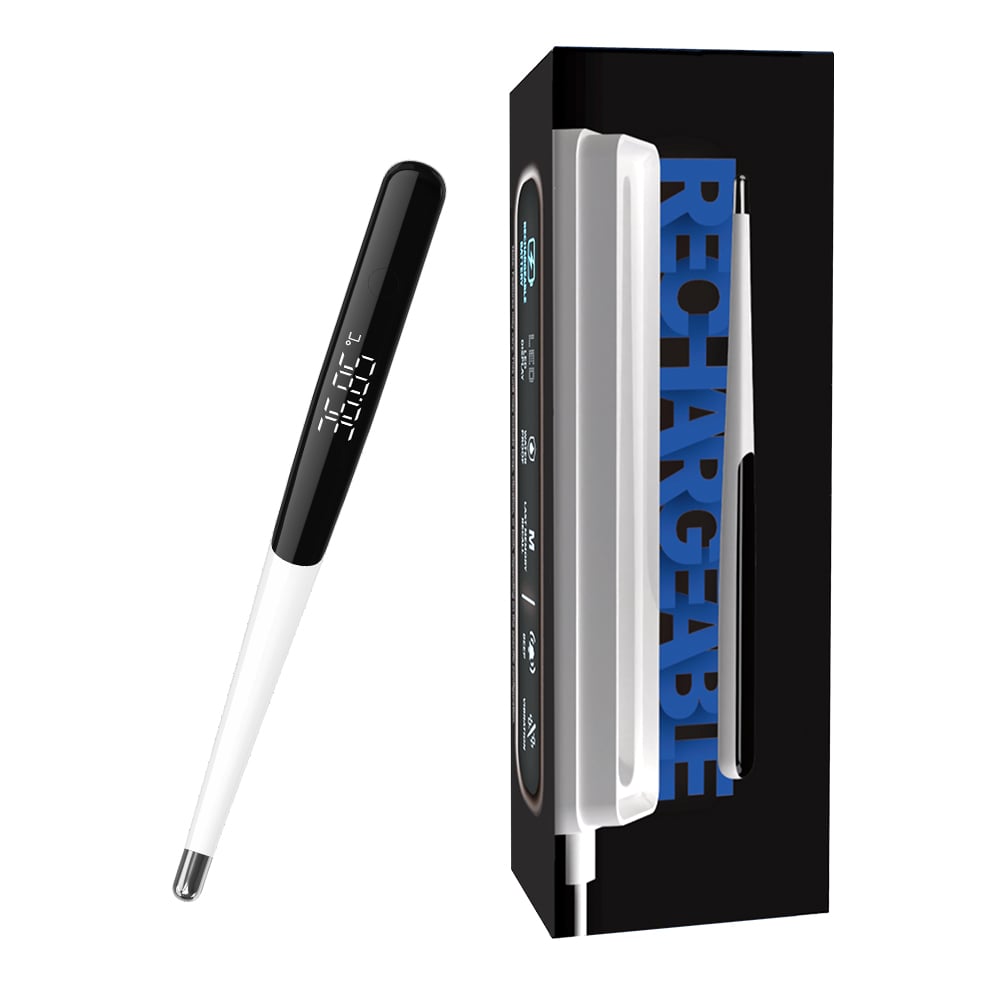
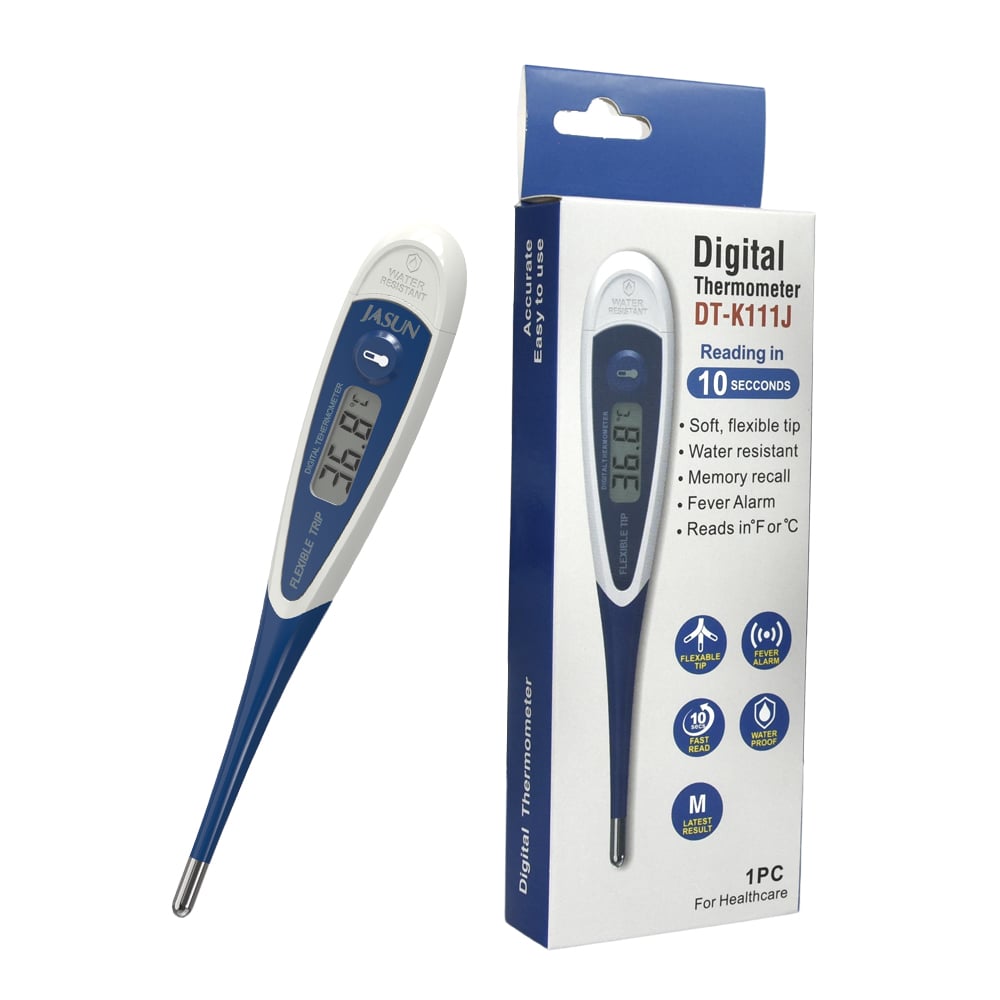
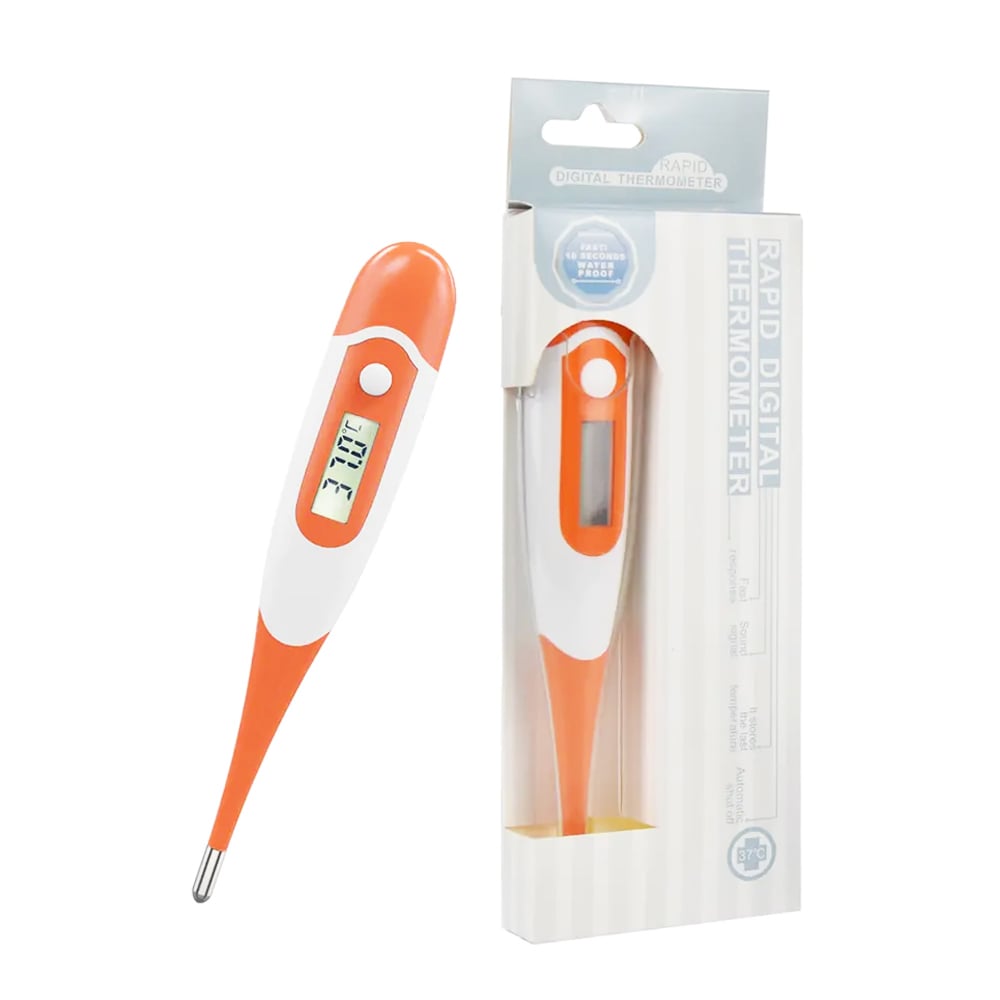
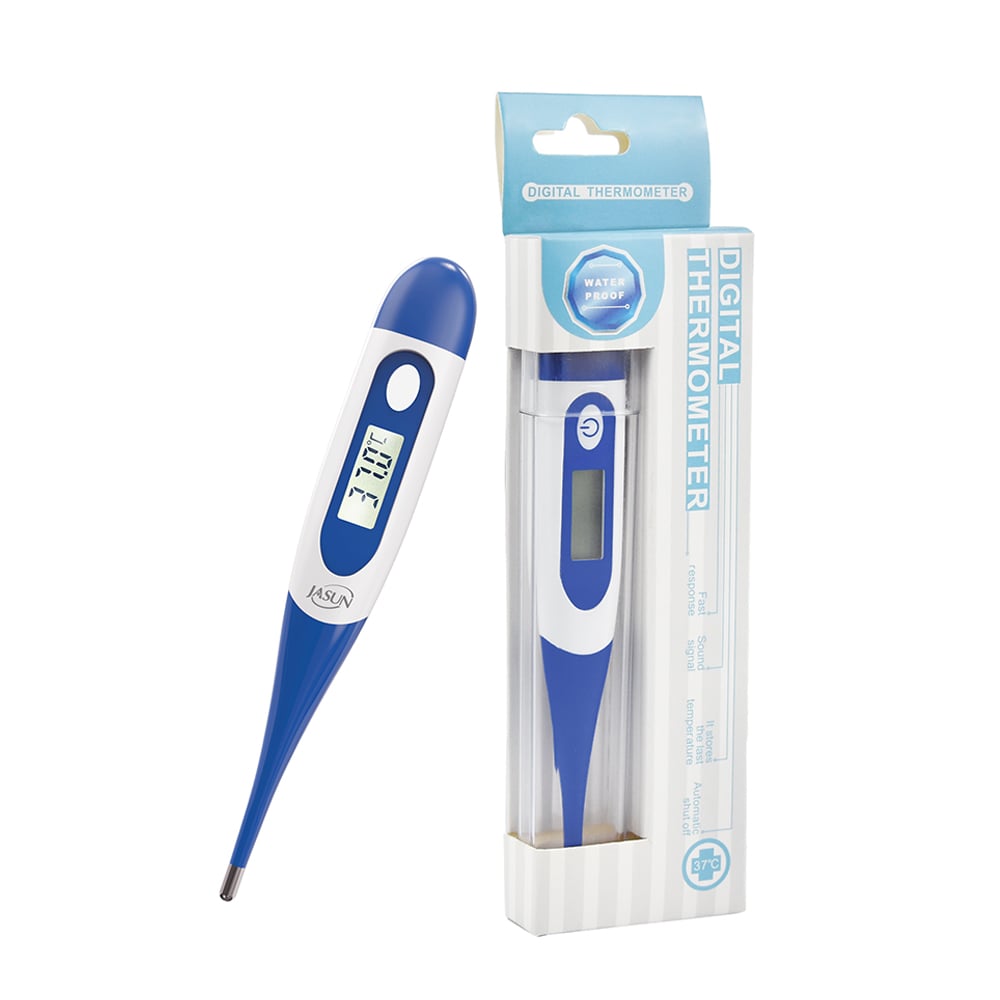
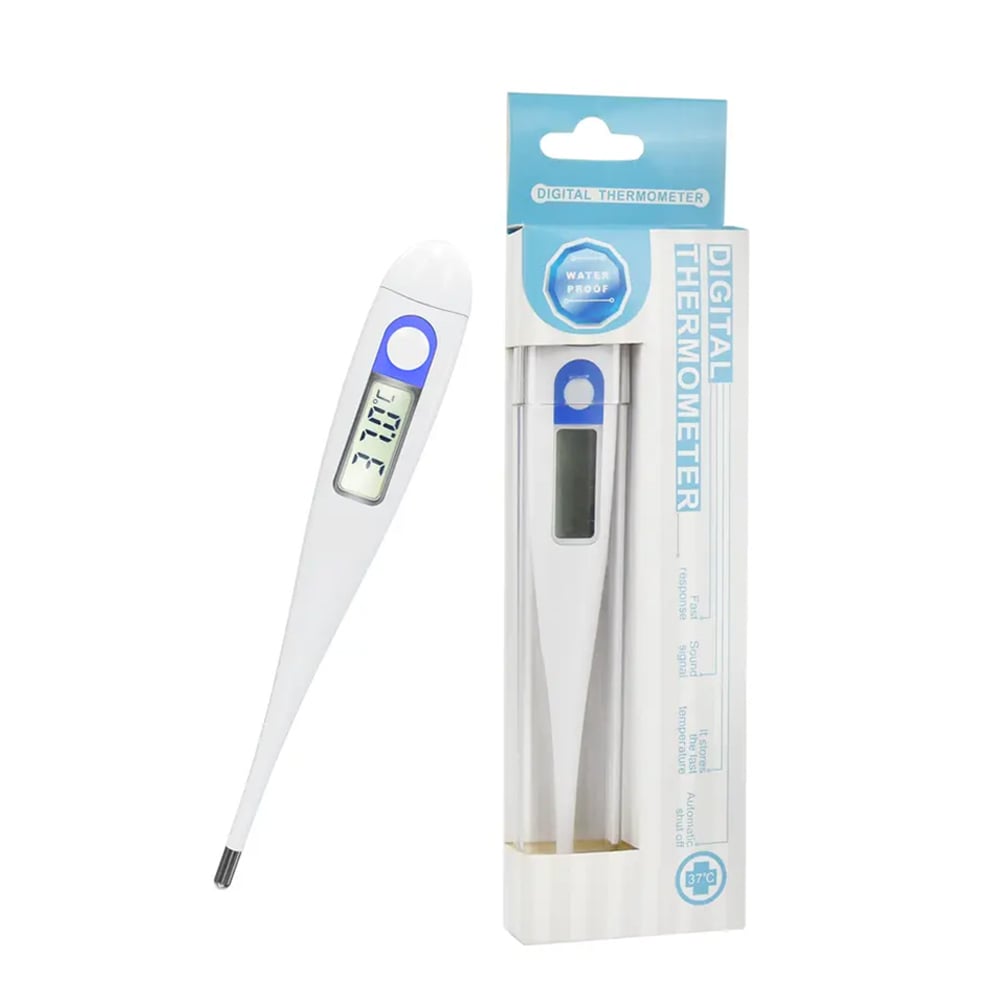
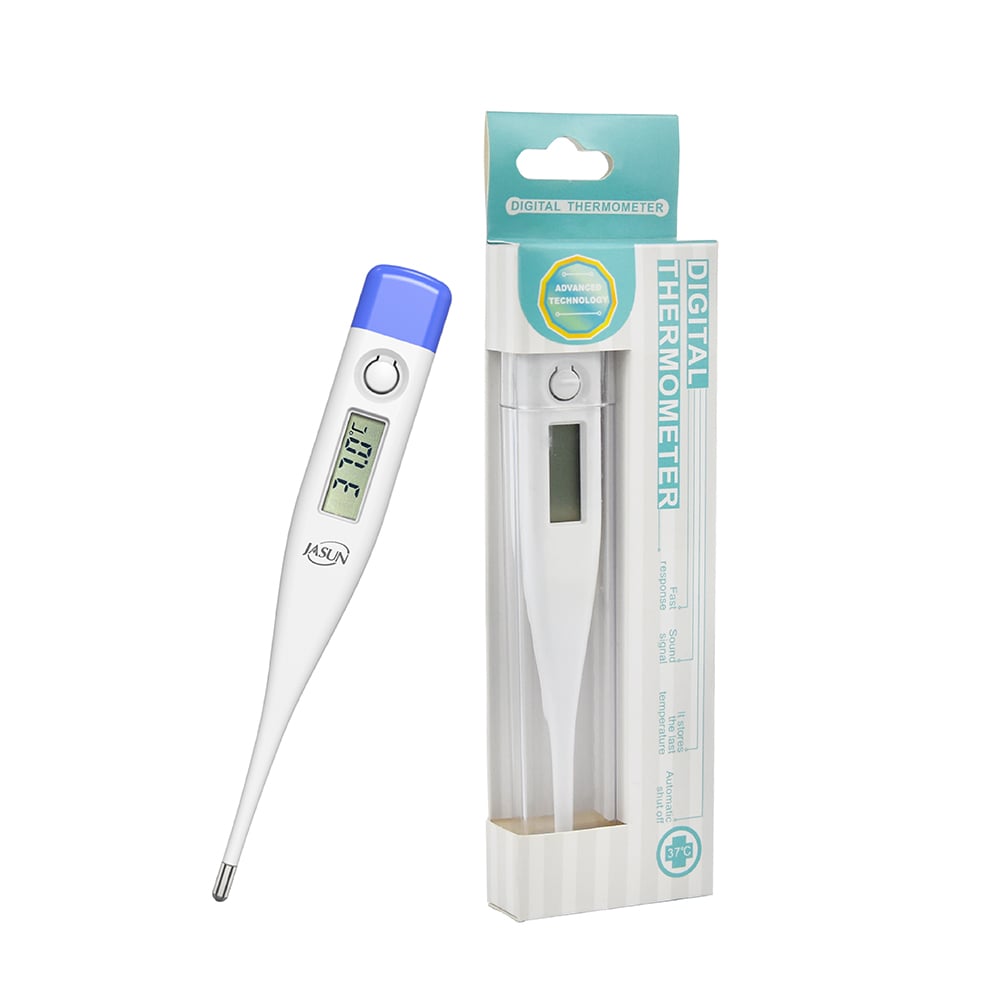
Understanding and sourcing IR forehead thermometers is crucial for businesses in the healthcare and wellness sectors. These devices provide quick and accurate temperature readings, which are essential for monitoring health in various settings, including hospitals, clinics, and retail environments. This article will address key specifications, purchasing tips, installation challenges, cost factors, and material advantages associated with IR forehead thermometers, helping B2B buyers make informed decisions.
When evaluating IR forehead thermometers, several specifications are pivotal for ensuring accuracy and reliability. First, consider the measurement range, which typically spans from 32°C to 42.9°C (89.6°F to 109.2°F). A wider range can accommodate various applications, from clinical settings to personal use.
Next, the response time is crucial. High-quality thermometers can deliver readings in under a second, which is beneficial in busy environments. Additionally, review the accuracy specification, often stated as ±0.2°C. This precision is critical for healthcare applications to avoid misdiagnosis. Another important specification is the distance-to-spot ratio. A ratio of 12:1 is common, meaning that at a distance of 12 inches, the gallium thermometer can measure a 1-inch spot size. This ratio affects the accuracy of readings taken from a distance, which is useful in minimizing contact, especially in clinical settings. Lastly, ensure that the devices have user-friendly features such as backlit displays, audible alerts, and memory storage for previous readings. These aspects enhance usability and efficiency in various applications.
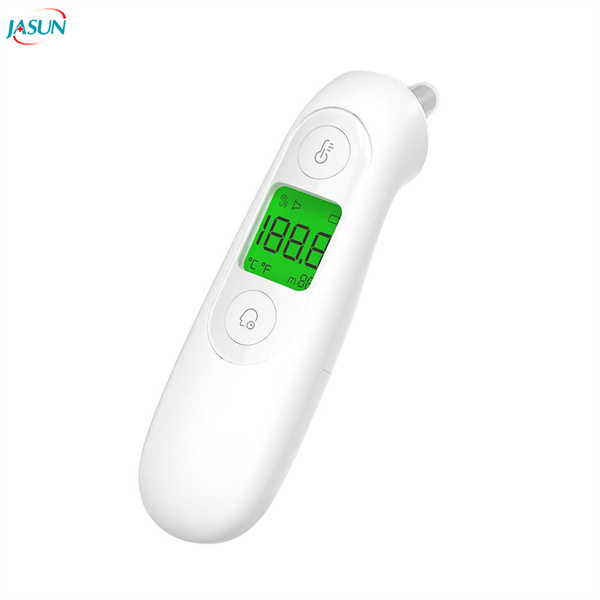
When purchasing IR forehead thermometers in bulk, several factors should be considered to ensure a smooth procurement process. Start by confirming your minimum order quantity (MOQ) with the supplier, as this can vary significantly between manufacturers. Knowing the MOQ helps in budgeting and planning your inventory needs. In addition, seek out suppliers who offer OEM/ODM capabilities. This allows you to customize features such as branding, packaging, and even specific functionalities tailored to your target market. Customization can greatly enhance your product's appeal in a competitive landscape. Request samples before placing a bulk order. Testing samples under actual operating conditions can help identify any potential issues with accuracy, usability, or durability. This step is essential for avoiding costly mistakes later in the purchasing process. Lastly, inquire about lead times and delivery logistics. Understanding the timeline for production and shipping is crucial to ensure you have inventory on hand when needed, especially in high-demand periods.
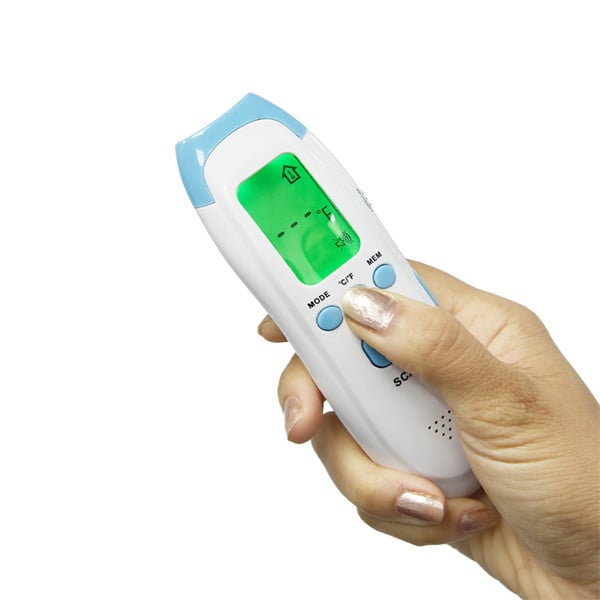
While IR forehead thermometers are straightforward devices, installation can present challenges that buyers should be aware of. One common issue is improper alignment. For optimal accuracy, the thermometer should be held at the correct distance from the forehead, typically about 1 to 5 cm. Ensure that the installation area is well-lit and free of obstructions that could affect the reading. Another challenge is temperature calibration. Many thermometers require calibration to maintain accuracy over time. Buyers should verify that the supplier provides clear instructions for calibration and maintenance. Regular checks should be scheduled to ensure continued accuracy, particularly in environments where temperature readings are critical. Additionally, consider the power source for the instant read thermometer. Battery-operated models may require more frequent battery replacements, while plug-in versions might need specific installation considerations. Ensure that your purchasing decision aligns with the maintenance capabilities of your team.
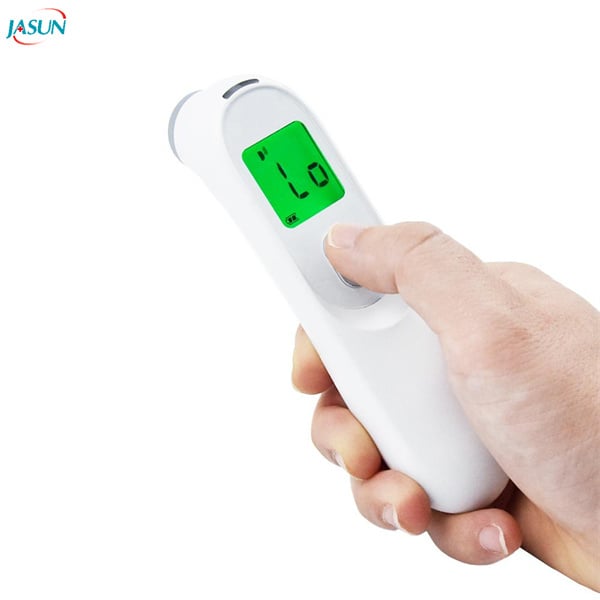
The pricing of IR forehead thermometers can vary based on several factors. First, the quality of materials used in construction plays a significant role. High-quality thermometers may use more durable plastics and advanced sensor technologies, resulting in higher upfront costs but potentially lower long-term expenses due to greater longevity and reliability. Volume discounts are another important consideration. Purchasing in bulk often leads to reduced unit prices, allowing businesses to achieve cost savings. It’s advisable to discuss pricing structures with suppliers to identify potential savings based on order size. Certifications can also influence cost. digital thermometer for infants that meet international standards such as CE, FDA, or ISO13485:2003 may have higher prices due to the rigorous testing and quality assurance processes they undergo. However, these certifications can enhance buyer confidence and ensure compliance with regulatory requirements. Finally, consider the warranty and support offered by the manufacturer. A longer warranty often indicates a commitment to quality, which may justify a higher initial investment.
The materials used in IR forehead thermometers are vital to their performance and durability. High-quality thermometers typically feature medical-grade plastics that resist impact and are easy to clean, which is essential in clinical environments where hygiene is paramount. Another material aspect is the sensor technology. Advanced sensors made from high-quality components can provide more reliable readings and faster response times. Thermometers that utilize infrared sensors are particularly sought after for their non-invasive measurement capabilities, adding to user comfort and convenience. Moreover, consider the ergonomics of the device. A well-designed thermometer will be lightweight and easy to handle minimizing user fatigue during prolonged use. Materials that contribute to a comfortable grip can enhance the user experience, especially in high-traffic environments like hospitals. In summary, understanding the material composition of IR forehead thermometers can directly impact their performance, longevity, and user satisfaction, making it a crucial factor for B2B buyers to consider.
JASUN is a registered trademark of Hangzhou Hua'an Medical & Health Instruments Co.,Ltd. Your first option for premium thermometer suppliers in China with CE, MDR, ISO13485:2003, FDA and BSCI certificates.
Our location: Building 2,1# Fuzhu Nan RD, Wuchang Town, Yuhang District, Hangzhou, Zhejiang 310023, China
HOURS: 8:30AM - 6:00PM
Copyright © Hangzhou Hua'an Medical & Health Instruments Co.,Ltd. All Rights Reserved Blog Privacy Policy
 EN