
An infant infrared thermometer is a vital tool for accurately measuring body temperature in babies and toddlers without physical contact. For B2B buyers like purchasing managers, healthcare distributors, and wholesalers, selecting the right thermometer involves understanding critical specifications, potential issues, and installation guidelines. This article will help you navigate these aspects, ensuring you make informed decisions for your medical or commercial needs.
Selecting the appropriate infant infrared thermometer requires careful consideration of several factors. First, consider the measurement range and accuracy. Most reliable models should be capable of measuring temperatures from around 32°C to 42°C (89.6°F to 107.6°F) with an accuracy of ±0.1°C (±0.2°F). This accuracy is essential in a clinical setting where precise temperature readings can indicate fever or other health conditions.
Next, evaluate the response time of the device. High-quality infrared thermometer typically provide readings in a matter of seconds, minimizing discomfort for both the infant and caregiver. Additionally, look for ergonomic designs that allow for easy handling, especially in busy medical environments.
Customization options are also important. If you're sourcing in bulk, inquire whether the manufacturer can customize the thermometer’s design, packaging, or branding. Hangzhou Huaan Medical Health Instruments Co., Ltd., for instance, offers full OEM/ODM capabilities, allowing you to tailor products to your brand and market requirements.
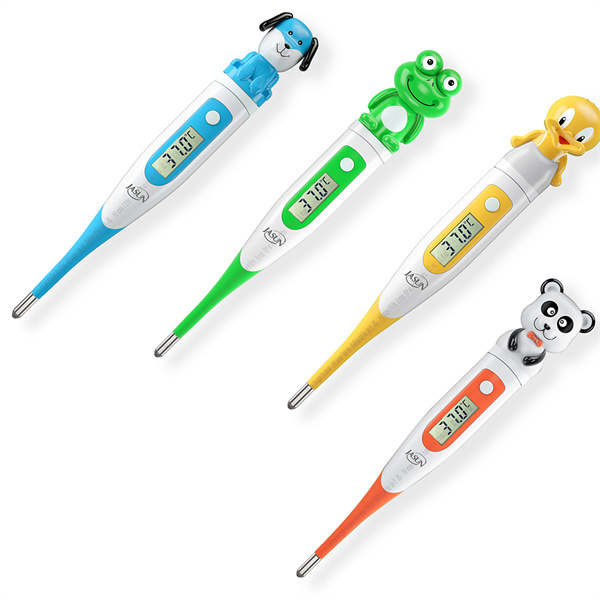
When sourcing infant infrared thermometers in bulk, focus on specifications that directly impact performance and usability. Key specifications include:
Measurement Method: Infrared thermometers can measure the temperature of the forehead or ear. Choose a model that suits your target market's preferences.
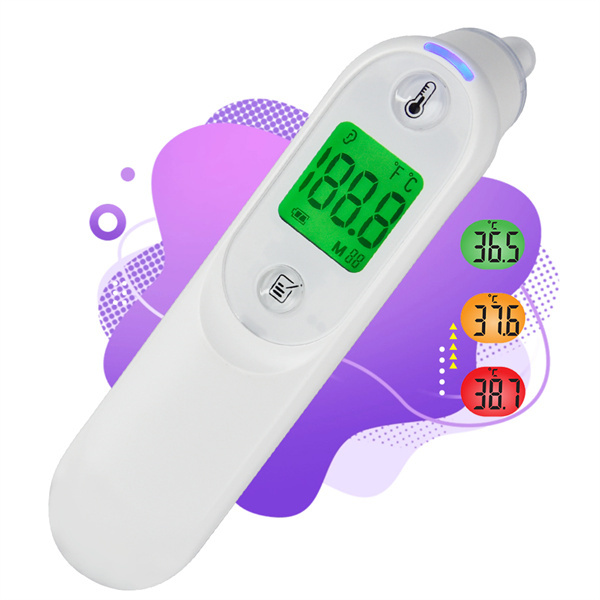
Display: Look for models with large, easy-to-read displays, preferably with backlighting for use in low-light conditions. This infrared thermometer for fever feature enhances usability in various environments, from homes to clinics.
Battery Life: Assess the battery type and expected life. Long-lasting batteries reduce maintenance and operational costs, which is particularly important for bulk purchases.
Material Quality: The thermometer's casing should be made from durable, non-toxic materials that can withstand rigorous use. This affects both the product's longevity and safety.
Certifications: Ensure the thermometers comply with relevant health and safety standards, such as CE, MDR, ISO13485:2003, and FDA certifications. These certifications signify that the product meets international quality and safety requirements.
While infant infrared thermometers are generally reliable, some common issues may arise that buyers should be aware of:
Inconsistent Readings: This may occur if the thermometer is not used correctly. To mitigate this, ensure that users are trained on the proper use, including maintaining the appropriate distance from the forehead or ear.
Environmental Interference: External factors like ambient temperature can affect readings. Recommend that users allow the thermometer to acclimate to the surrounding area before use, and avoid measuring in direct sunlight or drafts.
Calibration Issues: Regular calibration is essential for maintaining accuracy over time. Work with digital infrared thermometer suppliers who offer calibration services or provide guidelines for users to conduct periodic checks.
Battery Failure: Ensure that the thermometers have a low-battery indicator to prevent unexpected failures during use. Advise users to keep spare batteries on hand.
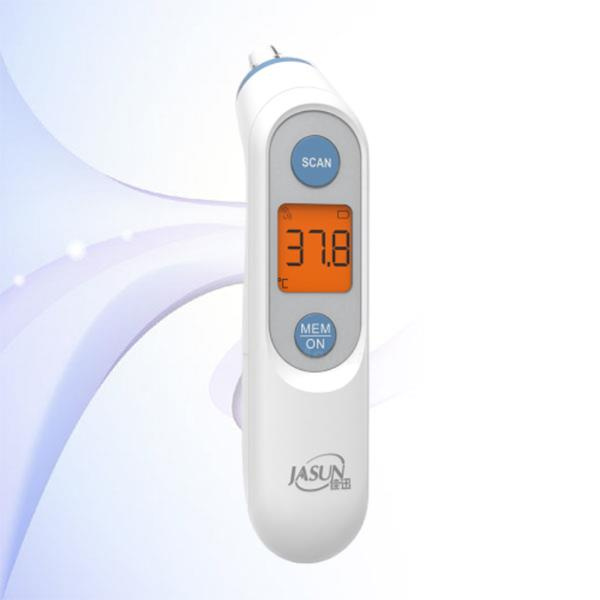
Proper installation and usage of infant infrared thermometers in medical settings enhance their effectiveness and reliability. Here are key considerations:
Placement: Install the thermometer in a designated area that allows easy access for healthcare providers, ensuring it is stored away from direct sunlight and moisture.
Training: Conduct training sessions for staff on the correct usage techniques, including how to hold the device and how to interpret the readings accurately.
Routine Maintenance: Establish a schedule for cleaning and maintenance to ensure hygiene and functionality. Use appropriate cleaning solutions that do not damage the device’s exterior or affect its sensors.
User Manuals: Provide comprehensive user manuals that outline operational procedures, troubleshooting steps, and maintenance requirements. This resource is essential for both training and ongoing support.
Pricing for wholesale purchases of infant infrared thermometers can vary considerably based on several factors:
Quantities Ordered: Bulk orders typically come with discounts. Request pricing tiers based on order volume to understand cost savings effectively.
Customization Options: Custom designs or branding may incur additional costs. Discuss these options early in the negotiation process to align expectations with budget constraints.
Shipping and Handling: Consider shipping costs and lead times when evaluating overall pricing. Manufacturers with efficient logistics can offer competitive shipping rates, impacting your total expenditure.
Market Trends: Stay informed about market trends and competitor pricing. This knowledge can help in negotiating better deals and ensuring that your pricing strategy remains competitive.
Payment Terms: Explore flexible payment options that can better manage cash flow, such as installment payments or extended payment periods for larger orders.
By considering these factors and understanding the nuances of sourcing infant infrared thermometers, B2B buyers can make informed decisions that meet their operational needs and align with market demands.
JASUN is a registered trademark of Hangzhou Hua'an Medical & Health Instruments Co.,Ltd. Your first option for premium thermometer suppliers in China with CE, MDR, ISO13485:2003, FDA and BSCI certificates.
Our location: Building 2,1# Fuzhu Nan RD, Wuchang Town, Yuhang District, Hangzhou, Zhejiang 310023, China
HOURS: 8:30AM - 6:00PM
Copyright © Hangzhou Hua'an Medical & Health Instruments Co.,Ltd. All Rights Reserved Blog Privacy Policy
 EN


