
Infant forehead thermometers are essential medical devices designed to provide quick and accurate temperature readings without discomfort. As purchasing managers or suppliers in the healthcare sector, you may have specific concerns regarding accuracy, safety, and usability. This article will guide you through critical specifications to consider, purchasing tips, and practical applications of infant forehead thermometer, ensuring you make informed decisions that meet your organization's needs.
When assessing infant forehead thermometers, several key specifications are crucial to ensuring you select a reliable device.
Measurement Accuracy: Look for thermometers that offer high precision, typically within ±0.1°C (±0.2°F). This level of accuracy is vital for detecting fever in infants, where even small deviations can signal health concerns.
Response Time: A thermometer that provides readings in less than 5 seconds is ideal for infants, who can be restless during measurement. A quick reading minimizes discomfort and stress for the child and caregiver.
Temperature Range: Ensure that the thermometer can measure a suitable range, typically from 32°C to 42.9°C (89.6°F to 109.2°F). This range accommodates both normal and elevated temperatures.
Display Type: A clear, easy-to-read digital display is essential, particularly for caregivers who may need to take readings quickly. Features like backlighting can enhance usability in low-light conditions.
Battery Life: Evaluate the battery type and life; a digital forehead thermometer that offers long-term use on a single set of batteries can reduce operational costs and ensure readiness when needed.
Safety Certifications: Verify that the thermometer has the necessary safety certifications such as CE, ISO13485, and FDA approvals. These certifications indicate compliance with medical device regulations, ensuring safety and reliability.
By focusing on these specifications, you can better evaluate which infant forehead thermometers meet the needs of your organization and the families you serve.
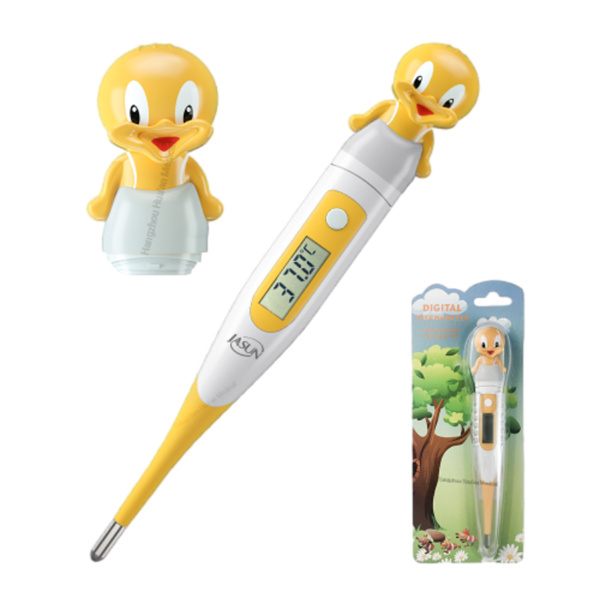
When planning to purchase infant forehead thermometers in bulk, it’s important to establish criteria for comparison.
Pricing: Compare unit costs among different suppliers while considering the total cost of ownership, which includes shipping and potential import tariffs. Negotiate prices based on bulk order quantities to secure the best deal.
Minimum Order Quantity (MOQ): Different suppliers may have varying MOQs. Ensure that the MOQ aligns with your purchasing plan to avoid excess inventory or missed opportunities.
Customization Options: Some manufacturers offer customization, such as branding or specific packaging requirements. This can enhance your product's appeal and marketability.
Lead Times: Understand the lead times for each supplier. This includes production time and shipping duration. Ensure that the supplier can meet your timeline, especially if you are responding to urgent healthcare needs.
Warranty and Support: Evaluate the warranty terms offered by different manufacturers. A more comprehensive warranty can provide peace of mind and support in case of defects or issues with the thermometers.
Supplier Reputation: Investigate the reputation of the manufacturer. Check reviews and testimonials from other healthcare providers to ensure that their products are reliable and their service is commendable.
Considering these factors will lead to a more informed purchasing decision, ensuring that you acquire high-quality infant forehead thermometer that meet your organization’s needs.
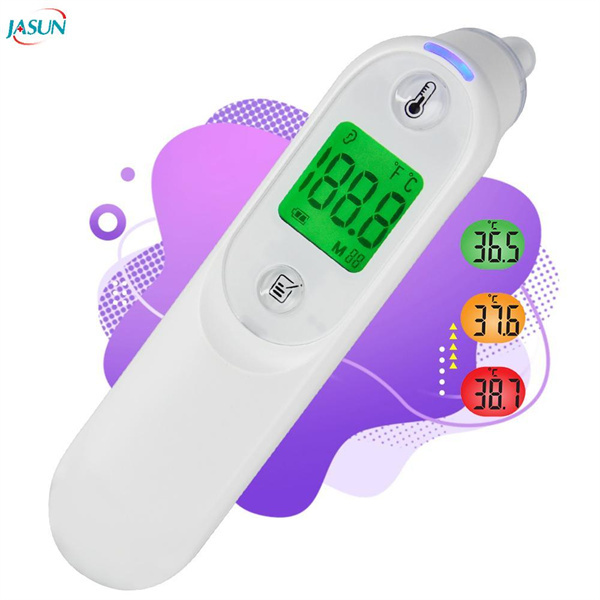
Infant forehead thermometers play a crucial role in various healthcare settings, including hospitals, clinics, and home healthcare. Their applications include:
Routine Health Checks: These thermometers are commonly used for routine checks in pediatric care, allowing medical staff to quickly assess an infant’s temperature during examinations.
Emergency Situations: In emergency departments, the quick response time of forehead thermometers is invaluable for assessing febrile infants rapidly and accurately, guiding urgent medical decisions.
Home Care: Caregivers and parents often use forehead thermometers at home to monitor infants’ health, especially during illness. Their ease of use and non-invasive nature make them suitable for frequent temperature checks without causing distress.
Vaccination Clinics: Monitoring temperature prior to vaccinations helps ensure that infants are healthy enough to receive immunizations, preventing potential complications from administering vaccines to febrile patients.
Telemedicine: In the era of telehealth, forehead thermometers can be used to provide remote consultations, allowing healthcare providers to assess patients’ conditions based on temperature readings shared by caregivers.
Understanding these applications can help healthcare professionals effectively utilize infant forehead thermometers, ensuring optimal patient care.
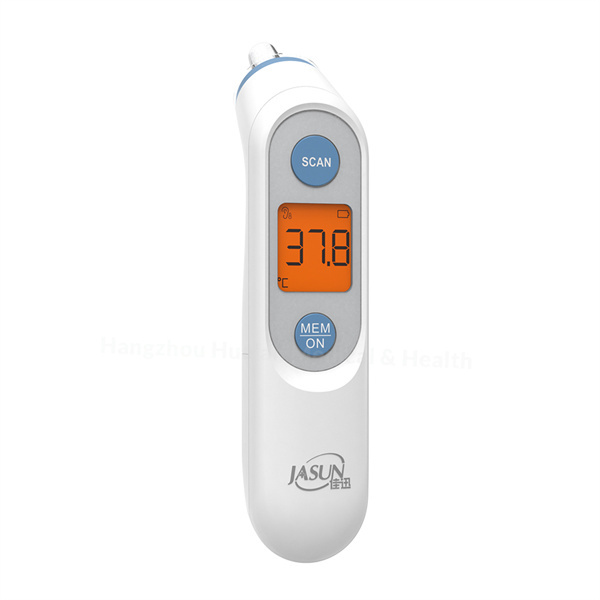
While infant forehead thermometers are generally user-friendly, proper installation and usage are key to achieving accurate results:
Calibration: Before first use, check if the thermometer requires calibration. Follow the manufacturer’s instructions to ensure it is calibrated correctly for the most accurate readings.
Placement: For forehead thermometers, proper placement on the forehead is crucial. Ensure the thermometer is held in the center of the forehead, avoiding hair, sweat, and other obstructions that can affect the reading.
Environmental Considerations: Use the thermometer in a stable environment, avoiding direct sunlight or extreme temperatures, which could skew results.
Cleaning and Maintenance: Regularly clean the thermometer according to the manufacturer’s guidelines to maintain hygiene and accuracy. Use appropriate cleaning solutions that do not damage the device.
User Training: Ensure that all caregivers understand how to properly use the thermometer, including how to interpret the results and when to seek further medical advice.
Implementing these guidelines will help ensure that infant forehead thermometers are used effectively, yielding reliable temperature readings essential for patient care.
To ensure you select high-quality infant forehead thermometers, consider these expert tips:
Request Samples: Before placing a bulk order, request samples from potential suppliers. This allows you to test the thermometers for accuracy, speed, and ease of use in real-world settings.
Quality Control Processes: Inquire about the manufacturer’s quality control processes. A robust quality assurance system, including testing and inspection protocols, is critical for maintaining consistent product quality.
Material Selection: Ensure the materials used in the thermometer are safe for infants. Non-toxic plastics and hypoallergenic materials are preferable, particularly for devices that come into contact with sensitive skin.
Feedback from End Users: Gather feedback from healthcare professionals who will be using the thermometers. Their insights on usability and performance can guide your purchasing decisions.
Long-Term Support: Assess the manufacturer’s commitment to long-term support, including updates on product improvements and responsive customer service. A reliable supplier can provide valuable assistance throughout the product lifecycle.
By adhering to these expert sourcing tips, you can confidently select high-quality infant forehead thermometers that meet your specific requirements and ensure excellent patient care.
JASUN is a registered trademark of Hangzhou Hua'an Medical & Health Instruments Co.,Ltd. Your first option for premium thermometer suppliers in China with CE, MDR, ISO13485:2003, FDA and BSCI certificates.
Our location: Building 2,1# Fuzhu Nan RD, Wuchang Town, Yuhang District, Hangzhou, Zhejiang 310023, China
HOURS: 8:30AM - 6:00PM
Copyright © Hangzhou Hua'an Medical & Health Instruments Co.,Ltd. All Rights Reserved Blog Privacy Policy
 EN

