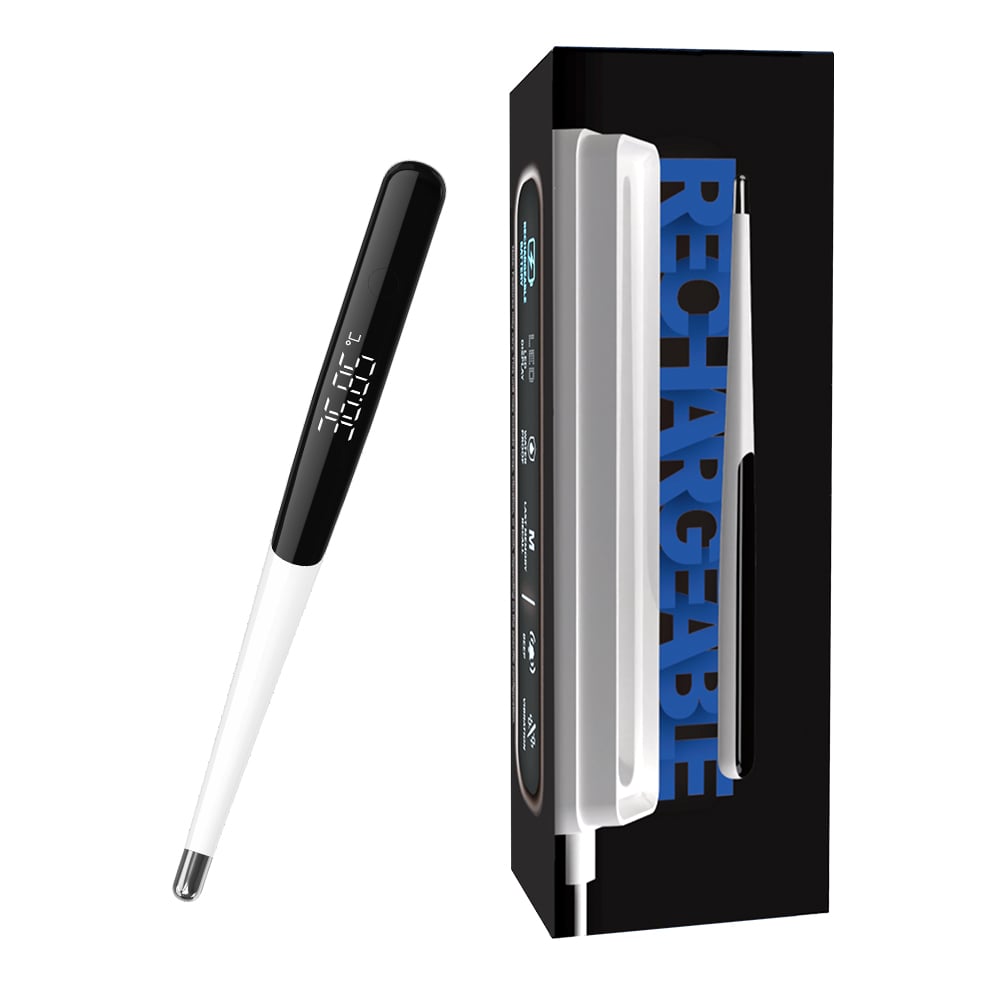
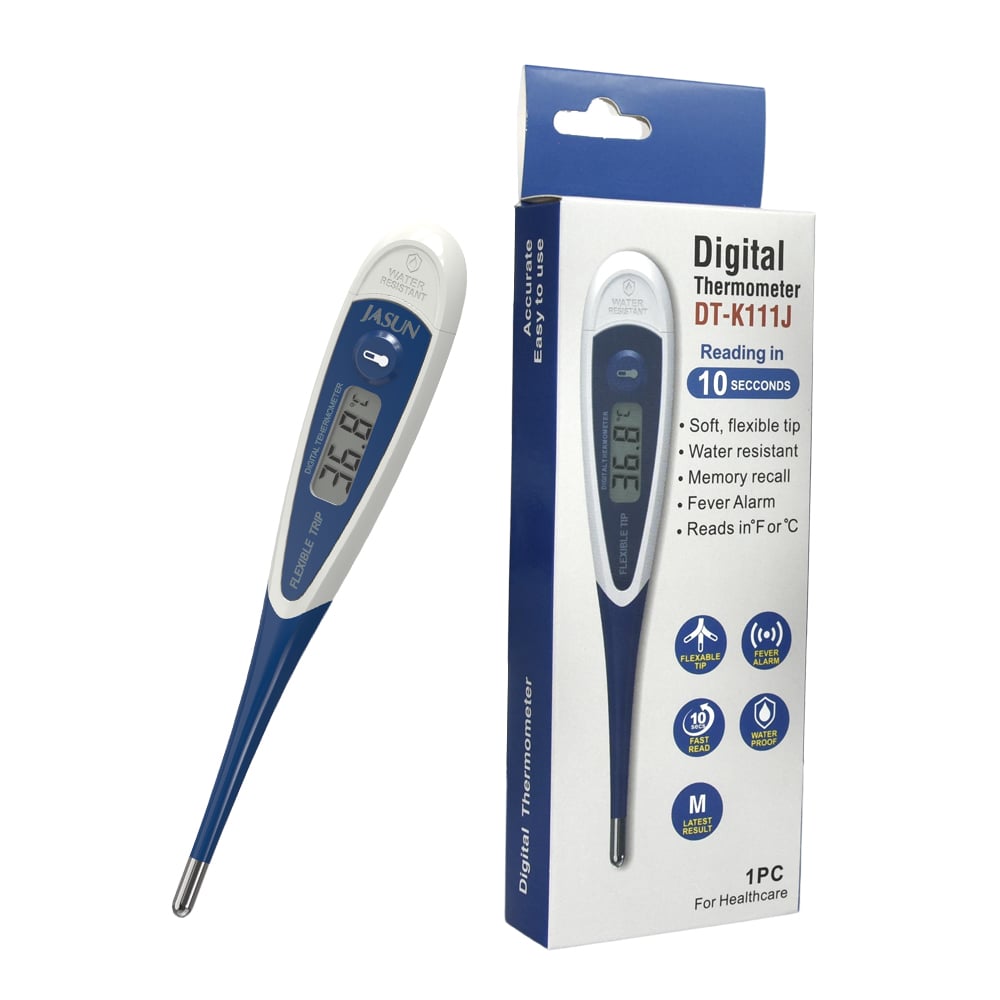
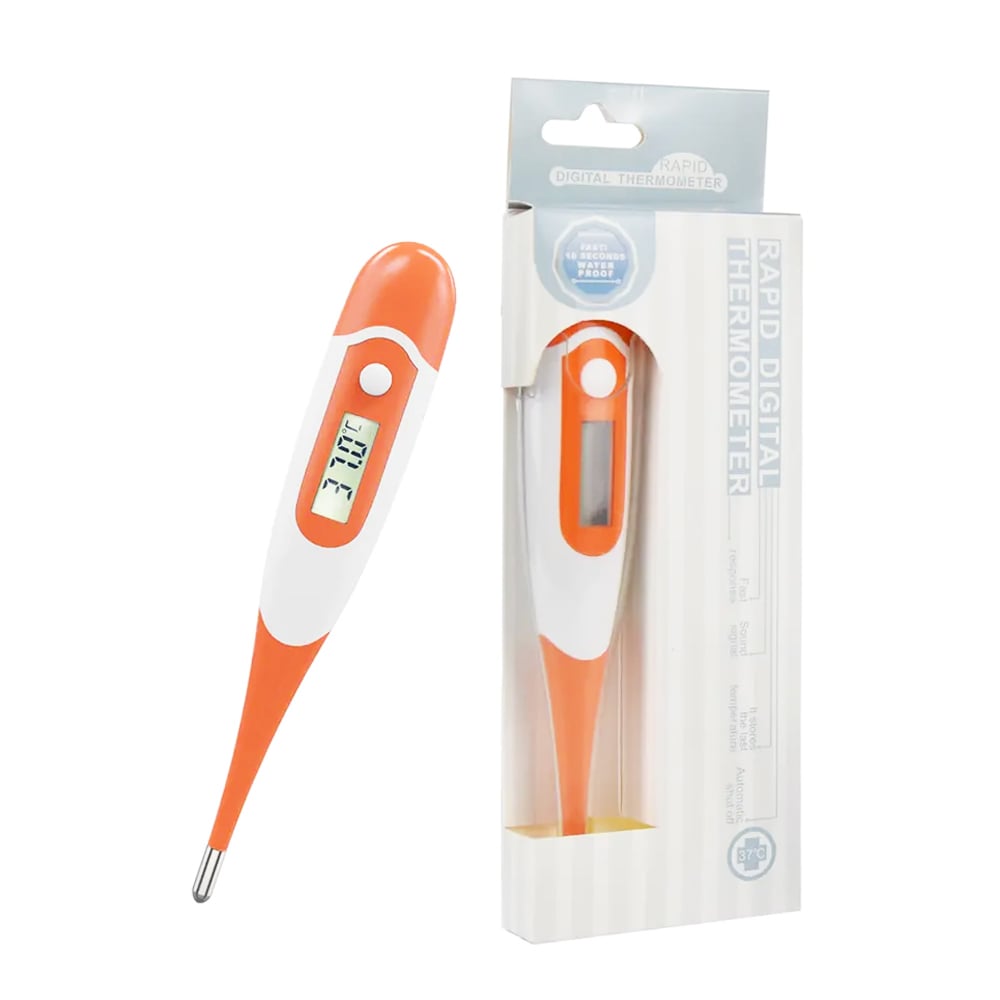
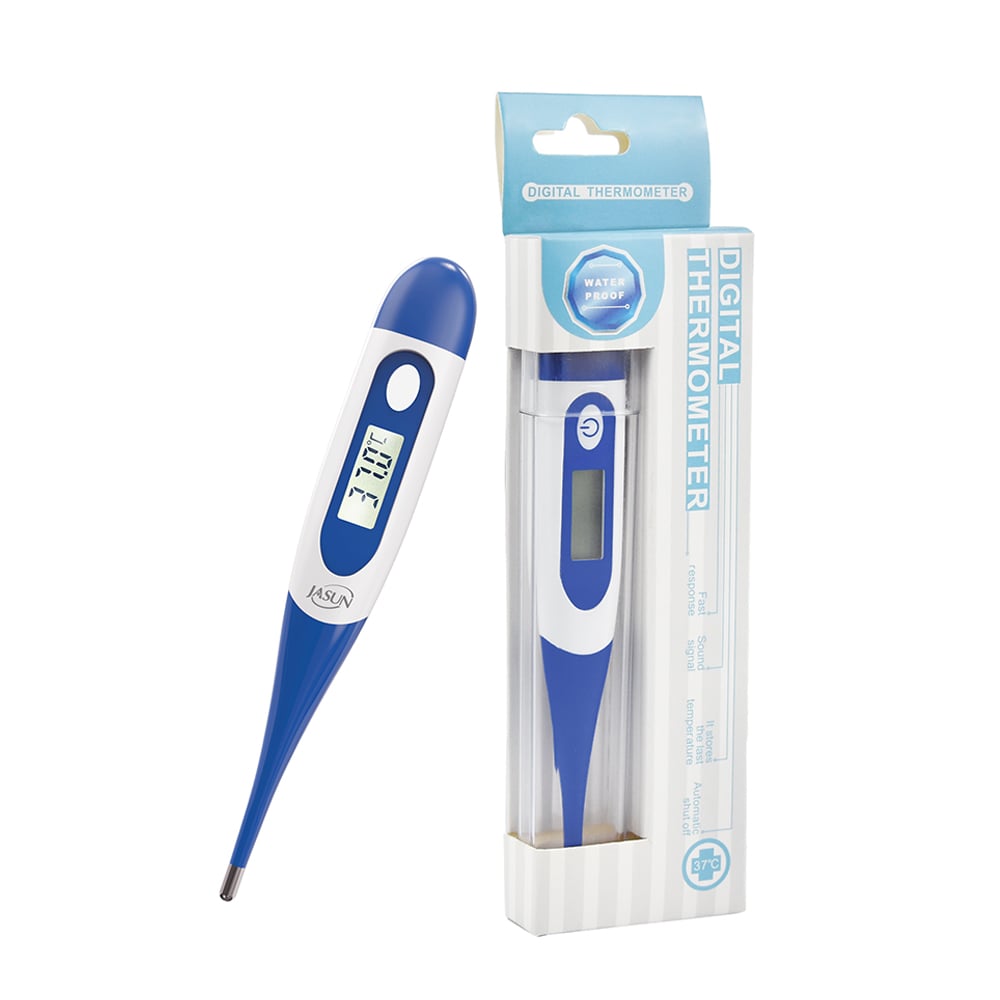
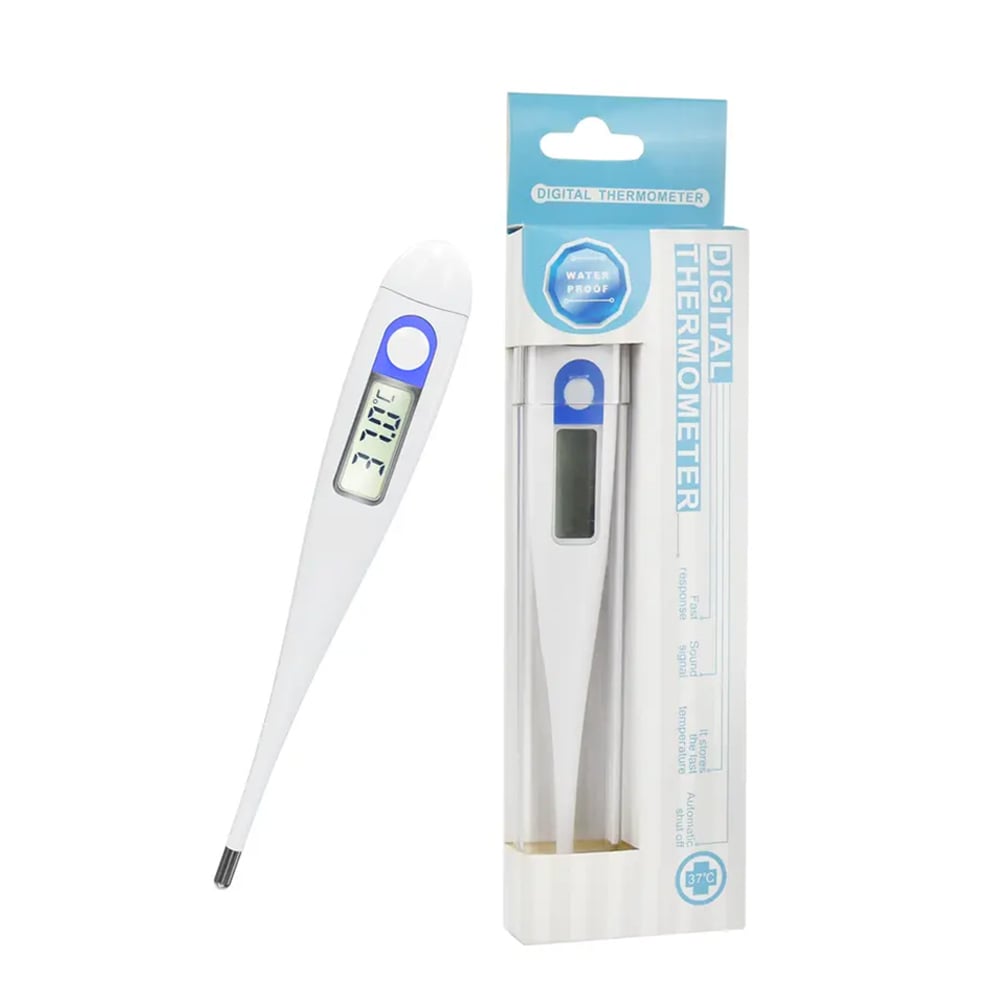
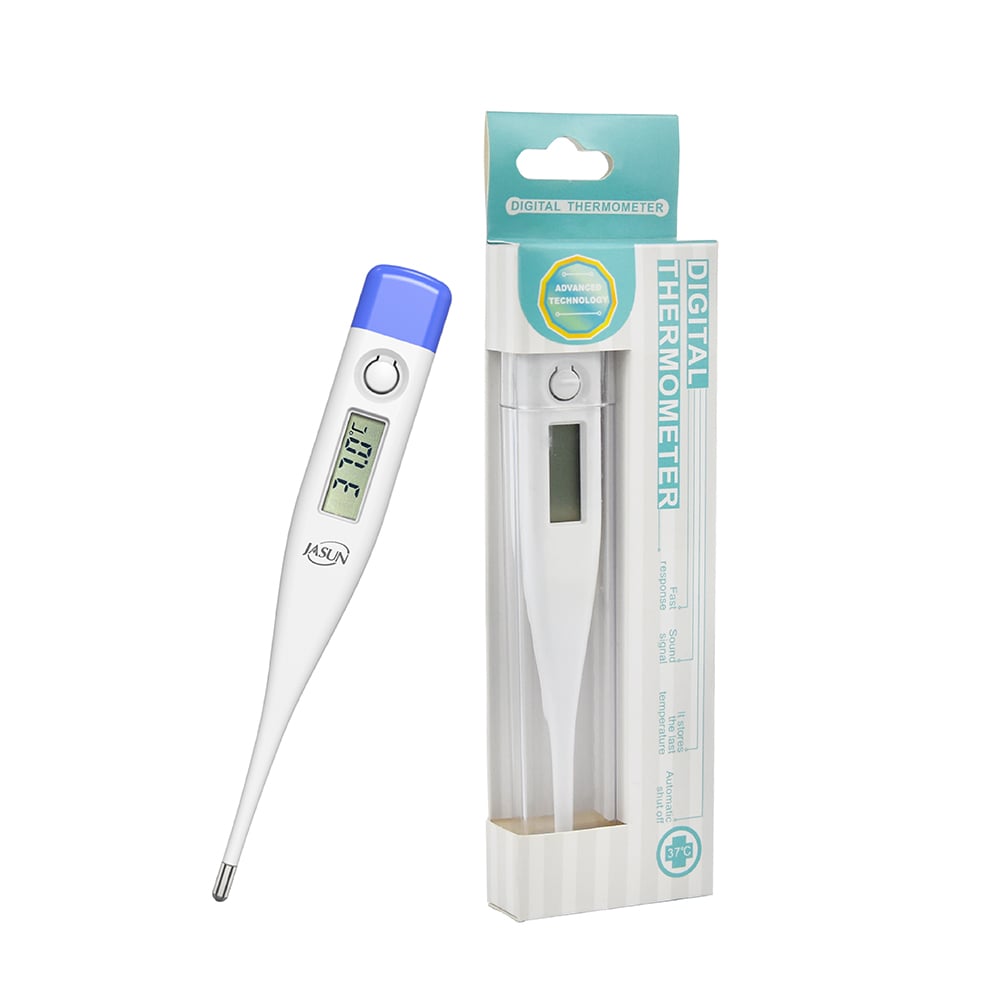
Glass thermometers have long been a trusted instrument for measuring body temperature, particularly in medical settings. Known for their accuracy and reliability, oral glass thermometers are commonly used in hospitals, clinics, and homes. For B2B buyers, such as purchasing managers and distributors, understanding the key specifications, installation guidance, common issues, cost factors, and applications of these devices is crucial for making informed purchasing decisions. This article aims to provide a comprehensive overview of oral glass thermometers, addressing concerns relevant to quality, usability, and procurement.
When selecting an oral glass thermometer, several key specifications are critical to ensure accurate temperature readings and user safety. First and foremost, buyers should consider the thermometer's scale, which typically ranges from 35°C to 42°C (95°F to 107.6°F). This range is essential for capturing the normal human body temperature. Next, the material of the thermometer plays a significant role in its performance. Most oral glass thermometers are made from high-quality borosilicate glass thermometer oral, which offers durability and resistance to thermal shock. The use of non-toxic mercury or alcohol as the measuring fluid is also a consideration while traditional thermometers contained mercury, many manufacturers now offer alcohol-based alternatives, which are safer for both users and the environment.
Calibration standards are another area of focus. Look for thermometers that comply with international standards such as ISO13485:2003 or have certifications from recognized authorities like CE or FDA. These certifications assure buyers of the thermometer's reliability and accuracy, which is especially important in medical applications. Finally, the response time and ease of reading the scale are practical aspects to evaluate. A thermometer that provides quick readings (within 3 to 5 minutes) and features a clearly marked scale will enhance user experience and efficiency.
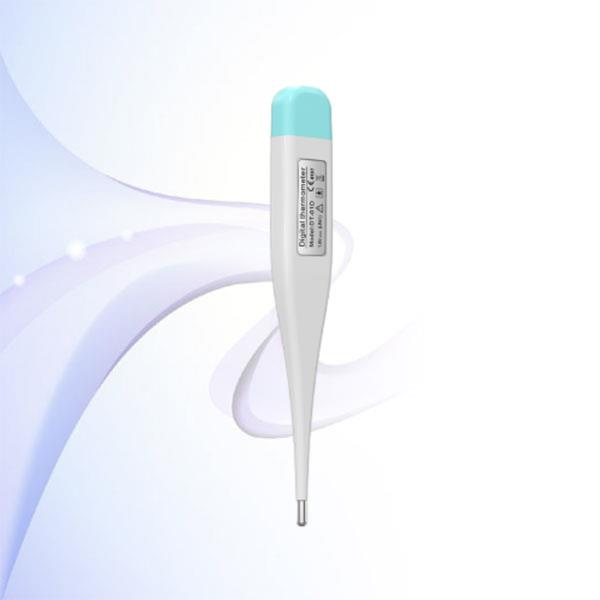
Installing oral glass thermometers is generally straightforward, but there are specific guidelines to follow to ensure optimal performance. Before first use, it is advisable to clean the thermometer thoroughly with alcohol wipes to eliminate any contaminants. When taking a temperature reading, the thermometer should be placed under the tongue, with lips closed around it to ensure accurate measurement. It’s crucial to wait at least 15 minutes after consuming food or drink before taking a reading, as this can significantly affect the results. For optimal accuracy, users should ensure that the thermometer is held in place for the recommended duration typically 3 to 5 minutes. After use, clean the thermometer again and store it in a protective case to prevent breakage and contamination. For bulk purchases, ensure that the manufacturer provides clear instructions, as this can enhance the end-user experience and reduce the likelihood of misuse.
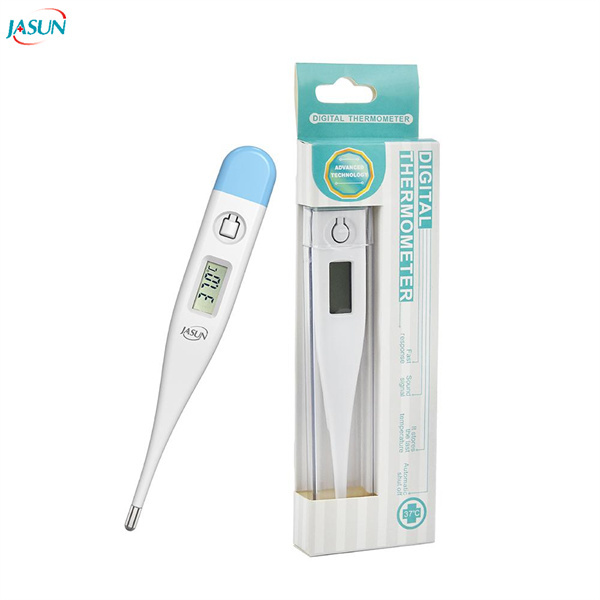
Despite their reliability, oral glass thermometers can encounter issues that may affect performance. One common problem is breakage, which can occur if the thermometer is dropped or mishandled. To mitigate this, consider sourcing thermometers with shatter-resistant features or those made from reinforced glass. Calibration drift is another concern, where the thermometer's readings may become inaccurate over time. Regular quality checks and recalibration should be part of the maintenance routine. It’s advisable for buyers to request information from suppliers on the recalibration process and whether they offer support or services to help with this. Additionally, a common buyer mistake is not properly educating end-users on how to use thermometers correctly. This can lead to inaccurate readings and dissatisfaction. As a preventive measure, consider purchasing thermometers that come with comprehensive user manuals or training materials.
When procuring oral glass thermometers in bulk, several cost factors come into play. First, the unit price typically decreases with larger order quantities, making it essential for buyers to assess their requirements accurately. Understanding the manufacturer’s minimum order quantity (MOQ) can help in planning purchases effectively. Shipping costs are another significant factor. Buyers should inquire about shipping options and costs, as these can vary greatly depending on the destination and the chosen shipping method. Additionally, consider customs duties and import taxes that may apply when sourcing from international suppliers. Quality control processes can also influence costs. glass medical thermometer that undergo stringent quality inspections may have a higher upfront cost but can save money in the long term by reducing returns and ensuring user satisfaction. Buyers should request detailed information on the manufacturer’s quality assurance processes to weigh these factors effectively.
Oral glass thermometers are widely used in various medical settings, including hospitals, clinics, and home health care. Their primary application is in monitoring patient body temperature, which is critical for diagnosing infections and other medical conditions. In hospitals, accurate temperature monitoring is essential for patient care, particularly in pre-operative and post-operative scenarios. Oral thermometers provide a non-invasive and straightforward method for health professionals to assess a patient's status. In outpatient settings, these thermometers are often used for routine check-ups and monitoring chronic conditions where temperature regulation is crucial.
Additionally, their ease of use makes them suitable for home health care providers and families, allowing for regular monitoring of children and elderly family members. Overall, the versatility and reliability of oral thermometer non mercury non glass thermometers make them a staple in both professional and home healthcare environments. B2B buyers should consider the specific needs of their target market when selecting products and ensure that they meet the relevant regulatory requirements for medical devices. By understanding these key aspects, buyers can make informed purchasing decisions that align with their operational needs and customer expectations.
JASUN is a registered trademark of Hangzhou Hua'an Medical & Health Instruments Co.,Ltd. Your first option for premium thermometer suppliers in China with CE, MDR, ISO13485:2003, FDA and BSCI certificates.
Our location: Building 2,1# Fuzhu Nan RD, Wuchang Town, Yuhang District, Hangzhou, Zhejiang 310023, China
HOURS: 8:30AM - 6:00PM
Copyright © Hangzhou Hua'an Medical & Health Instruments Co.,Ltd. All Rights Reserved Blog Privacy Policy
 EN