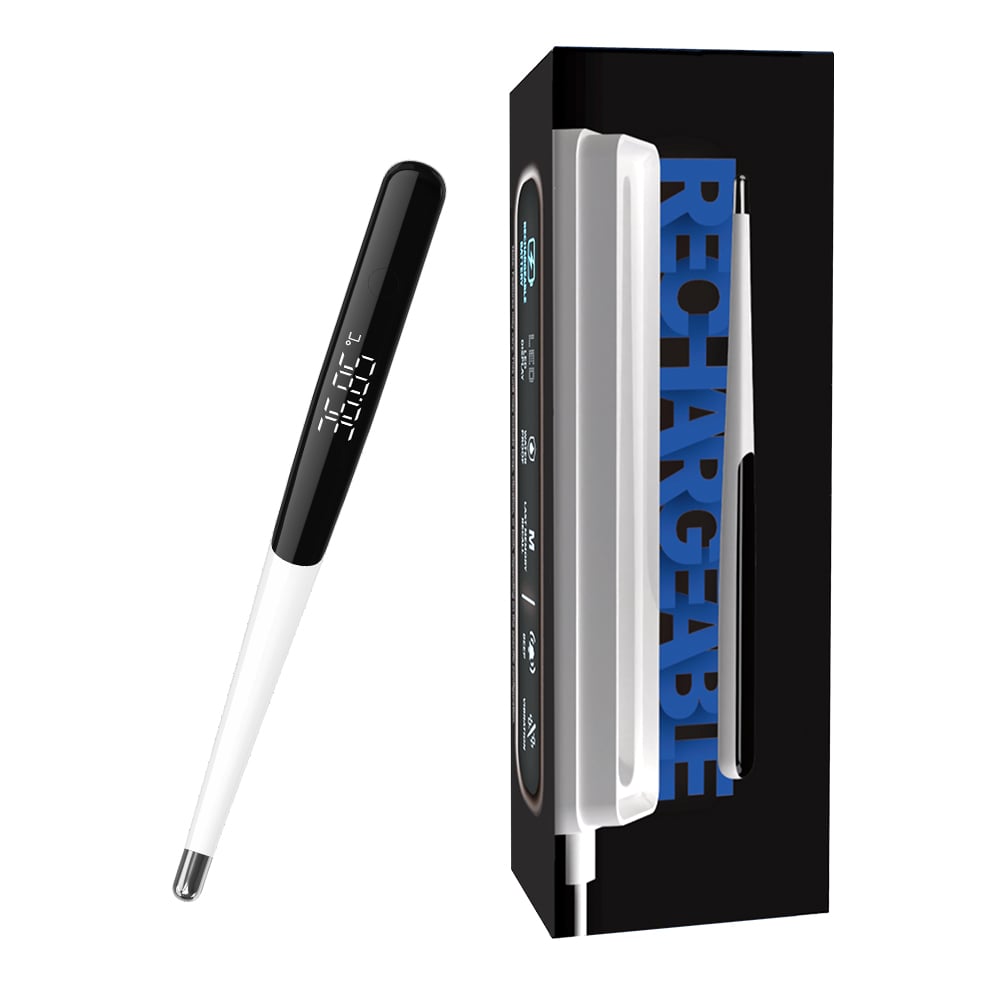
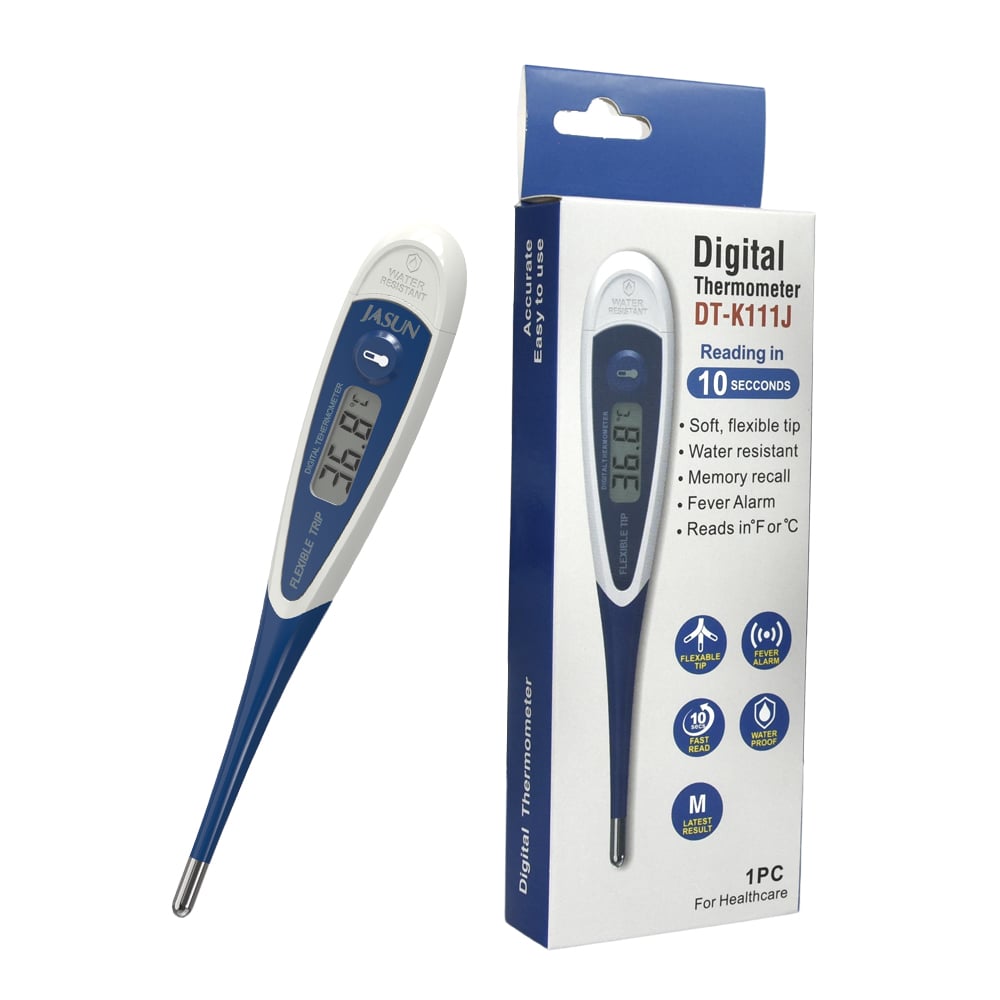
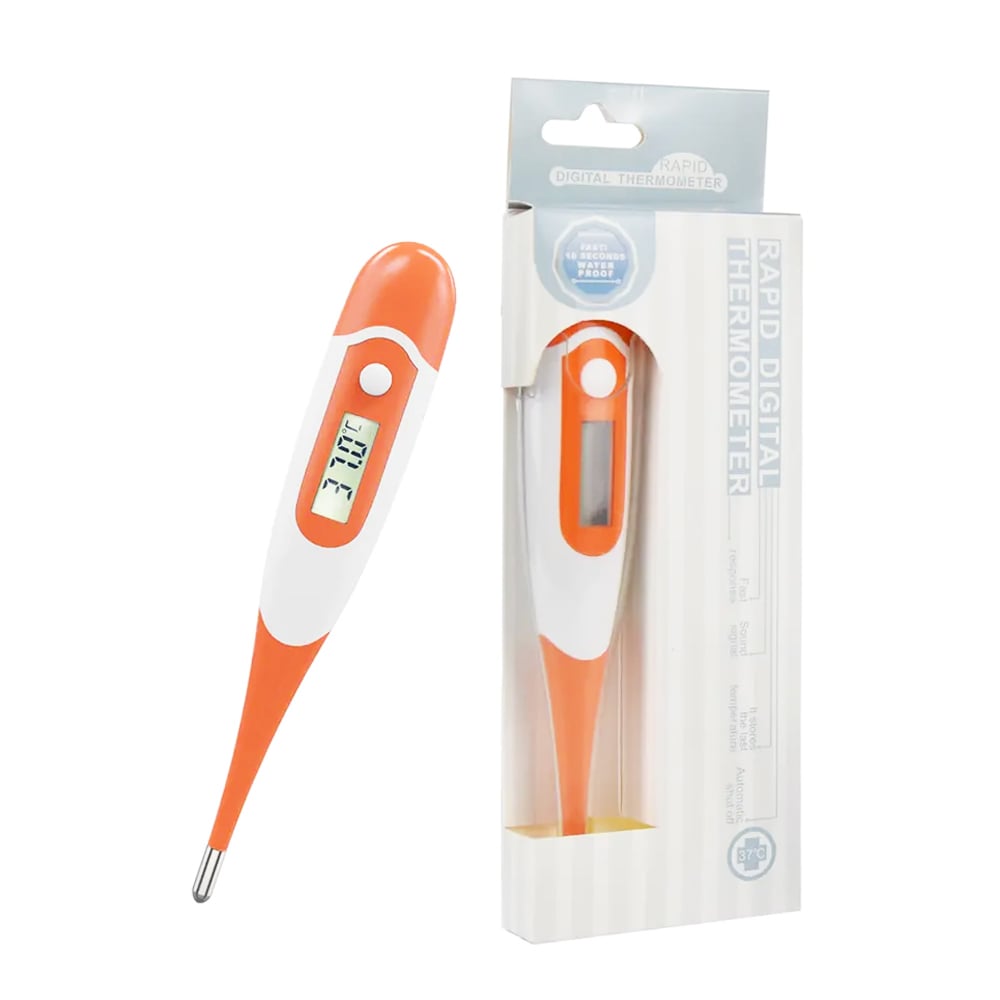
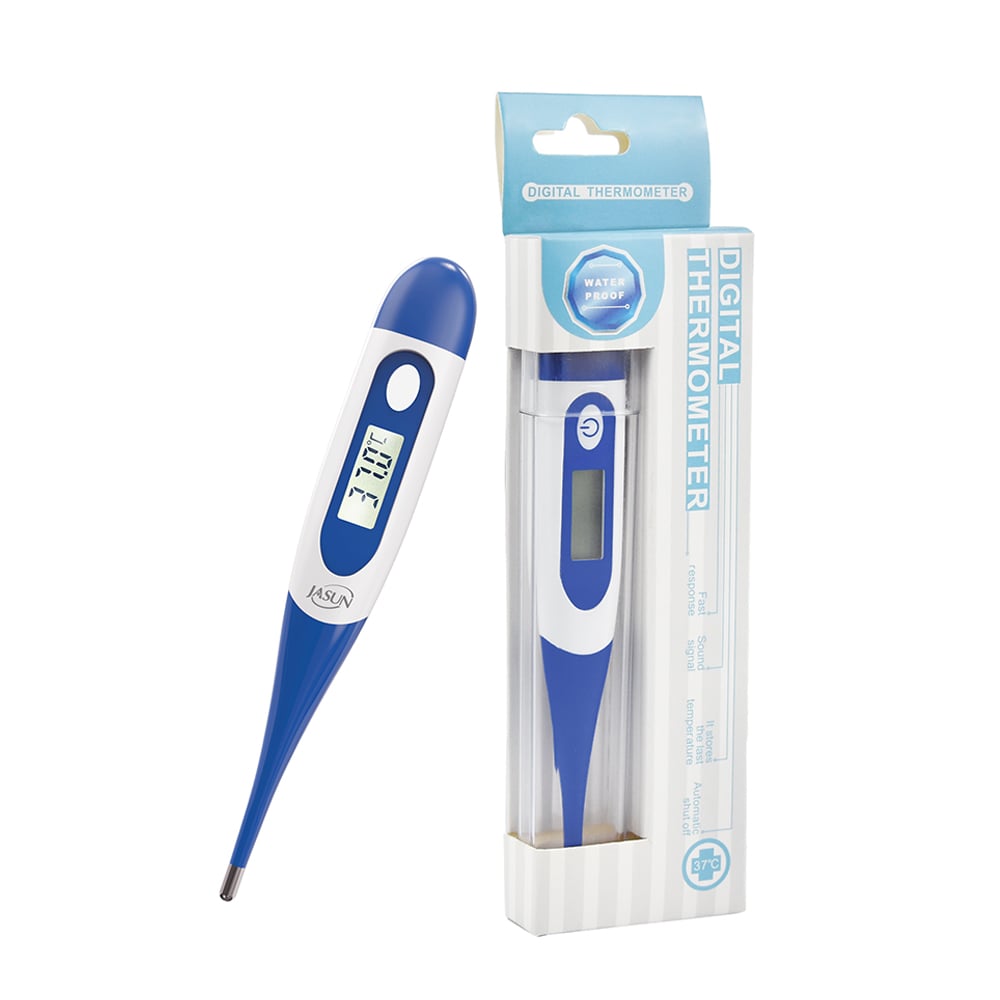
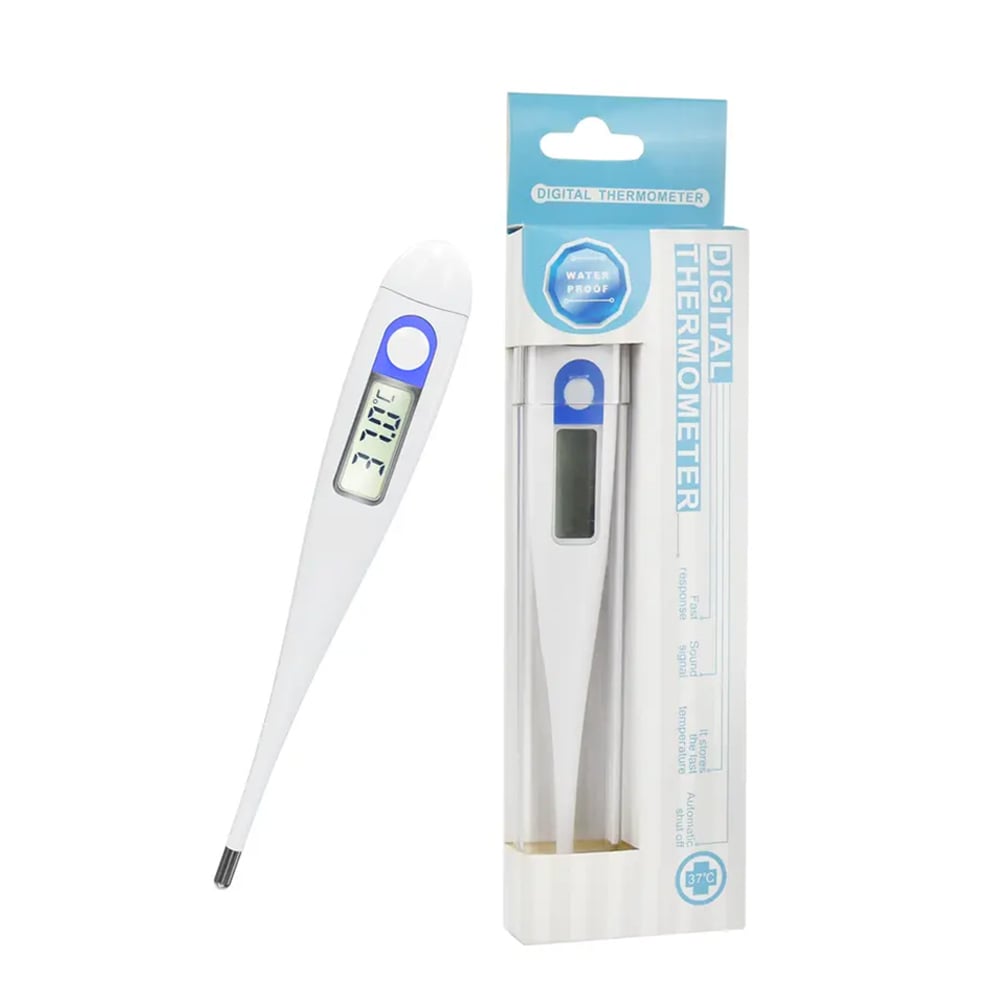
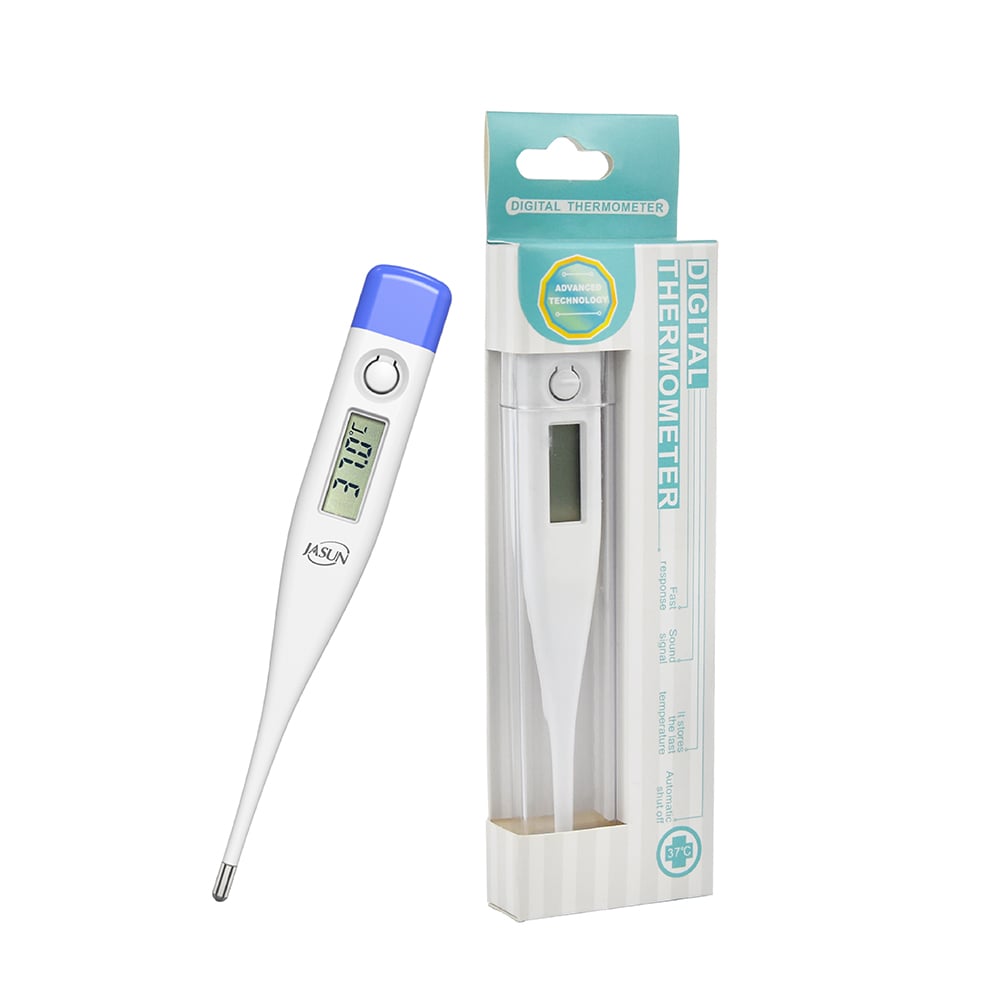
A forehead thermometer is a non-invasive device used to measure body temperature quickly and accurately, making it an essential tool in various settings, from healthcare facilities to industrial applications. For B2B buyers, especially purchasing managers and distributors, key concerns include ensuring accuracy, durability, and compliance with industry standards. This article will provide an in-depth understanding of forehead thermometers, including their features, cost factors, applications, installation guidance, and comparisons to aid your purchasing decisions.
Forehead thermometers, also known as temporal artery thermometers, utilize infrared technology to measure temperature from the forehead. Key features include:
Accuracy: High-quality forehead thermometers are designed for superior accuracy, ensuring reliable readings that are critical in medical settings. Look for devices that have been thoroughly tested and carry certifications such as CE, ISO13485:2003, and FDA approval.
Ease of Use: Most forehead thermometers offer a one-button operation, allowing for quick readings. This is particularly beneficial in environments where time is of the essence, such as hospitals or during public health responses.
Comfort: Non-contact measurement means that users don’t have to worry about discomfort, making it ideal for patients of all ages, including infants.
Durability: Devices from established manufacturers like Hangzhou Huaan Medical Health Instruments Co., Ltd. typically exhibit high durability, essential for repeated use in various environments.
Versatility: Beyond medical applications, digital dog thermometer are increasingly used in food safety, manufacturing, and public health monitoring, showcasing their broad applicability.
When considering bulk purchases of forehead thermometers, several cost factors should be evaluated:
Unit Price: The base price per unit can vary significantly based on features, brand reputation, and the level of accuracy. It's advisable to obtain quotes from multiple suppliers to compare pricing structures.
Minimum Order Quantity (MOQ): Manufacturers often set a MOQ for bulk purchases. Understanding the MOQ can help in budgeting and planning your inventory levels.
Shipping and Handling: Bulk orders can incur significant shipping costs. Consider suppliers that provide favorable shipping terms or local distribution options.
Customization Options: If you require branded devices or specific features, customization may involve additional costs. Ensure that you discuss these needs upfront with the manufacturer.
Quality Assurance and Warranty: Higher upfront costs may provide better quality assurance and warranty terms, which can save money in the long run by reducing replacements and repairs.
Forehead thermometers serve a multitude of applications across various industries:
Healthcare: Hospitals and clinics use them for quick, non-invasive temperature checks during patient assessments, particularly in emergency situations.
Food and Beverage: In the food industry, forehead thermometers help ensure that food is stored and served at safe temperatures, reducing the risk of foodborne illnesses.
Manufacturing: In industrial settings, they can be used to monitor ambient temperatures in production areas, helping maintain optimal operational environments.
Education: Schools and daycare centers utilize forehead thermometers for daily health checks, especially during flu season or pandemics.
Public Health: Airports and public venues have adopted these devices for screening individuals for fever as part of health and safety protocols.
To ensure optimal performance from Hangzhou Huaan forehead thermometers, follow these installation and usage guidelines:
Location: Choose a stable, dry location away from direct sunlight and heat sources for consistent readings. This is crucial as environmental factors can affect temperature accuracy.
Calibration: Regular calibration is essential to maintain accuracy. Check the manufacturer's guidelines on how often this should be performed and whether it can be done in-house or requires professional servicing.
User Training: Ensure that all staff are trained in the correct usage of instant read thermometer, including how to position the device properly for accurate readings. A common mistake is not holding the thermometer at the right distance from the forehead.
Maintenance: Regularly clean the sensors and housing of the thermometer to avoid contamination and ensure accurate readings. Follow the manufacturer's recommendations for cleaning agents to avoid damage.
When evaluating different Hangzhou Huaan forehead thermometer models, consider the following aspects to make informed comparisons:
Specifications: Look at the temperature range, accuracy levels, and response time. Superior models typically offer a range from 32°C to 42.9°C with an accuracy of ±0.2°C.
Certifications: Verify certifications such as CE and ISO13485:2003, which ensure the device meets international quality standards.
Warranty and Support: Assess the warranty period and the type of customer support offered. A longer warranty can be an indicator of manufacturer confidence in their product's durability.
User Feedback: Research reviews and testimonials from other distributors or end-users. This can provide insights into the performance and reliability of different models.
Customization Capabilities: For those looking to personalize products for their brand, inquire about customization options available from the manufacturer, including packaging and branding.
By considering these factors, distributors and importers can identify the best digital ear thermometer options that meet their specific needs and those of their customers.
JASUN is a registered trademark of Hangzhou Hua'an Medical & Health Instruments Co.,Ltd. Your first option for premium thermometer suppliers in China with CE, MDR, ISO13485:2003, FDA and BSCI certificates.
Our location: Building 2,1# Fuzhu Nan RD, Wuchang Town, Yuhang District, Hangzhou, Zhejiang 310023, China
HOURS: 8:30AM - 6:00PM
Copyright © Hangzhou Hua'an Medical & Health Instruments Co.,Ltd. All Rights Reserved Blog Privacy Policy
 EN