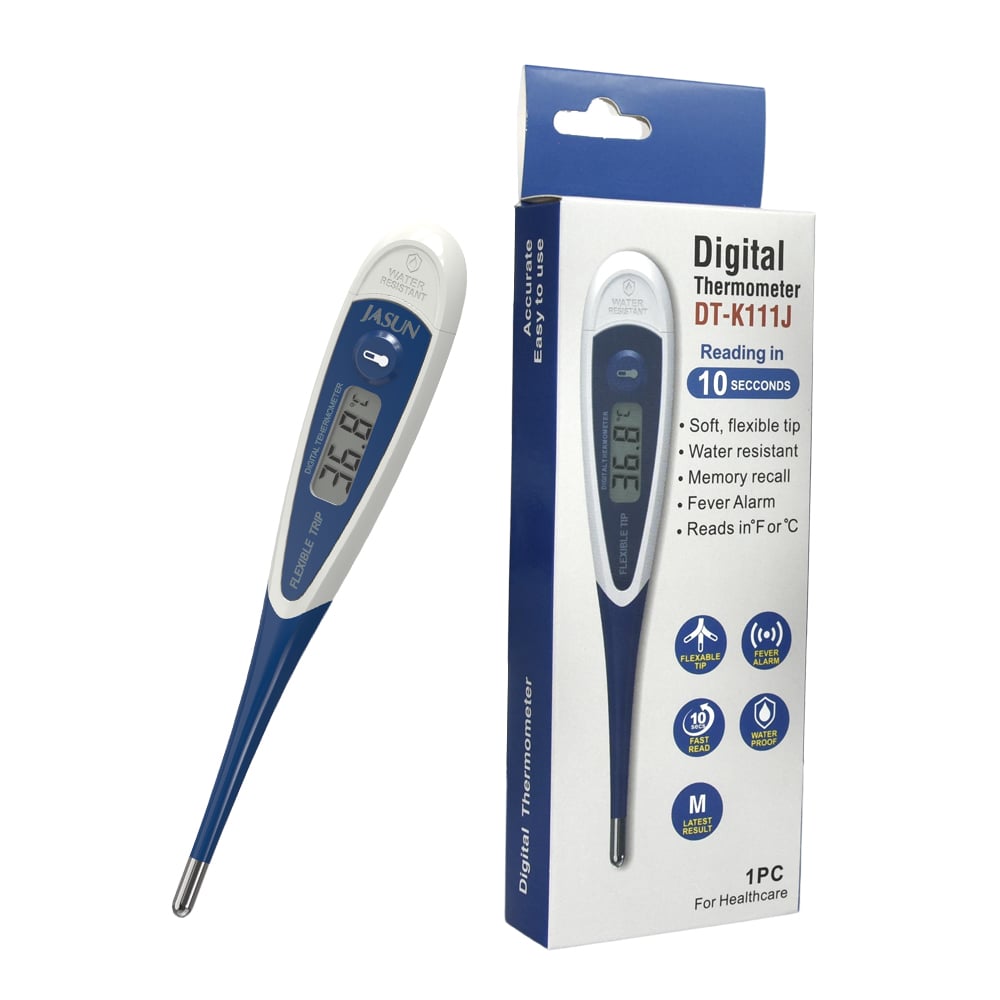
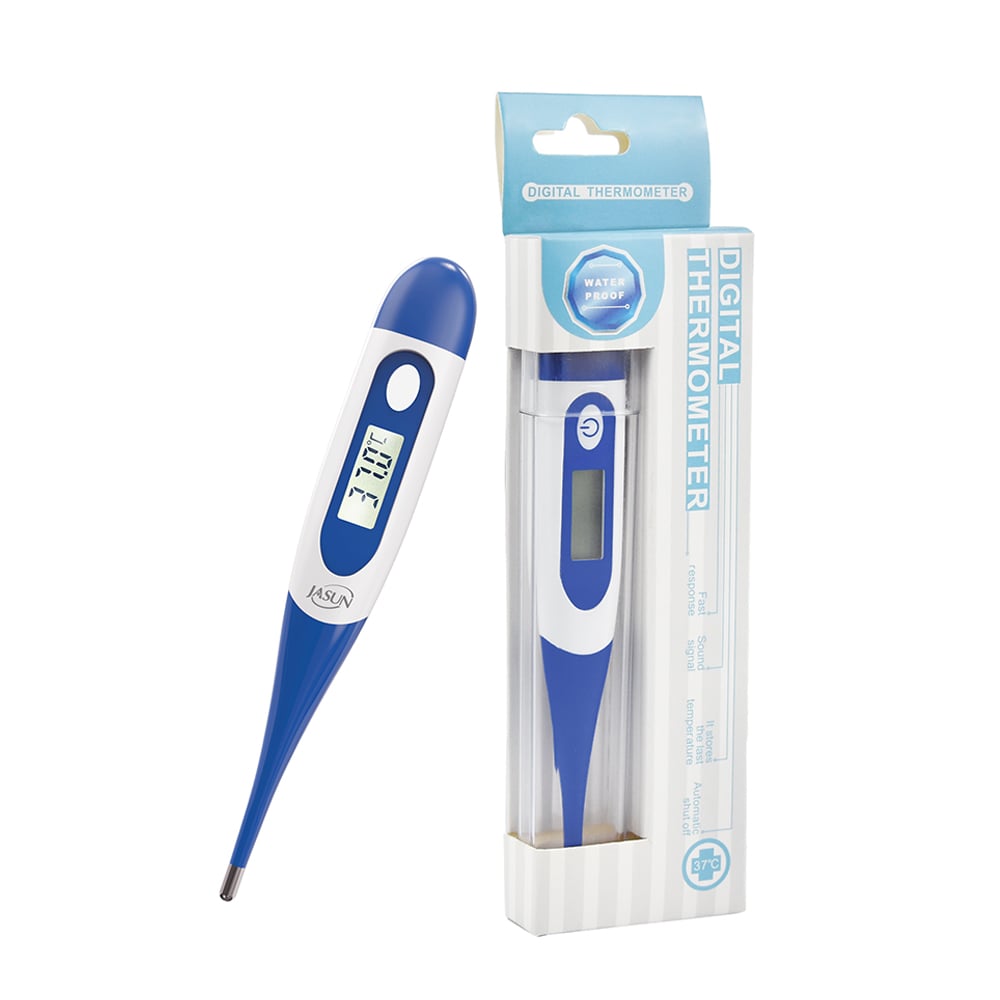
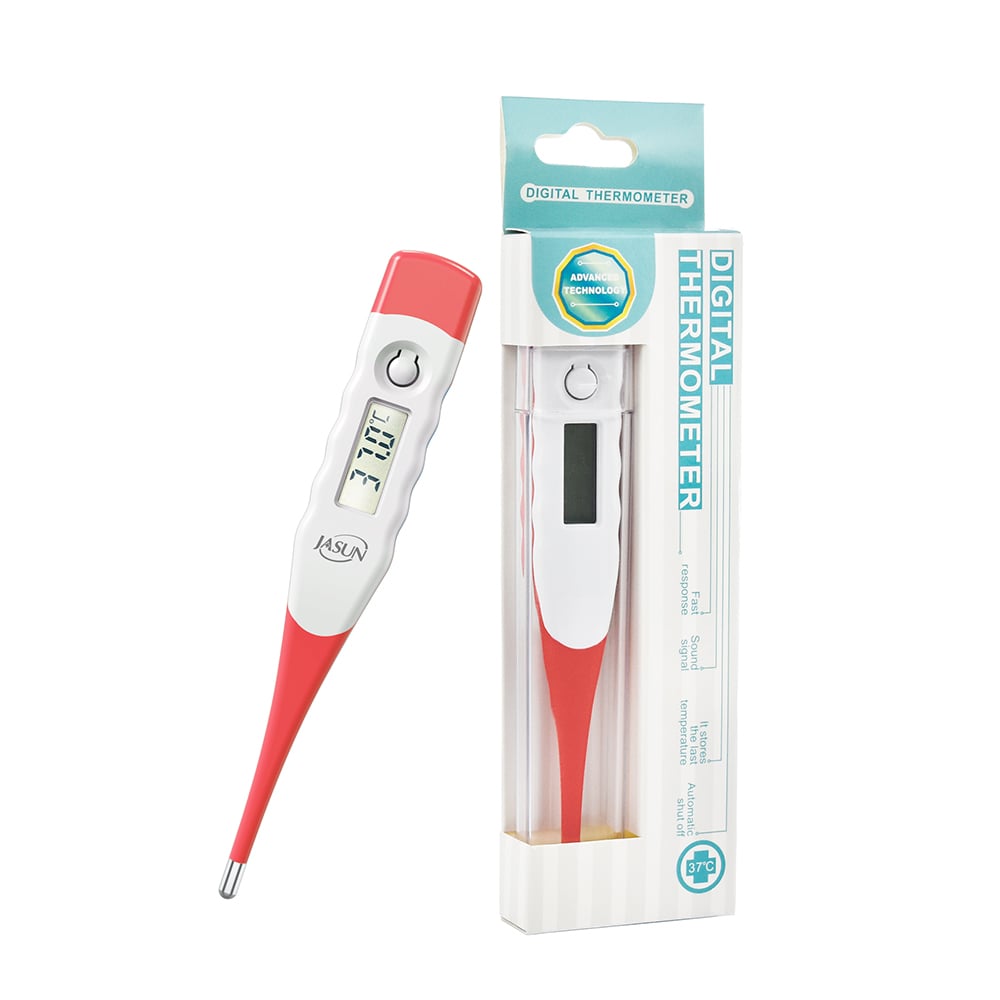
A fever oral thermometer is a crucial medical device used to measure body temperature accurately, especially during illness. For B2B buyers in the healthcare sector, these thermometers are essential for monitoring patient health, ensuring precise diagnosis and treatment. This article addresses key specifications buyers should consider, sourcing options, quality evaluation, installation guidance, and applications in healthcare environments, helping professionals make informed purchasing decisions.
When selecting a fever oral thermometer, several key specifications are vital to ensure reliability and accuracy.
Measurement Range and Accuracy: A typical fever oral thermometer should measure temperatures from approximately 32°C to 42°C (90°F to 107.6°F) with an accuracy of ±0.1°C. This precision is critical for correctly diagnosing fever, especially in pediatric and geriatric patients.
Response Time: The speed at which a thermometer provides a reading is important in clinical settings where time is of the essence. Look for oral thermometer that deliver results within 10 seconds to 1 minute, as this can significantly enhance workflow efficiency.
Display Type: Digital displays are preferred for their clarity and ease of reading. Some models feature backlit screens, which are useful in low-light conditions.
Battery Life: A thermometer should have a long-lasting battery to minimize interruptions in usage. Some units offer rechargeable batteries, which can be more economical in the long run.
Material and Design: Thermometers should be made from durable, hypoallergenic materials, especially if they come into contact with sensitive skin. A waterproof or easy-to-clean design can also enhance longevity and hygiene.
By understanding these specifications, buyers can select thermometers that align with their healthcare needs, ensuring they provide accurate and timely patient care.
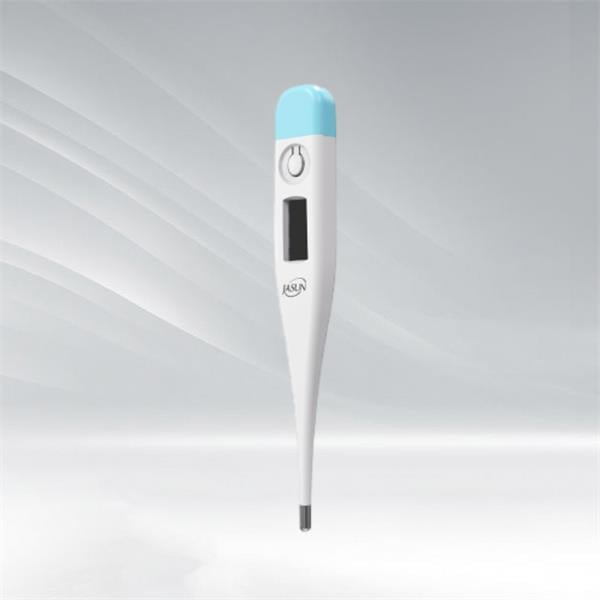
Sourcing fever oral thermometers in bulk requires careful consideration of suppliers to ensure reliability and quality. Hangzhou Huaan Medical Health Instruments Co., Ltd., with over 25 years of experience in manufacturing body temperature measuring devices, stands out as a reputable option.
Manufacturer Credentials: Look for manufacturers with relevant certifications, such as CE, ISO13485:2003, and FDA approvals. These certifications indicate that the products meet international safety and quality standards.
OEM/ODM Capabilities: Suppliers offering Original Equipment Manufacturer (OEM) and Original Design Manufacturer (ODM) services can provide customized solutions tailored to specific buyer requirements, allowing for branding and unique features.
Production Capacity and Lead Times: Assess the supplier’s production capacity to ensure they can meet your order volume within your required timeframe. Inquire about lead times for bulk orders to avoid disruptions in your supply chain.
Quality Assurance Processes: A reliable supplier should have stringent quality control measures in place to ensure that every thermometer meets the specified accuracy and durability standards before shipping.
By focusing on these sourcing criteria, buyers can establish partnerships with trustworthy manufacturers that consistently deliver high-quality fever oral thermometer.
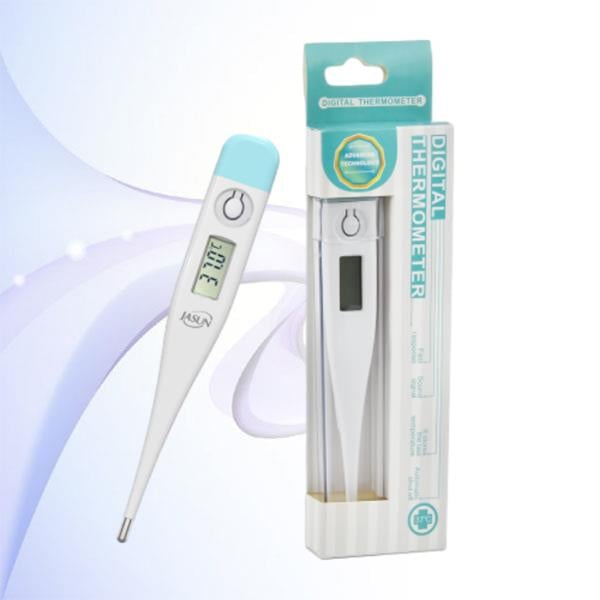
For businesses planning to resell fever oral thermometers, evaluating product quality is essential to maintain credibility and customer satisfaction.
Sample Testing: Before committing to a bulk order, buyers should request samples to assess the thermometer's performance. This includes checking measurement accuracy, response time, and overall feel and usability.
Material Inspection: Ensure that the materials used in the thermometers are safe, durable, and compliant with medical regulations. Buyers should verify that materials are hypoallergenic and suitable for use in diverse patient populations.
Reviewing Product Documentation: Request detailed product documentation, including user manuals and compliance certificates, to ensure that the thermometers meet regulatory standards. This documentation is crucial for resale and helps inform customers about safe usage.
Customer Feedback: If possible, collect feedback from current users or conduct market research to gauge the performance of the thermometer models you are considering. Positive reviews can indicate a reliable product, while common complaints should raise red flags.
After-Sales Support: Evaluate the manufacturer's after-sales support, including warranty terms and customer service responsiveness. A manufacturer willing to provide support after purchase demonstrates confidence in their product quality.
By conducting thorough evaluations, buyers can confidently select high-quality fever oral thermometers that will meet their customers' needs.
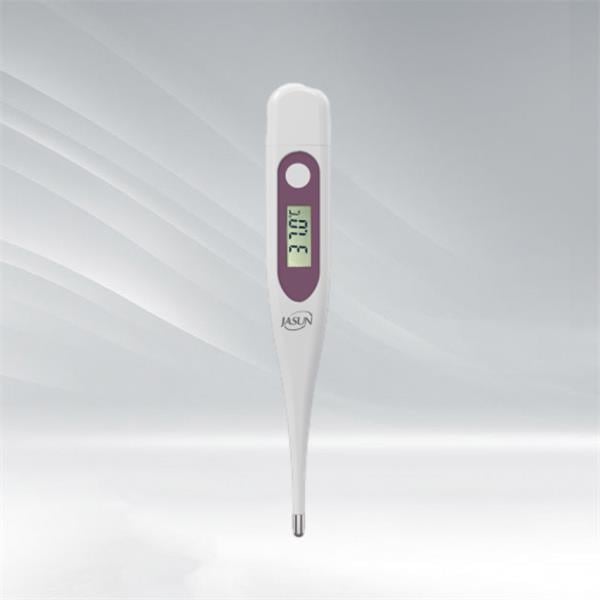
Proper installation and usage of fever oral thermometers in medical settings are crucial for ensuring accurate temperature readings and maintaining hygiene.
User Training: Ensure that all personnel using the thermometer are trained in its operation. This includes understanding how to properly position the thermometer for oral use and how to interpret the readings accurately.
Sanitization Protocols: Implement sanitization protocols to clean thermometers between uses, especially in multi-patient environments. This may involve using disposable covers or cleaning solutions recommended by the manufacturer.
Storage Conditions: Store thermometers in a controlled environment to prevent damage and ensure accuracy. Avoid exposing them to extreme temperatures or moisture, which can affect their performance.
Regular Calibration: Depending on the usage frequency, establish a regular calibration schedule to verify the thermometer’s accuracy. Some models may have built-in self-check features that alert users to any discrepancies.
By following these installation guidelines, healthcare facilities can enhance the reliability and longevity of their best oral thermometer.
Fever oral thermometers serve critical roles in various healthcare applications, making them indispensable in medical settings.
Routine Patient Monitoring: In hospitals and clinics, fever thermometers are essential for routine monitoring of patients, especially those with suspected infections or respiratory illnesses. Regular temperature checks can help identify fever trends and guide treatment decisions.
Screening in Public Health: During public health emergencies or outbreaks, fever thermometers are used in screening processes at entry points, such as airports and hospitals. Quick and accurate temperature checks can help identify individuals who may require further medical evaluation.
Home Care Settings: With the rise of telemedicine and home healthcare, fever oral thermometers are increasingly used by caregivers to monitor patients remotely. This allows for timely interventions and better management of chronic conditions.
Pediatric Care: Thermometers designed for oral use are particularly beneficial in pediatric care, where accurate temperature readings are crucial for diagnosing and managing childhood illnesses.
Understanding the diverse applications of fever oral thermometers enables healthcare providers and businesses to leverage these devices effectively, ensuring better patient outcomes and operational efficiency.
JASUN is a registered trademark of Hangzhou Hua'an Medical & Health Instruments Co.,Ltd. Your first option for premium thermometer suppliers in China with CE, MDR, ISO13485:2003, FDA and BSCI certificates.
Our location: Building 2,1# Fuzhu Nan RD, Wuchang Town, Yuhang District, Hangzhou, Zhejiang 310023, China
HOURS: 8:30AM - 6:00PM
Copyright © Hangzhou Hua'an Medical & Health Instruments Co.,Ltd. All Rights Reserved Blog Privacy Policy
 EN