
Electronic clinical thermometers are essential medical devices used for measuring body temperature accurately. These instruments are widely employed in various healthcare settings, including hospitals, clinics, and pharmacies. As a B2B buyer, your primary concerns likely revolve around reliability, accuracy, and compliance with industry standards. This article will delve into key considerations for selecting the right electronic clinical thermometer, outline a purchasing guide for wholesalers, detail important specifications, address common issues with these devices, and explore their applications in healthcare.
When selecting an electronic clinical thermometer, several factors should influence your decision. First, consider the type of thermometer that best fits your needs. Options include digital, infrared, and disposable thermometers, each with unique advantages. For example, digital thermometers offer quick and accurate readings, while infrared models can provide non-contact measurements, reducing the risk of cross-contamination. If you're interested in a more advanced option, Digital Infrared Thermometers can be effective in such scenarios.
Accuracy is paramount; look for thermometers with a margin of error no greater than ±0.2°C. Additionally, ensure that the thermometer complies with relevant regulations and certifications, such as CE and FDA, to guarantee its quality and reliability.
Consider the intended application as well. Some thermometers are designed for specific uses, such as measuring forehead temperatures in pediatric patients or taking rectal measurements for critical care. Understanding your target demographics will help you select the most appropriate device. For instance, Ear & Forehead Thermometers are particularly useful in pediatric settings.
Lastly, assess features such as memory storage, backlit displays for easy reading, and battery life, which can enhance usability and efficiency in a busy healthcare environment.
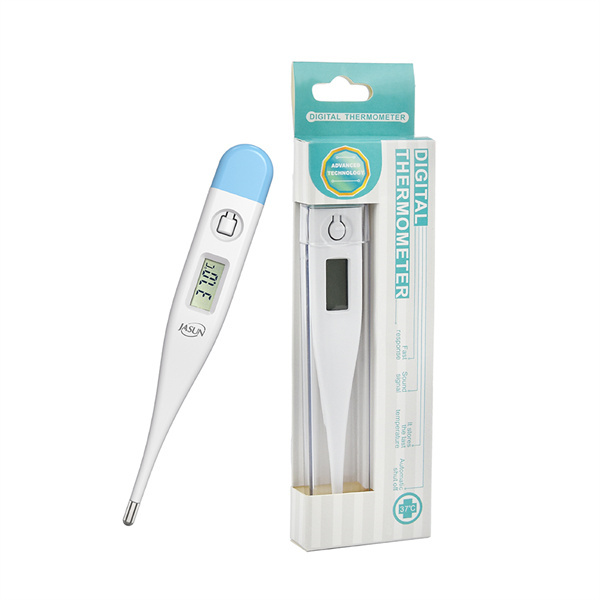
For businesses looking to purchase electronic clinical thermometers in bulk, there are several key points to consider. Start by identifying your specific requirements, including the desired quantity and any customization needs. This information is vital when requesting quotes from manufacturers.
When evaluating suppliers, consider their manufacturing capabilities and certifications. A reputable manufacturer like Hangzhou Huaan Medical Health Instruments Co., Ltd. should have certifications such as ISO 13485:2003, which indicates a commitment to quality management systems in the medical device industry.
Inquire about the manufacturer's minimum order quantity (MOQ) and lead times, as these can impact your inventory planning. It's also beneficial to request samples before placing a large order. This allows you to assess the product's quality and functionality firsthand.
Don't forget to discuss packaging requirements. Proper packaging is essential for ensuring that thermometers remain undamaged during transport. Also, consider the manufacturer's capacity for after-sales support, which can be crucial for addressing any issues that arise post-purchase.
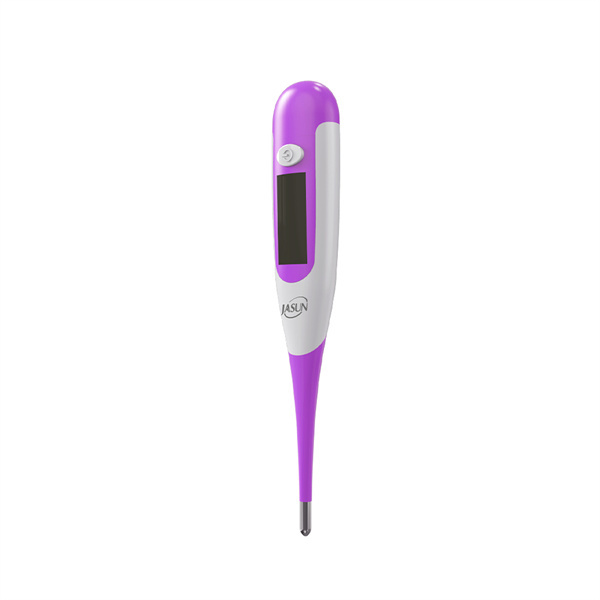
When evaluating electronic clinical thermometers, several specifications should be prioritized. Begin by checking the measurement range; the ideal thermometer should measure temperatures from at least 32°C to 42°C. This range covers the normal body temperature spectrum and allows for accurate assessment of fever.
Next, examine the device's response time. A thermometer that provides readings within 1-3 seconds is generally preferred for efficiency, especially in fast-paced environments. Look for thermometers with a clear display, preferably with backlighting, to ensure readability in various lighting conditions.
Durability is another critical aspect. Thermometers should be made from high-quality materials that can withstand frequent use and the potential for drops. Water resistance can also be a beneficial feature, particularly for thermometers used in clinical settings.
Lastly, consider the ease of cleaning and maintenance. Thermometers that are easy to disinfect will help maintain hygiene standards in healthcare environments.
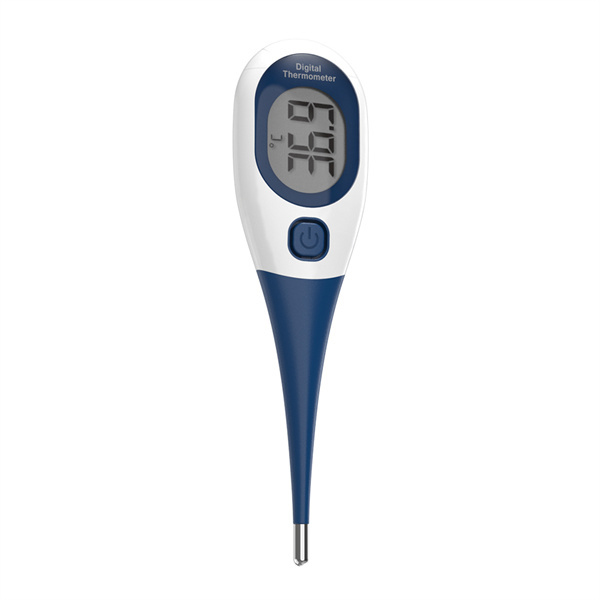
While electronic clinical thermometers are generally reliable, they can encounter several common issues. One frequent problem is inaccurate readings, which can stem from improper placement or calibration errors. It's vital to ensure that users are trained on the correct techniques for thermometer use, including following the manufacturer’s instructions for positioning and timing.
Battery life is another concern. Many electronic thermometers are battery-operated, and low battery levels can affect performance. Regularly checking and replacing batteries can mitigate this issue.
If a thermometer fails to turn on, it may be due to a faulty battery or internal circuit issues. It's advisable to conduct routine maintenance checks and have a troubleshooting guide available for users.
Finally, if a thermometer shows erratic readings, investigate potential contamination of the sensor or display. Regular cleaning and proper storage can help prevent such problems.
Electronic clinical thermometers have a wide range of applications in healthcare settings. They are primarily used for patient assessment in hospitals, outpatient clinics, and home healthcare environments. In hospitals, these devices are essential for monitoring patients' vital signs, especially in critical care units where timely temperature readings can inform treatment decisions.
In pediatric settings, non-contact infrared thermometers are particularly useful for screening children without causing discomfort. This application has gained even more relevance in the context of infectious disease management, where minimizing physical contact is crucial.
Pharmacies and retail health clinics also utilize electronic clinical thermometers for customer service, allowing consumers to check their temperatures before consulting healthcare professionals. This proactive approach helps raise awareness of potential health issues and ensures that patients receive the appropriate care promptly.
Overall, electronic clinical thermometers play a vital role in enhancing patient care through accurate and efficient temperature monitoring across various healthcare environments. As a B2B buyer, understanding their applications will help you make informed purchasing decisions that meet your organization's needs.
JASUN is a registered trademark of Hangzhou Hua'an Medical & Health Instruments Co.,Ltd. Your first option for premium thermometer suppliers in China with CE, MDR, ISO13485:2003, FDA and BSCI certificates.
Our location: Building 2,1# Fuzhu Nan RD, Wuchang Town, Yuhang District, Hangzhou, Zhejiang 310023, China
HOURS: 8:30AM - 6:00PM
Copyright © Hangzhou Hua'an Medical & Health Instruments Co.,Ltd. All Rights Reserved Blog Privacy Policy
 EN