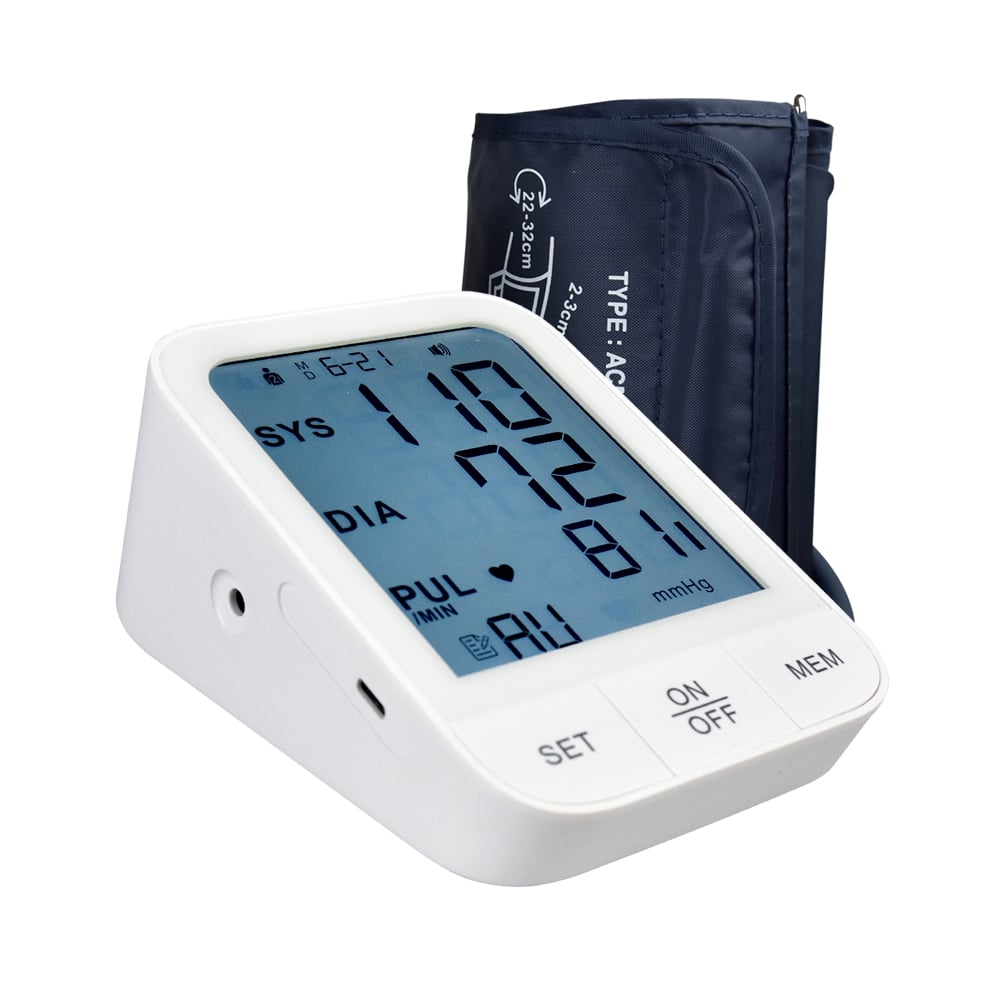
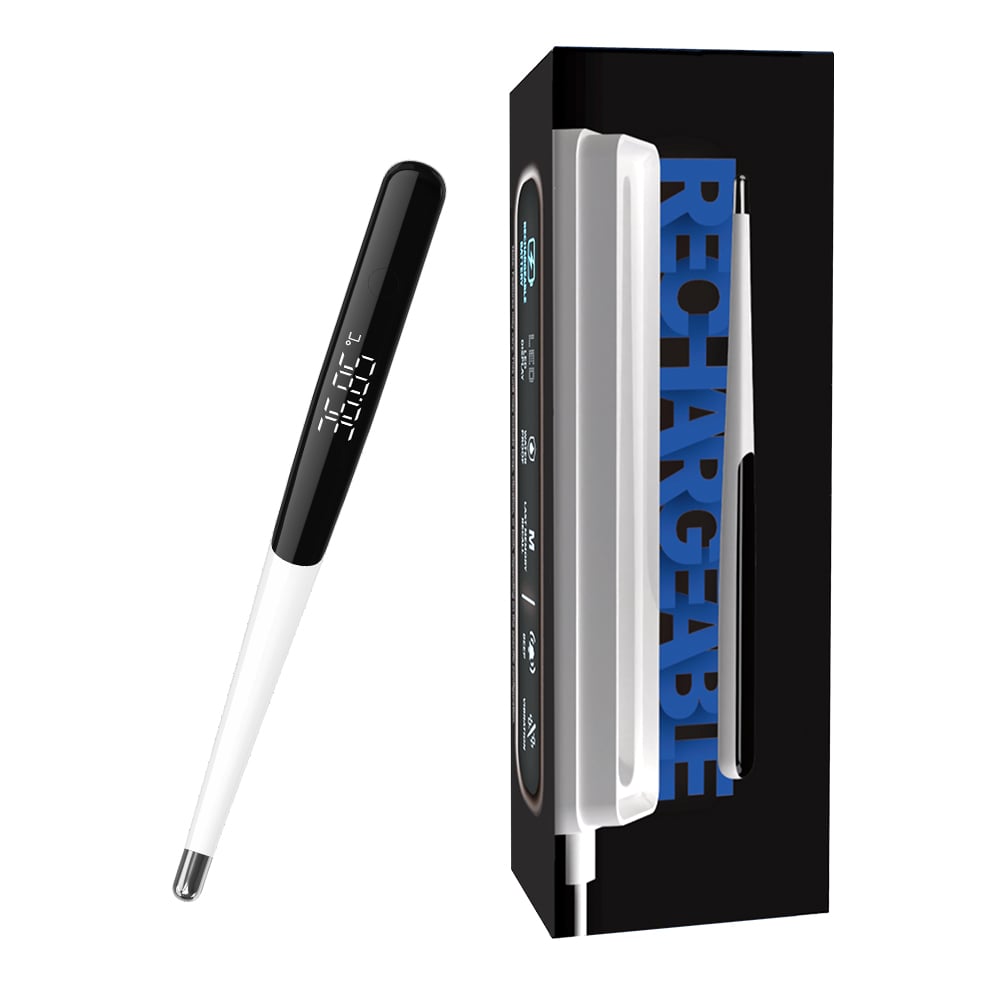
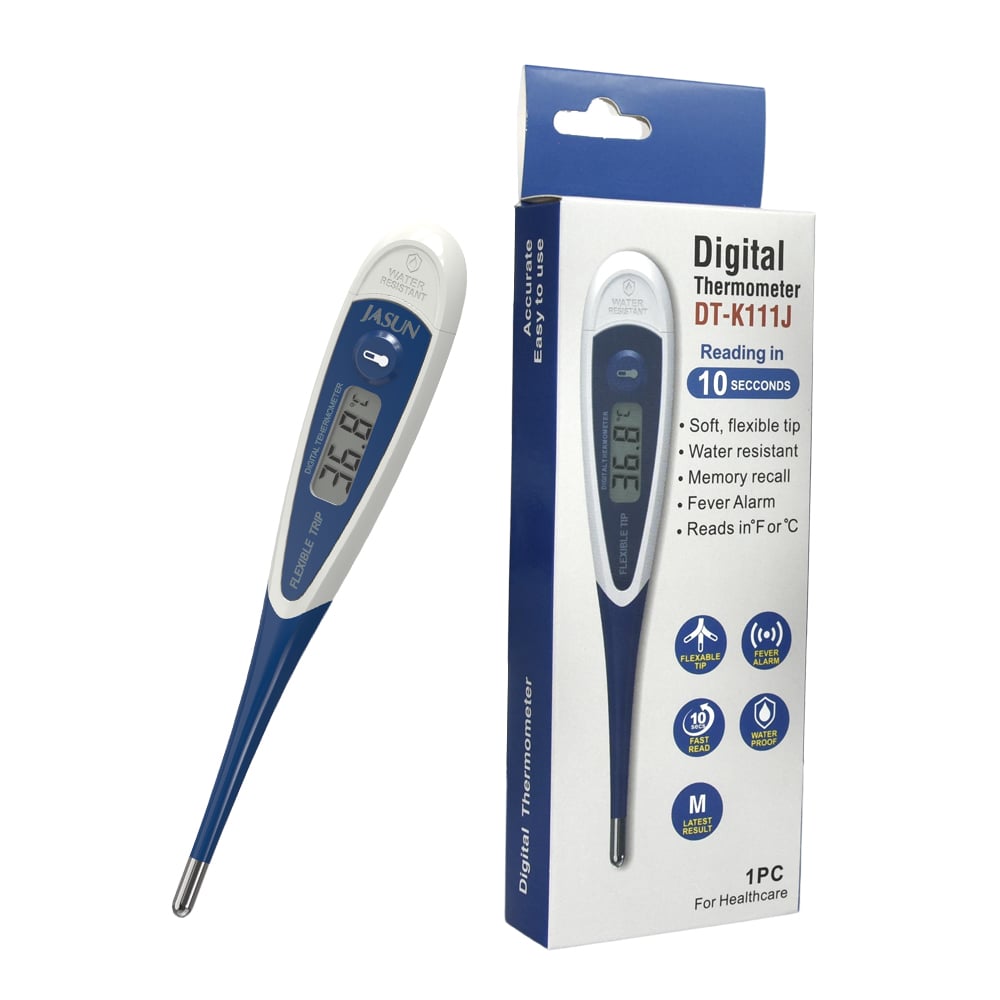
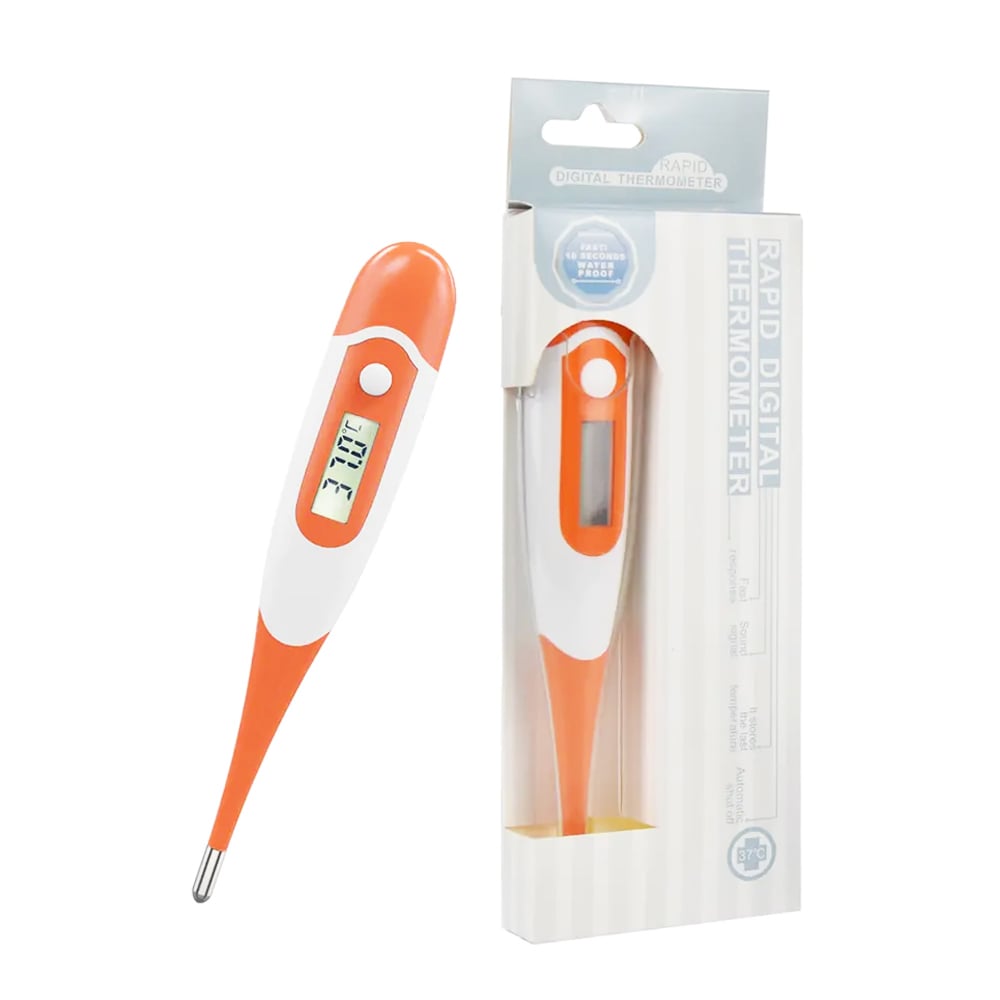
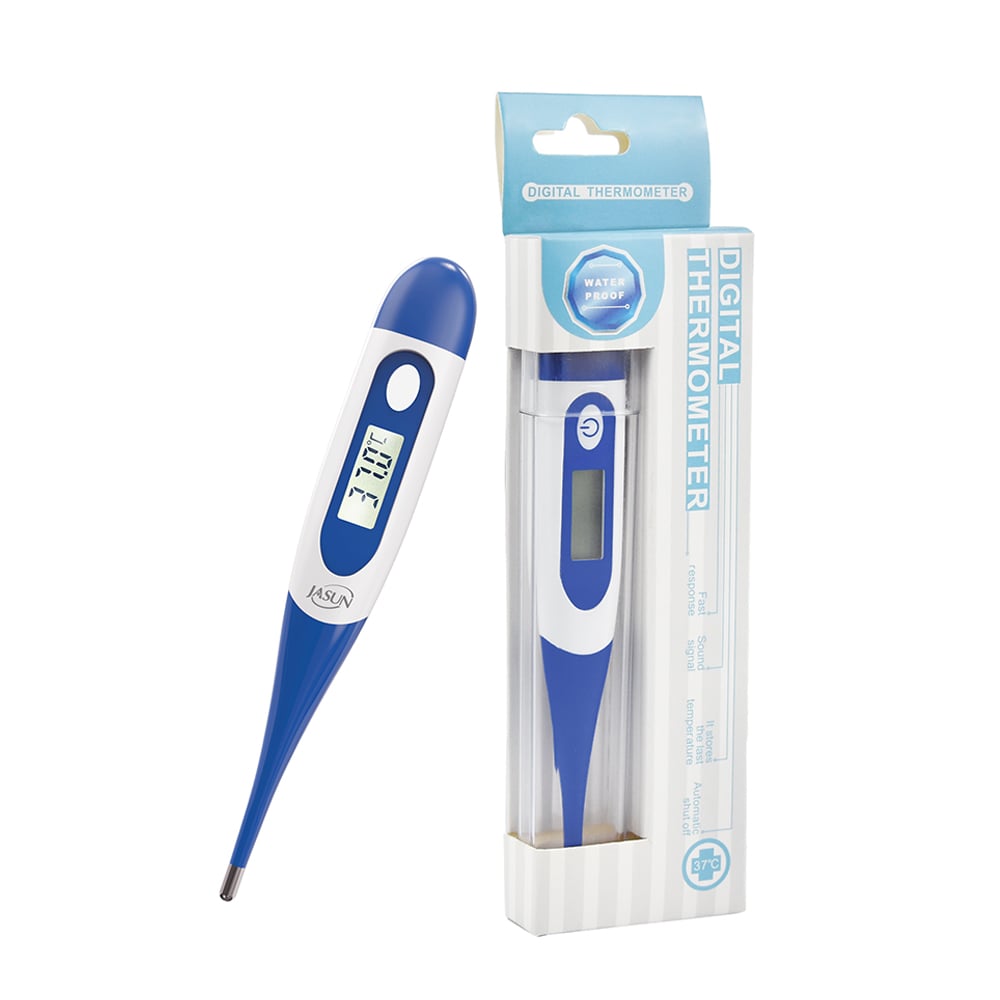
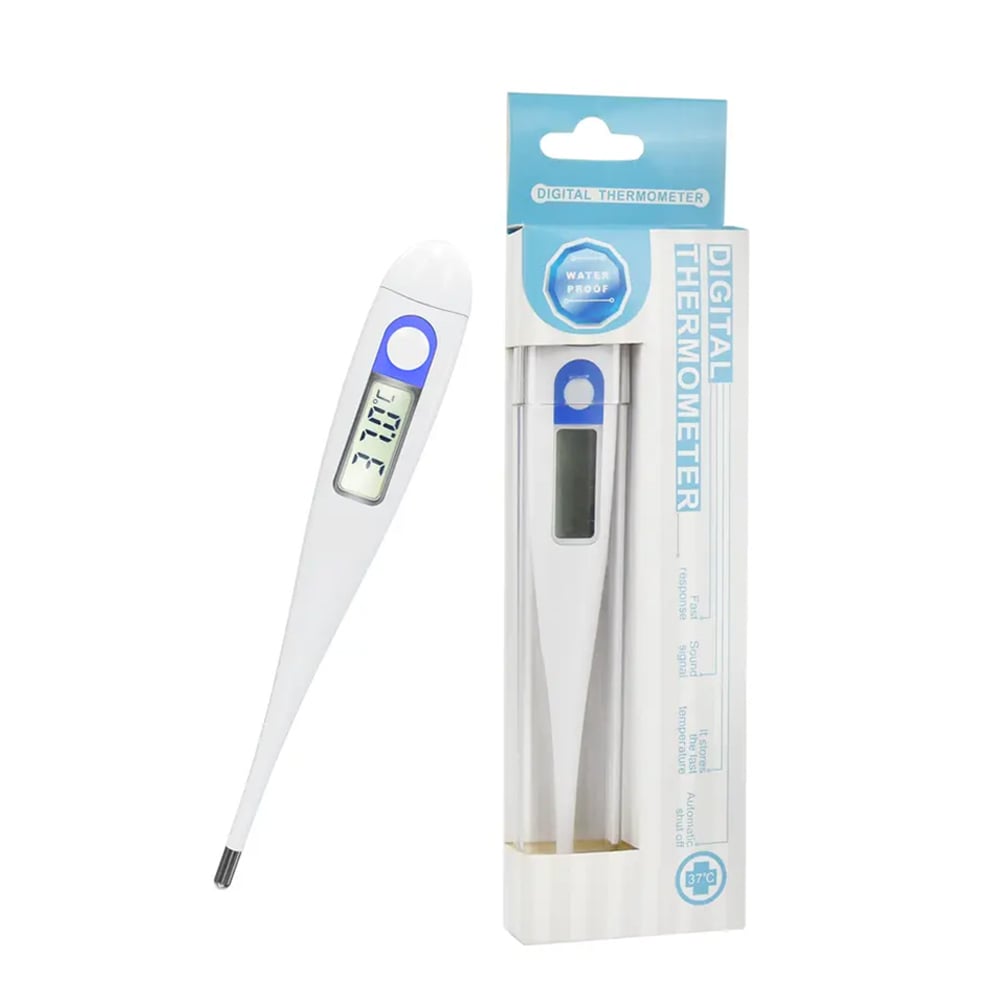
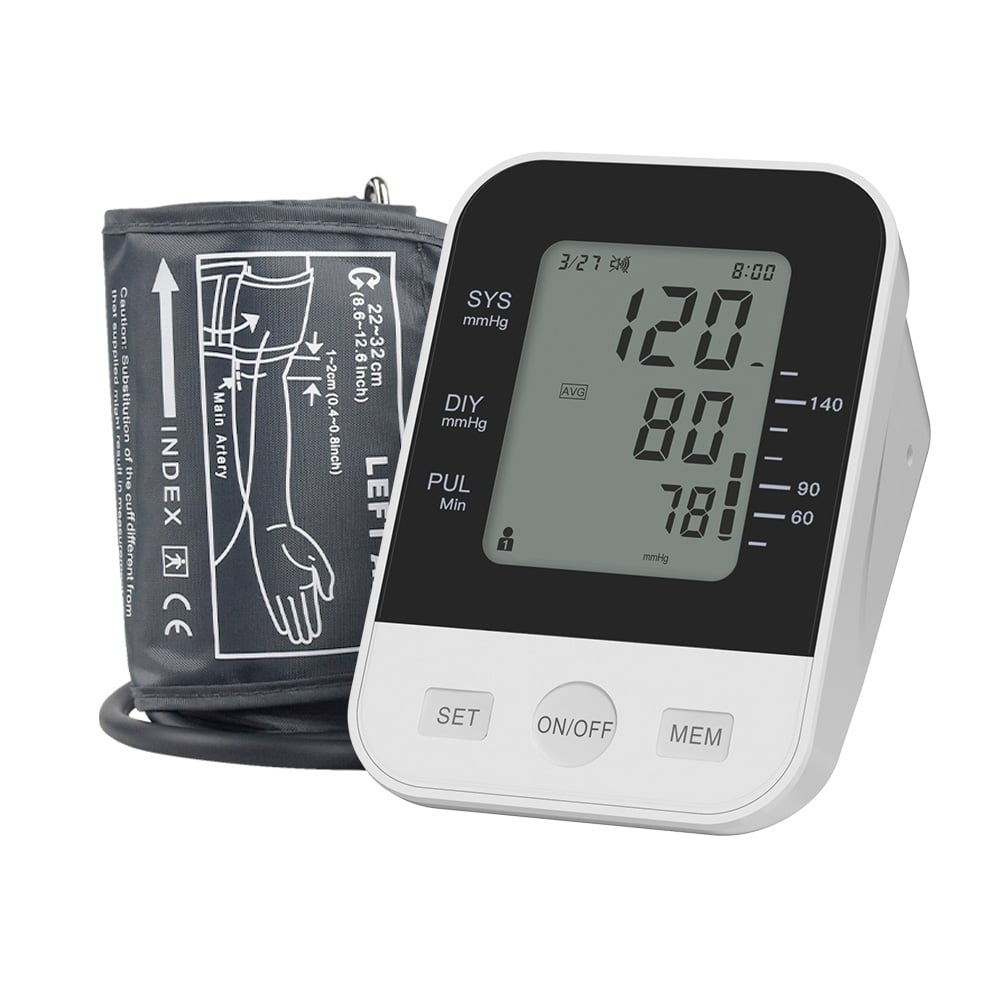
An electro sphygmomanometer is a vital medical device used to measure blood pressure accurately and comfortably. For B2B buyers, such as purchasing managers and distributors, understanding the key specifications, applications, and material advantages of these devices is essential in making informed wholesale purchase decisions. This article provides critical insights into selecting the right electro sphygmomanometer, ensuring that buyers can evaluate options effectively and meet their market needs.
Selecting the right electro sphygmomanometer for wholesale purchases involves several considerations. First, buyers should assess the intended application—whether for hospitals, clinics, or home healthcare settings—as this will influence the specific features required. For instance, devices aimed at home use often prioritize ease of use and battery operation, while those for clinical settings may need advanced features like data storage and connectivity options.
Buyers should also consider the reputation of the manufacturer. A company like Hangzhou Huaan Medical Health Instruments Co., Ltd., with over two decades of experience and recognized certifications such as CE, ISO13485:2003, and FDA, can provide assurance of product quality and reliability. Additionally, evaluating the manufacturer's OEM/ODM capabilities can be critical for businesses looking to customize products for their branding or specific market demands.
Another important factor is the minimum order quantity (MOQ) and pricing structure. Buyers should inquire about bulk discounts and shipping logistics, as these can significantly affect the overall purchasing cost. Understanding lead times for production and delivery is also crucial to ensure that stock levels can meet demand without excess delays.
When evaluating electro sphygmomanometers, several key specifications should be considered:
Measuring Range: The device should have a wide measuring range to accommodate a diverse patient population. Standard ranges typically extend from 0 to 300 mmHg, but buyers should confirm specific requirements based on their target market.
Accuracy: Accuracy is paramount in medical devices. Look for specifications that guarantee a measurement error of ±3 mmHg or less, as this can impact clinical decisions.
Display Type: The type of display affects usability. LED screens are generally preferred for their clarity, especially in low-light situations. Some models also offer backlit displays for enhanced visibility.
Power Supply: Electro sphygmomanometers can be powered by batteries, AC adapters, or both. Battery-operated models provide portability, which is particularly beneficial for home healthcare.
Cuff Size and Type: Different patients require different cuff sizes. Ensure that the manufacturer offers a range of cuffs to meet various patient needs. Additionally, automatic cuffs can enhance ease of use and accuracy.
Data Storage and Connectivity: Many modern devices come with features that allow for data storage and connectivity to software systems for monitoring patient data. This can be an important consideration for hospitals and clinics.
Understanding these specifications will help buyers ensure that the selected electro sphygmomanometer meets both clinical requirements and patient needs.
Electro sphygmomanometers are widely used across various healthcare settings, each with unique applications. In hospitals and clinics, they are crucial for routine blood pressure monitoring, which aids in diagnosing and managing hypertension and other cardiovascular conditions. The ability to take quick and accurate readings is essential for effective patient care, especially in emergency situations.
In outpatient settings, these devices are often used in routine check-ups and screenings, providing healthcare professionals with reliable data to make informed decisions. Additionally, with the rise of telemedicine, electro sphygmomanometers equipped with Bluetooth or Wi-Fi connectivity are becoming increasingly important. They allow patients to measure their blood pressure at home and share the data with healthcare providers remotely, facilitating ongoing management of chronic conditions.
Home healthcare is another growing market for electro sphygmomanometers. Devices designed for personal use must prioritize ease of operation and comfort, as patients may vary widely in their understanding of medical devices. Manufacturers should consider these different applications when designing their products to ensure they meet the distinct needs of each market segment.
The materials used in electro sphygmomanometers play a significant role in their durability and comfort. Common materials include high-quality plastics for the casing and flexible, hypoallergenic fabrics for the cuffs.
Durability: Devices must withstand frequent use, especially in clinical settings. High-grade plastics and reinforced components can enhance durability, reducing the likelihood of failure during operation.
Comfort: Cuffs made from soft, breathable materials improve patient comfort, especially during prolonged monitoring. For home use, comfort becomes even more critical, as patients are more likely to adhere to monitoring regimens if the device is pleasant to use.
Maintenance: Selecting materials that are easy to clean and resistant to wear is essential, particularly in environments where infection control is a priority. Buyers should ensure that the manufacturer provides guidance on cleaning and maintenance best practices.
By prioritizing the right materials, manufacturers can enhance both the functionality and user experience of their electro sphygmomanometers, ultimately leading to greater customer satisfaction.
When considering the purchase of electro sphygmomanometers, buyers should look for a combination of features that provide tangible benefits:
Automatic Measurement: Many modern devices feature automatic inflation and deflation, streamlining the measurement process and minimizing user error.
Memory Function: The ability to store previous readings allows users to track changes over time, which is invaluable for both patients and healthcare providers.
Multiple User Profiles: Some models support multiple user profiles, making them suitable for family use or shared settings like clinics.
Battery Life Indicator: A low battery indicator helps ensure the device is always ready for use, avoiding interruptions in patient monitoring.
Lightweight and Portable Design: Devices designed with portability in mind enable easy transport, which is especially useful in home healthcare and field settings.
For B2B buyers, understanding these features can help in selecting products that not only meet clinical needs but also enhance user experience and satisfaction, leading to better health outcomes.
By taking into account the specifications, applications, materials, and features outlined, B2B buyers can make informed decisions when sourcing electro sphygmomanometers. This proactive approach ensures that they invest in reliable, high-quality devices that meet the needs of healthcare professionals and patients alike.
JASUN is a registered trademark of Hangzhou Hua'an Medical & Health Instruments Co.,Ltd. Your first option for premium thermometer suppliers in China with CE, MDR, ISO13485:2003, FDA and BSCI certificates.
Our location: Building 2,1# Fuzhu Nan RD, Wuchang Town, Yuhang District, Hangzhou, Zhejiang 310023, China
HOURS: 8:30AM - 6:00PM
Copyright © Hangzhou Hua'an Medical & Health Instruments Co.,Ltd. All Rights Reserved Blog Privacy Policy
 EN