
An ear thermometer is a valuable medical device used to measure body temperature through the ear canal. For B2B buyers especially purchasing managers, distributors, and healthcare providers, selecting the right ear thermometer is critical for ensuring accurate readings, patient comfort, and compliance with medical standards. This article will guide you through important considerations when choosing digital ear thermometer, including specifications, cost factors, best practices, and applications in various settings.
Selecting the right ear thermometer involves understanding various specifications and features. Key considerations include:
Accuracy: Look for thermometers with a proven accuracy rating. Accuracy is vital in clinical settings, as even slight variations can lead to misdiagnosis or inappropriate treatments. Ensure the thermometer meets relevant standards, such as CE and FDA certifications.
Response Time: Different models may vary in how quickly they provide readings. A fast response time is particularly important in busy healthcare environments, where time is of the essence.
Comfort and Usability: The design should ensure patient comfort, especially for pediatric use. Features such as soft tips can enhance comfort for children and reduce anxiety during temperature checks.
Durability and Maintenance: Evaluate the materials used in the thermometer, as robust construction can withstand the rigors of frequent use. Additionally, consider whether the device requires regular calibration or battery replacements.
Data Storage and Connectivity: Some advanced ear thermometers offer data storage or connectivity options that allow for seamless integration with electronic health records (EHRs). This feature can enhance workflow efficiency in clinical settings.
User Instructions and Support: Ensure the digital thermometer comes with clear instructions and that the supplier offers support for troubleshooting or usage questions.
By considering these factors, buyers can select ear thermometers that meet their specific needs and those of their patients.
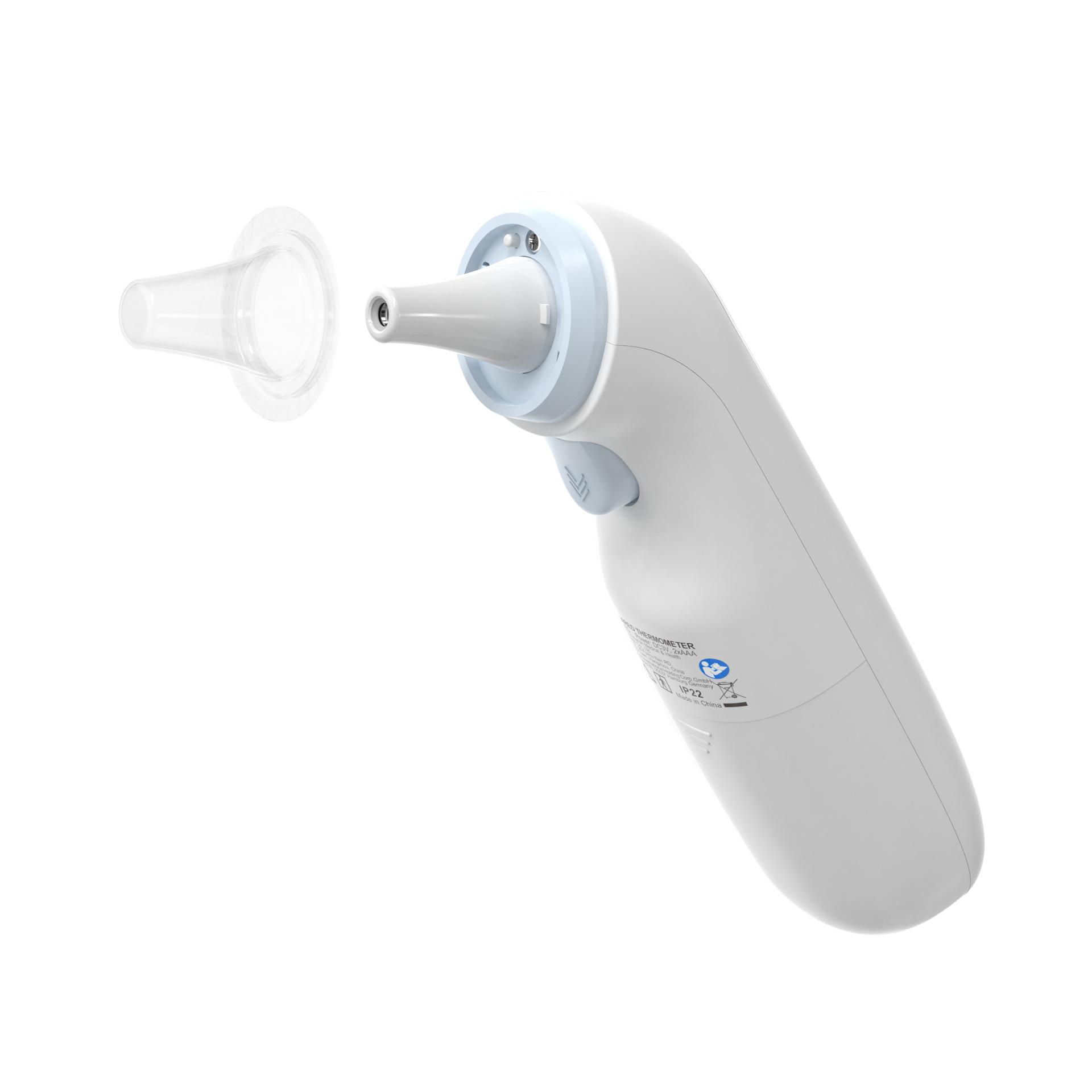
When entering negotiations or RFQs for ear thermometers, buyers should be prepared with detailed specifications and expectations. Here are crucial points to consider:
Specifications: Provide clear information about the desired temperature range, accuracy requirements, and response time. Specify whether you need a digital display, color-coded fever alerts, or memory functions for storing previous readings.
Customization Requirements: If your organization requires branded or customized models, communicate this to suppliers early in the process. Customization can include specific packaging, labeling, or design elements that align with your brand identity.
Minimum Order Quantity (MOQ): Understand the manufacturer's MOQ and how it aligns with your purchasing strategy. Some suppliers may offer flexibility on MOQs for repeat orders or long-term contracts.
Lead Time and Delivery: Discuss lead times early on, especially if the thermometers are needed urgently. Confirm whether the supplier can meet your timeline and the implications for shipping and logistics.
Quality Control Procedures: Inquire about the manufacturer's quality assurance processes. Understanding how they test and verify the accuracy and durability of their products can enhance trust in their offerings.
By being well-informed and prepared, buyers can navigate the purchasing process with confidence.
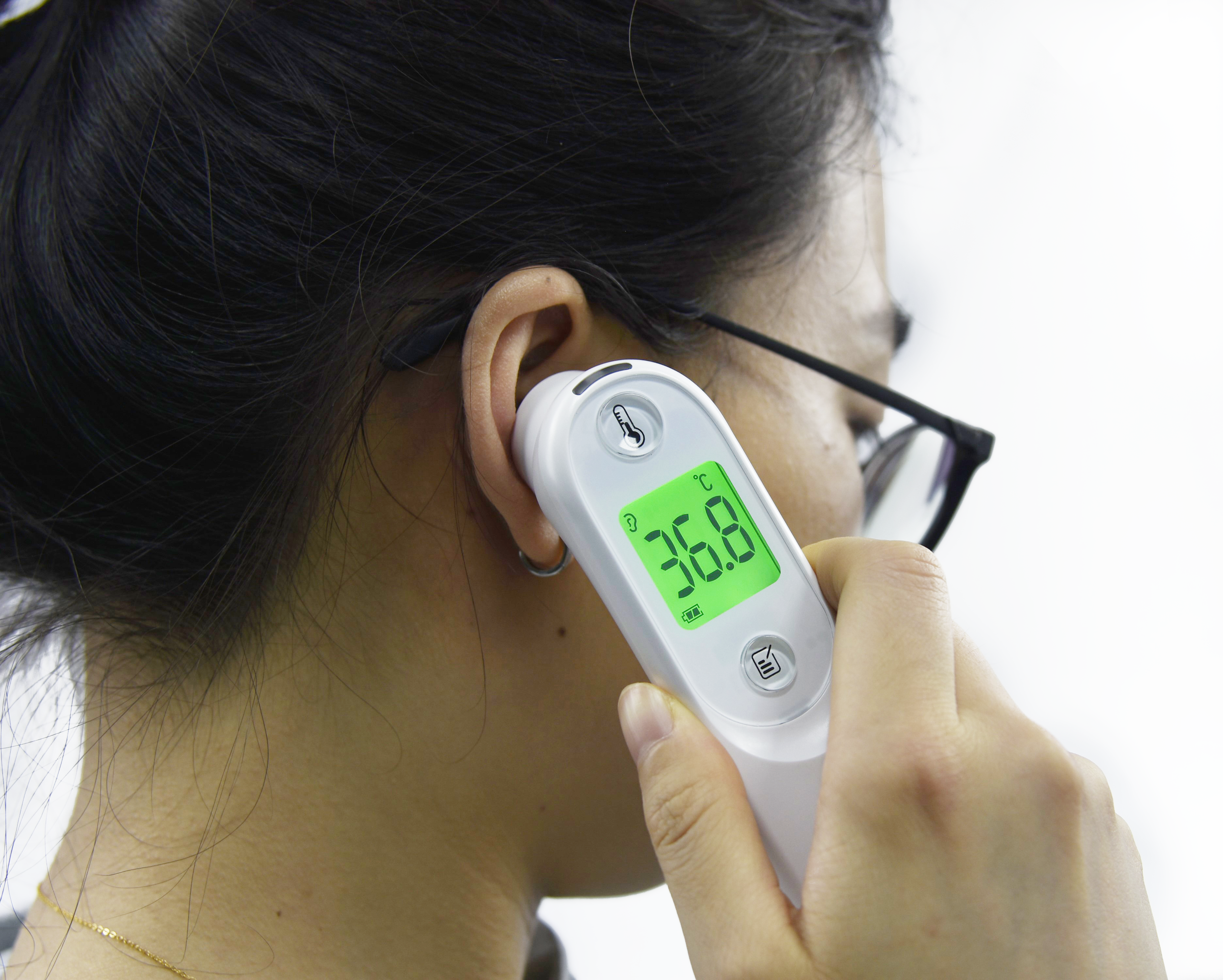
The cost of ear thermometers can vary significantly based on several factors. Here are the main components to consider when assessing price:
Model and Features: Basic models will generally be less expensive than advanced ones with enhanced features like Bluetooth connectivity or higher accuracy specifications. Identify what features are essential for your application to avoid overpaying for unnecessary capabilities.
Order Volume: Larger orders typically qualify for significant discounts. Assess your needs and consider bulk purchases to maximize savings. However, weigh the potential for stockpiling against changing technology or product models.
Supplier Reputation: Established manufacturers, like Hangzhou Huaan Medical Health Instruments Co., Ltd., may charge slightly more due to their quality assurance and certifications. However, investing in reputable suppliers can reduce the risk of defects and ensure reliable performance.
Shipping and Handling Costs: Factor in shipping costs, which can vary based on distance and urgency. Some suppliers may offer free shipping for large orders, which can offset initial costs.
Warranty and Support: Consider the warranty period and the availability of customer support. A longer warranty may justify a higher initial cost by providing peace of mind regarding product reliability.
By analyzing these cost factors, buyers can make informed purchasing decisions that align with their budget and operational needs.
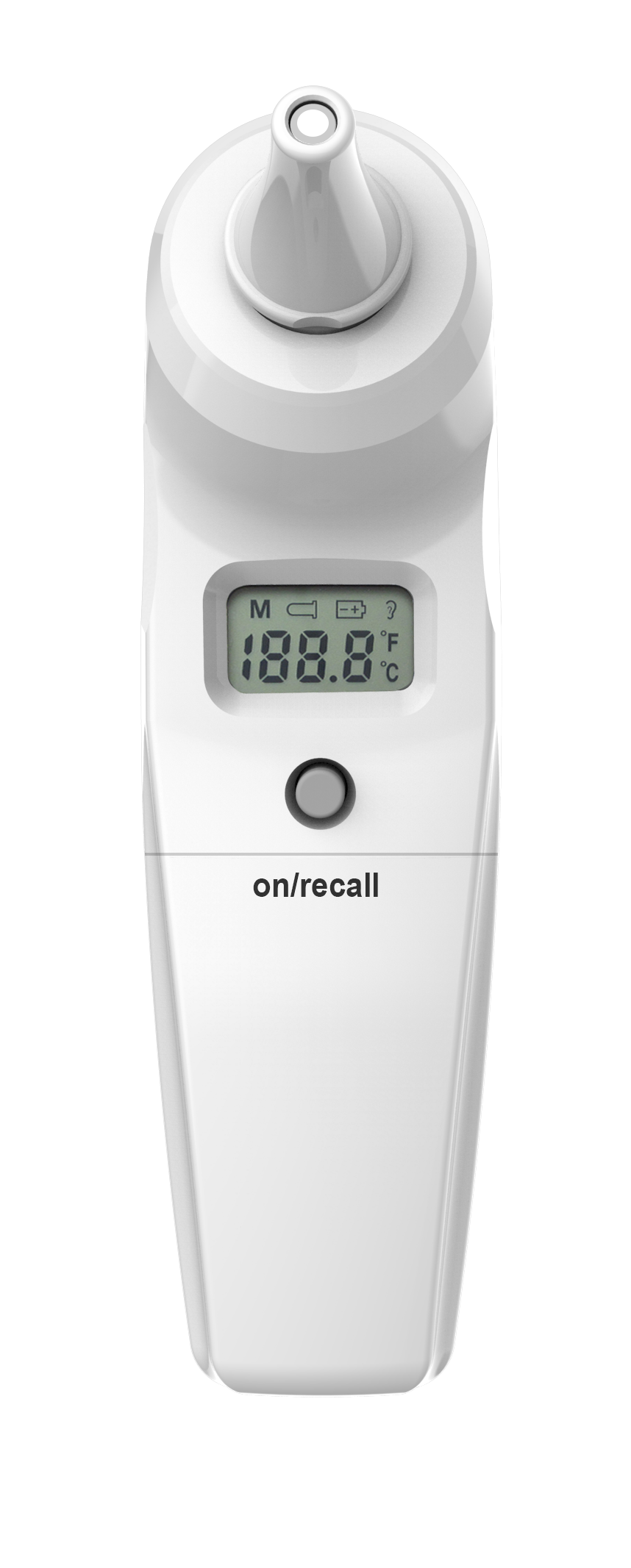
To foster successful procurement of ear thermometers, consider these best practices:
Request Samples: Before placing a large order, request samples to evaluate the product's comfort, ease of use, and accuracy. Testing under actual conditions can reveal potential issues that specifications alone may not indicate.
Check References: When selecting a supplier, ask for references or case studies from other healthcare providers or distributors. This can offer insights into the supplier's reliability and product performance.
Evaluate Quality Control Processes: Inquire about the quality control measures implemented during production. A rigorous quality assurance process can minimize defects and ensure consistent performance.
Assess Technical Support: Ensure that the supplier provides adequate technical support for troubleshooting and user training. This can be crucial for ensuring that your staff can operate the infant ear thermometer effectively.
Stay Informed on Industry Trends: Keep abreast of advancements in medical technology, especially in temperature measurement devices. Being informed can help you make better decisions and consider future upgrades or changes in your procurement strategy.
Implementing these best practices will enhance the effectiveness of your purchasing process and ensure you select the right products for your organization.
Ear thermometers are widely used in various settings, each with unique applications:
Healthcare Facilities: In hospitals and clinics, ear thermometers offer a quick and non-invasive method for measuring body temperature in patients of all ages. They are particularly useful in emergency departments, where rapid assessment is crucial for effective treatment.
Home Healthcare: With an increase in at-home patient monitoring, ear thermometers have become popular among caregivers and families. Their ease of use allows for quick temperature checks, making them ideal for managing illnesses at home.
Industrial Applications: In manufacturing or food production environments, ear thermometers can be used for monitoring employees’ health, particularly when fever detection is vital for workplace safety. Ensuring employees are healthy can help prevent the spread of illness and maintain productivity.
Sports and Fitness: In athletic settings, ear thermometers can quickly assess the body temperature of athletes, especially during training or competitions. Monitoring temperature can help prevent heat-related illnesses.
Research and Development: In clinical trials or medical research, accurate temperature measurements are essential for data integrity. Ear thermometers can provide reliable data collection for studies involving temperature-sensitive conditions.
By understanding these applications, buyers can better assess the suitability of ear thermometers for their specific needs and environments.
JASUN is a registered trademark of Hangzhou Hua'an Medical & Health Instruments Co.,Ltd. Your first option for premium thermometer suppliers in China with CE, MDR, ISO13485:2003, FDA and BSCI certificates.
Our location: Building 2,1# Fuzhu Nan RD, Wuchang Town, Yuhang District, Hangzhou, Zhejiang 310023, China
HOURS: 8:30AM - 6:00PM
Copyright © Hangzhou Hua'an Medical & Health Instruments Co.,Ltd. All Rights Reserved Blog Privacy Policy
 EN

