
Digital oral thermometers are essential instruments in healthcare settings, providing quick and accurate measurements of body temperature. These devices are critical for medical professionals, purchasing managers, and distributors who require reliable equipment for patient care. As the demand for high-quality temperature measuring devices increases, understanding the specifications, applications, and installation requirements becomes vital for making informed purchasing decisions. This article will guide you through key specifications, installation guidance, common issues, applications, and what to look for when selecting digital oral thermometers.
When evaluating digital oral thermometers, several key specifications should be considered:
Accuracy: Look for thermometers that guarantee accuracy within a specific range, typically ±0.1°C. This is crucial for effective diagnosis and treatment.
Response Time: A reliable digital oral thermometer should provide readings within 10 seconds to 1 minute, allowing for efficient patient assessment.
Display Type: Ensure the thermometer features a clear digital display that is easy to read. Backlit displays can be especially useful in low-light conditions.
Battery Life: Long-lasting batteries are essential for minimizing downtime. Consider models that provide low battery indicators and can be easily replaced.
Material and Design: The thermometer's materials should be non-toxic and easy to clean. A waterproof design can enhance durability and hygiene standards.
Certifications: Verify that the thermometer has relevant certifications such as CE, FDA, and ISO13485:2003. These indicate compliance with international safety and quality standards.
By focusing on these specifications, buyers can ensure they select a digital oral thermometer that meets the demands of healthcare applications. For those looking for alternatives, Digital Blood Pressure Monitors can also be an effective tool in monitoring health.
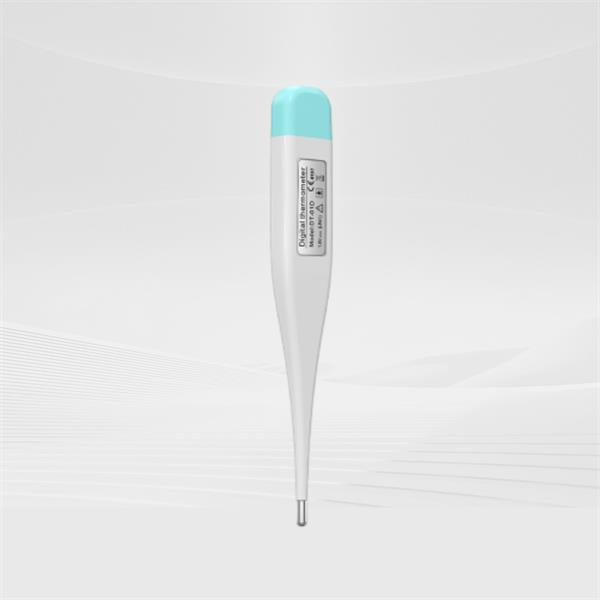
Proper installation of digital oral thermometers is crucial for accurate readings and user safety. Here are guidelines for effective installation in a medical environment:
Choose the Right Location: Install thermometers in areas with stable temperatures, away from direct sunlight, drafts, or heat sources to prevent inaccurate readings.
Training Staff: Ensure that medical staff are trained on the correct usage of the thermometer, including how to calibrate and maintain it for optimal performance.
Regular Calibration: Establish a routine for calibrating thermometers according to manufacturer recommendations. This ensures ongoing accuracy and reliability.
Cleanliness Protocols: Implement strict hygiene protocols, including regular cleaning and disinfecting of the thermometer after each use to prevent cross-contamination.
Storage Conditions: Store thermometers in their protective cases when not in use. This helps to maintain their functionality and prolongs their lifespan.
Following these installation and maintenance practices will help ensure that digital oral thermometers perform reliably in medical settings. Additionally, using thermometer accessories can enhance the usability and longevity of these devices.
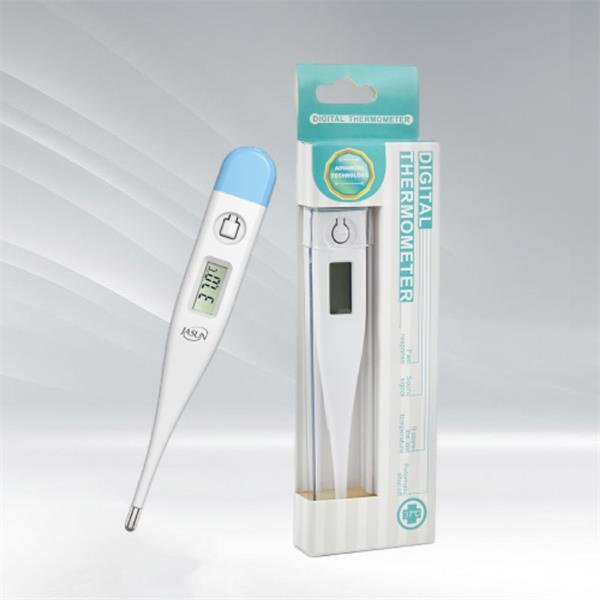
While digital oral thermometers are generally reliable, users may encounter several common issues:
Inaccurate Readings: This can occur due to improper placement or insufficient calibration. Solutions include ensuring the thermometer is placed correctly under the tongue and calibrating it regularly based on the manufacturer's guidelines.
Battery Failure: A low battery can lead to malfunctioning or inaccurate readings. Regularly check battery levels and replace batteries as needed to avoid interruptions in usage.
Display Malfunctions: If the display is unclear or not functioning, it may be due to moisture buildup. Ensure the thermometer is completely dry before use and store it properly.
Overheating: Some thermometers may overheat during use, leading to errors. Allow the device to cool down if it has been in use for an extended period.
Software Issues: If the thermometer features digital software, ensure it is updated regularly to avoid glitches. Consult the manufacturer for troubleshooting tips.
Being aware of these potential problems and their solutions can help users maintain the reliability of their digital oral thermometers.
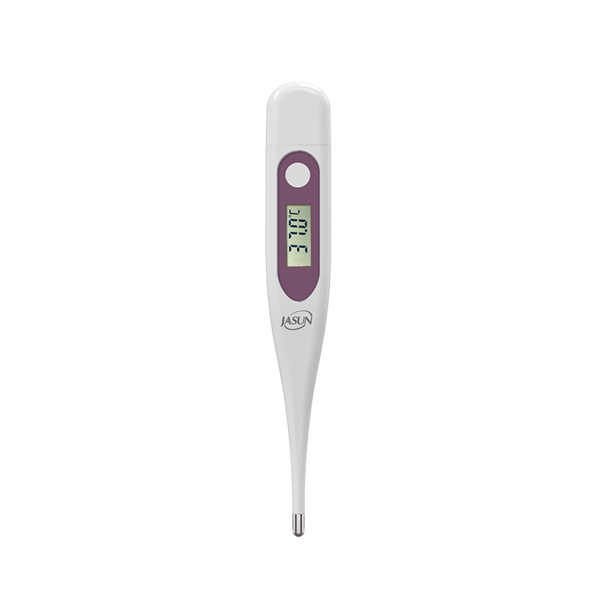
Digital oral thermometers are versatile tools that find applications in various healthcare environments, including:
Hospitals: Used in emergency rooms and inpatient wards for quick temperature assessments, helping to diagnose fever and monitor patient health.
Clinics: Essential for routine check-ups and pre-operative assessments, providing healthcare professionals with immediate temperature readings.
Home Healthcare: Increasingly used by caregivers and patients at home for ongoing health monitoring, ensuring that medical conditions are managed effectively.
Pharmacies: Retail pharmacies often use digital oral thermometers to provide customers with immediate health assessments, enhancing customer service.
Public Health Initiatives: During health crises, such as pandemics, digital oral thermometers are used in public screening to quickly identify individuals with elevated temperatures.
These applications demonstrate the importance of digital oral thermometers in maintaining health and wellbeing across various settings.
When selecting a digital oral thermometer, consider several important factors to ensure you are making an informed decision:
User-Friendliness: Look for thermometers that are easy to operate, with intuitive buttons and clear instructions. This is particularly important in fast-paced healthcare environments.
Durability: Choose models made from high-quality materials that can withstand frequent use and cleaning. A durable design is essential for long-term investment.
Warranty and Support: Verify if the manufacturer offers a warranty and customer support. This indicates confidence in the product's quality and provides peace of mind for buyers.
Customization Options: If you are a distributor or purchasing manager, inquire about customization options. This could include branding or specific features tailored to your market needs.
Cost Considerations: Balance between upfront cost and long-term value. Sometimes, investing in a slightly more expensive, high-quality thermometer can result in lower overall costs due to reduced replacements and repairs.
By considering these factors, buyers can select digital oral thermometers that meet their specific needs and ensure high-quality healthcare delivery.
JASUN is a registered trademark of Hangzhou Hua'an Medical & Health Instruments Co.,Ltd. Your first option for premium thermometer suppliers in China with CE, MDR, ISO13485:2003, FDA and BSCI certificates.
Our location: Building 2,1# Fuzhu Nan RD, Wuchang Town, Yuhang District, Hangzhou, Zhejiang 310023, China
HOURS: 8:30AM - 6:00PM
Copyright © Hangzhou Hua'an Medical & Health Instruments Co.,Ltd. All Rights Reserved Blog Privacy Policy
 EN