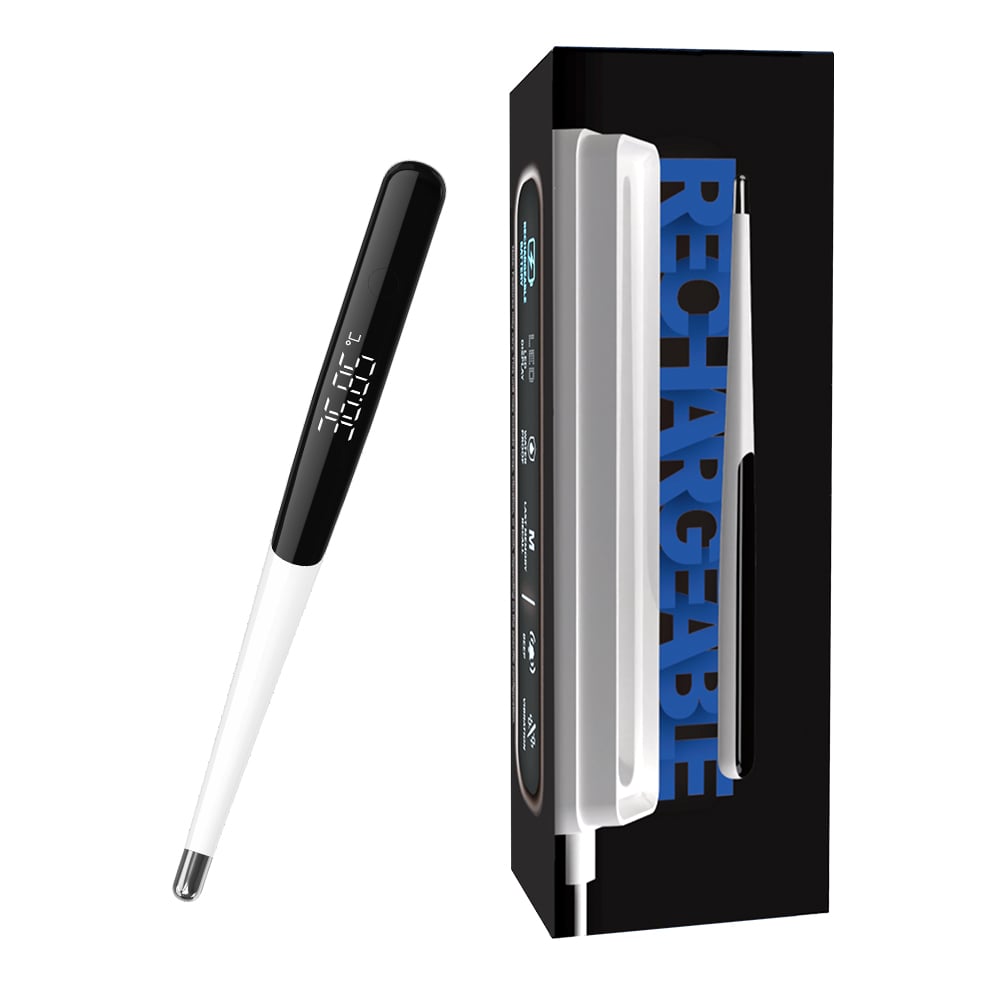
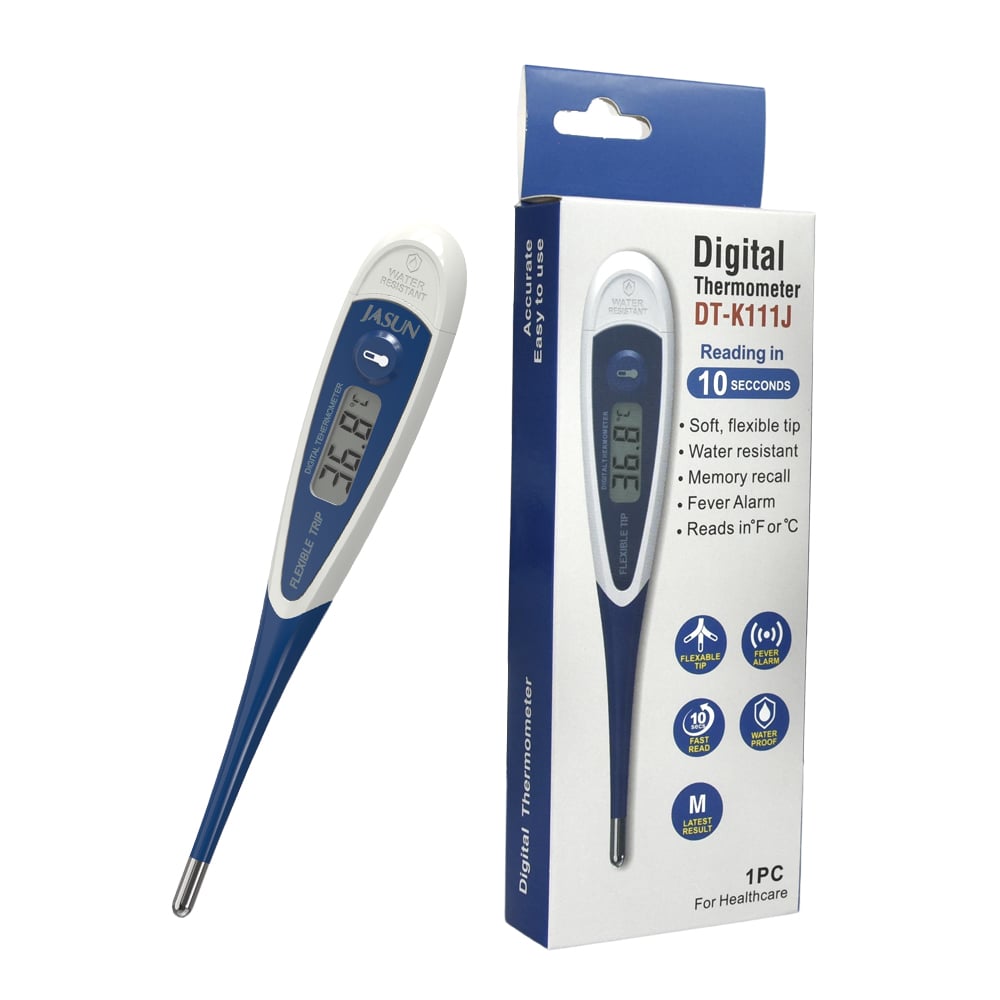
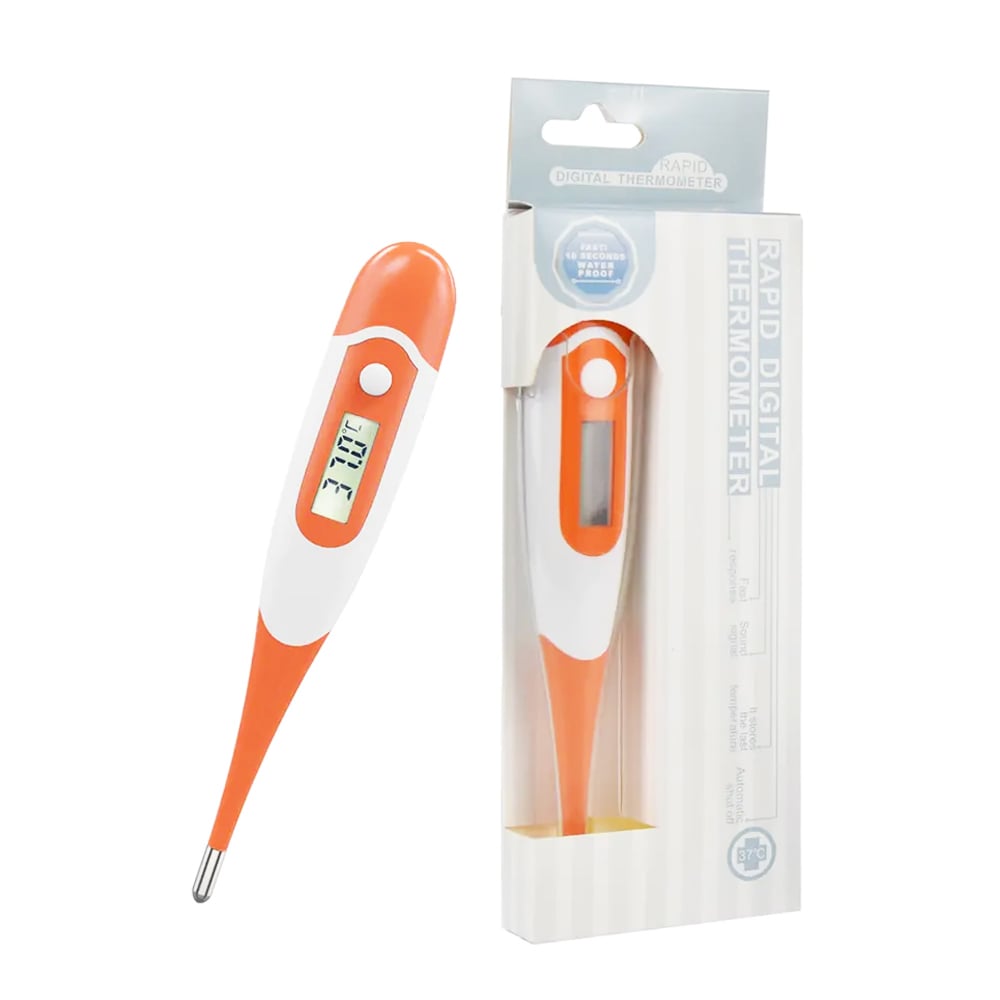
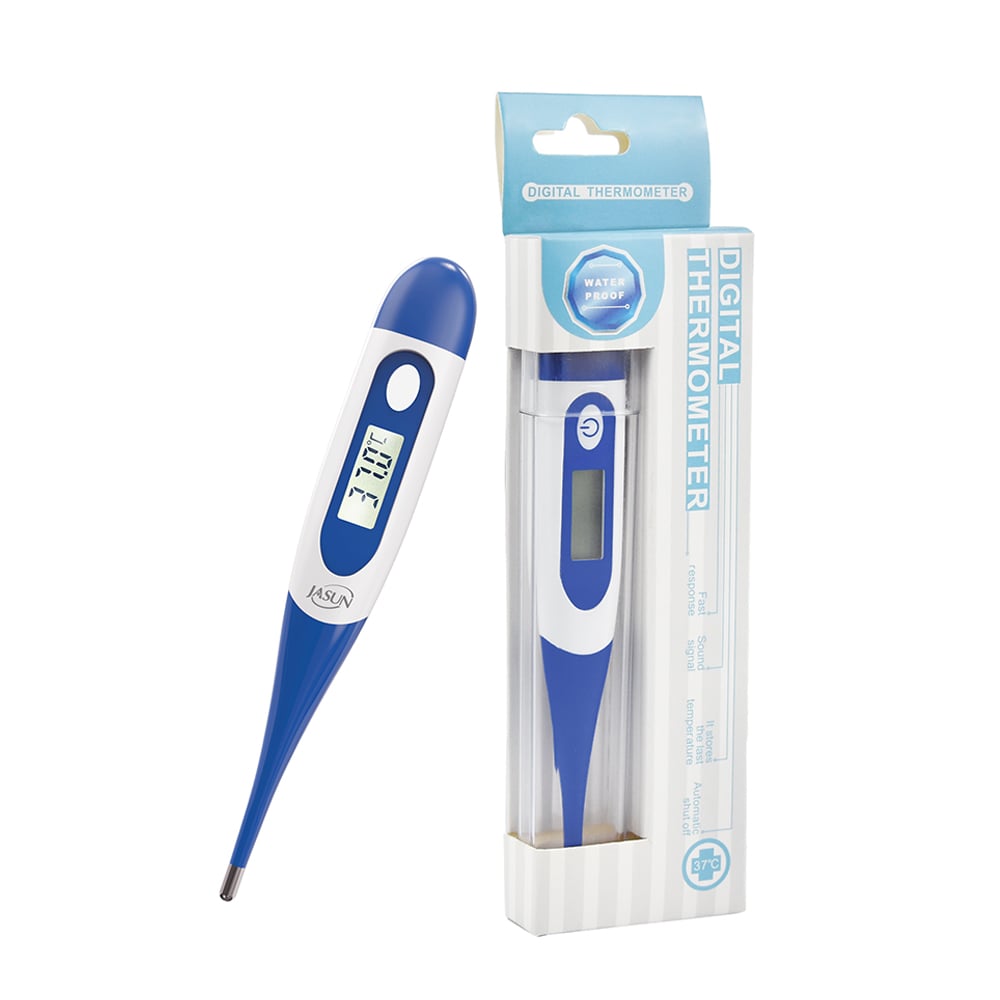
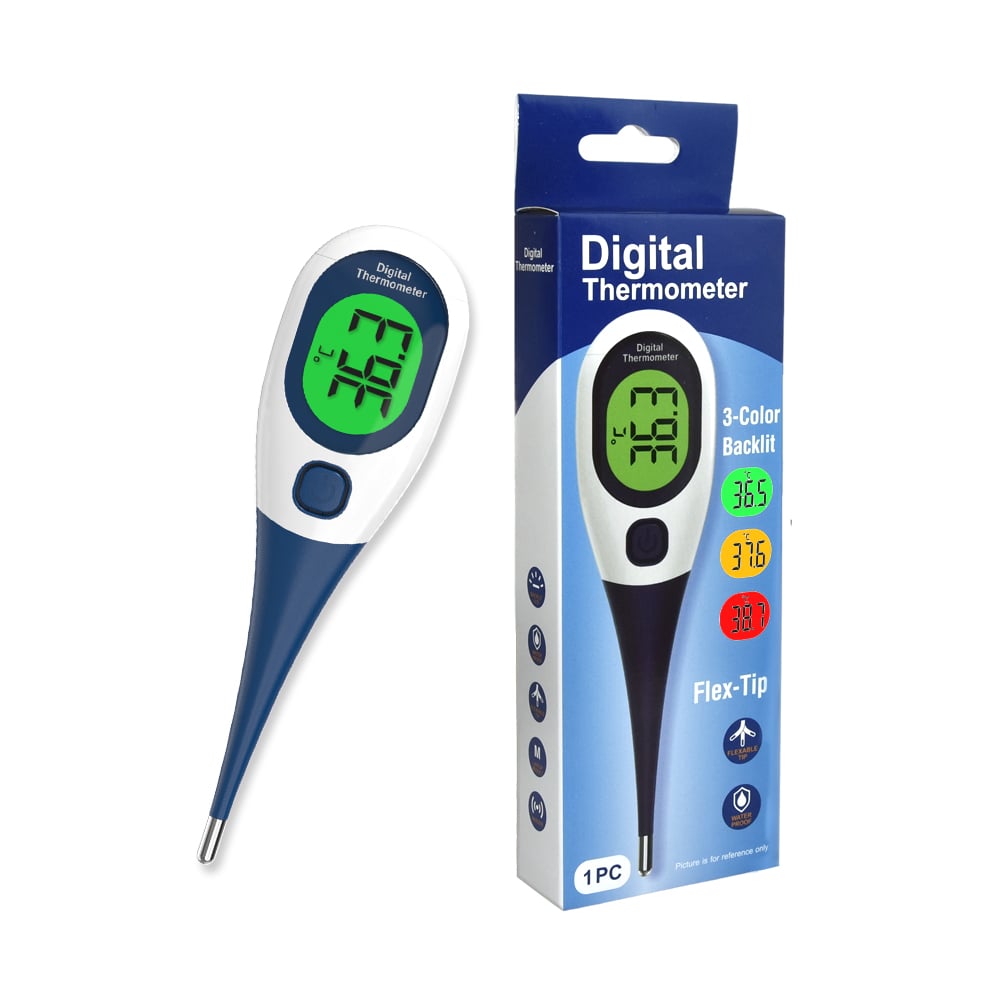
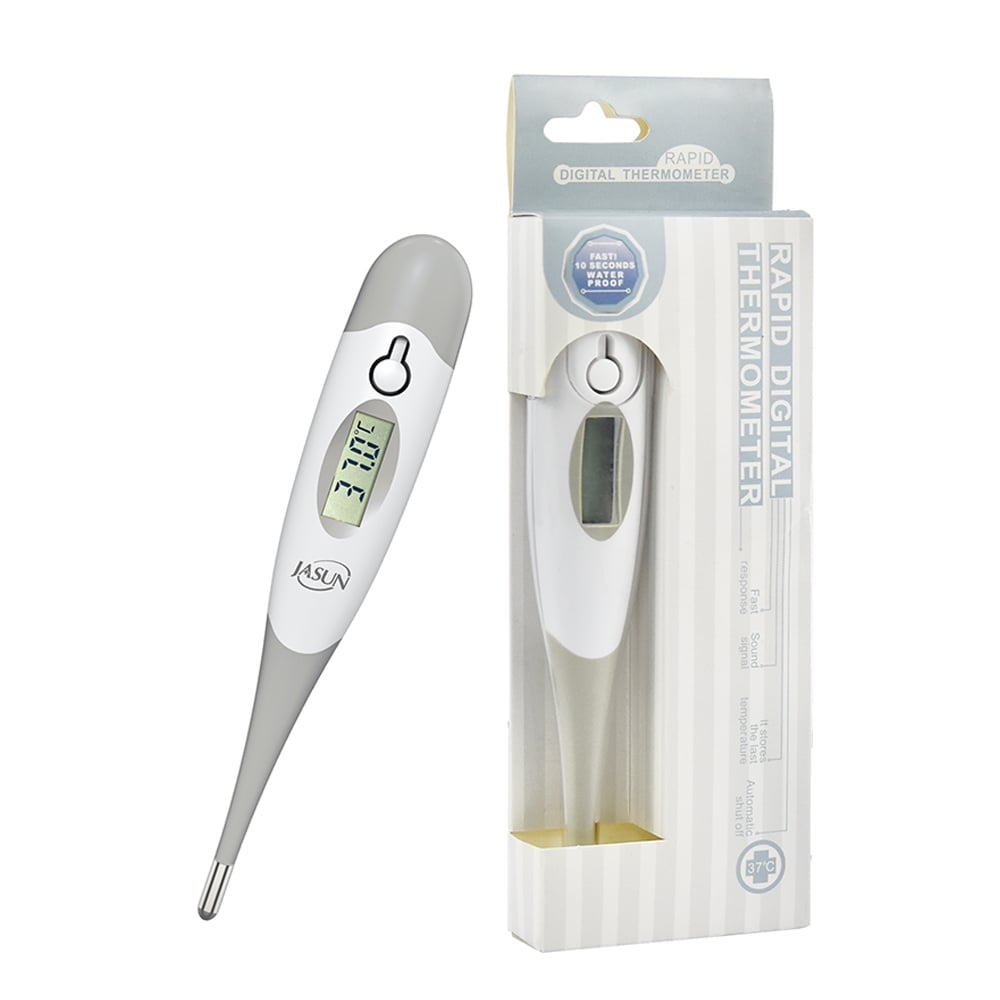
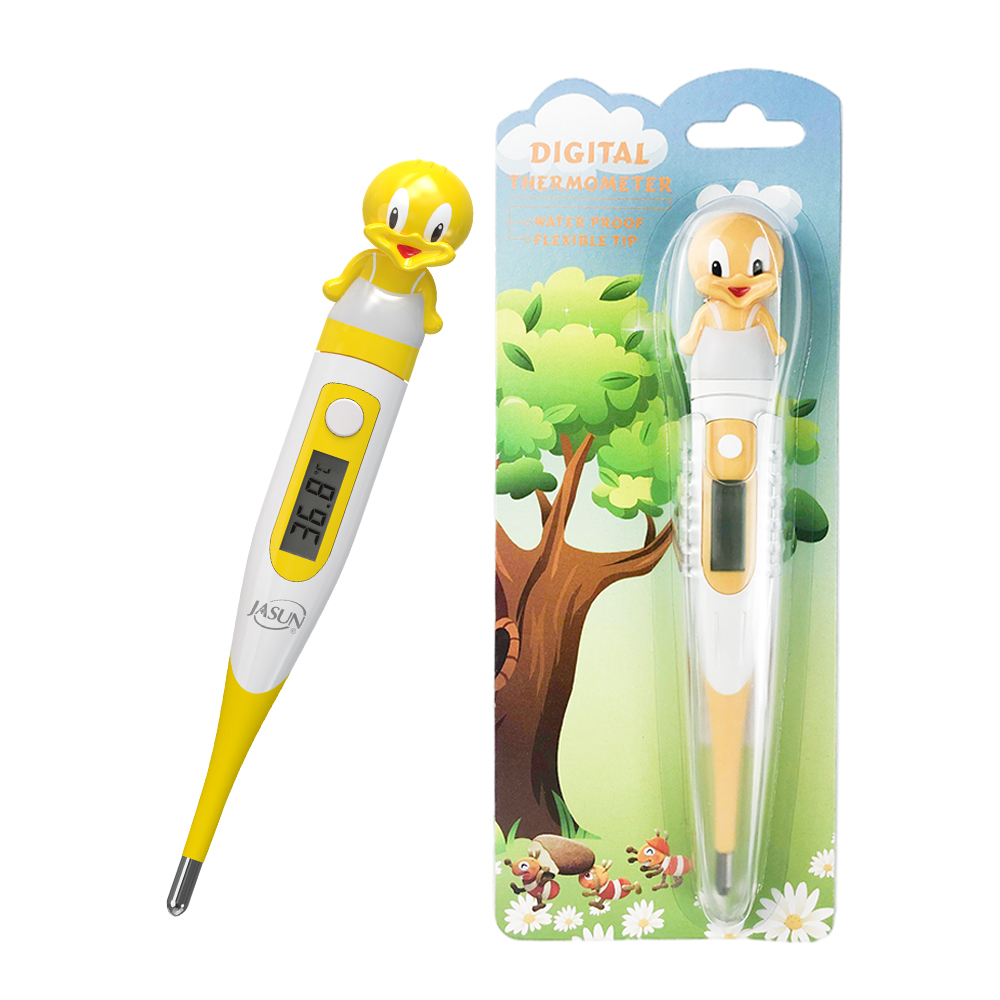
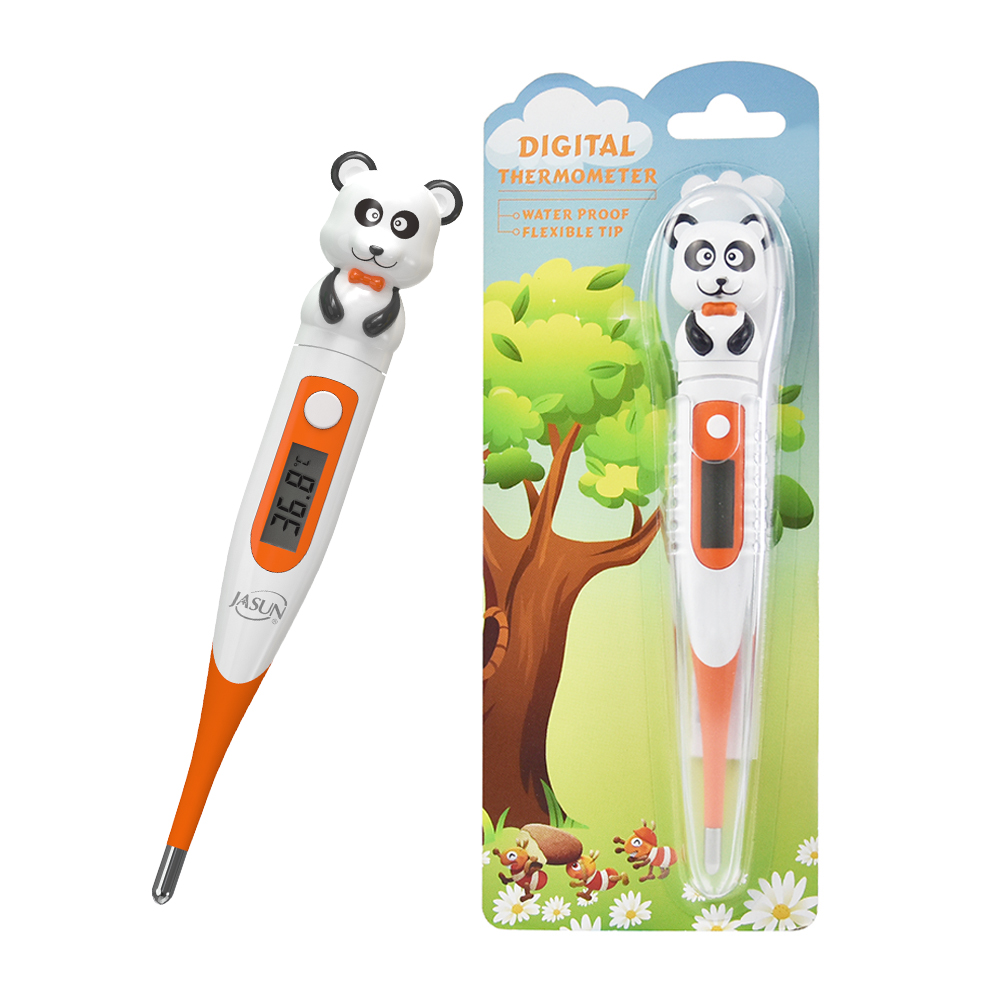
Digital clinical thermometers are essential medical devices used to accurately measure body temperature, playing a crucial role in diagnosing fevers and monitoring patients' health. For B2B buyers, such as medical wholesalers, pharmacies, and startups, sourcing a reliable clinical thermometer involves careful consideration of performance, quality, and supplier capability. This article will guide you through key factors to consider when sourcing these devices, ensuring that you make informed purchasing decisions that meet your specific needs.
When sourcing digital clinical thermometers, buyers should prioritize several key factors:
Accuracy and Precision: Look for Hangzhou Huaan thermometers that provide consistent and reliable readings. This is critical for patient safety and effective diagnosis. Specifications such as measurement range and accuracy tolerance should be clearly defined.
Response Time: A thermometer's speed in delivering results can significantly affect patient care. A device that provides readings in a matter of seconds is often preferred in clinical settings.
Ease of Use: User-friendly design, including features like large displays and simple interfaces, enhances usability, especially in high-pressure environments.
Durability: The construction materials should withstand regular use, cleaning, and potential drops. Thermometers made from high-quality plastics or metals are preferable.
Regulatory Compliance: Ensure that the thermometer complies with relevant certifications such as CE, ISO13485:2003, and FDA approvals, which indicate that the product meets safety and quality standards.
Customization Options: Depending on your brand or specific market needs, consider manufacturers that offer OEM/ODM services.
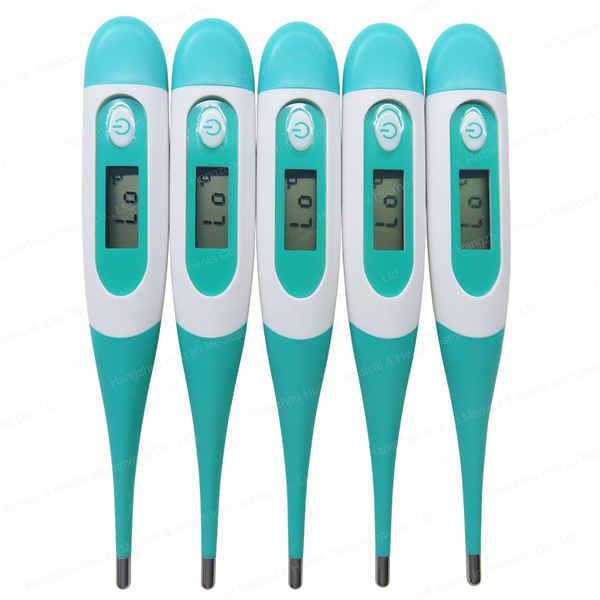
Understanding the key specifications of digital clinical thermometers helps buyers make informed choices. Here are some essential specifications to consider:
Measurement Range: Typical ranges for oral clinical thermometer are between 32°C to 42°C (89.6°F to 107.6°F). Ensure the thermometer covers the required range for your applications.
Accuracy: Look for devices with an accuracy rate of ±0.1°C (±0.2°F). This precision is crucial for reliable temperature readings.
Display Type: LCD screens are common, but consider options that offer backlighting for ease of reading in low-light conditions.
Battery Life: A longer battery life reduces the frequency of replacements, which is a practical consideration in busy environments.
Measurement Method: Digital thermometers may use oral, rectal, or axillary methods. Choose models that fit the intended application.
Memory Function: Some thermometers have memory recall to track previous readings, which can be beneficial for patient monitoring.
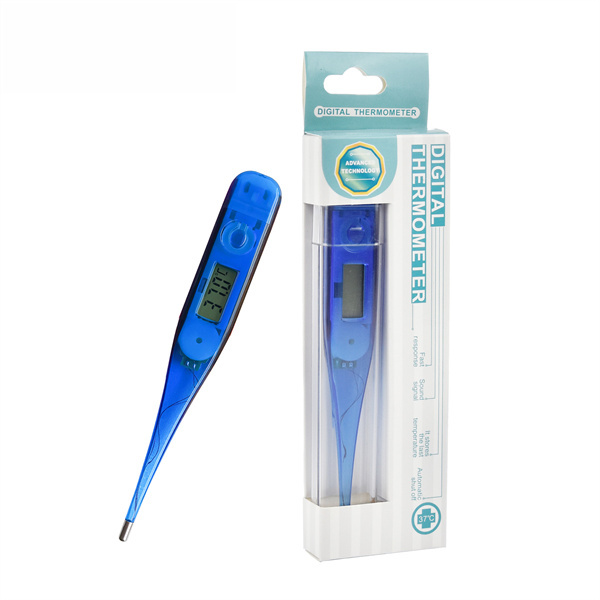
Evaluating the quality of Hangzhou Huaan digital clinical thermometers involves several steps:
Request Samples: Before committing to a bulk order, request samples to assess the thermometer's performance, accuracy, and user-friendliness.
Conduct Performance Tests: Test thermometers under controlled conditions to verify their accuracy and response time. Compare results with other models to gauge performance.
Inspect Build Quality: Examine the materials and construction. High-quality plastics or metal casings indicate a durable product.
Review Certifications: Verify that the supplier holds relevant quality certifications, which can reassure you of their manufacturing standards.
Gather Feedback: If possible, seek feedback from current users. Their experiences can provide insights into long-term reliability and satisfaction.
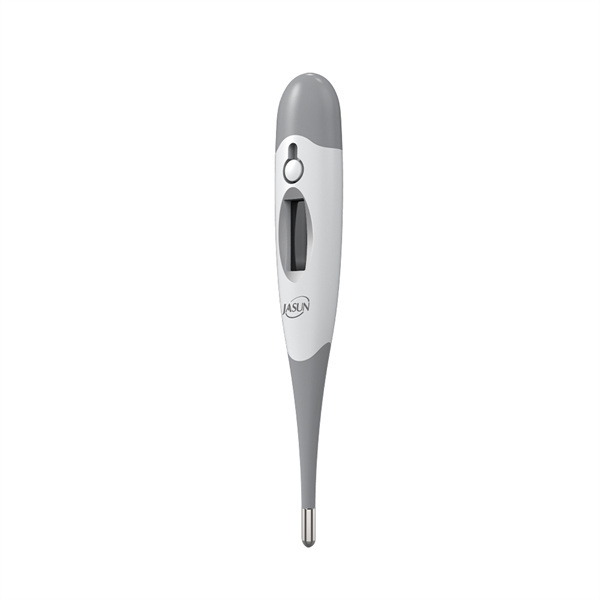
Finding reputable suppliers is vital for ensuring product quality and reliability. Consider the following avenues:
Industry Trade Shows: Attending medical device expos can help you meet manufacturers face-to-face, allowing for direct discussions about capabilities and product offerings.
Online Marketplaces: Platforms like Alibaba can connect you with a range of suppliers. Look for those with verified credentials and positive reviews.
Professional Networks: Joining industry-specific networks or forums can help you gather recommendations for trustworthy manufacturers.
Direct Manufacturer Websites: Research manufacturers like Hangzhou Huaan Medical Health Instruments Co., Ltd., known for their high-tech medical devices and extensive certifications.
Industry Publications: Subscribing to medical and manufacturing journals can keep you informed about leading suppliers and emerging trends.
Despite their reliability, digital clinical thermometers can present some common issues:
Inaccurate Readings: This can stem from improper calibration, battery issues, or environmental factors. Regular calibration and battery checks are essential for maintaining accuracy.
Solution: Establish a routine calibration schedule and ensure batteries are replaced as needed.
Display Malfunctions: LCD screens may become unresponsive or display errors.
Solution: Choose thermometers with robust screens and consider models with warranty provisions.
User Error: Inconsistent measurement methods can lead to inaccurate readings.
Solution: Provide training for staff on proper usage techniques to ensure consistency in how temperatures are taken.
Cleaning and Maintenance Issues: Some materials may degrade with improper cleaning.
Solution: Follow the manufacturer's instructions for cleaning and maintenance to extend the device's lifespan.
By understanding these common issues and their solutions, buyers can better prepare for long-term use and ensure reliable performance across their medical devices.
In summary, sourcing mercury free clinical thermometer requires careful consideration of specifications, quality evaluation, and finding trustworthy suppliers. By adhering to the guidelines outlined, B2B buyers will be well-equipped to make informed purchasing decisions that align with their operational needs.
JASUN is a registered trademark of Hangzhou Hua'an Medical & Health Instruments Co.,Ltd. Your first option for premium thermometer suppliers in China with CE, MDR, ISO13485:2003, FDA and BSCI certificates.
Our location: Building 2,1# Fuzhu Nan RD, Wuchang Town, Yuhang District, Hangzhou, Zhejiang 310023, China
HOURS: 8:30AM - 6:00PM
Copyright © Hangzhou Hua'an Medical & Health Instruments Co.,Ltd. All Rights Reserved Blog Privacy Policy
 EN