
Digital blood pressure (BP) machines are essential tools in modern healthcare, providing accurate and efficient monitoring of blood pressure levels. These devices are particularly crucial for healthcare professionals, purchasing managers, and suppliers in making informed decisions about patient care and product procurement. This article explores key specifications of digital BP machines, common installation issues, their applications in various medical settings, essential buyer considerations, and expert sourcing tips to ensure that you make the right choice for your needs.
When evaluating digital BP machines, several key specifications are critical for ensuring reliable performance and user satisfaction.
Measurement Accuracy: Look for machines that offer high accuracy levels, generally within ±3 mmHg. This precision is crucial for effective diagnosis and treatment.
Cuff Size and Type: The cuff must fit the patient's arm properly to ensure accurate readings. Common sizes include standard (around 22-32 cm) and large (33-43 cm). Some machines offer adjustable cuffs or children's sizes for broader application.
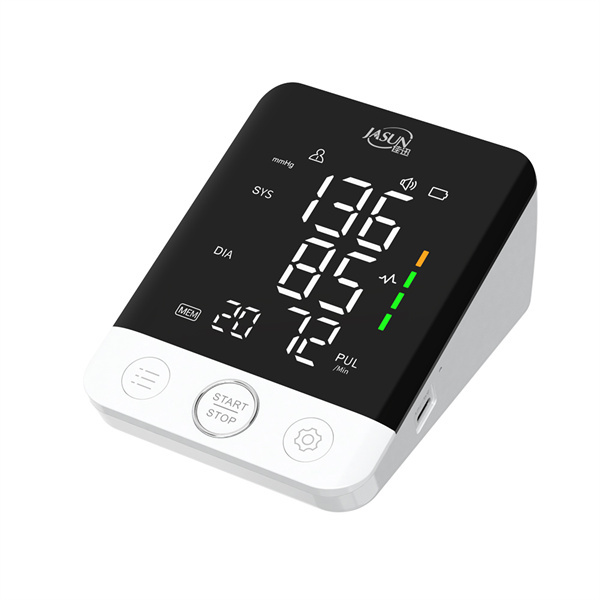
Display Features: A clear, easy-to-read display is vital, especially for elderly patients or in high-pressure environments. Features like backlighting and large fonts enhance usability.
Battery Life: Consider devices with long battery life or rechargeable options, minimizing downtime and maintenance.
Data Storage and Connectivity: Many modern BP machines come with memory storage for multiple readings and connectivity options like Bluetooth or USB for data transfer to electronic health records (EHR) systems. For example, certain models of Digital Blood Pressure Monitors offer advanced connectivity features that streamline data management.
Certifications: Ensure the machine possesses relevant certifications, such as CE, ISO13485, and FDA approval, indicating compliance with international quality standards.
These specifications not only affect the usability and accuracy of the device but also influence long-term satisfaction and compliance with industry regulations.
Installation issues can hinder the effective use of digital BP machines. Here are some common problems and their solutions:
Incorrect Cuff Placement: One of the most frequent issues arises from improper cuff placement. Ensure that the cuff is positioned at heart level and is snug but not too tight. Training staff on correct procedures can mitigate this problem.
Power Supply Issues: Some machines may experience power supply problems, particularly if not connected to a stable power source. Regularly check power connections and consider devices with backup battery options for continuous operation.
Calibration Errors: Digital BP machines require periodic calibration to maintain accuracy. Establish a routine calibration schedule based on manufacturer recommendations and document any changes in performance.
Connectivity Problems: Issues with data transfer can arise due to connectivity problems with EHR systems. Ensure that staff is trained in troubleshooting basic connectivity issues and that software is regularly updated.
By addressing these common installation challenges proactively, healthcare facilities can ensure that their digital BP machines function optimally, leading to better patient outcomes.
Digital BP machines are versatile tools used across various medical settings, each with specific applications:
Hospitals: In acute care settings, digital BP machines are employed for continuous monitoring of patients, especially those undergoing surgery or in critical care units. Their accuracy and quick results are vital for timely medical responses.
Clinics: Primary care practices use these machines for routine check-ups and chronic disease management. Automated readings facilitate efficient patient flow and allow for immediate intervention if abnormal readings are detected.
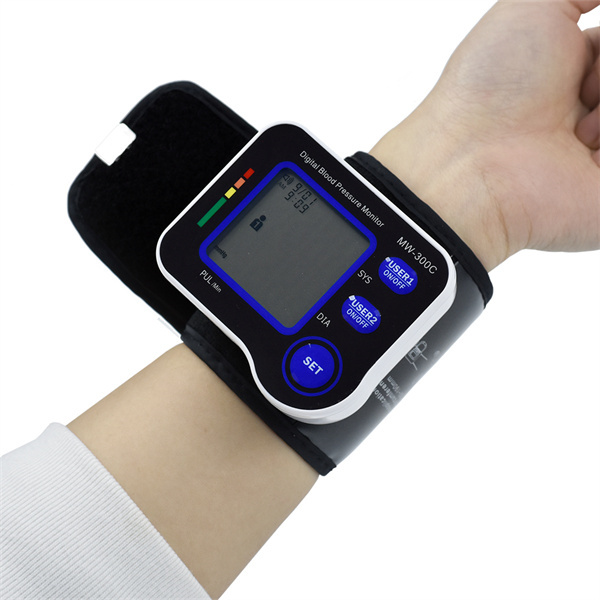
Home Healthcare: With the rise of remote patient monitoring, digital BP machines are increasingly used in home healthcare settings, allowing patients to monitor their blood pressure regularly and share data with healthcare providers.
Pharmacies: Many pharmacies offer blood pressure monitoring services. Digital BP machines allow pharmacists to provide quick assessments and advice, enhancing patient engagement and adherence to treatment plans.
Occupational Health: In corporate health programs, these machines are used for employee health screenings, helping to identify hypertension early and promoting preventive health measures. For instance, the use of Manual Blood Pressure Monitors can also be effective in these settings.
Understanding the specific applications of digital BP machines can guide purchasing decisions, ensuring that the selected devices meet the needs of the intended setting.
When sourcing digital BP machines, buyers should consider several factors to ensure they select the best product for their needs:
Quality and Reliability: Research manufacturers with a solid track record and certifications that indicate commitment to quality, such as ISO13485:2003 and CE marking.
Customization Options: If your facility has unique requirements, look for suppliers that offer customization in terms of cuff sizes, software features, or branding.
After-Sales Support: Evaluate the level of support offered post-purchase, including warranty terms, customer service responsiveness, and availability of replacement parts.
User Training: Consider whether the supplier provides training for staff on using the devices effectively and interpreting readings correctly.
Total Cost of Ownership: Assess the total cost, factoring in initial purchase price, maintenance costs, and any consumables required. A lower upfront cost may not always equate to lower long-term expenses.
By focusing on these considerations, buyers can make informed decisions that align with their operational needs and budgetary constraints.
Sourcing digital BP machines effectively requires a strategic approach. Here are expert tips to enhance your procurement process:
Conduct Thorough Research: Investigate potential suppliers by reviewing their websites, product catalogs, and customer testimonials. Engage in forums or industry groups to gather insights on supplier reputation.
Request Samples: Before committing to a large order, request product samples to evaluate quality and performance in real-world conditions. This step is vital to ensure that the device meets your expectations.
Compare Specifications: Develop a checklist of essential specifications and compare multiple products. This side-by-side evaluation can highlight differences in features and help find the best fit.
Negotiate Terms: Don’t hesitate to negotiate pricing, especially if placing bulk orders. Discuss lead times, minimum order quantities (MOQ), and payment terms to ensure favorable conditions.
Establish Long-Term Relationships: Building strong relationships with suppliers can lead to better service, timely support, and potential discounts on future orders. Regular communication fosters trust and collaboration.
By implementing these sourcing strategies, purchasing managers can enhance their procurement processes and secure digital BP machines that meet their organizational needs effectively.
JASUN is a registered trademark of Hangzhou Hua'an Medical & Health Instruments Co.,Ltd. Your first option for premium thermometer suppliers in China with CE, MDR, ISO13485:2003, FDA and BSCI certificates.
Our location: Building 2,1# Fuzhu Nan RD, Wuchang Town, Yuhang District, Hangzhou, Zhejiang 310023, China
HOURS: 8:30AM - 6:00PM
Copyright © Hangzhou Hua'an Medical & Health Instruments Co.,Ltd. All Rights Reserved Blog Privacy Policy
 EN