
Clinical thermometers are essential medical devices used to accurately measure body temperature, an important indicator of health status. For B2B buyers, such as purchasing managers, wholesalers, and healthcare providers, the focus is not only on the accuracy and reliability of these devices but also on their cost, compliance with regulations, and the reputation of the manufacturer. This article will delve into common issues associated with clinical thermometers, key cost factors in wholesale purchasing, reliable supplier sources, various applications in healthcare settings, and a comparison of different types of clinical thermometers to aid in informed decision-making.
Clinical thermometers, while vital in healthcare, can encounter several common issues. One prevalent problem is inaccurate readings due to calibration errors. It's crucial for manufacturers to implement robust quality control processes, including regular calibration and testing against recognized standards. Buyers should inquire about the manufacturer's calibration methods and frequency to ensure the devices will provide reliable readings.
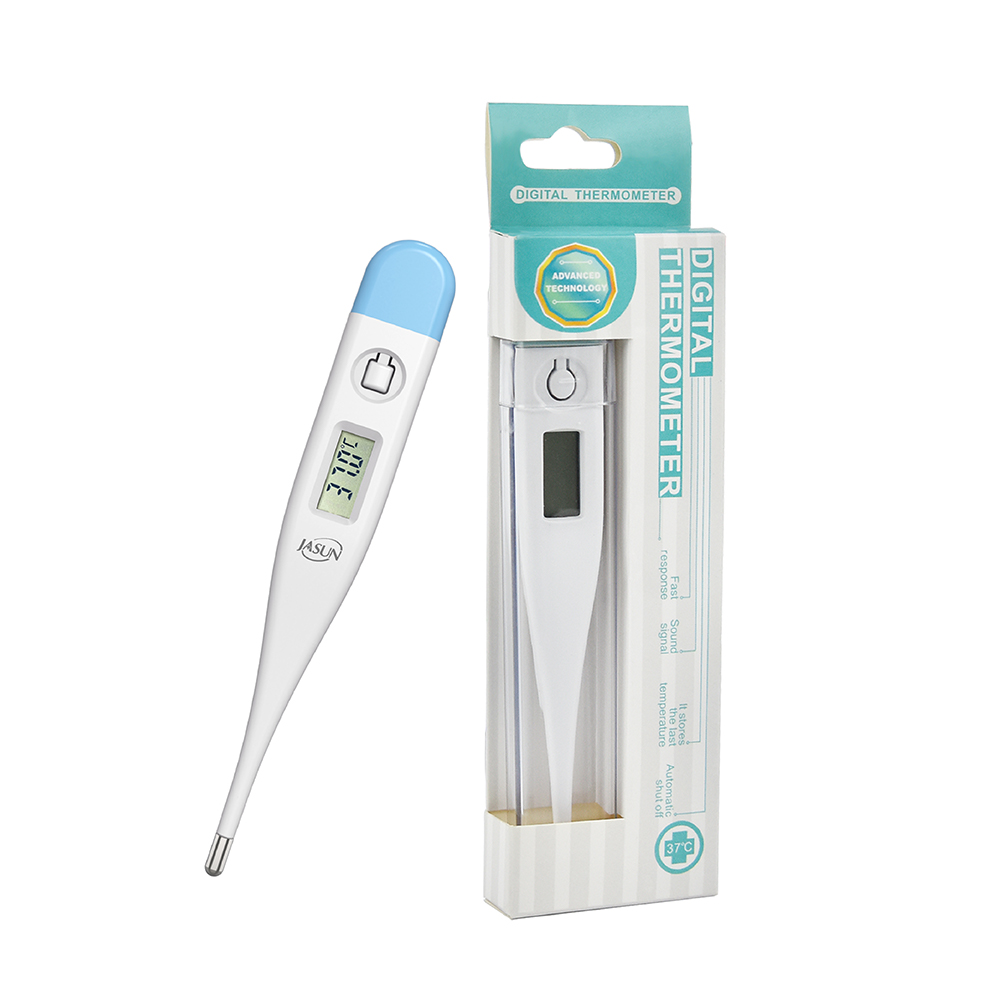
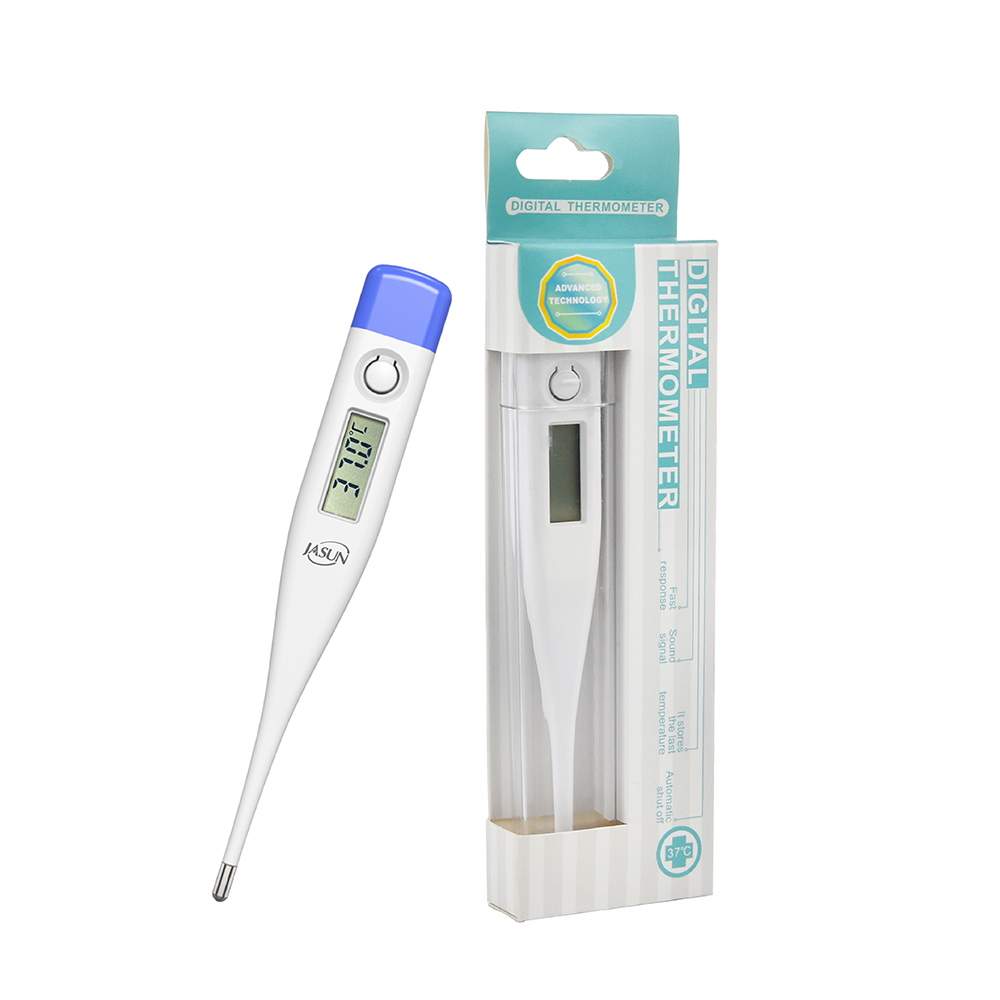
Another issue is user error, which can arise from improper usage techniques. Training for healthcare staff on correct temperature-taking procedures is essential. As a manufacturer, offering comprehensive user manuals and training sessions can significantly reduce these errors. Additionally, providing information about various types of clinical thermometers, such as Digital Clinical Thermometers, can enhance user understanding and efficacy.
Durability is also a concern, especially in busy healthcare environments where devices may face wear and tear. Utilizing high-quality materials and advanced manufacturing techniques can enhance the longevity of clinical thermometers. Buyers should assess the material specifications and durability testing results provided by suppliers to ensure the selected devices will withstand rigorous use.
When purchasing clinical thermometers wholesale, several cost factors come into play. The initial purchase price is significant, but buyers should also consider the total cost of ownership, which includes maintenance, calibration, and potential replacement costs over the product's lifecycle.
Volume discounts can significantly affect pricing. Many manufacturers, including Hangzhou Huaan Medical Health Instruments Co., Ltd., offer reduced unit prices for larger orders. Understanding the minimum order quantity (MOQ) is essential for buyers to optimize their budgets.
Additionally, certification and compliance costs should not be overlooked. Clinical thermometers must meet various regulatory requirements, such as CE, ISO13485, and FDA standards. These certifications often involve testing and documentation fees that can influence the overall cost.
Finally, shipping and handling costs can add to the total expenditure. Buyers should clarify shipping terms and evaluate options for bulk shipping to reduce costs.
Finding reliable suppliers of clinical thermometers is critical for ensuring quality and compliance. Start by researching manufacturers that hold relevant certifications, as these indicate adherence to international standards. Companies like Hangzhou Huaan Medical have established themselves as respected manufacturers in this field, which can provide an added layer of trust.
Trade shows and industry exhibitions are excellent venues for connecting with suppliers. These events allow buyers to assess products firsthand, discuss specifications, and build relationships with manufacturers.
Online platforms and marketplaces can also be useful. However, due diligence is essential; buyers should verify the supplier's reputation through reviews and references from other clients. Requesting samples for evaluation before placing bulk orders can help ensure that the products meet expectations.
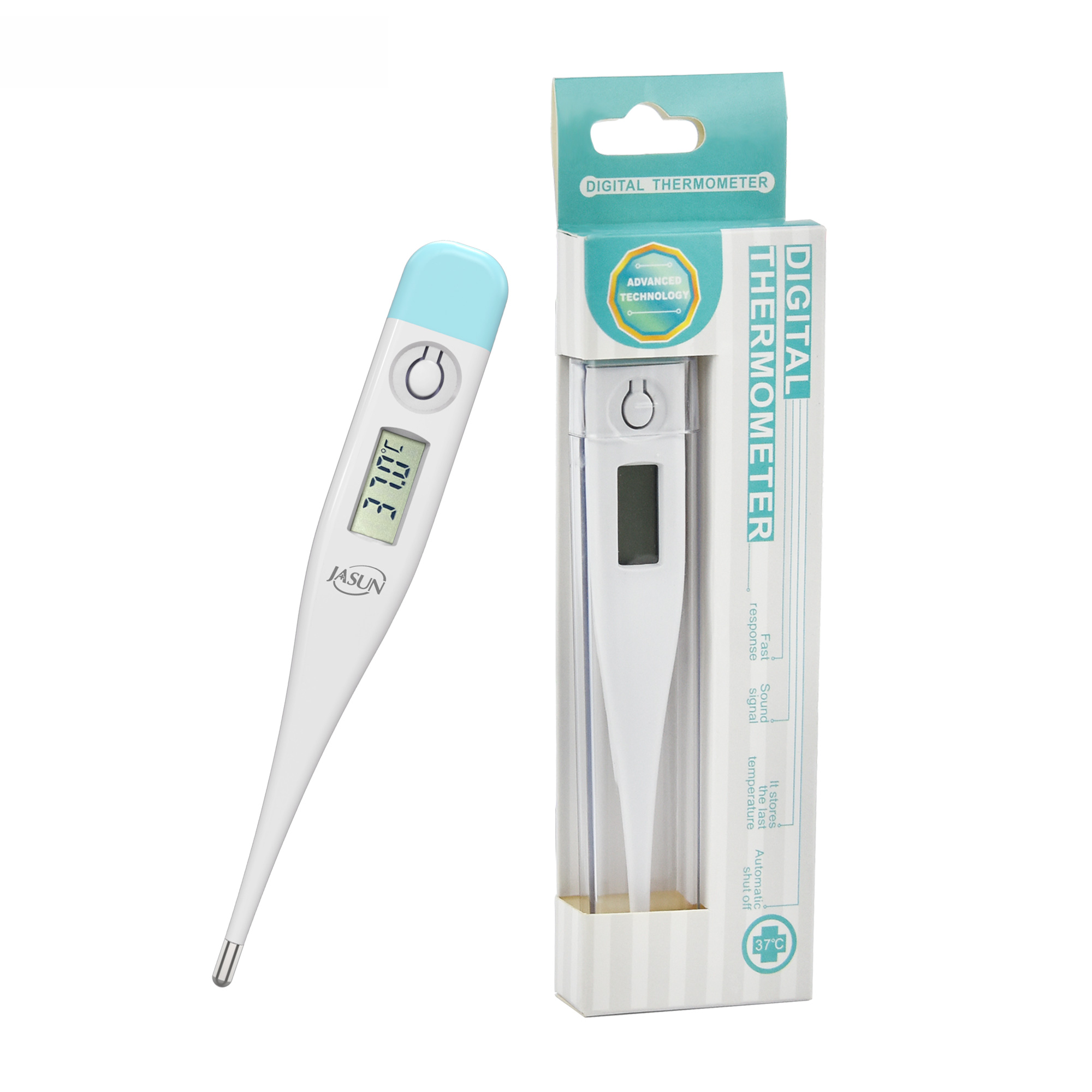
Clinical thermometers find applications across multiple healthcare settings, including hospitals, outpatient clinics, and home healthcare. In emergency rooms, rapid and accurate temperature readings are critical for patient assessment and treatment decisions. Digital clinical thermometers, known for their speed and ease of use, are commonly used in these settings.
In outpatient clinics, thermometers are utilized for routine check-ups and monitoring patients with chronic conditions. Infrared thermometers have gained popularity here due to their non-invasive nature and ability to provide quick readings without direct contact.
In home healthcare, patients often require ongoing monitoring of body temperature. Reliable and easy-to-use clinical thermometers, such as Digital Rechargeable Thermometers, can empower patients and caregivers to manage health effectively. Manufacturers should consider developing user-friendly designs tailored for non-professional users, ensuring that these devices remain accessible to all.
When selecting clinical thermometers, understanding the various types available is crucial for meeting specific needs. Common types include digital, infrared, and mercury thermometers.
Digital Thermometers: Known for their accuracy and quick response times, digital thermometers are versatile and suitable for oral, rectal, or underarm use. They are easier to read and often come with additional features such as memory recall and fever alerts.
Infrared Thermometers: These devices measure temperature without direct contact, making them ideal for quick assessments in busy environments. They are particularly useful in pediatrics, where minimizing discomfort is essential. Buyers should check the specified distance-to-spot ratio to ensure accuracy at various distances.
Mercury Thermometers: While highly accurate, these traditional thermometers are being phased out in many regions due to safety concerns regarding mercury exposure. Buyers should ensure that any remaining inventory complies with current regulations.
When comparing these options, consider factors such as accuracy, measurement time, ease of use, and compliance with health regulations. It’s also essential to evaluate the manufacturer’s support and warranty terms, as these can affect long-term satisfaction and reliability.
By understanding these key aspects of clinical thermometers, B2B buyers can navigate the purchasing process more effectively, ensuring they select the right products for their specific healthcare environments.
JASUN is a registered trademark of Hangzhou Hua'an Medical & Health Instruments Co.,Ltd. Your first option for premium thermometer suppliers in China with CE, MDR, ISO13485:2003, FDA and BSCI certificates.
Our location: Building 2,1# Fuzhu Nan RD, Wuchang Town, Yuhang District, Hangzhou, Zhejiang 310023, China
HOURS: 8:30AM - 6:00PM
Copyright © Hangzhou Hua'an Medical & Health Instruments Co.,Ltd. All Rights Reserved Blog Privacy Policy
 EN