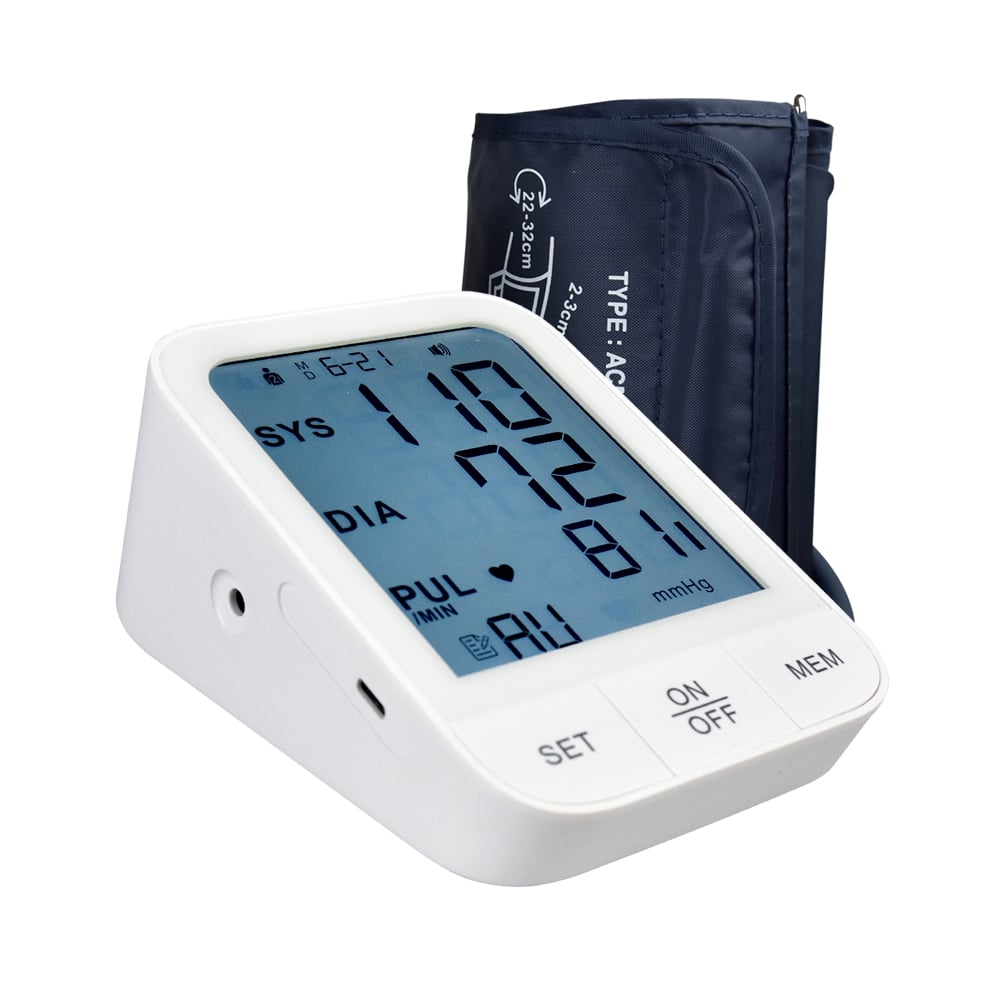
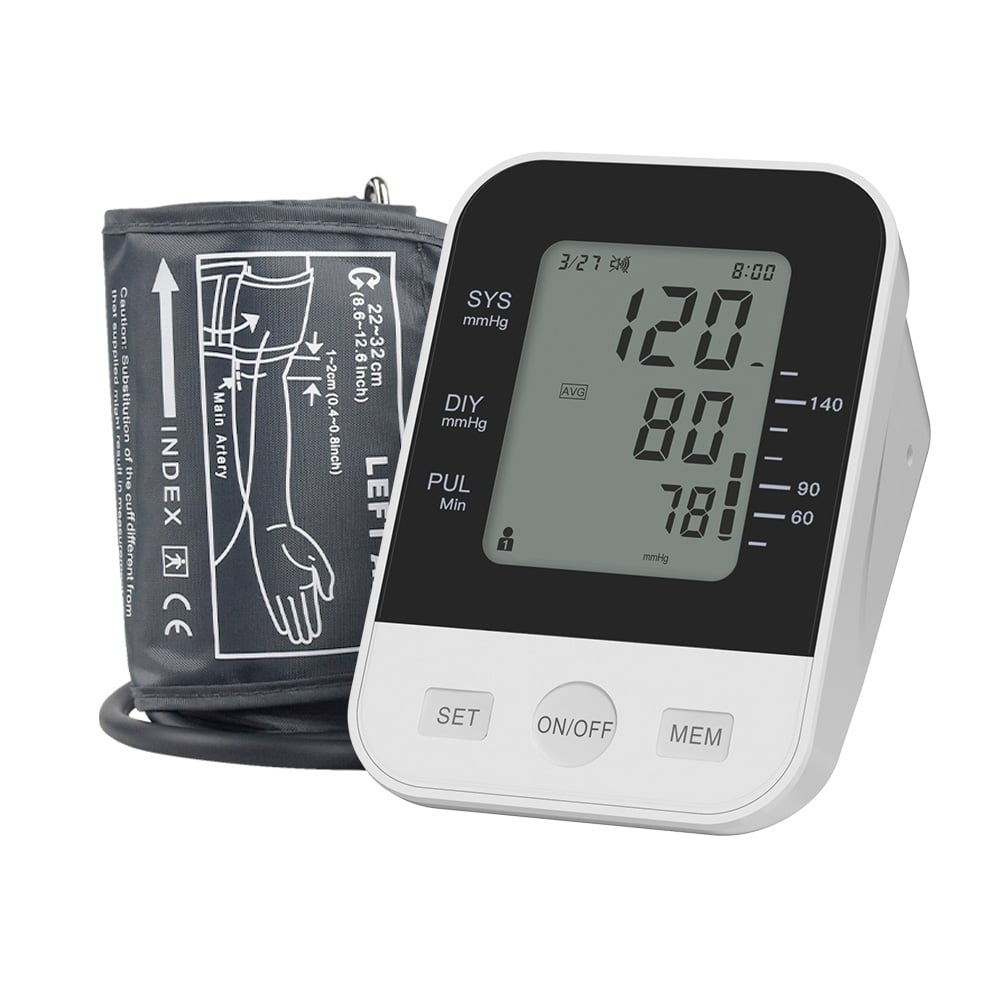
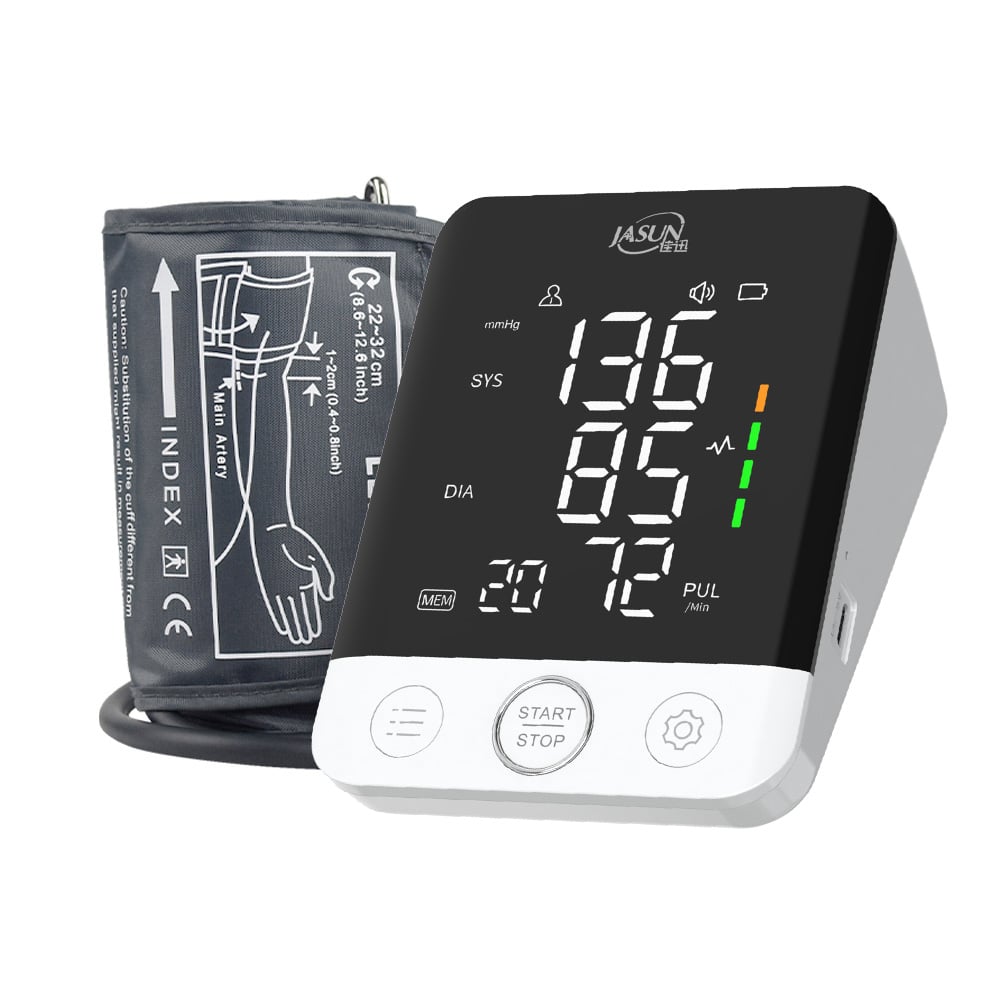
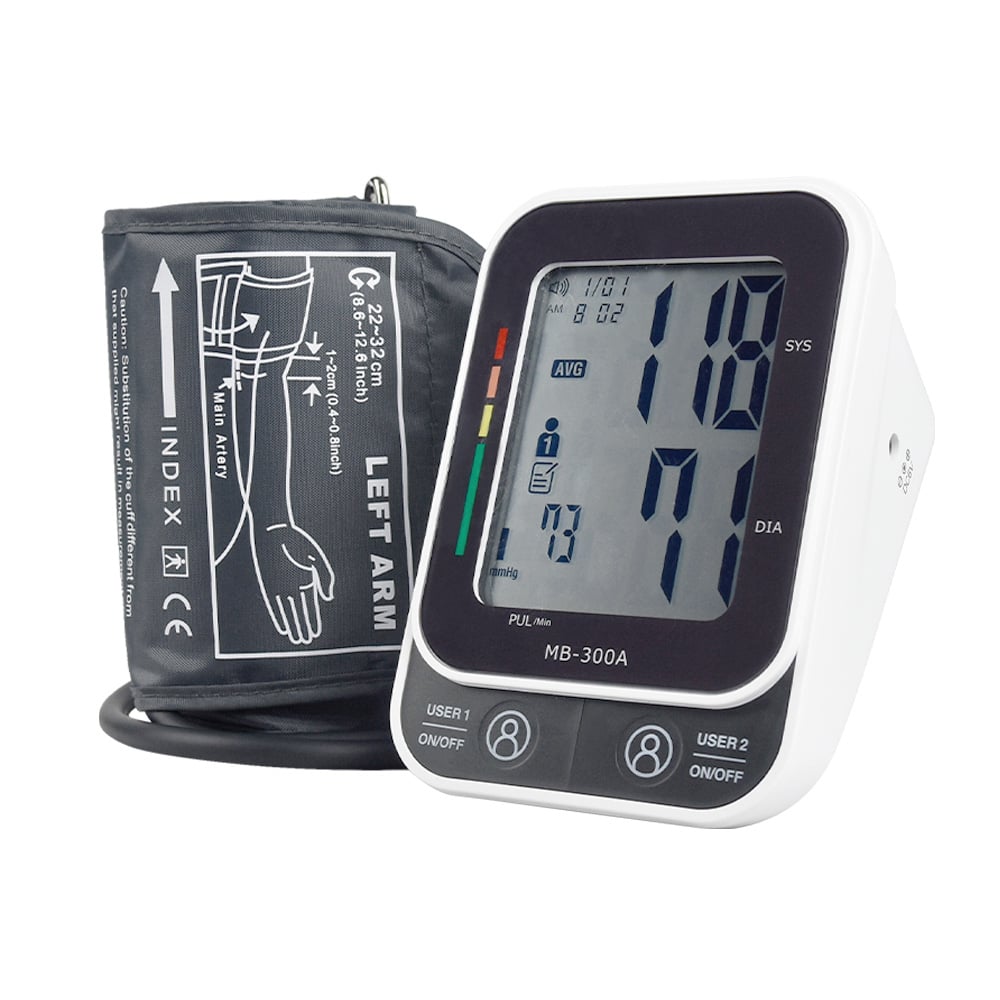
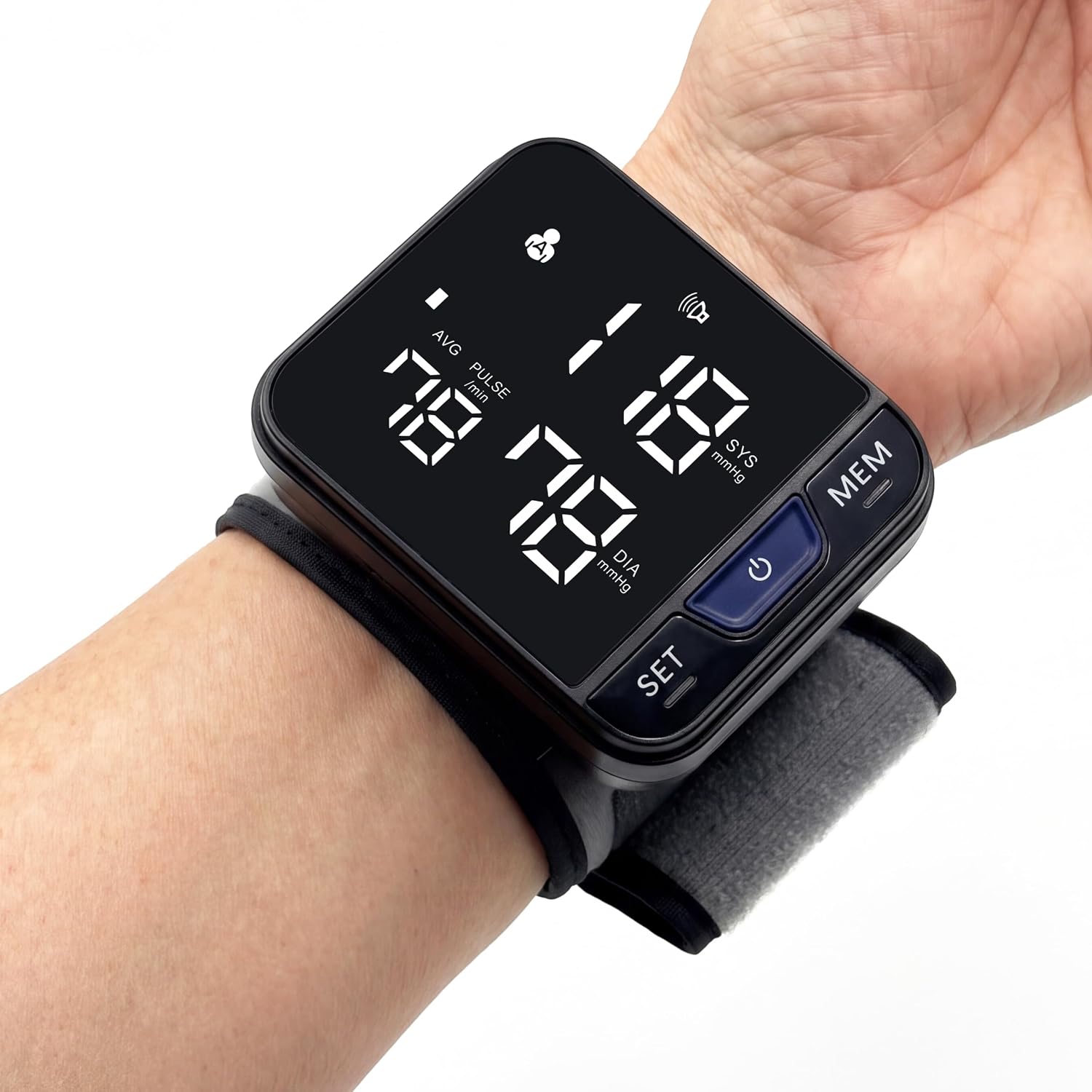
Blood pressure instruments are essential devices in healthcare settings, providing accurate measurements to assess an individual's cardiovascular health. As a B2B buyer, whether you are a purchasing manager, distributor or healthcare provider, your main concerns likely include the blood pressure monitor instrument's accuracy, reliability, and compliance with industry standards. This article will guide you through the key considerations for selecting a blood pressure instrument, ensuring that you make an informed decision for your organization.
Selecting the right blood pressure instrument involves understanding your specific requirements. Consider the following factors:
Type of Instrument: Blood pressure instruments come in various forms, such as digital, aneroid. Digital instruments are easier to use and often provide quick readings, making them suitable for clinics and home use. In contrast, aneroid devices may require more training to read accurately but are often preferred in certain medical settings due to their durability.
Accuracy and Calibration: Look for instruments that offer high accuracy, typically within ±3 mmHg. Calibration should be regularly performed to maintain precision. As a buyer, confirm the manufacturer's calibration certification and inquire about their quality control processes.
User Comfort: The design of the cuff is crucial for patient comfort. Ensure that the blood pressure monitoring machine cuff is adjustable and available in various sizes to accommodate different patient demographics. This is especially important in settings where measurements are taken frequently.
Durability and Maintenance: Given the demanding nature of healthcare environments, choose instruments made from high-quality materials that can withstand regular use. Check the manufacturer's maintenance recommendations and the availability of replacement parts.
Compliance and Certification: Ensure that the instrument meets relevant certifications such as CE, ISO13485, or FDA approval, as these indicate adherence to quality and safety standards.
A reliable blood pressure instrument is characterized by several key attributes:
Accurate Measurement: Consistent and accurate readings are vital. Look for instruments that have been validated against standard reference methods.
Durability: Instruments should be constructed from robust materials to ensure longevity, particularly in high-volume usage environments.
Ease of Use: Consider the user interface. Instruments with clear displays and simple operation reduce the wristband blood pressure monitor likelihood of user error and enhance workflow efficiency.
Technical Support: A reputable manufacturer will provide ongoing technical support, including assistance with calibration and troubleshooting.
Warranty and Service Agreements: A good warranty demonstrates the manufacturer's confidence in their product. Look for warranties that cover parts and labor for a reasonable period.
While blood pressure instruments are generally reliable, some common issues can arise:
Inaccurate Readings: This can result from improper cuff placement or incorrect cuff size. Training users on proper technique can mitigate this issue. Regular calibration checks are also essential to ensure accuracy.
Device Malfunction: Components may wear out over time, leading to malfunctions. Establishing a routine maintenance schedule and having a plan for quick repairs can minimize downtime.
User Error: Ensure that all users are trained on how to operate the instrument properly. Providing clear user manuals and conducting regular training sessions can help reduce user errors.
Cuff Sizing Issues: Using an incorrect cuff size can lead to false readings. It is important to have a range of cuff sizes available to ensure the best fit for all patients.
Proper installation and setup of blood pressure instruments are crucial for optimal performance:
Location: Install the device in a location that is easily accessible to users and patients. Ensure that the area is well-lit and free of distractions.
Calibration: Follow the manufacturer’s guidelines for initial calibration after installation. This process is critical to ensure that readings are accurate from the outset.
User Training: Provide comprehensive training for all users on how to set up and use the instrument correctly. This includes understanding the display, cuff application, and how to interpret results.
Regular Maintenance Checks: Schedule regular maintenance checks as per the manufacturer’s recommendations to ensure the instrument remains in good working condition.
Blood pressure instruments are utilized across various healthcare settings, each with specific applications:
Hospitals and Clinics: In these environments, blood pressure instruments are used for routine checks, pre-operative assessments, and monitoring patients with hypertension or other cardiovascular conditions.
Home Healthcare: Many patients are now using digital blood pressure monitors at home to manage their health. These devices allow for continuous monitoring and can alert healthcare providers to any concerning trends.
Telemedicine: With the rise of telehealth, blood pressure instruments equipped with Bluetooth or Wi-Fi capabilities allow for remote monitoring, providing real-time data to healthcare professionals.
Research and Clinical Trials: Accurate blood pressure measurement is crucial in clinical research. Instruments used in these settings must meet stringent accuracy and reliability standards.
By understanding these various aspects of blood pressure instruments, purchasing managers and healthcare providers can make informed decisions that enhance patient care and operational efficiency. Whether you are looking to purchase for a hospital, clinic, or home care setting, consider these guidelines to ensure the right choice for your needs.
JASUN is a registered trademark of Hangzhou Hua'an Medical & Health Instruments Co.,Ltd. Your first option for premium thermometer suppliers in China with CE, MDR, ISO13485:2003, FDA and BSCI certificates.
Our location: Building 2,1# Fuzhu Nan RD, Wuchang Town, Yuhang District, Hangzhou, Zhejiang 310023, China
HOURS: 8:30AM - 6:00PM
Copyright © Hangzhou Hua'an Medical & Health Instruments Co.,Ltd. All Rights Reserved Blog Privacy Policy
 EN